
Alex is Sprintlaw's co-founder and principal lawyer. Alex previously worked at a top-tier firm as a lawyer specialising in technology and media contracts, and founded a digital agency which he sold in 2015.
Contents
- What Does A Distributor Do In Australia?
- Is Becoming A Distributor Right For You?
Step‑By‑Step: How To Become A Distributor In Australia
- 1) Research The Market And Build A Simple Plan
- 2) Choose A Business Structure
- 3) Register Your Business Details
- 4) Lock In Supplier Relationships And Contracts
- 5) Set Your Customer Terms (B2B And/Or B2C)
- 6) Check Licences, Permits And Product Standards
- 7) Protect Your Brand And Content
- 8) Get Privacy And Website Essentials In Order
- 9) Sort Insurance, GST And Finances
- 10) Build Your Operations And Compliance Rhythm
- Alternative: Buying A Distribution Business Or Franchise
- What Legal Documents Will You Need?
- Key Takeaways
Australia’s distribution market is full of opportunity. If you can connect trusted suppliers with retailers and customers, you can build a sustainable, scalable business - and position yourself as the local partner brands rely on.
But success in distribution isn’t just about finding a great product or a willing supplier. You’ll need the right structure, watertight agreements, and clear compliance processes. Getting those legal foundations in place early will save you time, money and stress as you grow.
In this guide, we’ll walk through what a distributor actually does, how to set up your business step by step, the key laws that apply in Australia, and the essential contracts you’ll want in place before you ship your first order.
If you’re asking “How do I become a distributor in Australia?” - you’re in the right place.
What Does A Distributor Do In Australia?
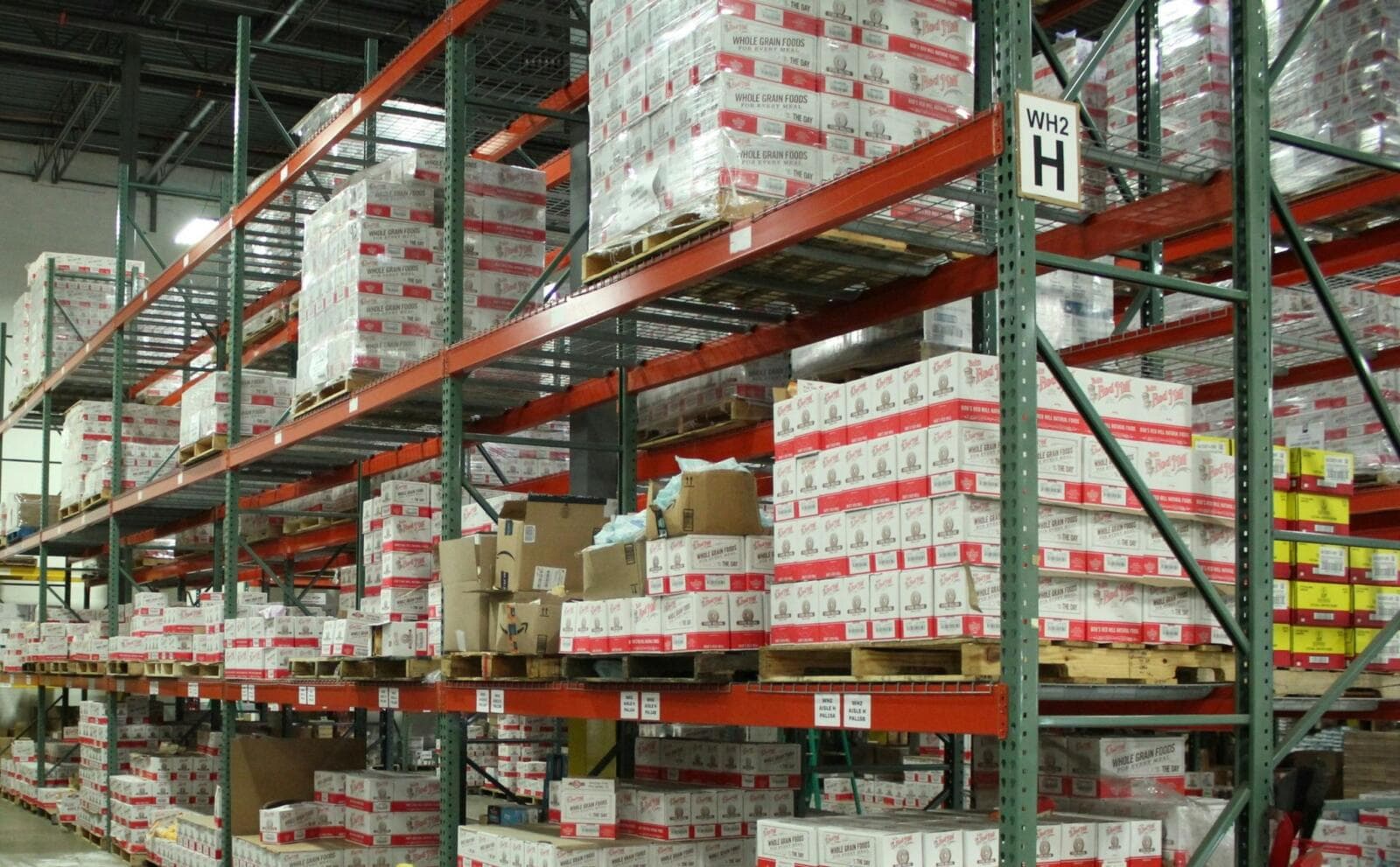
A distributor buys products from a manufacturer or supplier and resells them to retailers, commercial buyers, or end customers. You’re the link between production and the market, often managing stock, logistics, promotion, and after‑sales support in your territory.
Common distribution models include:
- Exclusive - you’re the only distributor for a product in a defined territory or channel.
- Non‑exclusive - you distribute alongside other distributors or the supplier’s own sales team.
- Selective - distribution to certain channels or customer types (e.g. only premium retailers).
The arrangement is typically governed by a written Distribution Agreement setting out your rights, obligations and commercial terms.
Is Becoming A Distributor Right For You?
Distribution can be rewarding - but it’s competitive and capital‑intensive. Before you jump in, pressure‑test your readiness.
- Industry knowledge - Do you understand the market, buyer behaviour and seasonality?
- Demand and channels - Who will you sell to (retailers, B2B, online)? How will you reach them?
- Working capital - Can you purchase stock up front and cover freight, warehousing and credit terms?
- Operational capacity - How will you store, pick/pack, deliver, and handle returns or warranty claims?
- Supplier relationships - Do you have access to products with realistic margins and reliable supply?
If those boxes are ticked - or you’re building towards them - the next step is setting up the business properly from day one.
Step‑By‑Step: How To Become A Distributor In Australia
1) Research The Market And Build A Simple Plan
Start with practical research. Map demand, price points, competitors, and logistics options. Identify your customer profile and ideal territory. A short plan keeps you focused and helps you spot risks early (e.g. tight margins, slow-moving SKUs, or fragile supply chains).
- Products and range - One supplier or multi‑brand? Entry‑level or premium?
- Territory - Local, state, national (or export later)?
- Logistics - Warehousing footprint, freight partners, returns workflow.
- Risk - Stock obsolescence, currency exposure, and supplier dependency.
2) Choose A Business Structure
Pick the structure that matches your risk profile and growth plans:
- Sole trader - quick to set up and low cost, but you’re personally liable for business debts.
- Partnership - two or more people share control and liability (consider a partnership agreement).
- Company (Pty Ltd) - a separate legal entity with limited liability, often preferred by distributors for credibility and asset protection.
If you’re going into business with co‑founders or investors, a Shareholders Agreement helps align ownership, roles and decision‑making from the start.
3) Register Your Business Details
Apply for an ABN and register your business name (unless trading under your personal name). If you incorporate, you’ll also receive an ACN. Set up a dedicated business bank account and basic bookkeeping from day one so you can track stock, margins and cash flow accurately.
4) Lock In Supplier Relationships And Contracts
Your supplier contracts are the backbone of your business. Ensure your Distribution Agreement covers territory, exclusivity (if any), minimum purchase volumes, delivery terms, pricing and rebates, marketing obligations, product warranties, and termination and stock buy‑back mechanics.
If you’ll be offering customer credit, consider how you’ll secure payment risk. Many distributors use retention of title clauses, credit applications, and registering interests on the PPSR (Personal Property Securities Register) to strengthen recovery rights if a customer defaults.
5) Set Your Customer Terms (B2B And/Or B2C)
Clear sales terms help prevent disputes and keep cash flowing. If you sell to retailers or business customers, put in place Terms of Trade covering orders, delivery, risk and title, payment terms, late payment consequences, returns and warranty processes.
If you sell directly to consumers (online or in‑store), use tailored Sale of Goods Terms that work alongside your refund policy and any product‑specific guarantees.
6) Check Licences, Permits And Product Standards
Beyond your ABN and business name, some goods attract additional rules (and penalties for non‑compliance). This is where distributors sometimes trip up. Depending on your product and location, you may need:
- Industry‑specific approvals - alcohol, pharmaceuticals, cosmetics, children’s products, chemicals and electrical items often have strict safety and labelling standards, and licensing or notification requirements.
- Council approvals - for warehousing or distribution premises (zoning, signage, noise, heavy vehicle access).
- Import compliance - customs classification, biosecurity, and tax on imported goods; factor in GST on importation and customs processes in your landed cost.
Always check the rules that apply to your specific product category. Safety standards and recall obligations can apply to distributors, not just manufacturers.
7) Protect Your Brand And Content
Your brand will become valuable as you grow. Consider registering your name or logo as a trade mark, and make sure your marketing assets and customer lists are clearly dealt with in supplier and customer contracts. If you’re using supplier IP (images, brand guidelines), ensure you have written permission.
8) Get Privacy And Website Essentials In Order
If you collect personal information (for example, through online orders or email sign‑ups), consider your obligations under the Privacy Act 1988 (Cth). Many small businesses under the $3 million annual turnover threshold are not “APP entities”, but some still need to comply (for example, certain health service providers, credit reporting bodies, or if you opt‑in). Even when not strictly required, having a clear, compliant Privacy Policy and appropriate collection notices is best practice and often expected by customers and online platforms.
Where you sell online, your website should also include robust Website Terms and Conditions and clear checkout disclosures around pricing, shipping, and refunds.
9) Sort Insurance, GST And Finances
Most distributors consider product liability and public liability insurance, and often transit cover for stock. Register for GST once turnover is expected to exceed $75,000 in a 12‑month period. It’s a good idea to get tailored advice from your accountant on tax, pricing, and inventory systems - these choices affect your margins and cash flow.
10) Build Your Operations And Compliance Rhythm
Set up practical workflows for purchasing, receiving stock, quality checks, storage, order fulfilment, warranty handling and recalls. If you’ll hire staff, use a written Employment Contract and ensure Fair Work compliance for pay, hours, leave and safety. Documenting key processes makes scaling easier and reduces reliance on any one person.
Alternative: Buying A Distribution Business Or Franchise
You might prefer to buy an established distributor or become a franchisee. If so, undertake legal due diligence on supplier contracts, stock, customer accounts, IP, licences, and employment liabilities. Review the sale contract carefully and confirm that key supply agreements are assignable or re‑issuable on completion. If franchising, you’ll need to review the disclosure document and franchise agreement under the Franchising Code of Conduct - don’t sign until you understand fees, territories and termination rights.
Key Laws And Compliance You Must Meet
Several core laws apply to distributors in Australia. Here’s a high‑level overview to help you build a compliant operation from the start.
Australian Consumer Law (ACL)
Distributors must comply with consumer guarantees, warranty handling, safety standards, recall obligations and fair trading rules. Your advertising and claims must not mislead or deceive - see our guide to the elements of misleading or deceptive conduct for what to watch. If you’re not the manufacturer, your agreements should clearly allocate who handles warranty repairs, replacements and recalls - but you can’t contract out of the ACL to end consumers.
Product Safety And Standards
Some goods (e.g. electrical equipment, toys, cosmetics, food and beverages, chemicals) are subject to strict safety standards and mandatory labelling. You may need to verify supplier compliance, keep technical files, and cooperate in product recalls. Build these compliance assurances into your Distribution Agreement and onboarding checklists.
Privacy And Data Protection
Privacy obligations depend on whether you’re an APP entity under the Privacy Act (generally $3m+ turnover, or certain types of small businesses). Many distributors still choose to implement a Privacy Policy, collection notices and internal data handling processes because it’s best practice, reduces risk, and is often required by marketplaces, payment providers and larger B2B customers.
Competition And Exclusive Territories
Exclusivity and selective distribution can be legitimate but should be structured carefully to comply with competition law. Ensure your territory, exclusivity and pricing clauses are legally sound, and avoid conduct that might be considered anti‑competitive or resale price maintenance.
Fair Work And Workplace Safety
If you employ staff, you must follow the National Employment Standards, any applicable awards, and WHS obligations. Use clear role descriptions, onboarding checklists and written employment or contractor agreements to avoid disputes.
Imports, Customs And Tax
If you import goods, ensure correct tariff classification, duty/GST treatment and biosecurity compliance. Factor customs clearance, duties and GST on importation into your landed cost. For tax structuring, GST registration and pricing decisions, it’s sensible to seek advice from your accountant.
What Legal Documents Will You Need?
Every distribution business is different, but these documents are commonly used to manage risk and set clear expectations.
- Distribution Agreement: The core agreement with your supplier setting out territory, exclusivity, minimums, delivery, pricing and rebates, warranties, IP rights, and termination/stock buy‑back mechanics. A well‑drafted Distribution Agreement is foundational.
- Terms of Trade: Your B2B sales contract covering orders, shipping, risk/title transfer, credit terms, late fees, returns and dispute resolution. Use Terms of Trade tailored to your process and industry norms.
- Sale of Goods Terms (B2C): If you sell to consumers, clear Sale of Goods Terms should align with your refund and warranty policy and the ACL.
- Website Terms & Policies: Website terms and a Privacy Policy to cover online ordering, acceptable use, IP, and data collection (noting Privacy Act thresholds and best practice expectations).
- Credit Application & Security: If offering trade credit, a credit application with personal guarantees (if appropriate), retention of title, and PPSR registrations can improve recoveries - see our overview of the PPSR.
- Employment Contracts & Policies: Written Employment Contract for staff and basic policies (leave, WHS, device use) to support compliance and consistency.
- IP And Marketing Licences: Clauses or separate licences confirming how you can use supplier logos, product images and brand guidelines (and what happens when the relationship ends).
- Shareholders Agreement (if applicable): If you have co‑founders or investors, a Shareholders Agreement covering ownership, voting, vesting, exits and dispute resolution.
You may not need all of these on day one, but getting the essentials in place (supplier agreement, sales terms, and basic website/privacy documents) will dramatically reduce risk as you start selling.
Key Takeaways
- Distribution is about more than the product - set up your structure, contracts and compliance early so you can scale with confidence.
- Put a robust Distribution Agreement in place and back it up with practical customer terms (B2B Terms of Trade or B2C Sale of Goods Terms).
- Check product‑specific rules - many goods have extra safety, labelling and licensing requirements that apply to distributors, not just manufacturers.
- Comply with the ACL, especially around refunds, warranties and advertising; avoid misleading or deceptive conduct in your marketing.
- Privacy obligations depend on the Privacy Act threshold and activities; a clear Privacy Policy and data practices are still best practice and often required by platforms and partners.
- Secure your brand with a trade mark, register security interests where appropriate on the PPSR, and use clear Employment Contract documents if you hire staff.
- If buying a distributor or franchise instead of starting from scratch, complete legal due diligence and review all contracts before you sign.
If you would like a consultation on starting your distribution business in Australia, you can reach us at 1800 730 617 or team@sprintlaw.com.au for a free, no‑obligations chat.