
Alex is Sprintlaw's co-founder and principal lawyer. Alex previously worked at a top-tier firm as a lawyer specialising in technology and media contracts, and founded a digital agency which he sold in 2015.
Contents
- Why Do Small Businesses Film In Public (And What Can Go Wrong)?
- Is It Legal To Film People In Public In Australia?
- What Permissions Or Permits Might You Need For Commercial Filming?
- What Contracts And Policies Should Your Business Have?
- Practical Tips To Film Safely (And Still Get The Shot)
- Key Takeaways
Whether you’re shooting a product promo on a busy street, collecting user-generated content, or installing a storefront camera for safety, filming in public can be a powerful tool for small businesses.
But there’s a catch. What’s fine for a casual bystander may not be OK when you’re filming for commercial use, publishing on social media, or capturing audio without consent.
In this guide, we’ll unpack when you can film people in public in Australia, where the legal risks sit, and the simple steps you can take to stay compliant while protecting your brand.
Why Do Small Businesses Film In Public (And What Can Go Wrong)?
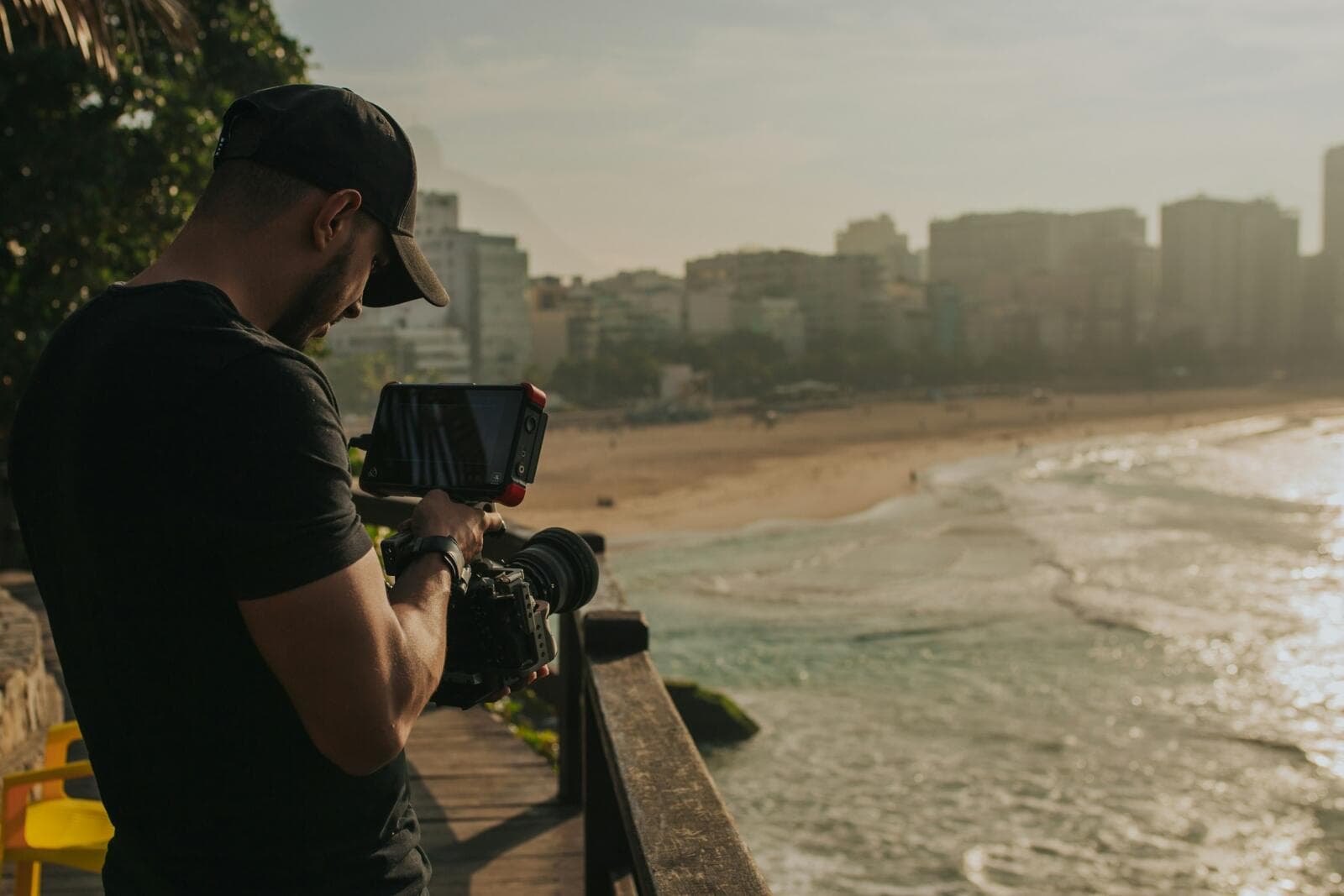
There are lots of legitimate reasons to film in public as a business. You might want street scenes for an ad, testimonials outside your venue, or crowd shots from a market stall or pop-up event.
The risks arise when you publish footage featuring identifiable people, record audio without consent, or imply someone endorsed your brand. You can also run into issues if your filming captures sensitive locations or private activities, or if your CCTV and staff surveillance aren’t set up lawfully.
Common pitfalls include:
- Using someone’s image in advertising without their permission (potential Australian Consumer Law issues if it implies endorsement).
- Recording private conversations by accident (audio laws are stricter than video in many states).
- Non-compliant CCTV signage or workplace surveillance without proper notice to staff.
- Publishing footage that reveals personal information without a lawful basis (privacy risks).
- Filming where a “reasonable expectation of privacy” exists, even if you’re technically in a public area.
Good news: with a little planning and the right documents, you can capture the footage you need and reduce the risk of legal headaches.
Is It Legal To Film People In Public In Australia?
As a general rule, filming visual images of people in public spaces is often lawful in Australia, provided you’re not filming a private activity and you follow other applicable laws. However, laws differ by state and territory and there are important exceptions.
A few key principles to keep in mind:
- Public space is not a free-for-all. If people have a reasonable expectation of privacy (e.g. bathrooms, change rooms, some medical or childcare settings), filming can be illegal even if the camera is technically in a public area.
- Audio recording is treated differently. Surveillance devices laws often restrict recording private conversations without consent, even in public places. If your camera picks up audio, you need to understand these rules.
- Commercial use changes the risk profile. Footage used in ads or promotions can raise different issues to purely editorial or personal use, particularly around consent, consumer law and reputational risk.
If you’re planning a shoot that will feature members of the public in a recognisable way, it’s wise to plan for consent or creative workarounds (e.g. shoot from behind, blur faces, or use extras who sign releases). For a deeper dive on where the line sits and practical strategies, see our overview of filming without permission.
Consent, Privacy And Australian Consumer Law When You Publish Footage
Even if filming is lawful, publishing the footage might be a separate issue. As a business, you’re responsible for how you collect, use and display images of people.
When Do You Need Consent?
Consent is the safest path when a person is identifiable and central to your content-especially for marketing or promotional material. A signed release helps prove that the person agreed to how their image will be used. If you can’t obtain consent, consider blurring, wider shots, or using talent instead of passers-by.
For a broader look at consent scenarios and best practice, head to our guide on photography consent laws.
Privacy Considerations
If your filming captures personal information (names, faces linked to other data, license plates, etc.) and you use it in a way that identifies someone, privacy risks can arise. Many businesses also collect personal information tied to video (for example, combining CCTV with customer records).
If you collect personal information, you’ll likely need a clear Privacy Policy explaining what you collect, why, and how it’s stored and disclosed. Transparent notices (e.g. CCTV signage) and limited retention also reduce risk.
Misleading Endorsement And The ACL
Under the Australian Consumer Law (ACL), you must not mislead consumers. If your footage suggests that a person endorses or is affiliated with your brand when they aren’t, you could face problems. This is a big reason many businesses obtain written releases for marketing content.
Other Publication Risks
- Defamation: Publishing something that harms a person’s reputation can lead to claims, even if it’s an image with a misleading caption.
- Copyright: Public art, music in the background, or third-party video clips can raise copyright issues. Avoid capturing or using copyrighted content without permission, or work with your production team to license what’s needed.
- Children: Filming minors carries extra sensitivity. As a rule of thumb, obtain written consent from a parent or guardian before featuring a child in your content.
Special Rules: CCTV, Workplaces And Phone Recordings
Different filming or recording technologies trigger different rules. Here are areas where small businesses often get caught out.
CCTV For Security
CCTV is common at shopfronts, warehouses and offices-but it’s subject to signage and privacy considerations, and you should avoid recording beyond what’s necessary. If your CCTV captures public areas, be mindful of audio recording (switch it off if you don’t need it) and make sure people know they’re on camera.
For practical guidance on obligations and better practices, see our summary of security camera laws.
Filming Or Monitoring Staff
Workplace surveillance is more tightly regulated. Some states require clear written notice to employees before any surveillance begins, and there are strict rules about where and how you can monitor (e.g. no bathrooms, change rooms). If you’re considering in-store cameras that capture staff, or monitoring company devices, put compliant processes and policies in place.
It also helps to train managers and include surveillance terms in employment paperwork so everyone understands what’s in place and why.
Phone And Audio Recording
Recording a phone call or private conversation usually requires consent, and the rules vary across states and territories. If you capture voice in public (e.g. a mic on your camera), you could inadvertently record a private conversation. When in doubt, switch off audio or get consent.
Start with our business-friendly overview on whether it’s legal to record a phone call, and check the state-based rules like the NSW recording laws if your operations are in that jurisdiction.
What Permissions Or Permits Might You Need For Commercial Filming?
Businesses filming in public often need approvals beyond individual consent-especially for structured shoots (tripods, lighting rigs, blocking access) or sensitive locations.
Consider the following, depending on your shoot:
- Council Permits: Many local councils require a permit for commercial filming in public spaces, even for small productions. The process and fees vary.
- Location Owner Permission: If you’re filming on or into private property (e.g. inside a shopping centre, café frontage, private car park), obtain written permission from the owner or manager-often via a location release.
- Traffic, Footpath Or Event Approvals: If your setup affects public access, you may need traffic management approvals or event permits.
- Insurance: Public liability insurance is commonly required to secure filming permits. It’s also good risk management if you’re working around the public.
If a council or property owner asks for documentation, they’ll usually want proof of insurance and a clear description of your shoot (crew size, equipment, dates, and the areas affected).
What Contracts And Policies Should Your Business Have?
Having the right paperwork turns filming from risky to routine. The following documents help set expectations, manage consent and reduce disputes.
- Talent/Media Release: A written permission from individuals to use their image, voice or performance for defined purposes. It should cover the scope of use (e.g. social media, ads, website), duration and territories.
- Location Release: Permission from the property owner or manager to film on location, including times, areas, responsibilities (e.g. restoration), and indemnities. If you need a template tailored to Australian practice, consider a Location Release.
- Privacy Policy: If you collect personal information via filming (or alongside it), publish and maintain a compliant Privacy Policy explaining your data handling.
- Production Agreement: If a third-party videographer or agency is involved, set out IP ownership, deliverables, timelines, and approvals. Make sure your business owns or licenses the footage for your intended uses.
- CCTV/Workplace Surveillance Notice: If you use cameras at your premises, provide the right notices to staff and visitors, and keep a written policy describing how footage is used and stored.
- Website Terms & Conditions: If you publish videos or accept user-generated content, have clear site rules on rights, takedowns and acceptable use (for example, your website terms and conditions).
If your shoot will feature people in the foreground, it’s also worth planning shot lists and consent flows so your crew consistently collects signed releases. This process discipline will save a lot of editing time later and help avoid takedowns.
Practical Tips To Film Safely (And Still Get The Shot)
- Plan your frame. Wide shots, back-of-head angles or selective focus can reduce identification risks when consent isn’t practical.
- Control your audio. If you don’t need sound, turn it off to avoid accidental audio capture of private conversations.
- Use clear signage. For CCTV and in-store filming days, let people know cameras are operating.
- Organise releases early. Brief your crew on when to get releases, and store them with your campaign or project files.
- Keep a content register. Track who appears in what, where releases are stored, and any restrictions (e.g. “no paid ads,” “credit required”).
- Check state rules. Recording laws vary-especially for audio-so align your workflow with local requirements and seek advice for complex shoots.
If you’re setting up a broader filming program (regular street vox pops, recurring events, or always-on CCTV), it’s smart to formalise your approach with policies and training. Our team can help you design streamlined, compliant processes so filming becomes a low-risk routine rather than a last-minute scramble.
FAQs: Quick Answers To Common Filming Questions
Can I film crowds in a public place and use the footage in my ads?
It’s often possible to capture background crowd shots; however, if individuals are recognisable and featured, obtain releases or blur faces. Avoid implying endorsement without consent and check venue/council rules for commercial filming.
Do I need permission to film outside my shop?
You may not need permission to film from your own premises onto a public street, but council rules for commercial filming can still apply (especially if you set up equipment on footpaths). If you capture people clearly, aim for consent or keep them incidental.
Are dashcams or bodycams different?
They raise similar issues to CCTV and audio recording. Be mindful of recording private conversations and how you publish or share footage. If you’re using these devices commercially, establish clear policies and signage where appropriate.
What about filming staff at work?
Workplace surveillance is subject to strict rules and notice requirements. Make sure you comply with your state’s surveillance laws, provide written notice, and don’t film in prohibited areas.
Key Takeaways
- Filming people in public is often lawful in Australia, but commercial use brings extra obligations around consent, privacy and consumer law.
- Audio is treated differently to video-state recording laws can restrict capturing private conversations without consent, even in public settings.
- For marketing or promotional use, a signed release is the safest way to use identifiable images of people.
- CCTV and workplace surveillance require clear notices, sensible retention, and compliance with state rules.
- Council permits and location permissions may be needed for commercial shoots, especially if equipment impacts public access.
- Put strong foundations in place: use a Privacy Policy, obtain releases, and document who owns the footage and how it can be used.
If you’d like a consultation on filming people in public for your business, you can reach us at 1800 730 617 or team@sprintlaw.com.au for a free, no-obligations chat.