
Alex is Sprintlaw's co-founder and principal lawyer. Alex previously worked at a top-tier firm as a lawyer specialising in technology and media contracts, and founded a digital agency which he sold in 2015.
Contents
Running a commercial window cleaning business can be a great way to build reliable, repeat work with offices, strata buildings, retail centres and industrial sites. But it’s also one of those industries where a “small” job can turn into a big problem if the legal groundwork isn’t right.
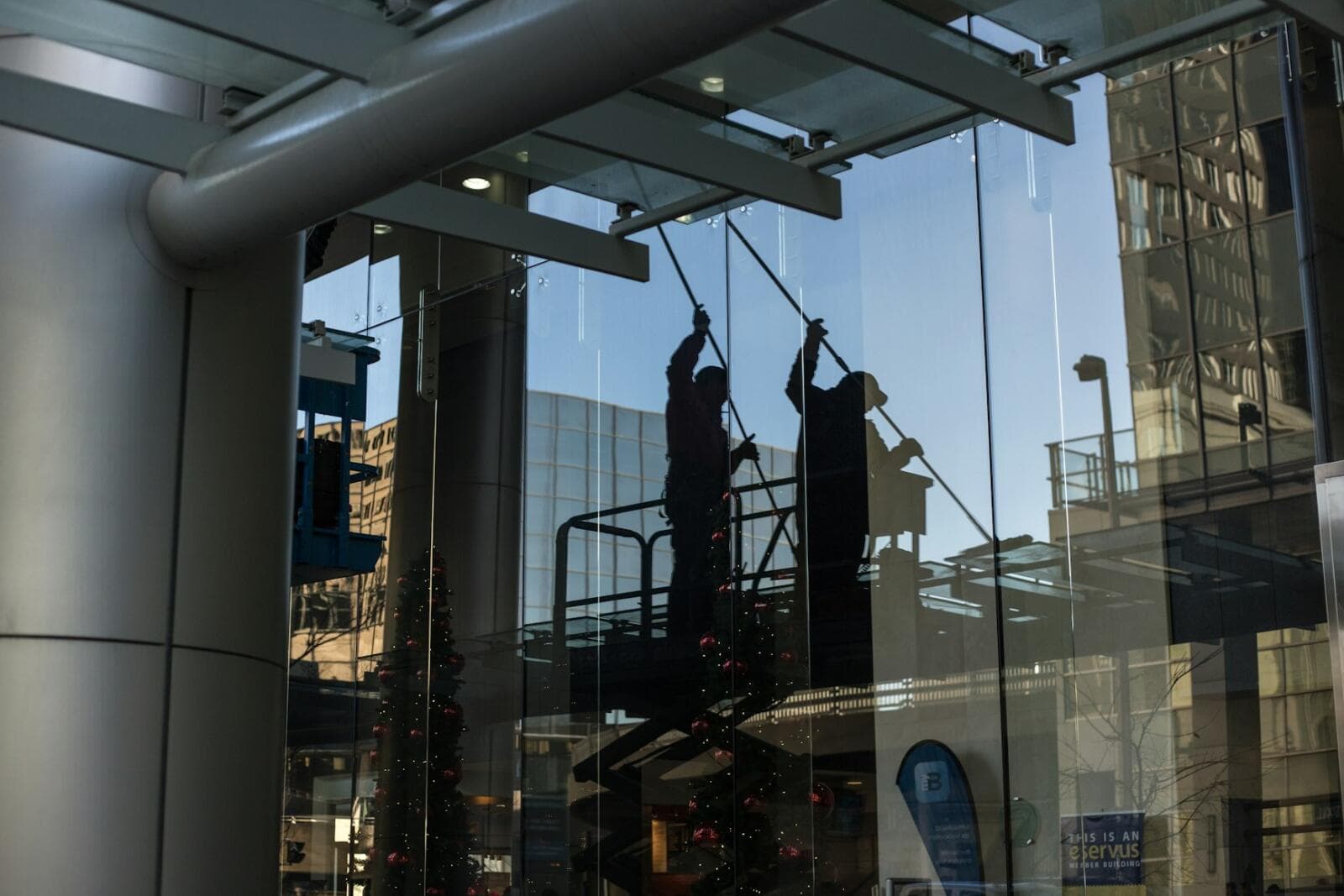
You’re often working at height, on someone else’s property, around members of the public and staff, and (in many cases) outside business hours. That means your risk profile is higher than many other service businesses, and your contracts and safety systems need to match that reality.
Whether you’re starting out or scaling up, this guide breaks down the legal essentials for commercial window cleaning in Australia, including the contracts you should have in place, how liability can arise, and what safety compliance looks like in practice.
What Counts As Commercial Window Cleaning (And Why It Matters Legally)?
Commercial window cleaning generally refers to cleaning windows and glass surfaces for business or commercial premises, including:
- office buildings and co-working spaces
- shopping centres and retail stores
- strata complexes and common areas
- schools, medical centres and aged care facilities
- warehouses and industrial sites
- construction sites (builders cleans and handover cleans)
The “commercial” part matters because these jobs often involve:
- higher safety risks (working at height, traffic management, plant and equipment, public access areas)
- more complex site rules (inductions, permits to work, security clearances, after-hours access)
- more parties involved (facility managers, strata managers, builders, tenants)
- more contractual requirements (purchase orders, service levels, reporting, insurance certificates)
In other words: the legal side isn’t just “nice to have”. It’s often the difference between getting paid smoothly and getting stuck in a dispute you didn’t see coming.
Where Liability Can Arise In Commercial Window Cleaning
When people think about liability, they often focus on “What if someone slips?” That is a risk, but it’s only one part of the picture. In commercial window cleaning, liability often comes from a mix of property damage, personal injury, contract disputes and safety compliance failures.
1. Property Damage (Glass, Frames, Facades And Fit-Outs)
Commercial jobs can involve fragile glass, specialty coatings, high-end frames, signage and building facades. Damage disputes commonly happen when:
- abrasive tools scratch glass or coatings
- chemicals stain surfaces or corrode frames
- water ingress causes internal damage
- equipment knocks over items inside a tenancy
A clear scope of works, exclusions, and a sensible process for reporting pre-existing damage can reduce disputes dramatically.
2. Personal Injury (Workers, Staff, Tenants Or The Public)
In a commercial environment, your work might impact:
- your own employees or subcontractors
- building staff and tenants walking through your work area
- members of the public (especially in retail spaces)
Slip hazards, falling objects, ladder failures, and working near traffic or loading docks can all create exposure. This is why your safety systems and insurance arrangements should match the type of sites you service.
3. Access And Security Issues
Commercial window cleaning often involves keys, swipe cards, alarm codes, and after-hours entry. If something goes wrong (lost keys, alarm triggered, access used outside authorised hours), it can quickly become a contractual and reputational issue.
Make sure your contract and your internal procedures cover access conditions, key handling, and who bears the cost if re-keying or security call-outs occur.
4. Payment Disputes (Scope Creep, Variations And “That’s Not What We Ordered”)
Commercial clients often run on purchase orders, procurement policies, and strict invoice rules. Common payment issues include:
- the client expecting “extras” (like internal glass, partitions, skylights) that weren’t quoted
- site access delays pushing out the job, but no one agreeing to variation costs
- the client withholding payment due to a complaint (even if the complaint is unrelated)
This is where a proper service agreement and a clear quote/acceptance process can protect your cash flow.
What Contracts Should A Commercial Window Cleaning Business Have?
If you want your commercial window cleaning business to scale sustainably, contracts are one of your most important tools. They help you:
- define the scope clearly (and avoid scope creep)
- set payment terms that support cash flow
- allocate risk sensibly (damage, delays, access issues)
- avoid misunderstandings about safety responsibilities on-site
- handle disputes without everything becoming personal or “he said, she said”
1. Client Agreement / Terms Of Service
For most operators, this is the core document. It can be a master agreement for ongoing jobs (weekly/monthly), or a shorter form for one-off cleans.
A tailored Service Agreement typically covers:
- scope of services (what’s included, what’s excluded, what “completion” means)
- site conditions (access, inductions, permits, escorts, after-hours requirements)
- variations (how extra work is approved and charged)
- fees and payment terms (invoice rules, due dates, late fees, suspended services for non-payment)
- damage reporting (timeframes to report issues, exclusions for pre-existing defects)
- WHS and cooperation obligations (who provides site information, what you require from the client)
- termination (notice periods for ending ongoing arrangements)
Commercial clients may also insist on using their own contract. If that happens, it’s worth reviewing it carefully because those documents can shift risk onto you in ways that aren’t obvious at first glance.
2. Limits On Liability (Without Overpromising What You Can’t Control)
Many commercial window cleaning businesses are asked to “guarantee” outcomes that are affected by factors outside your control, such as permanently etched glass, hard-water staining, failed seals, or oxidised frames.
This is where carefully drafted contract terms matter, including how you describe results and what you exclude. It can also be important to understand limitation of liability clauses so you can manage risk in a way that’s commercially realistic (and not accidentally unenforceable).
Practical tip: your marketing and your contract should match. If your website promises “streak-free perfection every time” but your contract says results depend on glass condition, you’ve created unnecessary friction.
3. Subcontractor Agreements (If You Use Other Cleaners)
As you grow, it’s common to bring on subcontractors for overflow work, regional jobs, or specialist high-access tasks. The risk is that, without a proper contract, you can end up with:
- inconsistent quality standards
- unclear responsibility for damage or complaints
- confidential client details being reused or approached directly
- confusion over who supplies equipment, chemicals, PPE and insurance
A strong Sub-Contractor Agreement can set expectations around:
- scope of work and quality standards
- safety requirements and site rules
- insurance obligations (and providing certificates of currency)
- non-solicitation / protecting your client relationships
- payment terms and invoicing
4. Employment Contracts And Workplace Policies (If You Hire Staff)
If you hire employees (full-time, part-time or casual), you’ll want a proper Employment Contract in place to set clear expectations on duties, hours, pay, probation, confidentiality, and termination.
Just as importantly, window cleaning comes with serious safety obligations. Having written Workplace Policy documents can support your training, safety expectations, and disciplinary processes if unsafe behaviour occurs.
Even if you mainly use contractors, you should still think carefully about worker classification, because misclassification can create legal and tax risks.
Safety And Compliance: What You Need To Get Right (Especially Working At Height)
Commercial window cleaning is a high-risk service category because it often involves working at height, operating near edges, using ladders or elevated work platforms, and controlling hazards in public areas.
In Australia, workplace health and safety laws are largely state and territory-based, but the underlying duties are similar: you must take reasonable steps to ensure health and safety for workers and others impacted by your work.
1. Risk Assessments And Safe Work Method Statements (SWMS)
For certain higher-risk activities (including many working-at-height tasks), you may need a Safe Work Method Statement (SWMS). The exact trigger can depend on what you’re doing and which state or territory you’re operating in. Even where it’s not strictly required, documenting your approach is a practical risk-management step.
A strong process usually includes:
- site-specific hazard identification (edges, fragile roofs, traffic, pedestrians)
- control measures (exclusion zones, signage, spotters, fall protection)
- equipment checks (ladders, ropes, poles, anchors, harnesses)
- emergency response plan (rescue considerations if working at height)
Many commercial sites will ask for your SWMS before they approve access. If you can’t provide it quickly, you may lose the job.
2. Site Inductions, Permits And Client Coordination
Commercial clients often require:
- site inductions before work begins
- permits to work (especially for height work, roof access, or after-hours work)
- evidence of training and competency
- sign-in/out and supervision requirements
This is a key point where legal risk and practical operations overlap. Your contract should explain that you’ll comply with reasonable site requirements, but also clarify what happens if access is delayed or the site isn’t ready (for example, if you turn up and can’t commence work).
3. Chemical Handling And Environmental Considerations
Even if your business uses “standard” cleaning chemicals, you still need to manage hazards properly, including:
- safe storage and labelling
- using Safety Data Sheets (SDS) where required
- ensuring workers use PPE properly
- preventing chemical run-off or damage to landscaping / surfaces
If you work in sensitive environments (medical centres, food preparation areas, childcare), you may also have additional client-imposed rules around chemical use and hygiene standards.
4. Documenting Training And Competency
From a risk-management perspective, it’s helpful to keep records of:
- working at heights training (where relevant for the tasks performed, and to meet any site/client requirements)
- equipment training (EWPs, harness systems, ladder safety)
- incident reporting and corrective actions
- client-specific induction completion
If something goes wrong, good documentation can help you demonstrate that your business took safety seriously and had systems in place.
Quotes, Ongoing Services And Australian Consumer Law (ACL)
Commercial clients still receive legal protections, and your business still has obligations when you advertise, quote and deliver services.
One of the biggest compliance traps is making statements about your services that can’t be supported. Under the Australian Consumer Law (ACL), businesses must not engage in misleading or deceptive conduct, including under section 18 of the Australian Consumer Law.
Be Careful With Marketing Claims
In commercial window cleaning, “marketing claims” can include statements like:
- “We remove all stains and scratches”
- “Guaranteed results on all glass types”
- “No disruption to your business operations”
You can still market confidently, but try to keep claims accurate and, where needed, qualified. If results depend on glass condition, access, weather, or site constraints, say so.
Make Your Quote And Scope Crystal Clear
To reduce disputes, your quotes should spell out:
- areas included (internal/external glass, frames, tracks, skylights, balustrades)
- frequency (one-off vs ongoing schedule)
- assumptions (safe access available, water points available, client to provide access/keys)
- exclusions (stain removal, scratch repair, seal failure, construction debris removal unless specified)
- variation rates (hourly rate or per-panel rate for extra work)
If you’re tendering for larger sites, it can also help to include service levels (for example, response times for rectification) so expectations are set from day one.
Set Payment Terms That Work In The Real World
Many commercial clients have payment cycles (14, 30, even 45+ days) and strict invoice requirements. Your agreement should cover:
- when invoices are issued (on completion, weekly, monthly)
- when payment is due
- what happens if payment is late
- whether you can pause services for non-payment (especially for ongoing contracts)
Getting these basics right early can prevent the “we did the work but can’t get paid” situation that drains small businesses.
Insurance, Procurement And Practical Risk Management
Contracts and safety systems are essential, but commercial clients will also expect you to operate like a professional supplier. That often means being ready for procurement questions and insurance requests.
Common Insurance Requests
While insurance needs vary, commercial clients commonly ask for:
- public liability insurance (to cover injury/property damage claims)
- workers compensation (generally required if you have employees; requirements can vary by state and by arrangement, and some principals may also require evidence of coverage for contractors they engage)
- professional indemnity insurance (less common, but may be requested for certain facilities contracts)
Your contract should align with your insurance. For example, if a client contract requires you to accept unlimited liability, but your policy caps cover, you could be exposed personally if something goes wrong.
Procurement-Friendly Systems
To win and retain larger commercial clients, it helps to have:
- a simple onboarding pack (insurance certificates, SWMS templates, company details)
- a consistent contract (or at least consistent terms)
- clear invoicing and reporting processes
- a documented incident/complaints process
This is also where having your legal documents standardised can save time. Instead of renegotiating your terms on every job, you have a baseline position that protects you and still feels fair to the client.
Key Takeaways
- Commercial window cleaning often involves higher-risk works (like working at height and public-area hazards), so your legal and safety systems need to be stronger than a typical service business.
- Liability can arise from property damage, personal injury, access/security issues and payment disputes, not just slip hazards.
- A well-drafted Service Agreement helps define scope, manage variations, set payment terms, and allocate risk clearly.
- If you use other cleaners, a Sub-Contractor Agreement can protect quality standards, safety compliance and your client relationships.
- If you hire staff, an Employment Contract and clear Workplace Policy documents support compliance and consistent expectations.
- Be careful with advertising and quoting-ACL rules (including section 18) can apply if statements about your services are misleading or can’t be backed up.
If you’d like legal help setting up your commercial window cleaning contracts, reviewing a client’s contract, or putting the right safety and compliance documents in place, reach out to Sprintlaw on 1800 730 617 or team@sprintlaw.com.au for a free, no-obligations chat.