
Alex is Sprintlaw's co-founder and principal lawyer. Alex previously worked at a top-tier firm as a lawyer specialising in technology and media contracts, and founded a digital agency which he sold in 2015.
Contents
Leasing out space isn’t always the best fit. If you’re running a pop‑up, sharing part of your office, licensing a kiosk, or letting someone use land for a short period, a property licence agreement can give you the flexibility you need without handing over the rights that come with a lease.
That said, the difference between a licence and a lease matters. If an arrangement is drafted or managed the wrong way, you might accidentally grant a lease with stronger legal rights than you intended.
This guide explains what a property licence agreement is, how it differs from a lease, when to use one, and the key clauses to include. We’ll also walk through compliance and risk issues so you can put an agreement in place confidently and avoid disputes later.
What Is a Property Licence Agreement?
A property licence agreement is a contract that allows someone (the licensee) to use or occupy part of a property owned or controlled by another party (the licensor) on specific terms. It gives permission to use the space, but it does not grant an interest in land.
Common scenarios include:
- Pop-ups, kiosks and casual mall leasing
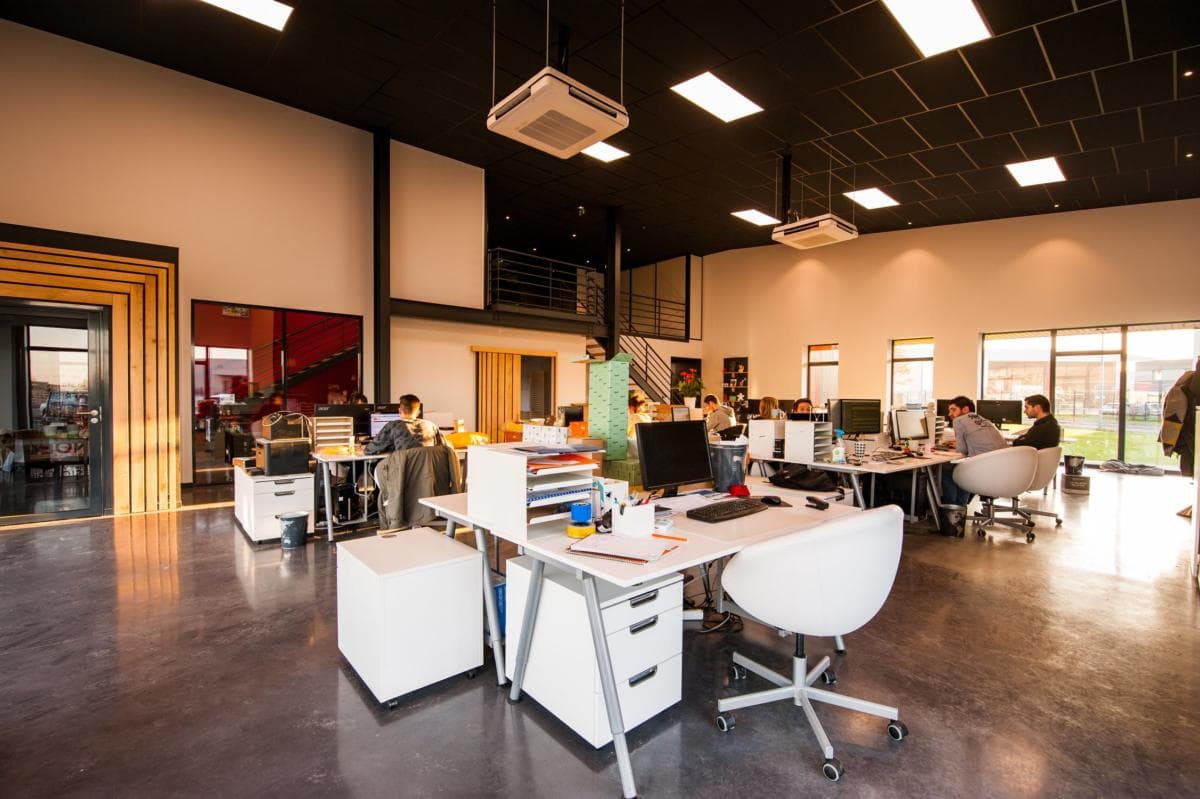
- Short-term or shared office and warehouse use
- Event spaces, exhibitions and temporary activations
- Market stalls, food trucks or seasonal trading areas
- Car spaces, shared amenities, or access rights over land
Because licences are typically more flexible than leases, they’re often used for shorter, lower‑commitment arrangements or where the owner wants to retain day‑to‑day control of the premises.
Licence vs Lease: How Do They Differ?
At a high level:
- Lease: Usually grants the occupier exclusive possession of defined premises for a term, often in exchange for rent. This creates a property right and is regulated by tenancy and retail leasing laws.
- Licence: Grants contractual permission to use the premises on stated terms, without exclusive possession. It’s a personal right between the parties, not a property interest.
Exclusive possession is the key idea. If the occupier can treat the space like their own and exclude others, a court may find a lease exists regardless of what the document is called. Careful drafting and day‑to‑day management (for example, shared access and clear house rules) help maintain the arrangement as a licence.
If your arrangement looks more like retail leasing, be aware that legislation such as the Retail Leases Act (NSW) and similar state frameworks may apply. Where you do need a formal lease, working with a commercial lease lawyer is the safer path.
When Should You Use a Property Licence Agreement?
A licence can be the right choice when you want to:
- Allow short-term or seasonal use without committing to a long lease
- Share areas (like desks, kitchens or meeting rooms) with multiple businesses
- Run a pop‑up or temporary activation while keeping operational control
- Grant access to specific facilities, paths, loading docks or parking bays
- Host events or filming where you need tight rules around hours and conduct
For example, if you plan to open a three‑week pop‑up in a boutique retail space, a licence lets you occupy only the area and hours you need, with clear rules and a defined exit. If you’re licensing desks in a coworking environment, a focussed Property Licence Agreement (Shared Workspace) can set expectations around access, behaviour, utilities and shared facilities.
How To Create a Property Licence Agreement
You don’t need a complex document to start, but the right terms make a big difference if things go wrong. Here’s a practical structure to follow.
1) Identify the Parties and the Premises
Clearly name the licensor and licensee (including ACN/ABN if applicable). Describe the licensed area precisely: site address, level, room names, boundaries or a plan in a schedule. If only part of the property is included, say so and attach a plan.
2) Define the Scope of Use
Spell out what the licensee can do in the space and what’s off‑limits.
- Permitted purpose (e.g. “temporary retail display and sales”)
- Access rights, days/hours and any blackout periods
- Shared facilities included (bathrooms, kitchen, car spaces) and any restrictions
- No exclusive possession, no sub‑licensing and no assignment
- Fit‑out, signage and alteration limits, including consent requirements
Avoid lease‑style language such as “exclusive possession”, “tenant” or “rent”. Use terms like “licence”, “licensee” and “licence fee”.
3) Set Fees and Payment Terms
State the licence fee (once‑off, weekly or monthly), due dates, method of payment, security deposit (if any), and what happens on late payment. If you intend to pass on utilities, cleaning or security, itemise how these are charged.
Licensing income may be subject to GST depending on your situation. The agreement can set out how GST is handled, but specific tax settings should be checked with your accountant.
4) Duration, Extensions and Ending the Arrangement
Include a start date and either a fixed end date or a rolling arrangement with a clear notice period. Add practical early‑ending rights such as breach, safety issues, insolvency or redevelopment.
While licences are often easier to end than leases, that depends on the wording and how the arrangement operates in practice. If you want flexibility, make the notice periods and breach remedies explicit.
5) Responsibilities, Insurance and Safety
Set out day‑to‑day obligations and risk allocation, for example:
- Reasonable care of the licensed area and prompt notice of damage
- Compliance with health and safety rules and emergency procedures
- Public liability insurance and proof on request; contents cover where relevant
- No nuisance, illegal activity or hazardous materials
- Indemnities for loss arising from the licensee’s use, to the extent permitted by law
6) Access, Interference and House Rules
Reserve the licensor’s right to access the area for inspections, repairs and emergencies, and to move the licensee to a comparable area if needed (use carefully and define limits). Attach house rules as a schedule so they’re easy to update.
7) Disputes and Practical Wrap‑Up
Include a simple dispute pathway (for example, good‑faith discussion, then mediation). Add vacate obligations on expiry: remove belongings, make good reasonable damage, return keys and security passes, and settle any final charges.
Do We Have to Sign It?
A licence can be formed verbally or by conduct, but relying on that is risky. A written agreement signed by both parties gives certainty about the terms and helps avoid disputes. If you’re executing as a company, it’s worth checking the legal requirements for signing documents to ensure the agreement is enforceable.
Electronic signatures are widely used in Australia. Whether you sign digitally or on paper, make sure the method captures intent to be bound and that authorisation is clear. For context on methods, see our overview of wet‑ink vs electronic signatures.
Compliance and Risk: What Else Should You Cover?
Your licence document is one part of the picture. Consider the broader legal and practical settings around your arrangement.
Business Structure and Naming
Think about the right vehicle to contract under (sole trader, partnership or company). Your choice affects risk and how you contract with others. If you’re weighing up using a business name versus a company entity, this quick overview of business name vs company name provides helpful context.
Planning, Use and Local Requirements
Ensure the planned use is permitted at the site (zoning, development consent conditions, centre rules). Shopping centres and commercial buildings usually have house rules and operational manuals - align your licence with those and reference them in the schedules.
Insurance
Public liability is a common prerequisite for any arrangement that involves customers or the public. Check policy limits, name the licensor as an interested party where appropriate, and confirm that any higher‑risk activities are covered.
Tax and GST
Licence fees may be a taxable supply and attract GST depending on your registration status and the nature of the supply. Include a clear GST clause, issue valid tax invoices where required, and coordinate with your accountant on BAS and reporting. This is general information only - your tax position depends on your circumstances.
Work Health and Safety (WHS)
Both parties have duties to maintain safe premises and manage risks (think emergency access, electrical safety, capacity limits and incident reporting). Make responsibilities clear in the agreement and your house rules.
Privacy and Data
If you collect personal information from licensees or their customers (for example, for access passes or contact details), you’ll need a compliant Privacy Policy and appropriate data handling practices.
Retail Leasing Risk
If your setup looks and operates like a retail tenancy (especially with exclusive possession of a retail shop for a term), retail leasing laws may apply regardless of the label on your document. In those cases, consider moving to a lease and getting help from a commercial lease lawyer to stay compliant.
What Legal Documents Will You Need?
Not every arrangement needs every document, but these are the usual suspects for a smooth licence setup.
- Property Licence Agreement: The core contract setting out the licensed area, permitted use, fees, term, access, insurance, risk allocation and exit obligations. If you want a head start or a tailored option, our Property Licence Agreement service can prepare terms that fit your exact scenario.
- Schedules and House Rules: Plans, photos, inventory lists, building rules and operational manuals - attach these so the practical details are clear and enforceable.
- Insurance Certificates: Evidence of public liability (and contents insurance if relevant) meeting the required limits.
- Fit‑Out and Signage Guidelines: If any branding or temporary works are allowed, include specs, approvals processes and make‑good requirements.
- Privacy Policy: If you collect personal information as part of onboarding, access control or marketing, a current Privacy Policy is essential.
- Incident and Safety Procedures: Simple checklists for emergency access, capacity limits, reporting and first aid - keep them concise and attach as a schedule.
If you later decide a lease is more appropriate, the conversation changes - things like security of tenure, options to renew and statutory disclosure may kick in. That’s the point to engage a commercial lease lawyer to reduce risk and paperwork headaches.
Practical Tips to Avoid Common Pitfalls
- Use licence language consistently and avoid wording that implies exclusive possession.
- Define the area precisely and attach a plan - ambiguity causes most disputes.
- Be specific about access times, shared areas and any blackout dates.
- Require evidence of insurance before access is granted and diarise renewal dates.
- Keep house rules in a schedule so you can update them (with notice) without rewriting the agreement.
- Manage the arrangement day‑to‑day as a licence - retain keys, share access and conduct inspections in line with the contract.
- Sign properly - check company execution blocks and, if signing digitally, follow the practices outlined in our guidance on wet‑ink vs electronic signatures.
Key Takeaways
- A property licence agreement grants permission to use space without creating a lease or an interest in land.
- The lease vs licence line turns on exclusive possession - careful drafting and management help keep your arrangement as a licence.
- Core terms to cover include the licensed area, permitted use, fees, duration and exit, access rights, insurance, safety and indemnities.
- Align your agreement with planning rules, building policies, WHS duties, insurance and (where applicable) GST - coordinate with your accountant on tax settings.
- Use clear schedules (plans, house rules, procedures) and ensure the agreement is properly signed; digital signing is acceptable when done correctly.
- If the arrangement looks like a retail tenancy, consider whether retail leasing laws apply and whether a lease is the better vehicle.
If you’d like a consultation on creating a property licence agreement that suits your space and risks, you can reach us at 1800 730 617 or team@sprintlaw.com.au for a free, no‑obligations chat.