
Alex is Sprintlaw's co-founder and principal lawyer. Alex previously worked at a top-tier firm as a lawyer specialising in technology and media contracts, and founded a digital agency which he sold in 2015.
Contents
- What Does A Distribution Company Do?
Step-By-Step: How To Set Up A Distribution Company In Australia
- 1) Research Your Market And Plan Your Model
- 2) Choose A Business Structure
- 3) Register Your Business Details
- 4) Check Permits And Industry Rules (There’s No “One” Licence)
- 5) Put Your Core Contracts In Place
- 6) Set Up Operations, Systems And Insurance
- 7) Stay On Top Of Compliance (Including GST And Payroll)
- What Legal Documents Should A Distributor Have?
- Do I Need To Register My Distribution Business As A Company?
- Key Takeaways
Launching or partnering with a distribution company can be a smart way to grow your brand, open new sales channels and scale across Australia. But success in distribution isn’t just about moving stock quickly - it’s about setting up the right structure, negotiating clear agreements and staying compliant with the laws that apply to the goods you handle and the customers you serve.
If you’re exploring a distribution model - whether as a manufacturer appointing distributors, a wholesaler in the middle, or a business building its own distributor network - this guide walks you through the key legal steps and documents to get right from day one.
What Does A Distribution Company Do?
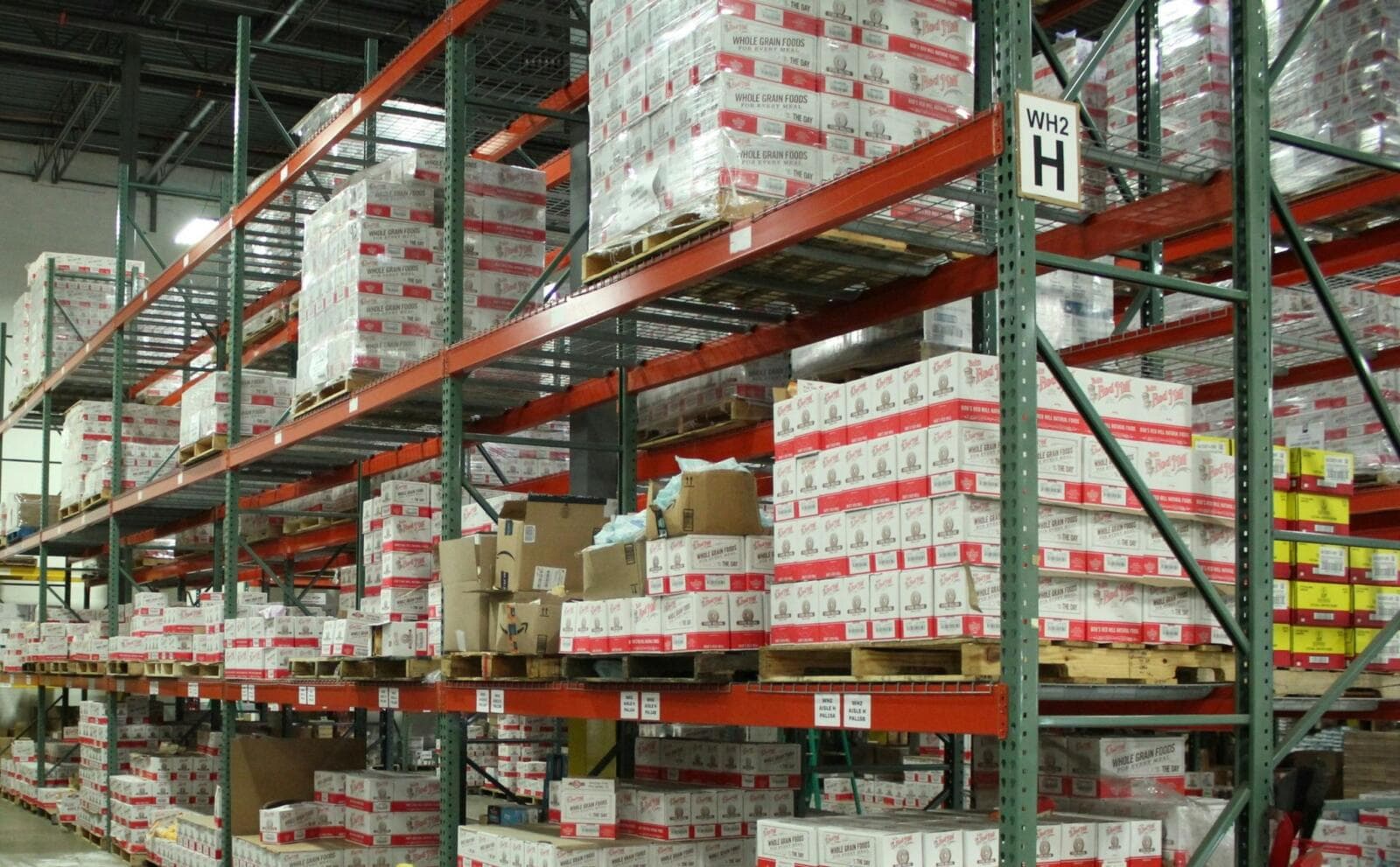
In a typical arrangement, a distributor buys products from a manufacturer or supplier, holds inventory, and resells to retailers or other business customers. In some cases, the distributor also sells directly to end consumers (for example, through an online store or showroom).
Distribution models vary widely. Some businesses operate as exclusive distributors for a single brand in a defined territory; others carry a broader range of complementary lines across multiple states. You might focus on local markets or act as a national hub for multiple suppliers.
Across these variations, the commercial engine is the same: reliable supply, clear commercial terms, and efficient logistics - all underpinned by the right legal foundations.
Step-By-Step: How To Set Up A Distribution Company In Australia
1) Research Your Market And Plan Your Model
Map your supply chain and target customers. Consider product demand, price points and margins, how you’ll differentiate from other distributors, and the logistics required (storage, handling, transport and returns).
It’s worth identifying practical risks early - for example, credit risk from retailers, stock obsolescence, and transport delays - so your contracts and processes can manage them.
2) Choose A Business Structure
Your structure affects liability, tax and credibility with suppliers and retailers:
- Sole trader: Simple and low-cost, but you’re personally responsible for business debts and claims.
- Partnership: Two or more people share profits and responsibilities. A written partnership agreement is important to set out roles and exits.
- Company (Pty Ltd): A separate legal entity that can limit personal liability and make it easier to bring on co-founders or investors. Many distributors opt for a company as they scale. If you’re leaning this way, look at a complete Company Set Up and a fit-for-purpose Company Constitution.
If you’re unsure which option is best for your goals and risk profile, getting tailored advice early can save you costly changes later.
3) Register Your Business Details
- Obtain an ABN and register a business name if you aren’t trading under your personal name.
- If you set up a company, you’ll be issued an ACN and need to keep your company records and registers up to date.
- Consider brand protection - lining up your trade mark registration (name, logo or product brands) helps protect your reputation as you expand.
4) Check Permits And Industry Rules (There’s No “One” Licence)
There isn’t a generic import/export or distribution licence in Australia. Instead, your requirements depend on what you sell and where it’s sourced. Common examples include:
- Local council approvals for warehousing and logistics premises (zoning, operating hours, signage, heavy vehicle access).
- Product-specific approvals (for example, alcohol, therapeutic goods, chemicals, or food regulatory requirements).
- Import controls and biosecurity for certain goods (permits, safety standards, or labelling obligations). These are product-specific and handled through border and biosecurity authorities - not a one-size-fits-all licence.
If you import goods, factor in classification, customs clearance and GST at the border. For planning purposes, it’s helpful to understand GST on importation.
5) Put Your Core Contracts In Place
Distribution is contract-heavy. Before you trade, set clear terms with suppliers and customers. Depending on your model, you might use a dedicated distribution agreement, a Supply Agreement and/or a Reseller Agreement, plus standard customer terms and credit application terms if you offer accounts.
Good contracts clarify exclusivity and territories, pricing, minimum orders, quality controls, delivery and risk transfer, returns, warranties, IP use, credit and security, and termination rights. They also allocate who handles product recalls and regulatory notifications if something goes wrong.
6) Set Up Operations, Systems And Insurance
- Secure warehousing that suits your goods (temperature control, hazardous storage, or security if needed) and align your logistics partners.
- Implement inventory, order management, and credit control processes aligned with your contracts.
- Arrange suitable insurance (public/product liability, transit, property and cyber as relevant) as part of your risk management approach.
7) Stay On Top Of Compliance (Including GST And Payroll)
Monitor turnover for GST registration (mandatory at $75,000+ projected or actual turnover) and keep accurate records for BAS and income tax. If you hire staff, ensure payroll, superannuation and leave entitlements are correct. Tax settings can change - speak with your tax adviser or accountant to confirm your GST, income tax and payroll obligations for your business.
What Laws Apply To Distribution Companies In Australia?
Business Registration And Company Law
If you operate through a company, you must comply with the Corporations Act and ASIC requirements (for example, director duties, record-keeping and notifications of changes). All businesses must manage accurate invoicing and tax reporting and use a valid ABN.
Australian Consumer Law (ACL) And Fair Trading
The Australian Consumer Law applies to how you market and sell goods. All businesses must avoid misleading or deceptive conduct - this applies in B2C and B2B contexts. For a refresher on what this means in practice, see section 18 (misleading or deceptive conduct).
If you sell directly to consumers, you’re also responsible for consumer guarantees (refunds and remedies where required by law). If you only sell to other businesses, you still need to ensure fair dealing and truthful representations, and you may have responsibilities as a “manufacturer” under the ACL in relation to product safety and defects. Your contracts should set out who manages warranties, defects and recalls across the chain.
Contracts And Unfair Contract Terms
Distribution often involves standard-form agreements (yours or your supplier’s). Australian law restricts unfair contract terms in certain standard-form contracts, especially where one party is a small business. It’s sensible to review your templates and, if needed, obtain a UCT review and redraft so your terms are robust and compliant.
Employment And Workplace Safety
If you employ people (warehouse pickers, drivers, customer service or sales), you’ll need compliant contracts, correct pay according to any applicable award, and a safe system of work. Formalising roles with an Employment Contract and implementing appropriate workplace policies will reduce disputes and clarify expectations.
Privacy And Data Protection
Privacy requirements depend on your situation. Entities covered by the Privacy Act (for example, businesses with annual turnover above $3 million and certain small businesses engaged in specific activities like health services or credit reporting) must comply with the Australian Privacy Principles and maintain a clear, up-to-date Privacy Policy.
Even if you’re not legally required, many distributors choose to publish a Privacy Policy to set customer expectations for online orders and marketing lists, and to meet partner or platform requirements. If you collect personal information, aim for data minimisation and secure storage.
Product Safety, Import/Export And Industry Rules
Some product categories have mandatory safety standards, labelling rules and recall processes. If you handle food, alcohol, children’s products, electronics or chemicals, check the relevant standards and ensure your contracts allocate responsibility for testing, certification and recalls.
For imports, check whether your products require pre-approval, special labelling, or biosecurity controls. There is no general “import licence” - requirements are product-specific and enforced by border and biosecurity authorities.
Tax And GST
GST applies to most goods sold in Australia. If you import, GST may be payable at the border and credited in your BAS where eligible. Income tax, PAYG withholding and superannuation obligations also apply once you employ staff. This is general information only - get specific tax advice for your model, especially if you import, sell across borders or run consignment arrangements.
What Legal Documents Should A Distributor Have?
Your risk profile and product range will drive which documents you need, but most distributors rely on a core suite of contracts and policies:
- Distribution or Supply Agreement: Sets out territories, exclusivity (if any), minimum orders, pricing, quality controls, delivery and returns, defect handling, marketing approvals and termination. Many distributors use a tailored Supply Agreement as the backbone with distributor-specific schedules.
- Reseller or Customer Terms: If you on-sell to retailers or other business customers, use clear terms that cover payment, credit periods, risk transfer, delivery windows, title retention and returns. A structured Reseller Agreement is helpful if you appoint downstream resellers.
- Credit Application Terms and Security: Where you extend trade credit, consider personal guarantees, retention of title and PPSR registrations to secure payment and manage insolvency risk.
- Website Terms and Online Policies: If you sell online, include website terms, returns and shipping policies, and a current Privacy Policy.
- Employment Contracts & Policies: Confirm duties, hours, pay, confidentiality and IP ownership for staff. A standard Employment Contract for permanent roles and tailored policies (work health and safety, email/IT, anti-bullying and harassment) help keep your workplace compliant.
- Intellectual Property Clauses: Your contracts should address brand use, marketing approvals, packaging, and ownership of any materials created. If you own the brand, protect it via trade mark registration and limit how partners can use it.
- Non-Disclosure Agreement (NDA): Useful when discussing pricing, customer lists or product plans with suppliers, logistics partners or prospective resellers.
- Founders/Ownership Documents: If you have co-founders or investors, a shareholders agreement or option plan helps align decision-making, ownership and exits alongside your Company Constitution.
Templates pulled from another market or industry can miss critical Australian requirements. Having your documents reviewed or drafted for your model will reduce disputes and make day-to-day operations smoother.
Do I Need To Register My Distribution Business As A Company?
Not always. You can trade as a sole trader or partnership. However, many distributors incorporate because a company is a separate legal entity that can limit personal liability, present more professionally to suppliers and retailers, and simplify bringing in new investors or selling down the track.
If you move to a company, you’ll need to set up your governance, maintain registers and lodge ASIC updates when details change. A tailored Company Set Up package can help you get the structure, constitution and records right from the start.
Key Takeaways
- Distribution can be a powerful growth model, but the legal foundations - structure, contracts and compliance - matter as much as logistics and sales.
- There is no generic “distribution” or “import/export” licence in Australia; approvals are product-specific and you must check any industry and biosecurity rules for what you sell.
- Your contracts should cover territories and exclusivity, pricing, quality control, delivery and risk, returns and warranty handling, IP use, and clear termination pathways.
- The Australian Consumer Law applies to how you market and sell; direct consumer sales trigger consumer guarantee obligations, while B2B distributors must still avoid misleading conduct and manage product safety responsibilities.
- If you employ staff, use compliant employment contracts and policies, and keep workplace safety front of mind in warehouses and transport.
- Privacy obligations depend on your situation; if you’re covered by the Privacy Act, publish and follow a current Privacy Policy, and consider one even if not strictly required.
- Stay on top of tax, GST and import settings for your model - and seek advice early if you import, extend credit or scale nationally.
If you would like a consultation on starting or scaling a distribution company in Australia, you can reach us at 1800 730 617 or team@sprintlaw.com.au for a free, no-obligations chat.