
Alex is Sprintlaw's co-founder and principal lawyer. Alex previously worked at a top-tier firm as a lawyer specialising in technology and media contracts, and founded a digital agency which he sold in 2015.
Contents
- What Is Industrial Hemp And Is It Legal In Australia?
What Laws And Permits Do Hemp Growers Need To Follow?
- State And Territory Licensing
- Local Council Zoning And Water Approvals
- Industrial Hemp vs Medicinal Cannabis
- Transport, Storage And Chain Of Custody
- Product Claims And The Australian Consumer Law (ACL)
- Employment Law And Work Health & Safety (WHS)
- Privacy And Data Handling
- Record Keeping And THC Testing
- Intellectual Property And Brand Protection
- What Legal Documents Should A Hemp Business Have?
- Buying An Existing Hemp Business Or Licence: What Should You Check?
- Key Takeaways
Australia’s hemp industry is growing fast. From textiles and construction materials to food, wellness and eco-friendly products, industrial hemp is opening doors for innovative businesses across the country.
If you’re thinking about growing hemp in Australia-whether in NSW or another state-the opportunity is real. But success in this space relies on more than fertile soil and a great business idea. You’ll need to set up your venture correctly and follow strict laws that regulate who can grow hemp, where it can be grown, how it’s handled, and how products are labelled and sold.
In this guide, we’ll cover the essentials: what industrial hemp is and how it’s regulated, the step-by-step process to start a hemp business, the key laws you’ll need to follow, and the legal documents that help protect your business as you grow.
What Is Industrial Hemp And Is It Legal In Australia?
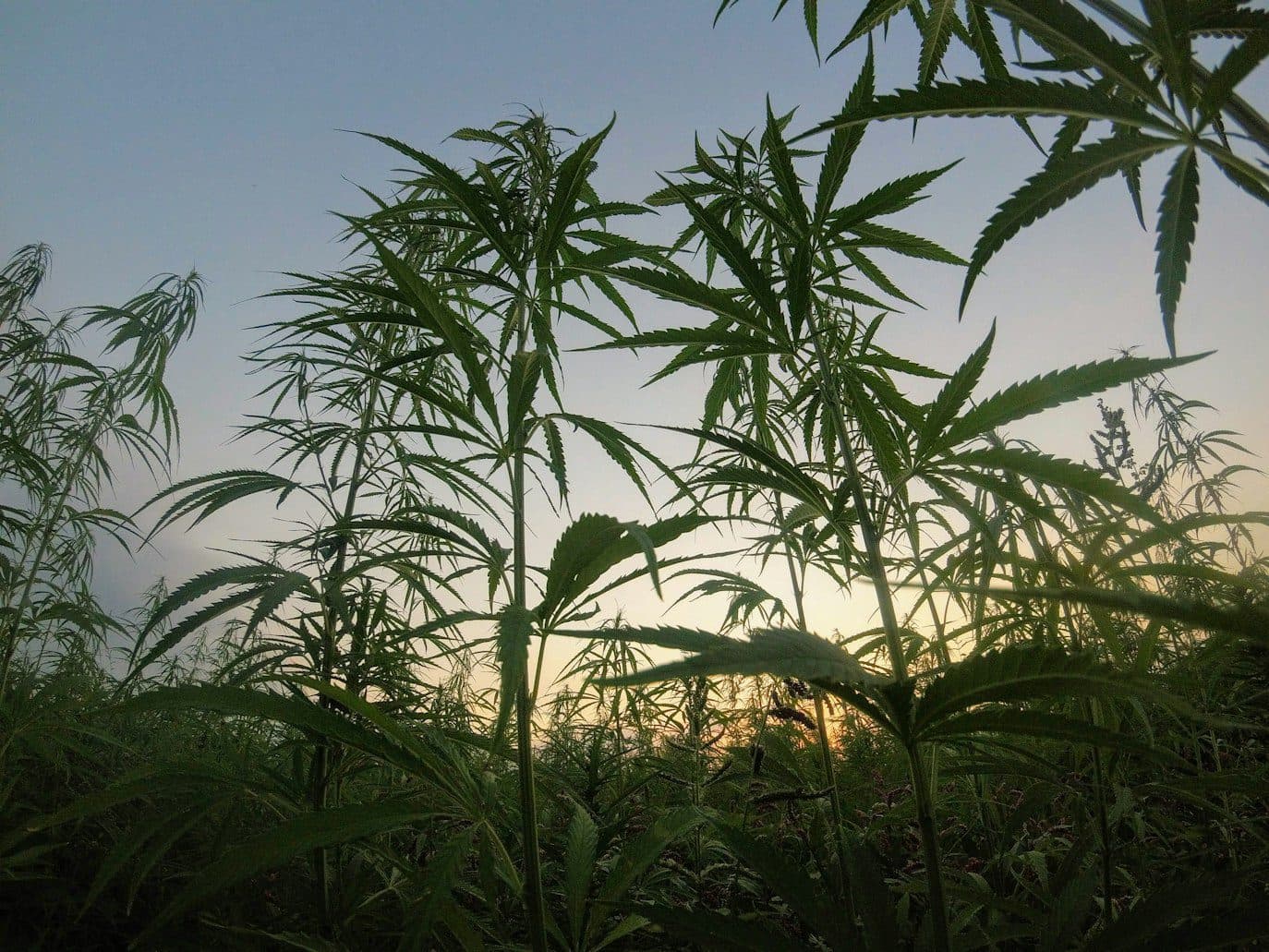
Industrial hemp is a variety of the cannabis plant that contains very low levels of THC (the psychoactive compound). In Australia, the permitted threshold for “low-THC” industrial hemp is set by each state and territory, and is typically well below what’s found in medicinal or recreational cannabis.
Growing industrial hemp is legal in all Australian states and territories provided you hold the correct licence and comply with the relevant laws. Each jurisdiction has its own legislation and processes, so your first step is to understand the rules where you’ll operate. For a high-level overview, it’s worth reading about the current hemp laws in Australia.
Importantly, industrial hemp is different to medicinal cannabis. Medicinal cannabis is regulated under a separate, much stricter framework. If you’re licensed for low-THC industrial hemp, you must stick to approved seed varieties and comply with testing and handling rules so your crops remain within the legal THC threshold.
Step-By-Step: How To Start A Hemp Growing Business
Step 1: Research Your Market And Plan Your Business
Start with clear goals. Are you supplying raw fibre or hurd for construction? Growing grain for hemp seed products? Or supplying biomass for processing? Each option has different equipment, quality standards and buyers.
- Market fit: Identify the product you’ll supply, how it will be used and who your customers are (processors, wholesalers, retailers).
- Location and logistics: Confirm the land is suitable, accessible and compliant with local zoning. Consider security, fencing and proximity to processing facilities or freight routes.
- Financials: Budget for licensing fees, seeds and agronomy, equipment, water, insurance, testing, compliance, and contracts. Build a pricing model and stress-test your cash flow.
Good planning not only guides your build-out, it also makes licence applications and supplier negotiations much easier.
Step 2: Choose A Business Structure
Your structure affects liability, tax and investment options.
- Sole trader: Simple and low-cost, but you’re personally liable for business debts and claims.
- Partnership: Two or more people share control and profits. Straightforward to set up, but partners are generally jointly liable.
- Company: A separate legal entity that can offer limited liability and a clearer path to scale or investment. Many growers choose to register a company for asset protection and credibility. If you’re heading down this path, consider professional support with your company set up.
- Trust: Sometimes used for asset protection or where distributions to beneficiaries are needed. Usually requires tailored advice.
There’s no single “right” option for everyone, so weigh your risk profile, growth plans and investor needs before deciding.
Step 3: Register Your Business And Get An ABN
If you’re trading under a name other than your personal name, register a business name with ASIC. You’ll also need an ABN for invoicing and tax administration.
If your GST turnover is $75,000 or more, you’ll generally need to register for GST. Because every business is different, it’s sensible to check your tax position with a qualified accountant as this guide focuses on legal setup rather than tax advice.
Step 4: Apply For Your Industrial Hemp Licence
Do not plant or sell hemp without the appropriate state or territory licence. Applications typically require details about:
- Who is involved in the business (including police checks for responsible persons).
- Where you will grow and store hemp (maps, security arrangements and site plans).
- Seed sourcing and intended end use (grain, fibre, or other low-THC purposes).
- Record keeping, sampling and testing processes.
Licence terms, fees, and renewal periods vary by jurisdiction. Some licences may run for one year, others longer, and transferability is often restricted or subject to regulator approval. Always check the current requirements in your state before you apply or acquire an existing licence.
Step 5: Line Up Your Supply Chain And Quality Controls
Secure agreements with reputable seed suppliers and buyers (e.g. processors or wholesalers). Clarify quality standards, delivery windows, payment terms and what happens if a crop fails testing or is affected by weather. Putting robust terms in writing reduces disputes and protects your cash flow.
Step 6: Put Your Core Contracts And Policies In Place
Before launch, make sure your sales terms, supplier agreements, employment arrangements and risk management policies are ready to go. We cover the key documents in more detail below, but aim to have your contracts finalised before you plant-so you’re not negotiating under pressure come harvest.
What Laws And Permits Do Hemp Growers Need To Follow?
In addition to your industrial hemp licence, several compliance areas will apply to most hemp businesses. The details vary by state and territory, so use this section as a checklist to discuss with your advisors and the relevant regulators.
State And Territory Licensing
Your industrial hemp licence is the foundation of compliance. Expect conditions around approved seeds, sampling and THC testing, site security, storage, disposal of non-compliant material, and reporting. Regulators can inspect your premises and records. Treat compliance as a day-to-day discipline-build it into your operations early.
Local Council Zoning And Water Approvals
Check your council’s planning controls for agricultural use and any restrictions on fencing, outbuildings or signage. You may also need licences or approvals for water extraction, irrigation infrastructure, and runoff management. Some areas have specific biosecurity or weed management obligations-ask your council or state agriculture department before you plant.
Industrial Hemp vs Medicinal Cannabis
Industrial hemp licences strictly limit THC content and permitted varieties. If your crops exceed the legal threshold or you handle plant parts outside what’s allowed, you could breach criminal laws. Keep tight control over seed varieties, sampling windows and any factors that influence THC levels (like stress conditions) to remain within the industrial framework.
Transport, Storage And Chain Of Custody
Transporting hemp plants and processed material must align with your licence terms and any relevant state guidelines. Clear labelling, secure storage, documented chain-of-custody and accurate consignment records are essential-especially if you supply across state borders or to multiple processors.
Product Claims And The Australian Consumer Law (ACL)
If you sell hemp products to customers (directly or as a wholesaler), your packaging and advertising must comply with the Australian Consumer Law. Avoid misleading or deceptive conduct, be careful with health-related claims, and ensure your labels and materials are accurate. If you’re unsure how the law applies to your marketing, it’s helpful to review the core elements of misleading or deceptive conduct and align your claims with what you can substantiate.
Some product categories-such as foods, cosmetics or therapeutic goods-also carry industry-specific standards and labelling rules. Factor these into your product development and supplier contracts early.
Employment Law And Work Health & Safety (WHS)
Hiring staff? You’ll need proper Employment Contracts, fair pay aligned with any applicable awards, and safe systems of work for farm tasks, storage and logistics. Put clear position descriptions, training, and incident reporting processes in place. For new hires, a written Employment Contract sets expectations and reduces risk of disputes.
Privacy And Data Handling
Many growers take orders online or keep customer and supplier contact details. The Privacy Act 1988 (Cth) and the Australian Privacy Principles generally apply to private sector organisations with an annual turnover of more than $3 million, and to some smaller businesses in specific circumstances (for example, health service providers or if you trade in personal information). If the Privacy Act applies to you, having a clear, accessible Privacy Policy and good data practices is important. Even if you’re under the threshold, adopting privacy best practices builds trust and reduces risk.
Record Keeping And THC Testing
Most licences require you to keep detailed records of planting dates, seed sources, test results, harvest volumes, storage movements, and sales. Expect periodic audits. Choose a record keeping system that is easy to maintain during busy periods-compliance should be part of your standard workflow, not an afterthought.
Intellectual Property And Brand Protection
If you’re creating a distinct brand for your products or services, consider registering your trade mark early. Securing the name and logo that your customers will recognise can prevent costly rebrands and copycats later. You can start protection by lodging an application to register your trade mark.
What Legal Documents Should A Hemp Business Have?
Every hemp venture is different, but most will benefit from a core set of contracts and policies that allocate risk, clarify responsibilities and keep you compliant. Tailor the documents to what you grow, how you sell, and who you work with.
- Industrial Hemp Licence: Your core authorisation to grow, supply or process low-THC hemp within your state or territory, including specific conditions you must follow.
- Customer Terms (Wholesale Or Direct): Clear terms covering product standards, delivery, payment, title and risk, returns, liability and force majeure. If you sell B2B, many growers use robust Terms of Trade to keep transactions smooth.
- Supply And Distribution Agreements: Contracts with seed suppliers, agronomy partners, processors or distributors that set price, quality testing, logistics, IP, confidentiality and termination rights.
- Employment Agreements & Policies: Written contracts and workplace policies for staff and contractors (e.g. safety procedures, mobile phone or vehicle policies) to ensure Fair Work and WHS compliance.
- Non-Disclosure Agreement (NDA): Protects confidential information when discussing formulations, processing methods, pricing or buyer arrangements with third parties.
- Website Terms & Policies: If you operate online, standard website terms, acceptable use rules, and (where required) a Privacy Policy help set expectations for customers and reduce risk.
- Shareholders Agreement (if you have co-founders or investors): Outlines how decisions are made, how shares are issued or transferred, and what happens if someone exits-providing stability as you scale. A tailored Shareholders Agreement can save significant headaches later.
Well-drafted documents reduce surprises in a weather-dependent, compliance-heavy industry. They also help you move quickly when opportunities arise-because the rules of engagement are already agreed and signed.
Buying An Existing Hemp Business Or Licence: What Should You Check?
Acquiring an operating hemp business can be attractive-you might inherit land, infrastructure, contracts and an existing licence. That said, due diligence is critical in a regulated industry.
- Licence status and compliance history: Confirm whether the licence is transferable (many are not, or require regulator consent), and review inspection reports, test results and any contraventions.
- Contracts and relationships: Review supplier, processor and customer agreements, including pricing, volumes, termination clauses and any exclusivities.
- Assets and condition: Check irrigation, fencing, storage facilities, security infrastructure, and any equipment required by licence conditions.
- Disputes and liabilities: Ask about outstanding debts, product claims or investigations that could follow the business.
- Conditions precedent: Consider making completion conditional on key approvals (e.g. regulator approvals, lease assignments, finance) so you’re not locked into a deal you can’t operate.
Working with advisors on a structured legal due diligence package can help you identify deal-breakers early and negotiate protections into the sale contract.
Key Takeaways
- Industrial hemp is legal to grow in Australia if you hold the correct licence and comply with your state or territory’s rules-make licensing your first priority.
- Choose a business structure that suits your risk profile and growth plans, then register your business and secure your ABN before you apply for licences.
- Compliance is ongoing: expect THC testing, strict record keeping, council and water approvals, and clear rules for transport, storage and disposal.
- When selling products or marketing your brand, follow the Australian Consumer Law and avoid claims you can’t substantiate.
- Protect your venture with solid contracts-customer terms, supplier and distribution agreements, Employment Contracts, NDAs and governance documents.
- Brand protection matters in a growing market-register your trade mark early and keep your documentation audit-ready.
- Buying an existing hemp business can fast-track your plans, but only after careful due diligence and clear conditions in the sale contract.
If you would like a consultation on starting a hemp growing business, you can reach us at 1800 730 617 or team@sprintlaw.com.au for a free, no-obligations chat.