
Alex is Sprintlaw's co-founder and principal lawyer. Alex previously worked at a top-tier firm as a lawyer specialising in technology and media contracts, and founded a digital agency which he sold in 2015.
Contents
Becoming a tattoo artist in Australia is an exciting path - you’re building a creative career, a loyal client base and a brand that reflects your style.
But turning that vision into a compliant, sustainable business takes more than artistic skill. From business structure and licensing to health standards, client consent and privacy rules, there are important legal steps to follow.
With the right setup, you can protect your work, manage risk and focus on your craft. Below, we’ll walk you through the essentials to start as a tattoo artist in Australia the right way.
What Does A Tattoo Artist Business Look Like In Australia?
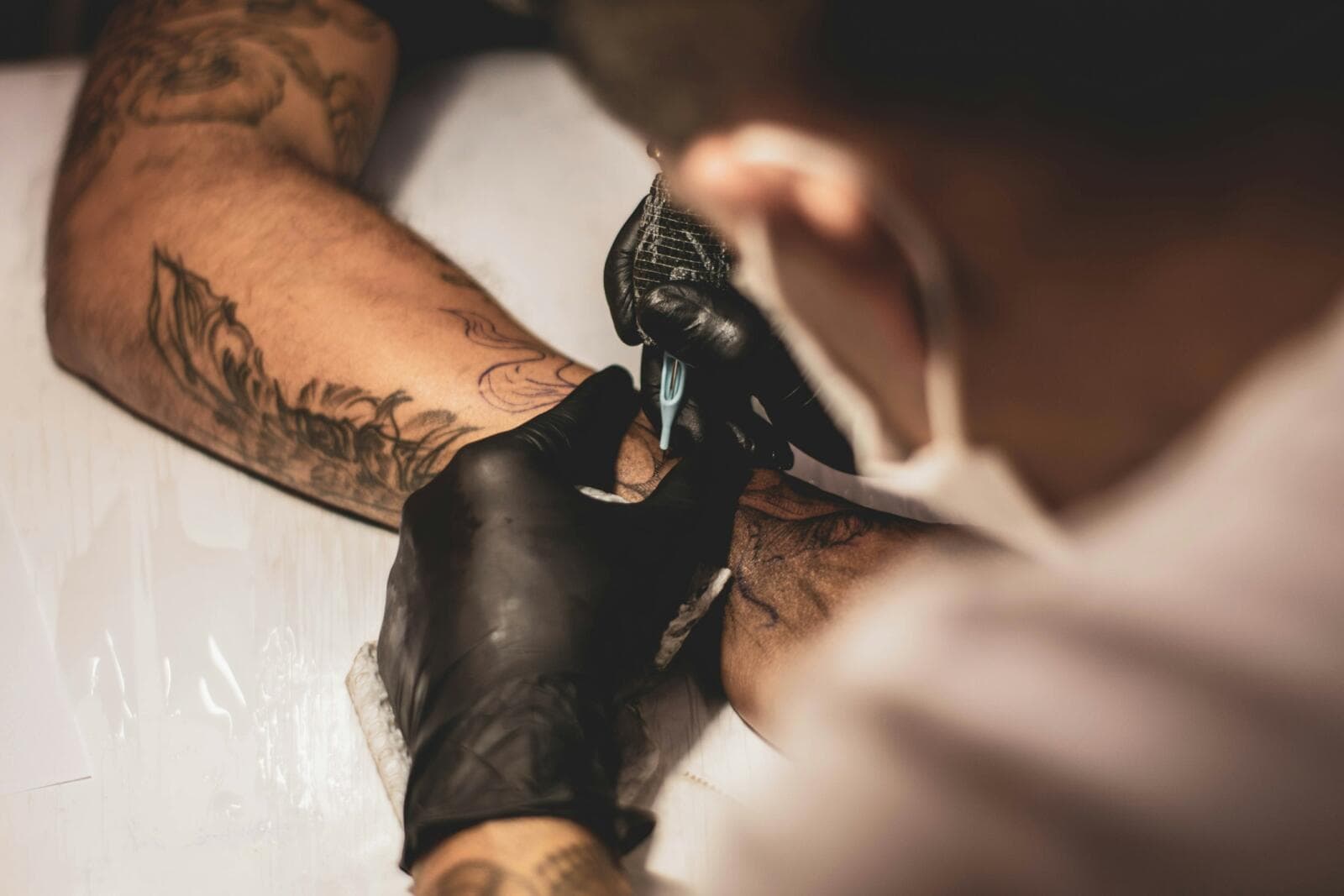
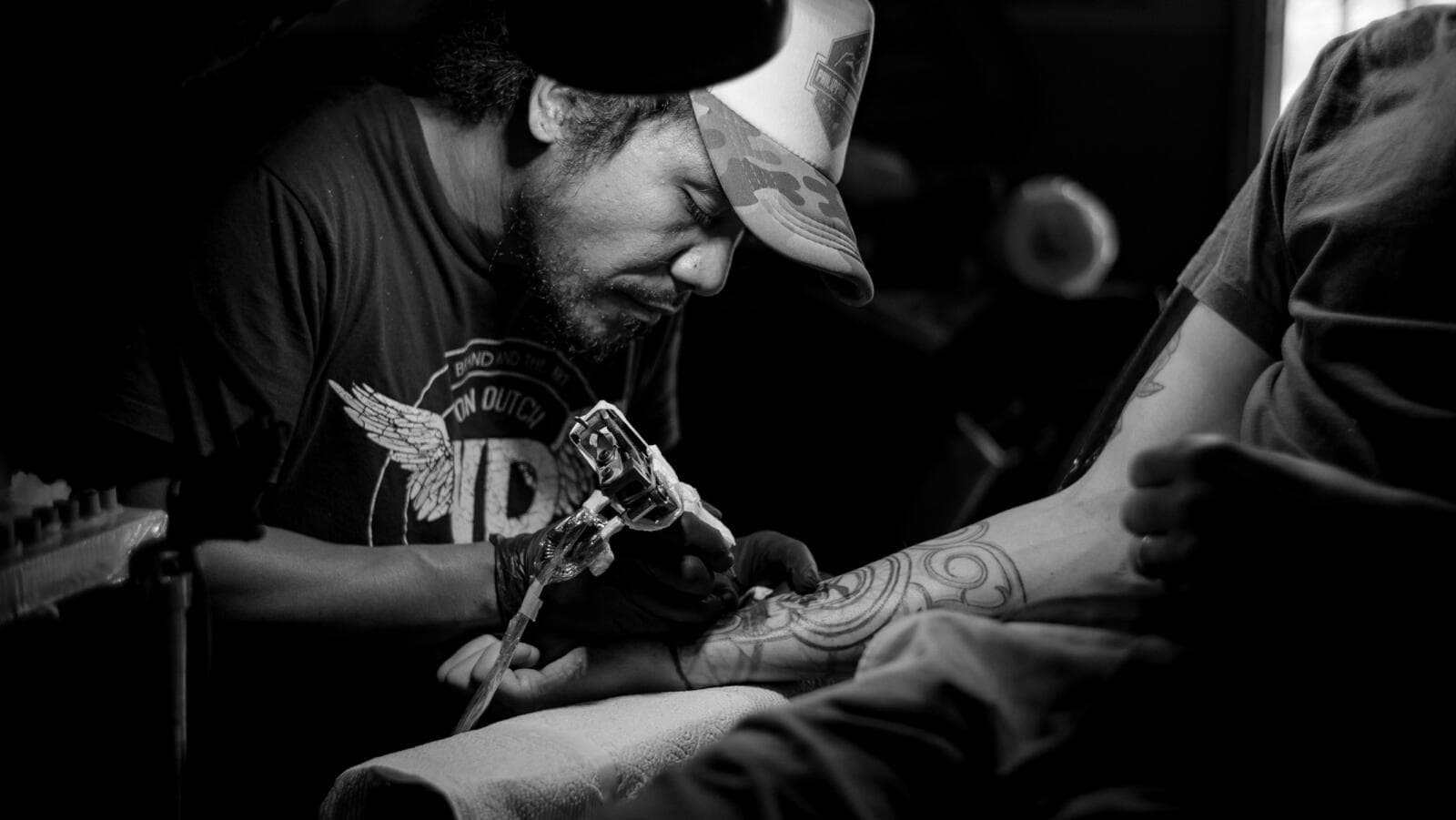
There’s no single way to operate as a tattooist. You might rent a chair in an established studio, go mobile (where allowed by your state or territory), or open your own space. Many artists also run waitlists, take deposits, sell vouchers and offer aftercare products or merchandise.
No matter your model, you’ll be delivering a personal service with strict hygiene obligations, managing bookings and deposits, handling personal (and often health) information, and building a brand. This mix means you’ll want clear client terms, robust consent processes, privacy compliance, careful record-keeping and strong risk management from day one.
Step-By-Step: Set Up Your Tattoo Business
1) Map Your Business Plan
Start with a simple plan. Outline your services (e.g. custom pieces, flash, fine line, cosmetic tattooing), pricing, target clients, location, competitors, marketing, and equipment needs.
Factor in council requirements, sterilisation processes, disposal of sharps, how you’ll handle cancellations and no-shows, and whether you’ll allow rescheduling or transfer of deposits.
A short plan keeps you focused and helps you spot legal and operational gaps early.
2) Choose A Business Structure
You can operate as a sole trader, in partnership, or through a company. The structure you choose affects tax, liability, costs and how co-founders or investors can come on board.
- Sole Trader: Simple and low-cost. You control the business, but your personal assets can be at risk for business debts and claims.
- Partnership: Two or more people share profits and responsibilities. Partners can be jointly liable for debts.
- Company: A separate legal entity that can offer limited liability and a more professional structure as you grow.
If you’re planning to scale, hire staff or take on a commercial lease for your own studio, consider setting up a company for better protection and flexibility.
3) Register Your ABN And Business Name
Whichever structure you choose, you’ll need an ABN to trade and invoice. If you’ll trade under anything other than your personal or company name, register a business name so clients can find and trust your brand.
4) Protect Your Brand
Your artist name and logo are central to your reputation. To stop others using a confusingly similar name in Australia, consider applying to register your trade mark. You can protect your brand for tattoo services and, if relevant, merchandise.
5) Decide Your Booking, Deposits And Payments Process
Set clear rules for deposits, rescheduling, cancellations and no-shows. Decide accepted payment methods and when balances are due. Build these into your written client terms before you start taking appointments.
6) Prepare Your Client Forms, Policies And Website
Before seeing clients, have your client terms, consent/waiver, privacy policy and website terms ready to go. Putting it in writing protects you, sets expectations and shows professionalism.
7) Get Your Tax And Finance Basics In Order
Keep clean financial records. If your turnover meets the threshold, register for GST and issue tax invoices. Open a separate business account to simplify bookkeeping and cash flow.
Tax rules can be complex and depend on your setup. This guide focuses on legal requirements - speak with an accountant about GST, deductions, BAS and payroll. Sprintlaw doesn’t provide tax advice.
Licences, Permits And Health Compliance
Tattooing is regulated - particularly around hygiene, infection control and waste. Rules differ between states and territories, and councils add their own requirements. Plan these early, especially before signing a lease or investing in fit-out.
State And Territory Licensing Or Registration
Some jurisdictions require licensing or registration for tattoo operators and/or individual tattooists. For example, in Queensland, licensing is mandatory for parts of the industry and police checks apply. Other states and territories regulate tattooing via public health laws and local approvals.
Check the exact position in your state or territory and whether individual artists, studios or both must be licensed or registered (and how often renewals or training are required). If you move or guest spot in another jurisdiction, confirm the rules before you work.
Local Council Approvals And Zoning
Most studios need council approval for the premises and fit-out. Councils commonly require specific flooring and wall surfaces, hand-washing stations, sterilisation setups, sharps disposal arrangements and biohazard waste management contracts.
Confirm zoning and permitted uses for “skin penetration” services before you sign a lease or start renovating. Make sure your lease allows the intended use and any signage you’ll need.
Infection Control Standards And Training
States and territories regulate “skin penetration” procedures and set hygiene standards (covering sterilisation, equipment handling, aftercare instructions and blood spill procedures). Infection control training may be required.
Document your procedures and keep training records so you can demonstrate compliance in an inspection.
Age And Consent Laws
Strict age laws apply. In many places it’s unlawful to tattoo a minor, or allowed only with specific parental or guardian consent (and sometimes not permitted at all).
Have robust ID checks, consent forms and parental/guardian verification processes where relevant. Keep a clear record of consent for each procedure.
Work Health And Safety (WHS) And Waste
Manage risks from sharps, biohazard waste, cleaning chemicals, repetitive strain and slips/trips. Keep WHS documents up to date, train staff and maintain incident registers.
Arrange compliant sharps containers and biohazard waste collection. Keep sterilisation logs and equipment maintenance records.
Privacy, Consumer Law And IP: Day-To-Day Legal Rules
Privacy And Health Information
Tattooists routinely collect sensitive health information (e.g. allergies, medication, skin conditions) through screening and consent. In Australia, health service providers must comply with the Privacy Act 1988 (Cth) and the Australian Privacy Principles regardless of their annual turnover.
Use a compliant policy and consent process covering what you collect, why, how it’s stored, who can access it and how clients can request updates. Where you handle health information, a dedicated Privacy Policy for health service providers is usually the best fit.
Consumer Law (Australian Consumer Law)
As a service provider, you must comply with the Australian Consumer Law (ACL). That covers honest marketing, fair deposits and cancellation practices, and consumer guarantees.
Be careful with claims about results, ink longevity, healing times or allergy risk. Avoid misleading or deceptive conduct - this sits squarely within the ACL’s general rule against false or misleading representations.
Consent, Disclaimers And Aftercare
Informed consent is essential. Clients should acknowledge health risks, aftercare requirements and the limits of the outcome. A written consent and waiver form supports your infection control process, helps manage liability and records key disclosures.
For risk management, many studios use a tailored Waiver that sits alongside client terms and aftercare instructions.
Intellectual Property And Portfolio Use
Clarify who owns original concept art and the final tattoo design. Many studios retain copyright in designs while granting clients a personal licence to wear and display the tattoo.
If you photograph healed work for your portfolio or social media, obtain written permission and avoid capturing identifying features without express consent. To build long-term brand value, consider registering your name and logo as a trade mark.
Online Bookings, Gallery And E‑Commerce
If you take bookings, deposits or sell merchandise online, your site should have Website Terms and Conditions covering acceptable use, payments, cancellations and your intellectual property (including images of your artwork).
Essential Legal Documents For Tattoo Artists
The right documents protect your business, streamline bookings and reduce disputes. Most tattooists will need several of the below (tailored to their services and state or territory requirements).
- Client Terms And Conditions: Set out deposits, rescheduling, cancellations/no-shows, pricing, time estimates, lateness, refunds, gift vouchers and what happens if a client changes their mind. If you sell aftercare products or merchandise, include product terms and consumer guarantees.
- Consent And Waiver Form: Record informed consent, medical disclosures, ID verification, acknowledgement of risks, aftercare obligations and permission to proceed. A tailored Waiver can help manage liability and formalise client disclosures.
- Privacy Policy: Explain what personal and health information you collect, why, how you store it, who you share it with and how clients can access it. If you handle health information, use a Privacy Policy for health service providers.
- Website Terms And Conditions: If you take bookings or deposits online, or run an online gallery or shop, include Website Terms and Conditions covering acceptable use, payments, cancellations and IP ownership of your artwork.
- Studio Chair Rental Or Collaboration Agreement: If you rent a chair or collaborate with another studio, document booking systems, sterilisation responsibilities, house rules, client ownership and how income is split.
- Contractors Agreement (If You Engage Artists): For independent artists working in your studio, a Contractors Agreement should address hygiene obligations, insurance, brand use, client ownership, confidentiality and post-engagement restrictions.
- Commercial Lease (If Opening Your Own Studio): Review permitted use for “skin penetration” services, fit-out obligations, signage approvals and any council approvals that must be satisfied before you’re bound.
- Brand And IP Notices: Clarify ownership of your artwork and photography, and include a short copyright notice on your website and booking materials.
You may not need every document on day one, but the core client terms, consent/waiver, privacy policy and website terms are important for almost all tattoo businesses.
Hiring Other Artists: Employees Or Contractors?
As demand grows, you may expand your team. Choosing the right engagement model and documenting it properly will help you stay compliant and avoid disputes.
- Employees: You control hours, equipment and process. You must provide minimum entitlements under the Fair Work system, pay superannuation and manage payroll obligations. Use clear employment contracts and workplace policies.
- Contractors: Independent artists with more control over how they deliver services. Use a tailored Contractors Agreement covering client ownership, hygiene responsibilities, insurance, confidentiality and brand use.
Misclassifying staff can be costly. If you’re unsure which model is appropriate for your studio, it’s worth getting advice before you bring someone on.
Key Takeaways
- Map your setup early - services, pricing, location, hygiene systems, booking rules and consent processes - so you’re ready to trade compliantly from day one.
- Choose a structure that suits your plans: many growing studios opt for a company for flexibility and protection, and register a business name if you trade under a brand.
- Check licences, registrations and council approvals in your state or territory - some jurisdictions (for example, Queensland) require licensing for operators and/or tattooists.
- Comply with privacy rules for health information and the ACL; use a health-appropriate Privacy Policy, plain-language aftercare, and accurate marketing.
- Protect your brand and portfolio with trade marks, IP notices and clear rules about photography and artwork use - consider trade mark registration.
- Have the core documents in place: client terms, consent and waiver, website terms and a solid agreement if you rent a chair or engage contractors.
- Keep good financial records and speak with an accountant about GST, BAS and payroll - tax settings depend on your circumstances and this guide doesn’t provide tax advice.
If you would like a consultation on starting your tattoo artist business, you can reach us at 1800 730 617 or team@sprintlaw.com.au for a free, no-obligations chat.