
Alex is Sprintlaw's co-founder and principal lawyer. Alex previously worked at a top-tier firm as a lawyer specialising in technology and media contracts, and founded a digital agency which he sold in 2015.
Contents
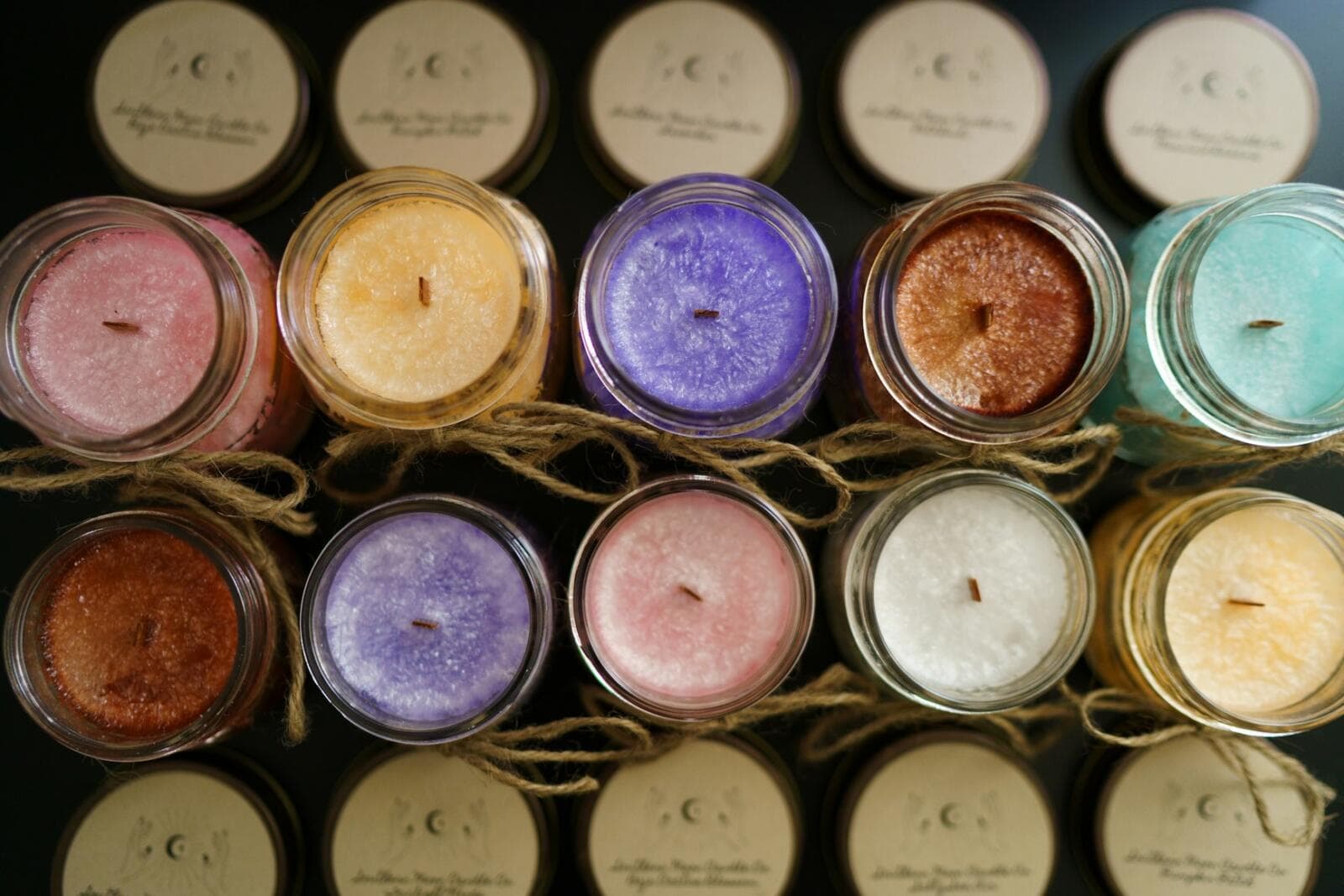
Candle making is a creative business that blends craft, design and scent. Whether you’re building a premium soy candle brand or selling custom event candles on weekends, there’s real demand for quality, Australian-made products.
But turning a hobby into a sustainable business takes more than beautiful jars and a great Instagram feed. You’ll also want to set up the right structure, protect your brand, and make sure your products and website meet Australian legal requirements.
This guide walks you through the key legal steps to start a candle making business in Australia - from registration and contracts to product safety, online sales and intellectual property - so you can launch with confidence and grow the right way.
Why Candle Making Is A Great Small Business
Australia’s love of homewares, gifting and bespoke products makes candles a strong niche - especially for founders who can demonstrate quality, consistency and a clear brand story.
Success comes from pairing creativity with planning. Before you dive in, think about:
- Who you’re selling to (luxury, eco, event, corporate gifts, wholesale to retailers).
- What differentiates your range (scent profiles, vessels, refills, sustainability, custom labels).
- How you’ll sell (markets, your own site, marketplaces, wholesale).
- How you’ll stay compliant (product safety, fair customer terms, correct labelling and claims).
With these foundations set, the legal setup becomes much simpler - and you’ll be positioned to scale without surprises.
What Does A Candle Making Business Involve?
At its core, you’re producing and selling candles and related products (e.g. melts, diffusers, accessories). Most founders start from home, then sell direct-to-consumer online or through markets and stockists. Others focus on corporate gifting, weddings or subscription boxes.
As soon as you start selling, you’re operating a business. That means making some decisions up front about structure, registrations, safety testing, and your customer-facing policies. Getting this right early helps you avoid costly rework later.
Step-By-Step: Set Up Your Candle Business
1) Write A Simple Business Plan
Set your goals, budget, pricing, niche, and launch timeline. Map out suppliers, minimum order quantities, packaging and freight. Your plan doesn’t need to be long - it should simply guide decisions and help you test viability.
2) Choose A Business Structure
Your structure affects tax, liability and admin. Common options include:
- Sole Trader: Low cost and simple to manage. You operate as an individual and are personally liable for business debts.
- Partnership: For two or more people running a business together. You’ll want a clear agreement covering roles and profit share.
- Company (Pty Ltd): A separate legal entity that can limit your personal liability and offer more flexibility as you grow. It involves ASIC obligations and more record-keeping.
If you expect to retail widely, take wholesale orders, or bring in co-founders, a company may be worth considering from day one. If that’s your path, setting up your Company Set Up properly helps avoid future pain.
3) Register The Basics
- ABN: You’ll need an Australian Business Number for invoicing and tax.
- Business Name: If you’re trading under a name that isn’t your personal name, register it with ASIC. It’s useful to understand the difference between a Business Name vs Company Name at this stage.
- Banking & Accounting: Open a separate business bank account and choose accounting software to keep clear records from day one.
4) Test Products And Set Your Range
Thoroughly test wicks, waxes and vessels across burn times and environments. Document your recipes and testing results. Consistency is key for safety, customer confidence and repeat orders.
5) Prepare Your Online Sales Channel
Most candle businesses sell online - either on your own site or a marketplace. Make sure your store has clear, fair customer terms and a straightforward returns process. If using your own site, include appropriate online shop terms and conditions.
6) Protect Your Brand
Choose a distinctive brand name and check for conflicts. If it’s available, consider registering a trade mark for your name and logo to secure your rights as you grow. Sprintlaw can assist when you’re ready to register your trade mark.
7) Get Your Key Contracts And Policies In Place
Even small businesses benefit from clear terms with customers, suppliers and collaborators. We’ve listed the most useful documents below.
8) Plan For Launch (And Scale)
Line up packaging, labelling and stock levels. Confirm lead times with suppliers. If you’ll outsource fulfilment or pour at scale later, plan early to avoid supply bottlenecks and quality issues.
Do I Need Any Licences Or Permits?
There’s no specific “candle maker’s licence” in Australia. However, a few practical checks will help you trade smoothly and safely:
- Home-Based Operations: Many councils allow low-impact home businesses without formal approval, but rules vary. If you’re storing bulk materials, receiving regular deliveries or expecting customer visits, check your local council’s home-based business and zoning requirements.
- Markets And Events: Organisers typically require stallholder registration and proof of public liability insurance. Apply early and confirm any electrical or safety requirements for your setup.
- Insurance: While not a licence, consider product liability and public liability insurance. It’s a sensible risk management step for businesses that sell physical products, attend markets, or supply to retailers.
If you plan to sell wholesale to stores, some will ask for ABN details, certificates of currency for insurance, and your standard terms - have these ready to speed up onboarding.
What Laws Apply To Candle Businesses In Australia?
Australian Consumer Law (ACL)
All Australian businesses selling goods must comply with the Australian Consumer Law. This includes accurate product descriptions and pricing, consumer guarantees (e.g. products must be of acceptable quality), fair refund and warranty practices, and avoiding misleading claims in marketing. If you’re unsure about advertising or guarantees, read up on misleading or deceptive conduct and align your policies and product pages accordingly.
Product Safety And Labelling
There isn’t a broad, mandatory Australian standard specific to all candles. However, you still must ensure your products are safe under the ACL’s general safety provisions. Good practice includes:
- Using suitable vessels and components (wicks, waxes, dyes, fragrance oils) and testing for heat, soot and stability.
- Including clear safety warnings and use instructions (e.g. trim wick, burn time, heat-resistant surface, keep away from children and pets, never leave unattended).
- Avoiding unsafe designs (e.g. vessels that overheat or crack) and ensuring labels are durable and legible.
- Following recognised voluntary standards and industry guidance where relevant and documenting your testing.
If you expand into other products (e.g. reed diffusers or room sprays), check whether additional regulations or hazardous chemical labelling rules apply. Keep records of your testing and supplier specifications - this helps if a safety issue arises.
Branding And Intellectual Property
Your name, logo, and even signature scent names can become valuable IP. A registered trade mark gives you exclusive rights to use your brand in Australia for your category of goods and makes enforcement far easier if a competitor adopts something confusingly similar. When you’re ready, consider an application to register your trade mark.
Also be mindful of others’ IP. Steer clear of designs or branding that could infringe someone else’s rights, and ensure you own the copyright in your label artwork and product photography (or have a written licence from the creator).
Online Sales, Privacy And Data
If you sell online, your website should include clear customer terms, a returns policy, and appropriate disclaimers. A dedicated online shop terms and conditions page helps set expectations and reduce disputes.
Privacy-wise, the Privacy Act 1988 generally applies to Australian businesses with annual turnover of more than $3 million, and to certain small businesses in specific situations (for example, if you trade in personal information or provide health services). Even if you’re not legally required to comply, many payment platforms, marketplaces and customers expect a transparent Privacy Policy covering how you collect, use and store personal information. It’s also good practice for building trust and meeting platform requirements.
Employment Law (If You Hire)
Bringing in staff triggers obligations under the Fair Work system, including correct classification and pay under any relevant awards, superannuation, leave, workplace safety and record-keeping. Use written employment contracts and establish clear policies for safety and conduct, even for casual or seasonal help.
Tax And Finance
Register for GST if your turnover is $75,000 or more in a 12‑month period. Keep accurate records, set aside tax and superannuation, and decide how you’ll track stock and cost of goods. It’s wise to speak with a tax adviser or accountant about pricing, GST and inventory so you stay compliant as you grow.
What Legal Documents Do Candle Makers Need?
The right documents reduce risk, set expectations and make your business look professional. Consider the following as you launch:
- Online Shop Terms & Conditions: A customer-facing policy covering ordering, payment, delivery, risk, returns and warranties for your online store. You can host these on a dedicated page using online shop terms and conditions.
- Website Terms & Conditions: Rules for using your site, limiting liability, and protecting your IP and content. These sit alongside your shop terms and your Privacy Policy.
- Supplier Agreement: Sets out pricing, lead times, quality specs, delivery, returns and remedies with your wax, wick, vessel and packaging suppliers.
- Wholesale/Stockist Terms: Establishes minimum order quantities, pricing, shipping, payment terms, branding guidelines and returns for retailers.
- Trade Mark Registration: Protects your brand name and logo, supporting growth into new products and channels. See trade mark registration.
- Non-Disclosure Agreement (NDA): Useful when discussing custom scents, private-label arrangements or unique designs with third parties.
- Employment Contracts: If you hire, use written agreements that clearly set out duties, hours, pay and confidentiality.
- Shareholders Agreement (if you have co-founders): Covers ownership, decision-making, roles, vesting, exits and dispute resolution. A tailored Shareholders Agreement can save significant issues later.
If you’re operating as a company, you’ll also put in place your constitution and internal governance processes. If you’re trading under a name, remember to register it - and understand how a trading name differs from a company by revisiting Business Name vs Company Name.
Practical Tips To Launch And Scale Safely
- Document your testing: Keep a simple log for each product with wick, wax, vessel, fragrance percentage, burn times and observations.
- Be careful with claims: Only promote what you can substantiate (e.g. “soy blend”, “phthalate-free”, “40‑hour burn time”). Claims must align with the ACL and avoid misleading customers - see the overview of misleading or deceptive conduct.
- Standardise your labels: Include safety statements and batch codes so you can trace production if an issue comes up.
- Plan your brand protection early: If the name is available and you’re serious about growth, consider filing to register your trade mark before a big launch.
- Build in lead time: Vessels and packaging often have long lead times - bake this into your restock cycle to avoid stock-outs.
- Set clear wholesale terms: Retailers will expect a professional approach to pricing, MOQs and returns - get your terms in writing before shipping.
Key Takeaways
- Starting a candle making business in Australia is achievable with the right plan: define your niche, test thoroughly and set up your legal foundations early.
- Choose a structure that suits your risk and growth plans; if you’re scaling or bringing in co-founders, a company with proper Company Set Up can be a smart move.
- Comply with the Australian Consumer Law, use clear safety warnings and avoid misleading claims; document your testing and standardise your labelling.
- Protect your brand by checking availability and considering trade mark registration; understand the difference between a business name and company name.
- Put key documents in place - online shop terms, website terms, Privacy Policy, supplier and wholesale terms, and a tailored Shareholders Agreement if you have co-founders.
- If you sell online, host clear online shop terms and conditions and a transparent Privacy Policy to meet customer expectations and platform requirements.
If you would like a consultation on starting a candle making business, you can reach us at 1800 730 617 or team@sprintlaw.com.au for a free, no-obligations chat.