
Alex is Sprintlaw's co-founder and principal lawyer. Alex previously worked at a top-tier firm as a lawyer specialising in technology and media contracts, and founded a digital agency which he sold in 2015.
Contents
Commercial window cleaning is booming across Australia. With more offices, retail centres and high‑rise buildings, businesses want spotless glass and a professional look - which means steady demand for skilled window cleaners.
But success takes more than ladders and squeegees. You’ll also need the right business structure, solid contracts, insurance, and compliance processes to protect your business and your clients.
This guide walks you through how to set up a commercial window cleaning business in Australia, the laws that apply, and the key legal documents you’ll want in place before you take on your first job.
What Is a Commercial Window Cleaning Business?
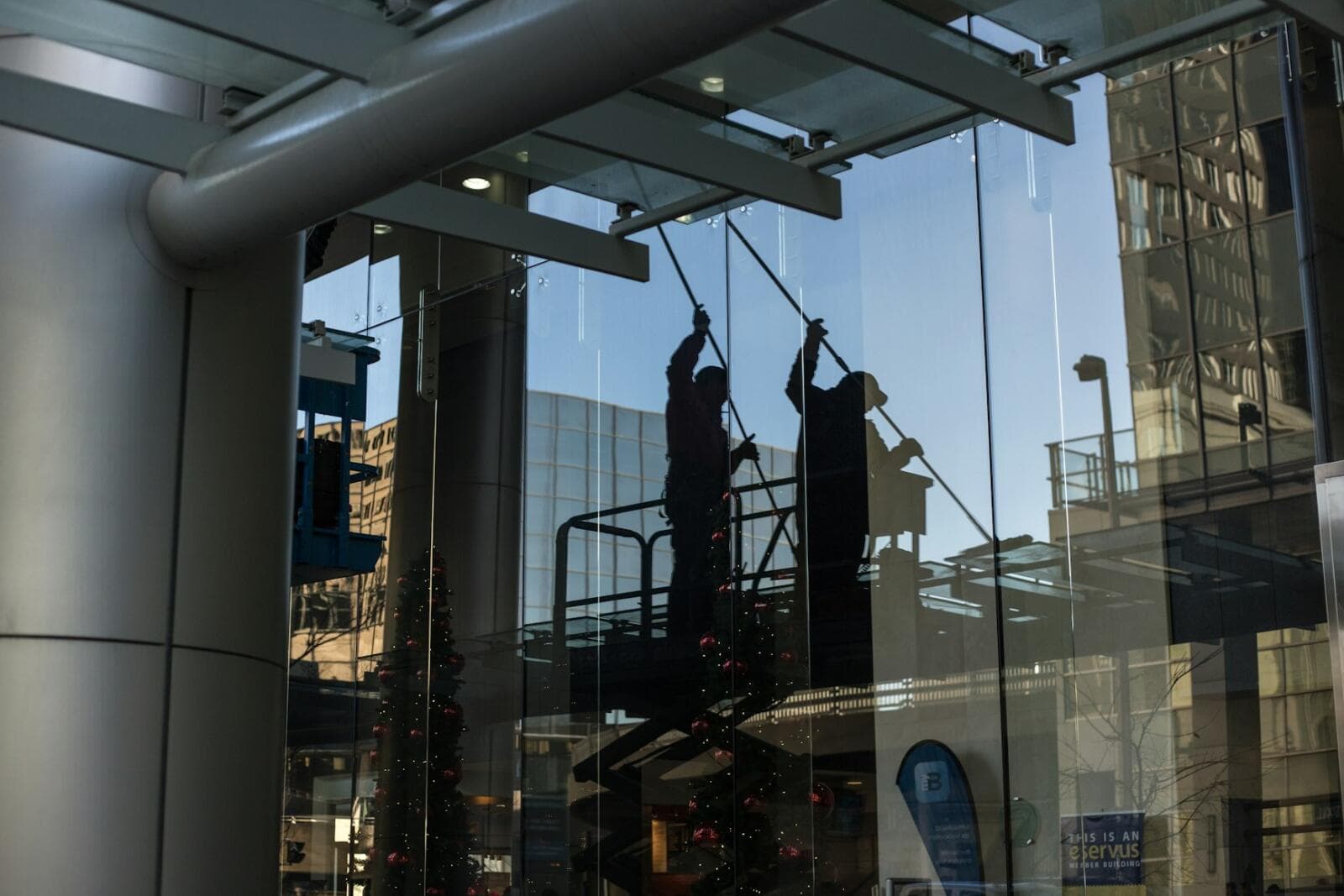
A commercial window cleaning business provides professional glass cleaning services to commercial premises such as office buildings, retail stores, hospitals, hotels and shopping centres. Jobs often include internal and external glass, facade washing, and high‑access work using ladders, EWPs (elevated work platforms) or rope access.
Compared with residential work, the contracts are larger, the safety risks are higher, and the compliance expectations are stricter. That’s why your legal setup - from insurance to service contracts - matters just as much as your cleaning standards.
Is Starting One Right For You?
Before you invest, sense‑check your plan. A quick feasibility review can save a lot of time and cost.
- Market and clients: Are you targeting shopfronts, low‑rise complexes or high‑rise towers? Each has different gear and insurance needs.
- Competition and positioning: What do local operators offer? Can you stand out on safety, response time or bundled services (e.g. facade washing, pressure cleaning)?
- Costs and pricing: Budget for professional tools, safety equipment, training, vehicles and insurances. Map out margins and contract minimums.
- Risk profile: Consider working at heights, property damage, and public liability. Risk management (training, SWMS, insurance) is core to profitability.
- Growth path: Will you stay solo, hire staff, or subcontract specialist high‑access work?
Putting this into a simple business plan helps you prioritise setup tasks and identify the legal and compliance steps to lock in early.
Step‑By‑Step: Set Up Your Commercial Window Cleaning Business
1) Choose a Business Structure
Your structure affects liability, tax and credibility with larger clients.
- Sole trader: Simple and low‑cost, but you’re personally liable for business debts and claims.
- Partnership: Two or more people share ownership and responsibility. Partners can be personally liable.
- Company: A separate legal entity that can limit personal liability and often adds credibility for commercial tenders. If you go this route, consider a tailored company set up and ensure directors understand their obligations.
Registering a business name is not the same as owning your brand. A business name registration does not give you exclusive rights - consider trade mark protection if brand exclusivity matters. You can compare a business name vs company name and think about trade mark options below.
2) Register Your ABN and Business Name
Apply for an ABN and register your business name if it’s different from your own. Remember, a business name doesn’t grant ownership of the name - trade mark registration is what provides exclusive rights to use a name or logo in your class of services. If you need a refresher on naming, this quick explainer on business names vs company names is useful.
3) Set Up Banking, Invoicing and GST
Open a dedicated business bank account and set up invoicing software. If your GST turnover is, or is likely to be, $75,000 or more in a 12‑month period, you must register for GST. If in doubt, speak with your accountant about tax and BAS obligations from day one.
4) Arrange Insurance
Insurers and clients will expect evidence of cover that matches your risk profile. Common policies include:
- Public liability: Covers injury or property damage to third parties during your work.
- Workers’ compensation: Required if you employ people (rules and schemes vary by state/territory).
- Professional indemnity (where relevant): Covers claims about advice or professional services.
- Equipment/vehicle cover: For your tools, vans and EWPs.
5) Confirm Licences, Training and Permits
Working at heights attracts stricter safety requirements. Depending on your activities and where you operate, you may need:
- High‑risk work licences (e.g. EWP) or evidence of competency for rope access.
- Inductions and SWMS (safe work method statements) for high‑risk tasks.
- Council permits if you need to occupy footpaths, close lanes, or manage pedestrian traffic.
Work health and safety (WHS) requirements and workers’ compensation schemes differ across states and territories, so check your local regulator’s rules before you start.
6) Protect Your Business With Contracts
Before the first clean, lock in your legal documents. A tailored Service Agreement sets scope, safety obligations, access conditions, pricing and liability. If you subcontract, you’ll also want clear contractor agreements to manage risk and responsibility on site. More on the full document suite below.
7) Launch and Win Work
Set up a simple website with your services, safety credentials and a booking/contact form. Clear client terms, transparent pricing and reliable safety procedures are your best marketing tools.
Alternative: Buy a Business or Franchise
Buying an established operation or joining a franchise can fast‑track startup. If you buy, review the business sale agreement, equipment condition, transferability of client contracts and staff arrangements. If you franchise, carefully check the Franchise Agreement, fees and territory rules before signing.
What Laws and Permits Apply in Australia?
Commercial window cleaning businesses deal with the public, employees and high‑risk work. These are the key legal areas to consider.
Australian Consumer Law (ACL)
When you provide services, you must meet guarantees under the Australian Consumer Law (ACL) around due care and skill, reasonable timeframes and fit‑for‑purpose outcomes. Clear refund and resupply terms in your client contract help you comply and manage expectations. For context, here’s a practical overview of the ACL and how service guarantees work.
Employment Law and WHS
Hiring staff triggers obligations under the Fair Work system (minimum pay and entitlements, record‑keeping, correct classifications) and WHS laws (training, PPE, incident response). Put proper Employment Contract templates and safety procedures in place before onboarding.
WHS duties include risk assessments for heights, inductions, supervision and SWMS for high‑risk work. State and territory regulators enforce slightly different rules and licensing thresholds, so always check the requirements where you operate.
Insurance and Workers’ Compensation
Many commercial clients require minimum limits for public liability and evidence of workers’ comp if you have employees. Workers’ compensation schemes are state‑based, so registration and premium rules vary depending on where your workers are employed.
Privacy and Data Handling
If you collect personal information (like contact details through your website or booking system), consider how you’ll store and use it. The Privacy Act generally applies to larger “APP entities” (often those with annual turnover of more than $3 million) and certain small businesses (for example, those that trade in personal information or provide health services). Even if the Act doesn’t apply to you, many businesses still publish a clear Privacy Policy as best practice and to meet client expectations.
Environmental and Local Rules
Some councils restrict wastewater discharge, chemical use and road or footpath occupation. If your work impacts public areas, plan for safe pedestrian management and compliant waste practices.
Intellectual Property and Brand Protection
Registering a business name doesn’t grant exclusive rights to it. If brand protection matters, consider filing a trade mark for your name or logo. Understanding trade mark classes in Australia helps you cover the right services and future expansion. Also make sure your branding doesn’t infringe someone else’s registered mark.
Tax and Invoicing
If your GST turnover meets or is projected to meet the $75,000 threshold, you must register for GST and charge it on taxable supplies. Keep clean records for BAS, superannuation and payroll if you employ staff. Speak with an accountant about your specific tax position and timing.
What Legal Documents Will You Need?
The right contracts and policies help you manage risk, set expectations and win larger clients. Most commercial window cleaning businesses consider the following:
- Service Agreement (Client Contract): Defines scope, access and safety requirements, timeframes, variations, pricing, invoicing, liability and insurance. A tailored Service Agreement is essential for recurring and project‑based work.
- Contractor Agreement: If you engage subcontractors (e.g. rope access specialists), a clear Contractor Agreement allocates responsibilities, safety duties, insurances and IP/confidentiality.
- Employment Contract and Policies: Use a compliant Employment Contract for staff and implement WHS and conduct policies that reflect your site risks and client requirements.
- Website Terms: If you take enquiries or bookings online, Website Terms and Conditions set house rules, acceptable use and liability limits for your site.
- Privacy Policy: Explains how you collect, use and store personal information. Even if the Privacy Act doesn’t strictly apply, a simple Privacy Policy is considered good practice and often required by corporate clients.
- Waiver/Release (where appropriate): For unusual or higher‑risk access conditions, a tailored waiver can help manage liability in addition to your Service Agreement.
- Shareholders Agreement: If you have co‑founders, a Shareholders Agreement covers decision‑making, equity, founder exits and dispute mechanisms.
You may not need every document on day one, but most commercial operators start with the Service Agreement, contractor or employment documents, and basic website terms and privacy settings - then build out the suite as they grow.
Key Takeaways
- Commercial window cleaning in Australia is in demand, but larger clients expect proper structure, insurance, safety systems and clear contracts.
- Choose a structure that fits your risk and growth plans; many operators use a company for limited liability and credibility in tenders.
- Register your ABN and business name, but remember a business name doesn’t give exclusive rights - use trade marks if brand protection matters.
- Lock in safety and insurance early, and check state‑based rules for workers’ compensation, WHS licensing and local council permits.
- Comply with core laws from day one, including the ACL, employment and WHS duties, privacy and environmental obligations.
- Protect your work with a tailored Service Agreement, plus contractor/employment documents, website terms and a clear Privacy Policy.
If you’d like a consultation on starting a commercial window cleaning business, you can reach us at 1800 730 617 or team@sprintlaw.com.au for a free, no‑obligations chat.