Sapna is a content writer at Sprintlaw. She has completed a Bachelor of Laws with a Bachelor of Arts. Since graduating, she has worked primarily in the field of legal research and writing, and now helps Sprintlaw assist small businesses.
Contents
Prototyping businesses are having a real moment in 2026. More founders are building physical products, hardware-enabled services, and custom components - and they need prototypes fast, iterated often, and made to a professional standard.
If you’ve got the skills (or the network) to turn rough ideas into testable prototypes - whether that’s 3D printing, CNC machining, electronics, CAD design, soft goods sampling, or “prototype-to-pilot” support - there’s a growing opportunity to build a serious business around it.
But a successful prototyping business takes more than a workshop and a printer farm. You’ll be handling other people’s confidential ideas, valuable designs, safety-critical components, timelines, and often big expectations. Getting your legal foundations right early can save you from disputes, non-payment, and IP headaches later.
Below, we’ll walk you through the key steps to starting a prototyping business in Australia in 2026 - in a practical, small-business-friendly way.
What Does A Prototyping Business Actually Do In 2026?
A prototyping business helps clients turn an idea into something tangible they can test, validate, pitch, refine, or manufacture.
In 2026, prototyping is broader than just “printing a part”. Many prototyping businesses offer a mix of:
- Design and engineering support (CAD modelling, DFM advice, basic engineering calculations, material selection guidance)
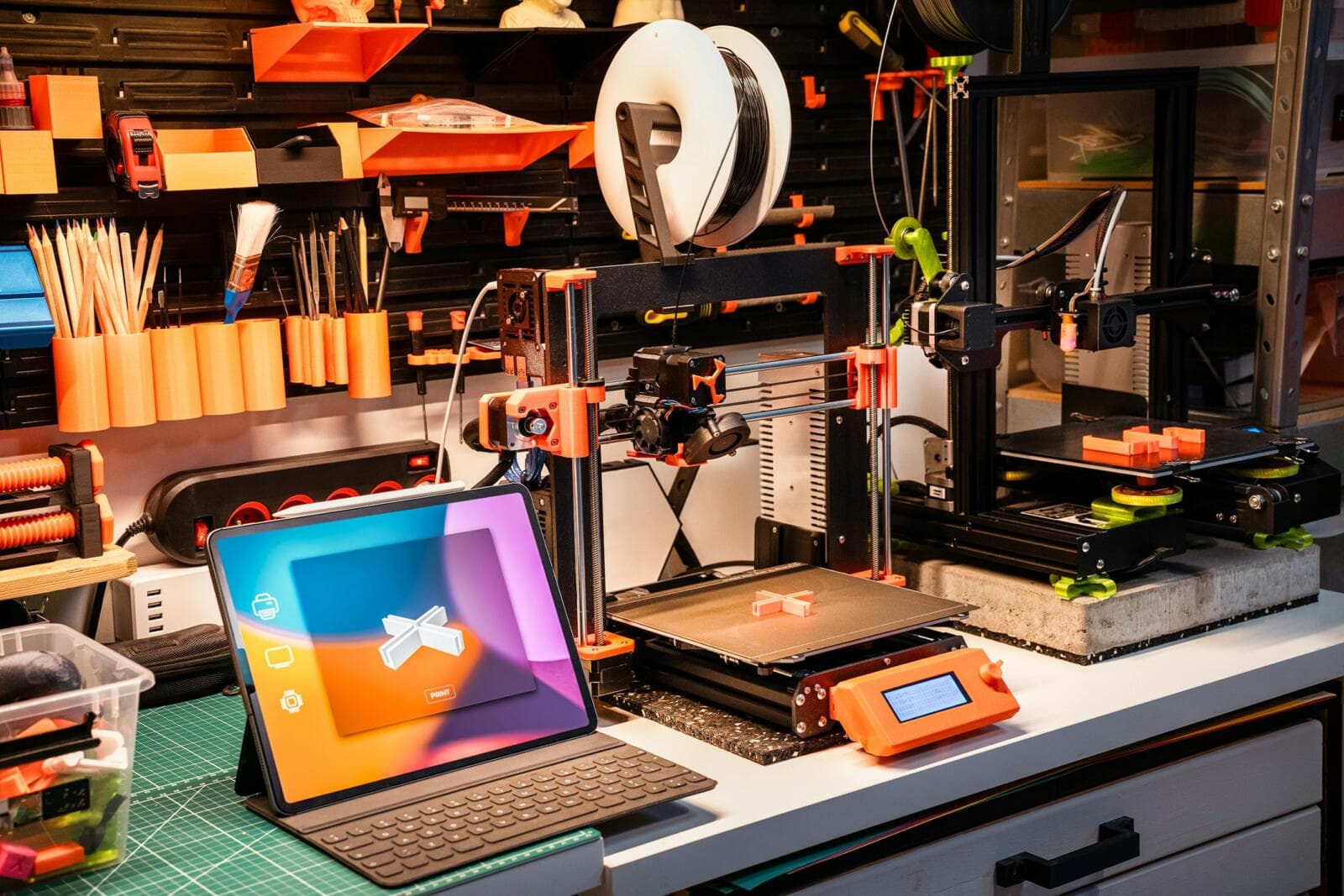
- Rapid prototyping (3D printing, laser cutting, CNC, resin casting, sewing/sampling, foam modelling)
- Electronics prototyping (PCB design support, assembly, enclosure integration, test rigs)
- Low-volume production (short runs for pilots, market tests, crowdfunding fulfilment)
- Prototype refinement and iteration (version control, testing, improvement cycles)
- Specialist finishing (painting, sanding, post-processing, packaging mockups)
One of the biggest legal realities of this industry is that clients often come to you before they’ve protected their intellectual property (IP). That means your confidentiality processes and contracts matter from day one.
Who Are Your Typical Customers?
Your prototyping customers can include:
- Startup founders building a minimum viable product (MVP)
- Manufacturers outsourcing overflow prototype work
- Engineers and inventors developing new components
- Universities, research teams, and labs
- Builders and trades needing custom fixtures or parts
- Designers building packaging, product mockups, and samples
Each customer type has slightly different needs - and different risk areas. For example, a consumer product startup may need brand and design protection, while an industrial client may care more about performance specs, lead times, and liability allocation.
Step-By-Step: How To Start Your Prototyping Business
Starting a prototyping business is a lot easier when you break it into clear steps. Here’s a practical roadmap you can follow in 2026.
1. Choose Your Niche And Your “Prototype Offer”
It’s tempting to offer everything to everyone - but prototyping businesses tend to grow faster when they’re known for something specific.
You might niche by:
- Process: FDM 3D printing, SLA resin, SLS, CNC, soft goods sampling, electronics
- Industry: medical devices (careful here), mining, automotive, consumer goods, architecture
- Turnaround: ultra-fast iteration, same-week delivery, “design-to-prototype” packages
- Complexity: functional prototypes, engineering-grade parts, or presentation mockups
From a legal perspective, your niche helps you work out what your terms need to cover (for example: performance specs, tolerances, testing responsibility, or client-provided design assumptions).
2. Set Your Pricing And Payment Model Early
Cash flow is one of the most common pain points in service businesses - and prototyping is no exception.
Think about whether you’ll charge by:
- hourly labour (design time, machine time, post-processing time)
- fixed package (e.g. “prototype sprint”)
- per part (plus materials)
- milestones (deposit, design sign-off, build, delivery)
Whatever you choose, your contracts should align with it - especially around deposits, change requests, reprints, cancellations, and delays caused by client feedback cycles.
3. Register Your Business And Set Up The Basics
Before you start taking orders (especially from businesses that need invoices and purchase orders), set up your structure and registrations properly.
- If you trade under a name that isn’t your own personal name, you’ll usually need a registered business name.
- If you want stronger asset protection and a structure that may suit growth, a company structure may be worth considering.
Many founders start by registering their Business Name and then consider whether they want to move into a company structure as they take on larger contracts and higher risk work.
If you’re setting up a company, you’ll usually need to think about shareholders, directors, and what happens if a co-founder leaves - and it’s often easier to get those decisions clear early rather than when the business is under pressure.
For founders who want a company structure from day one, a Company Set Up can help you start on a clean foundation.
4. Build A Simple But Repeatable Workflow
In 2026, clients expect fast turnaround - but “fast” only works if your workflow is consistent.
Consider building a standard process like:
- initial intake form (files, dimensions, intended use, tolerances, deadlines)
- quote and scope confirmation (including exclusions and assumptions)
- deposit invoice
- design approval checkpoint
- prototype build and post-processing
- delivery and acceptance (and what counts as “accepted”)
This isn’t just operationally helpful - it becomes the backbone for your legal terms too (especially around approvals, scope creep, and disputes about whether the prototype “meets expectations”).
What Business Structure Should You Choose (And Why It Matters For Prototyping)?
Your business structure affects your tax setup, your admin, and (most importantly for prototyping businesses) your personal risk exposure.
In Australia, the common options are:
- Sole trader: often the simplest to start, but you are personally responsible for the business’s debts and liabilities.
- Partnership: can work if you’re truly building together, but partners can be jointly responsible for debts (and disputes can get messy without clear agreements).
- Company: a separate legal entity, which can help limit personal liability in many situations and may suit businesses taking on larger projects or higher-risk work.
Prototyping can be “higher risk” than many service businesses because prototypes can fail, be used incorrectly, or be relied on in a way you didn’t intend. The bigger the project value (or the more safety-critical the use case), the more important it is to get the structure and contracts right.
Do You Need A Company To Start?
Not necessarily. Plenty of prototyping businesses start as sole traders.
However, if you’re:
- signing bigger B2B contracts,
- working with industrial clients,
- holding expensive equipment,
- hiring staff, or
- planning to bring on investors or co-founders,
it’s worth getting advice early on whether a company is a better fit.
What Laws And Compliance Issues Apply To A Prototyping Business In Australia?
Even though prototyping is often “behind the scenes”, you’re still running a business - and there are a few legal areas you’ll want to keep on your radar from the start.
Australian Consumer Law (ACL)
If you supply products or services to consumers (and sometimes to small businesses), the Australian Consumer Law (ACL) may apply. This impacts:
- how you describe your services (no misleading claims about capability, tolerances, materials, or timelines)
- refund and remedy expectations in certain situations
- fairness in your terms (especially if you’re using standard terms for smaller clients)
A practical tip: in prototyping, clients often confuse a “prototype” with a “finished product”. Your marketing and quoting process should clearly explain what the client will receive, what testing is required, and what limitations apply.
Work Health And Safety (WHS)
Workshops can involve machinery, heat, fumes, resin handling, dust, sharp tools, and heavy equipment. WHS obligations apply whether you’re a one-person shop or a growing team.
If you’ll have a physical workspace, think about safe operating procedures, training, PPE, ventilation, signage, and incident reporting processes.
Privacy And Data Handling (Especially If You Operate Online)
Many prototyping businesses collect personal information through quote forms, email lists, customer accounts, or even just basic invoicing and delivery details.
If you collect personal information, you’ll often need a clear Privacy Policy that explains what you collect, how you use it, and who you share it with (for example, couriers or cloud file storage providers).
Intellectual Property (IP) Risk: Protecting Your Work And Avoiding Infringement
IP can be the biggest “hidden” risk in prototyping.
On the client side, they may share designs they consider confidential or commercially valuable. On your side, you might create CAD models, jigs, processes, or improvements that are genuinely valuable.
It’s also possible to get caught in the middle - for example, if a client asks you to reproduce a part that is protected by someone else’s IP.
If you’re building a brand that you want to protect long-term, registering your business name or logo as a trade mark can be a smart move. Many businesses do this through Register Your Trade Mark once they’re confident about the name and market direction.
Employment And Contractors
If you scale in 2026, you might hire designers, machine operators, or admin support. You may also engage freelancers for CAD work, rendering, or electronics design.
If you hire employees, it’s important to have a proper Employment Contract and to comply with minimum entitlements, safety obligations, and workplace policies.
If you use contractors, you’ll want agreements that cover confidentiality, IP ownership, deliverables, and payment terms - especially where they touch customer projects.
What Legal Documents Do You Need For A Prototyping Business?
Prototyping businesses live and die by clarity: what you’re doing, what you’re not doing, and what happens if something goes wrong or changes mid-stream.
That’s why contracts aren’t just “legal admin” here - they’re part of delivering a professional service.
Some of the key legal documents to consider include:
- Client Service Agreement: This sets the rules for how you work with clients - scope, timelines, fees, acceptance criteria, change requests, limitation of liability, and IP clauses. Many prototyping businesses use a tailored Service Agreement so each job has a clear legal framework.
- Non-Disclosure Agreement (NDA): If clients are sharing inventions or unreleased designs, an NDA helps protect confidentiality before you even start quoting or reviewing files. A Non-Disclosure Agreement is especially common when you’re pitching to enterprise clients or dealing with early-stage startups.
- Website Terms And Conditions: If you take orders or quote requests online (or provide downloadable templates, files, or resources), website terms help set user rules and protect your platform.
- Privacy Policy: If you collect personal information online, a Privacy Policy helps you communicate your data practices and meet privacy expectations.
- Supplier Agreements: If you rely on materials suppliers or outsourced fabrication partners, supplier terms help manage lead times, quality issues, returns, and liability when something arrives unusable.
- Contractor Agreements: If you engage freelance CAD designers, engineers, or fabricators, a contractor agreement can clarify IP ownership, confidentiality, and delivery obligations.
Prototyping-Specific Clauses You Should Think About
Prototyping is unique because the “finished output” is often intentionally unfinished. It’s meant to be tested, changed, and improved.
That’s why your agreements often need to address things like:
- Approval checkpoints: what happens when the client signs off a CAD file, drawing, or spec
- Change requests: how you price and schedule revisions (and what counts as “out of scope”)
- Performance disclaimers: where the client is responsible for testing and confirming suitability
- Client-supplied information: you’re relying on their requirements, measurements, and intended use
- IP ownership: who owns CAD files you create, jigs you build, or improvements you suggest
- Confidentiality: how you store, share, and delete sensitive design files
- Limitation of liability: sensible boundaries on what you’re responsible for (particularly for prototypes used in higher-risk settings)
These details are where disputes often start, so it’s worth getting the wording right rather than relying on generic templates.
How Do You Protect Your Prototyping Business As You Scale In 2026?
Once you’ve got traction, scaling a prototyping business tends to create new legal and commercial pressure points. Planning for them early can make growth far smoother.
Move From “Handshake Deals” To A Standard Engagement Process
In the early days, it’s common to quote over email and get started quickly. As you grow, that approach can lead to:
- scope creep (extra versions, extra parts, more revisions)
- delayed sign-offs and stalled timelines
- disputes about what was promised
- late or missing payments
A standard engagement process (quote → acceptance → deposit → milestones → delivery) makes your business easier to run and easier to defend if something goes wrong.
Be Careful With “Design Help” If You’re Not Providing Engineering Certification
Clients often ask for advice that feels casual: “Will this hold weight?” or “Is this safe?”
It’s fine to provide general guidance within your expertise, but be very clear about what you are (and aren’t) responsible for - particularly if you’re not providing certified engineering services.
This is another reason strong client terms matter: they can clarify that prototypes require proper testing and validation and that final product safety is the client’s responsibility (unless you’ve agreed otherwise in writing).
Protect Your Brand Before Someone Else Does
If your prototyping business becomes known for high-quality work, your brand can become valuable quickly - especially if you’re building partnerships with accelerators, maker spaces, or manufacturers.
Trade mark protection can help prevent competitors from trading under a confusingly similar name. For many businesses, the next step is to Register Your Trade Mark once the name is locked in and you’ve confirmed your target market.
Get Ready For Bigger Clients (And Their Contracts)
When you start working with larger businesses, you may be asked to sign their procurement terms, supplier codes, or master service agreements.
Those contracts can shift risk onto you - even if the job value is relatively small. It’s worth reviewing them carefully before you sign, especially around:
- IP ownership and licensing
- confidentiality and data security requirements
- warranties (promises) about performance or fitness for purpose
- indemnities (where you agree to cover someone else’s loss)
- limitations of liability (or lack of them)
If you’re unsure, it’s usually cheaper to get advice before signing than to deal with a dispute later.
Key Takeaways
- Starting a prototyping business in 2026 is a real opportunity, but success depends on clear processes, consistent delivery, and strong legal foundations.
- Choosing the right business structure (sole trader, partnership, or company) affects your risk exposure, especially when you’re handling high-value or higher-risk prototype work.
- Prototyping businesses should pay close attention to confidentiality and intellectual property from day one, because clients may share valuable designs before they’re protected.
- Clear client terms and a well-drafted Service Agreement can help prevent disputes about scope, change requests, prototype performance expectations, and payment.
- If you collect customer data through quote forms or online systems, you’ll likely need a Privacy Policy that fits your operations.
- As you scale, it’s worth tightening your engagement process, preparing for enterprise contracts, and protecting your brand with trade mark registration.
If you would like a consultation on starting a prototyping business, you can reach us at 1800 730 617 or team@sprintlaw.com.au for a free, no-obligations chat.

Sapna Goundancontent writer