
Alex is Sprintlaw's co-founder and principal lawyer. Alex previously worked at a top-tier firm as a lawyer specialising in technology and media contracts, and founded a digital agency which he sold in 2015.
Contents
Australia’s hemp industry is growing fast. From food-grade hemp seed products and skincare to textiles and building materials, there are genuine opportunities for innovative businesses.
But the legal framework is nuanced. “Hemp” sits alongside highly regulated cannabis laws, and the rules change depending on whether you’re growing crops, manufacturing, importing, or selling to consumers.
If you’re asking “Is hemp legal in Australia?” the short answer is yes-within strict limits. This guide breaks down what counts as legal industrial hemp, how the rules differ for seeds, oil, flower and CBD, and the key licences, documents and compliance steps to set your hemp venture up the right way.
What Is Hemp In Australia?
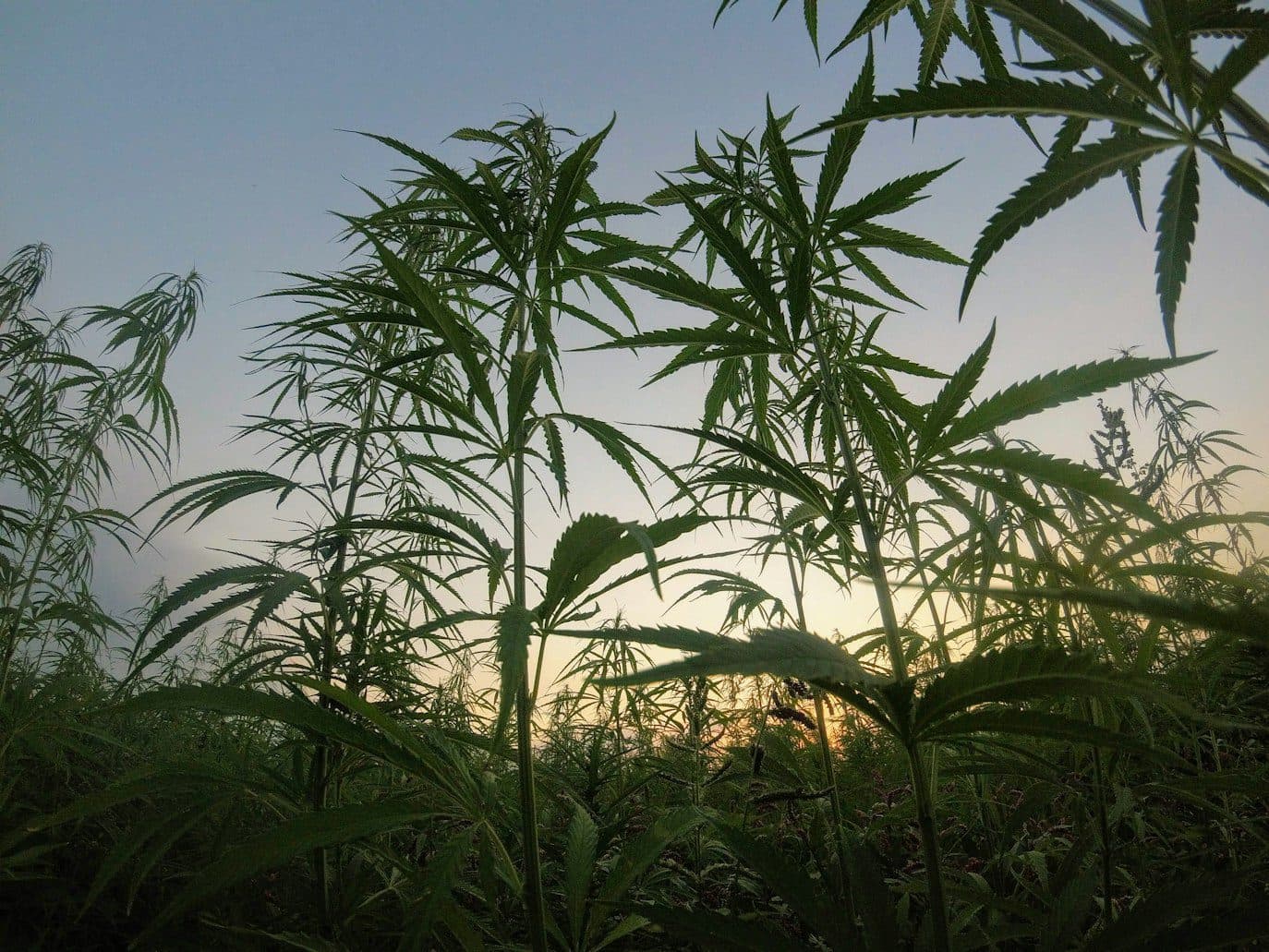
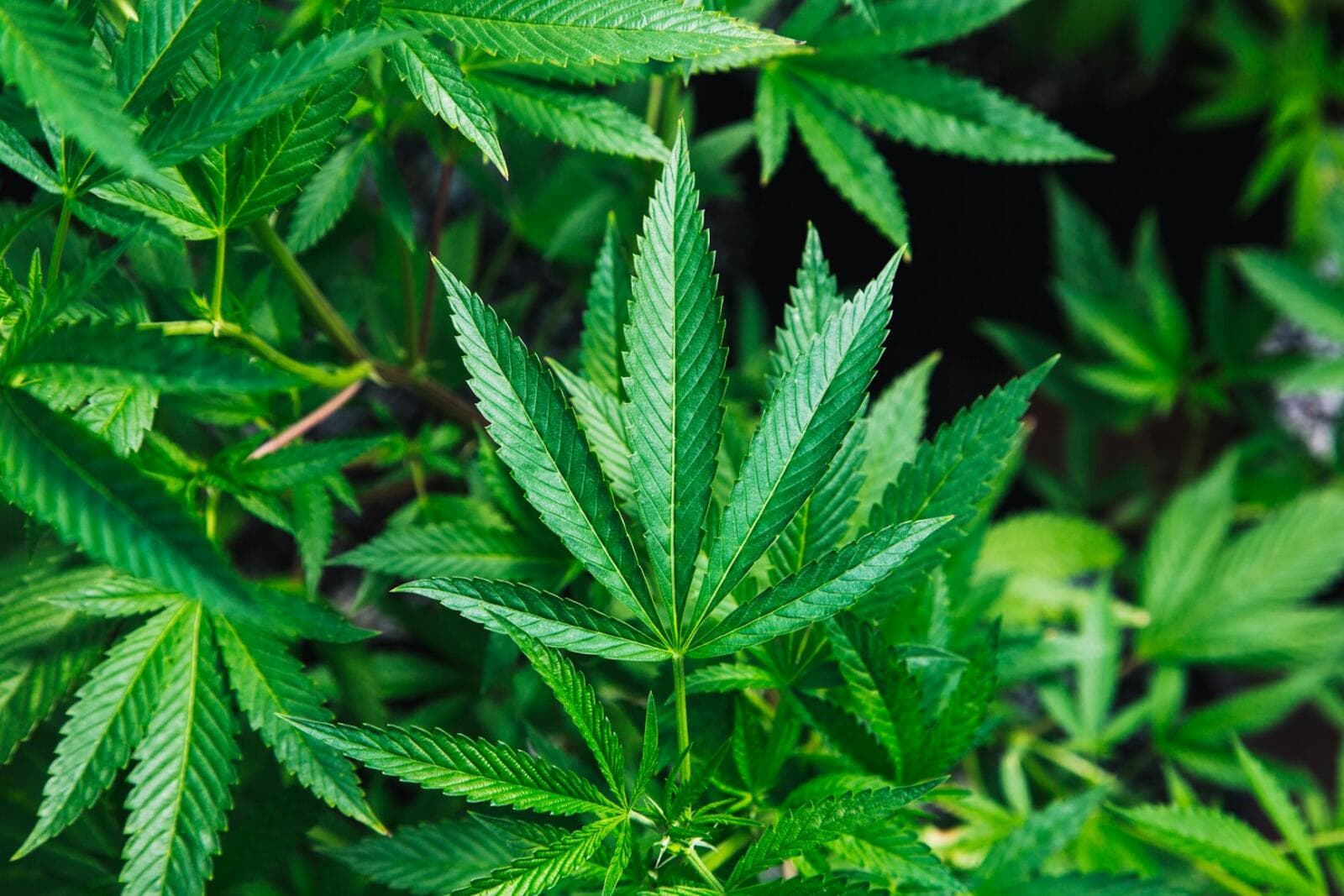
In Australia, “industrial hemp” generally refers to varieties of Cannabis sativa bred to contain very low levels of tetrahydrocannabinol (THC), the psychoactive compound found in cannabis.
At the crop level, states and territories impose a maximum THC content for industrial hemp plants (measured as a percentage of THC in leaves and flowering heads on a dry weight basis). The exact limit varies by jurisdiction, but it’s typically up to 1% THC for licensed crops.
Hemp can be used for a wide range of lawful products. Common categories include:
- Food: hulled (non-viable) hemp seeds, hemp seed oil and foods containing them
- Cosmetics and skincare: creams, balms and serums using hemp seed oil
- Fibre and materials: textiles, rope, paper and hempcrete for construction
- Industrial inputs: animal bedding, bioplastics and other biomaterials
The key legal point is that “industrial hemp” is regulated differently to medicinal cannabis. Hemp seed foods are permitted within strict THC limits; CBD products and cannabis flower are subject to a separate, much tighter regime (more below).
Is Hemp Legal In Australia Today?
Yes-industrial hemp is legal to grow, process and sell in Australia when you meet the relevant licensing, THC limits and use restrictions. However, the rules differ depending on what you want to do.
Growing Industrial Hemp
You need a state or territory industrial hemp licence to cultivate, harvest or supply raw plant material. Licences exist to ensure crops are low-THC varieties and to control where biomass ends up (for example, fibre, approved foods or industrial uses).
Every jurisdiction sets its own eligibility criteria, crop testing methods and record-keeping requirements. If you plan to grow or process hemp, your first step is to confirm the licensing scheme in the state or territory where you’ll operate.
Selling Hemp Seed Foods (Seeds, Oil and Ingredients)
Since 2017, hemp seed foods have been permitted in Australia under the Food Standards Code. Key requirements include:
- Seeds must be non-viable (they cannot germinate). This is commonly achieved by selling hulled seeds or heat-treated seeds. Hemp seed oil must be extracted and contain no viable seed material.
- Very low THC limits apply to foods, measured in milligrams per kilogram (mg/kg)-not percentages. The limits differ by product type. As broad examples, beverages have the tightest limits, oils have higher allowable limits, and most other foods sit in between. Your product must test within the correct mg/kg threshold for its category.
- Strict labelling rules apply. You cannot suggest psychoactive effects, you can’t market the food as having CBD, and there are restrictions on using cannabis imagery (such as leaves or buds). Standard food labelling obligations also apply.
For businesses manufacturing or retailing hemp foods, it’s essential to implement verified THC testing across batches and keep clear records of results and supplier certifications.
Can You Sell Hemp Flower?
Retail sale of cannabis flower (including low-THC “hemp flower”) for human consumption or smoking is generally not permitted in Australia outside of the medicinal cannabis framework. Even if the underlying crop is a licensed industrial hemp variety, selling dried flower to consumers for smoking or ingestion will typically breach drug laws.
Businesses may handle hemp biomass (including flowering heads) under an industrial hemp licence for approved industrial purposes such as fibre processing. But that is different to retailing flower to the public. If your model involves any form of flower sale, seek tailored advice before you proceed.
CBD vs Hemp Seed Oil-What’s The Difference?
Hemp seed oil is a food product pressed from non-viable seeds and contains negligible naturally occurring cannabinoids like CBD or THC (and it must comply with very low THC limits as a food).
CBD (cannabidiol) products, by contrast, are regulated as medicinal cannabis under federal law. At present, CBD products require Therapeutic Goods Administration (TGA) pathways and a valid prescription for supply in Australia. Selling CBD to consumers without appropriate approvals is unlawful, even if the CBD is derived from hemp.
How Do I Start A Hemp Business In Australia?
Getting your legal foundations right early will save time and cost later. Here’s a practical roadmap you can follow.
1) Validate Your Concept And Plan
- Define your product range: foods, skincare, textiles, building materials or B2B supply.
- Clarify your supply chain: licensed growers, processors, labs and logistics partners.
- Map compliance requirements by product: licences, testing, labelling and claims.
- Build your financial model: cost of goods, testing, certifications, insurance and compliance overheads.
2) Choose A Business Structure
Your business structure affects risk, tax and growth options:
- Sole trader: simple and low-cost, but no separation between business and personal liability.
- Partnership: straightforward for two or more founders, with partners generally sharing liability.
- Company: a separate legal entity that offers limited liability and is often preferred for ventures that will scale, raise capital or hold valuable IP.
If you decide to incorporate, consider a company set up to formalise ownership and governance from day one. Where there are multiple founders, a Shareholders Agreement helps you agree decision-making rules, roles and exit terms upfront.
3) Register Your Business And Name
Apply for an ABN and register for GST if required. If you’ll trade under a name other than your own or your company’s name, register a business name. Sprintlaw can help with business name registration so your branding is secured and searchable.
4) Secure Licences And Permits
Match your licence pathway to your activities:
- Industrial hemp licence: required for cultivation, handling, processing or supply of raw plant material in your state or territory.
- Food business registration: required for manufacturing or selling hemp seed foods. Expect inspections, food safety programs and routine audits.
- Therapeutic goods permissions: if your plans touch medicinal cannabis pathways (e.g., CBD), different federal approvals apply. Do not market CBD as a food or cosmetic.
5) Lock In A Compliant Supply Chain
Work only with licensed growers and processors. Implement contracts that set quality specifications (including THC thresholds), batch testing, non-viable seed warranties and recall procedures. A tailored Supply Agreement goes a long way to managing risk.
6) Build Your Brand And Protect IP
Register your brand name and logo as trade marks before you launch. Early protection reduces the risk of copycats and gives confidence to distributors and retailers. Sprintlaw’s team can assist you to register your trade mark in the right classes for your products.
7) Prepare Your Contracts And Website Policies
If you sell direct to consumer, you’ll need clear customer terms and a compliant online presence. If you supply wholesale, set out payment, delivery and liability terms in writing. We cover the key documents later in this guide.
8) Plan For Ongoing Compliance
Schedule licence renewals, testing cycles, label reviews and internal audits. Keep up with any changes to food standards, state licensing rules and advertising guidance. Hemp is a fast-moving space-build compliance into your operations, not as an afterthought.
What Licences And Laws Apply To Hemp Businesses?
The legal framework for hemp draws on federal and state/territory rules. The main areas to consider are below. Always match obligations to your specific activities and products.
Industrial Hemp Licensing (State/Territory)
- Licences are required to grow, harvest, possess or process low-THC cannabis plants and seed.
- Authorities typically require police checks, fit and proper person assessments, approved varieties, crop sampling and destruction protocols for non-compliant crops.
- Keep meticulous records of seed provenance, planting, testing and sales to licensed parties.
Food Standards For Hemp Seed Foods
- Hemp seed foods must meet strict THC limits expressed in mg/kg for different food categories.
- Seeds must be non-viable. Commonly, this is ensured by hulling or heat treatment, and oils must not contain viable seed material.
- Labels must avoid cannabis drug claims, references to psychoactive effects and restricted imagery. Standard food labelling rules apply (ingredient lists, allergen, nutrition information where required).
Medicinal Cannabis (TGA/ODC) And CBD Products
- CBD products fall under the medicinal cannabis framework, not the hemp food rules. Prescription pathways and TGA requirements apply.
- It is unlawful to sell CBD products to consumers without appropriate approvals, even if derived from hemp.
- Do not market foods or cosmetics as containing CBD.
Australian Consumer Law (ACL)
- Your advertising, labelling and claims must not mislead or deceive. This is crucial where consumers may be confused about “hemp,” “CBD” and “cannabis.”
- Consumer guarantees and refunds apply to defective goods. Understand your obligations under the ACL and avoid problematic claims by reviewing misleading or deceptive conduct rules.
Privacy And Data
Many small businesses are exempt from the Privacy Act 1988 (Cth) if their annual turnover is under $3 million. However, exemptions are complex and may not apply if you trade in personal information, handle health information, or operate certain types of businesses.
Practically, if you sell online or run marketing lists, it’s best practice to publish a clear Privacy Policy and follow consent, security and access principles. Marketplaces and payment gateways also often require you to maintain one.
Employment And Safety
If you hire staff, issue a written Employment Contract, pay according to any applicable awards, and comply with workplace health and safety duties. Production environments and food handling processes should have documented procedures and training.
Brand And IP Protection
Protecting your brand is essential in a category with similar-looking products. Register your trade marks, consider registered designs for distinctive packaging, and ensure you have assignments for any IP created by contractors. For brand protection basics, start with your trade mark strategy.
Advertising And Claims
- Don’t imply psychoactive effects or medicinal properties for food or cosmetic products.
- Avoid references to CBD or THC content in ways prohibited by food labelling standards or therapeutic advertising rules.
- Ensure any nutrition or health claims meet the Food Standards Code and substantiation requirements.
What Legal Documents Will A Hemp Business Need?
The right contracts and policies make your compliance plan real-and they help prevent disputes. The mix you need will depend on your model, but most hemp businesses will use some combination of the following.
- Supply Agreement: sets quality specs, testing responsibilities, THC limits, delivery, pricing, warranties (including non-viable seed warranties) and recall procedures with growers or processors. A tailored Supply Agreement is central if you buy or process inputs.
- Terms of Trade or Customer Terms: governs orders, delivery, risk and returns with wholesale customers and retailers. For D2C, use clear online shop terms such as Online Shop Terms & Conditions or general Terms of Trade.
- Website Terms & Conditions: explains acceptable use of your site, IP ownership and limits of liability. This pairs with your store terms; start with Website Terms & Conditions.
- Privacy Policy: sets out what data you collect and how you handle it-important for e-commerce, email marketing and platform compliance. See Privacy Policy.
- Manufacturing or White-Label Agreement: if a third party produces your products, capture formulation confidentiality, quality, audits, IP ownership and product liability allocation.
- Distribution Agreement: for exclusive territories or channels, define performance, pricing, marketing requirements and termination triggers.
- Employment Contracts And Policies: outline roles, confidentiality and safety procedures-especially for food handling and manufacturing roles. Use a written Employment Contract for each employee.
- Shareholders Agreement: if you have co-founders or investors, a Shareholders Agreement sets decision rights, vesting, and exit processes.
Not every business needs every document on this list. Focus first on what touches your day-to-day trading (supply, sales and your website), then add governance and employment documents as you grow.
Importing, Exporting And Selling Online
Many hemp businesses look offshore for inputs or for new markets. A few extra legal checks apply in these scenarios.
Importing And Exporting
- Food and biosecurity: importing seeds or food products triggers biosecurity and customs requirements. Ensure your products meet Australian THC limits and any testing or treatment conditions (e.g., non-viable seeds).
- Controlled materials: imports of cannabis materials other than permitted hemp seed foods can require special permissions. Don’t assume a product is “hemp” and therefore exempt-verify the category and paperwork.
- Destination-country rules: if exporting, check the target market’s definitions, THC thresholds and labelling rules. Your Australian-compliant label may still need changes for overseas retail.
Selling Online And Across Borders
If you sell online, make sure your site has clear customer terms and a Privacy Policy, and that your product claims are consistent across product pages, labels and ads. Where you ship overseas, screen orders for restricted destinations and align your shipping policy with customs requirements.
As your brand grows, revisit your trade mark coverage in other countries you are targeting to maintain protection in those markets.
Key Takeaways
- Industrial hemp is legal in Australia within strict limits-cultivation, processing and sale are regulated at the state/territory level, and food-grade products must meet very low THC limits measured in mg/kg.
- Hemp seed foods (like non-viable seeds and hemp seed oil) can be sold if they comply with the Food Standards Code, including labelling rules that prohibit psychoactive or CBD-related claims.
- Retail sale of cannabis flower to consumers is generally not permitted outside the medicinal framework. CBD products are regulated as therapeutic goods and cannot be sold like foods or cosmetics.
- Choose the right structure, register your business details and secure the licences your activities require before you launch.
- Lock down your supply chain and protect your brand with the right contracts and IP registrations-prioritise a Supply Agreement, customer terms, Website Terms & Conditions and a Privacy Policy.
- Stay on top of Australian Consumer Law, privacy, employment and advertising rules; build regular testing, record-keeping and label reviews into your operations.
If you would like a consultation on starting or scaling a hemp business in Australia, you can reach us at 1800 730 617 or team@sprintlaw.com.au for a free, no-obligations chat.