
Alex is Sprintlaw's co-founder and principal lawyer. Alex previously worked at a top-tier firm as a lawyer specialising in technology and media contracts, and founded a digital agency which he sold in 2015.
Contents
If you’re building a business in the medicinal cannabis space in Queensland, you’re stepping into a fast-growing industry - but also one of the most heavily regulated in Australia.
That mix can be exciting (because the commercial opportunity is real) and daunting (because getting it wrong can mean serious penalties, disrupted operations, and investors walking away).
This guide is written for startups and small businesses looking to operate legally in the “medicinal weed QLD” space - whether you’re planning to cultivate, manufacture, supply, distribute, run a clinic-adjacent service, or build a product/tech company supporting the sector.
Note: This article is general information only and doesn’t take into account your specific circumstances. It isn’t legal advice.
We’ll walk through the big legal building blocks: licensing pathways, Queensland compliance considerations, and the commercial agreements that help you operate smoothly and scale safely.
What Does “Medicinal Weed” Mean In QLD (From A Business Perspective)?
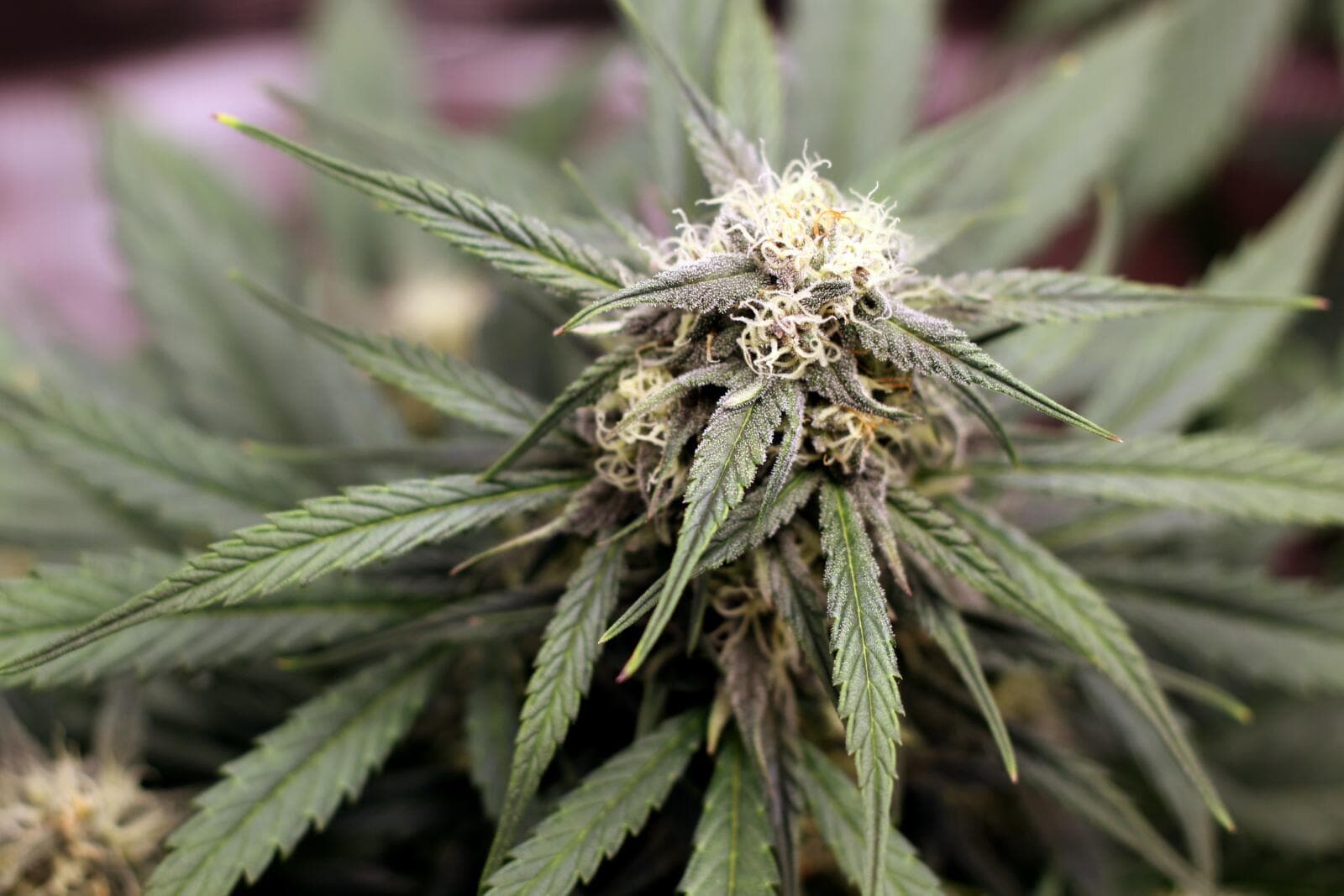
In Australia, “medicinal weed” is commonly used to describe medicinal cannabis products that are supplied lawfully for therapeutic use (typically as prescription medicines).
From a business perspective, what matters is that medicinal cannabis is regulated across multiple layers, including (at a high level):
- Commonwealth frameworks that govern cultivation and manufacturing licences and permits (through the Office of Drug Control (ODC) under the Narcotic Drugs Act 1967 (Cth)), and the broader therapeutic goods regulatory framework overseen by the Therapeutic Goods Administration (TGA);
- State and territory medicines/poisons regimes (including Queensland rules) that affect possession, storage, prescribing, dispensing, and handling - in Queensland, this is primarily regulated through Queensland Health and the Medicines and Poisons Act 2019 (Qld) and associated regulation; and
- Product and marketing rules that influence what you can say publicly, how you label, and how you supply - including strict limits on advertising prescription-only medicines.
One practical way to think about it: even if your business is “just” providing services (like logistics, software, staffing, or consulting), you may still touch regulated activities through access to product, data, claims, or controlled premises. That’s why it’s worth mapping your business model early.
Start With A Clear Business Model Map
Before you spend money on premises, equipment, or supply arrangements, map:
- What activities your business will actually perform (cultivation, extraction, manufacture, wholesale, import/export, education, telehealth, software, etc.);
- Whether you will physically handle product (or store it, transport it, or access it);
- Who your customers are (patients, clinics, pharmacies, wholesalers, researchers, overseas buyers); and
- What you will say publicly to sell your product/service (this is where marketing and advertising compliance becomes critical).
This “model map” is often what determines the licences you’ll need, the contracts you should prioritise, and the compliance systems you’ll be expected to have in place.
How Do You Legally Operate Medicinal Weed In QLD? (Licensing And Approvals You May Need)
Most medicinal cannabis operators in Australia run into one key reality: you may need more than one approval, and you may need approvals from more than one regulator.
The exact pathway depends on what you do (cultivate, manufacture, supply, research, etc.). But for many businesses, licensing and approvals can involve:
- Licences and permits for cultivation and/or production (typically Commonwealth-led through the ODC under the Narcotic Drugs Act 1967 (Cth), with separate licences/permits depending on activities and sites);
- Manufacturing and quality obligations (particularly if you are extracting, formulating, packaging, or labelling products - and depending on what you do, TGA requirements may apply, including Good Manufacturing Practice (GMP) expectations);
- Queensland controlled drugs/poisons requirements (where your activities involve handling, storage, supply, prescribing/dispensing, or access to controlled substances, as administered by Queensland Health under the Medicines and Poisons Act 2019 (Qld)); and
- Import/export permissions if you are moving product across borders (including internationally), which can involve Commonwealth controls and permits.
Because “medicinal weed QLD” searches often reflect confusion about what’s legal, it’s worth spelling out one key point: Queensland does not operate as a standalone bubble. Your compliance will usually need to line up with both Commonwealth and Queensland requirements.
Common Business Scenarios (And Why Licensing Can Get Complicated)
Here are a few common startup scenarios we see, and the licensing/compliance questions they raise:
- Growing/cultivation: you’ll usually need a formal ODC licensing and permit pathway, plus strict physical security, record-keeping, and permit conditions.
- Extraction/manufacturing: quality systems, documentation, and manufacturing controls become central. Your facility, processes, and staff training are often scrutinised, and you may be dealing with GMP requirements and TGA-facing obligations depending on the product pathway.
- Wholesale/distribution: even if you’re “not making it,” you may still need approvals tied to handling, storage, transport conditions, and traceability under both Commonwealth and Queensland frameworks.
- Clinic-adjacent services or platforms: you may not touch product, but you may handle sensitive data, provide regulated information, or engage in marketing that triggers compliance risks - particularly if you’re influencing prescribing decisions or promoting prescription-only products.
The earlier you confirm your intended pathway, the less likely you are to redesign your operations later (which is where cost and delays usually blow out).
Premises, Security, And People Requirements
Medicinal cannabis businesses are typically expected to take security and access control seriously. Even if the exact rules differ depending on your licence type and activities, you should plan for:
- Restricted access areas and documented access controls;
- Staff screening and role-based permissions;
- Inventory tracking and reconciliation processes;
- Incident reporting and escalation pathways; and
- Clear SOPs (standard operating procedures) that staff can follow consistently.
From a legal risk perspective, many enforcement problems don’t start with bad intent - they start with weak processes. If you’re building a medicinal cannabis business in Queensland for the long term, compliance systems are part of your product, not just a back-office function.
What Business Structure Should You Use For A Medicinal Weed Startup?
When you’re operating in a regulated industry, your business structure isn’t just an admin decision - it can affect liability, investor readiness, governance, and how you sign contracts with suppliers and partners.
Common options include:
- Sole trader: simple to start, but your personal assets may be more exposed if something goes wrong.
- Partnership: can work for small teams, but it can also create shared liability and decision-making issues if it’s not properly documented.
- Company: often preferred for startups seeking investment and scaling, because it creates a separate legal entity (which can help manage risk and clarify ownership).
Many medicinal cannabis ventures choose a company structure early because they are dealing with high compliance risk, complex contracting, and (often) external funding.
If you’re setting up a company, it’s worth getting the foundations right from day one - including governance rules and decision-making processes. That usually involves your incorporation documents and internal arrangements, such as a Company Set Up and, where relevant, a tailored Company Constitution.
Co-Founders, Investors, And “Who Owns What?”
If you have two or more founders (or you plan to bring investors in), you should be clear on:
- Who owns what percentage of the company;
- Who controls day-to-day decisions versus major decisions;
- What happens if someone leaves;
- How new shares can be issued (and to whom); and
- How disputes will be handled.
This is where a Shareholders Agreement can be a practical risk-management tool - especially in a regulated business where compliance responsibilities and reputational risk are shared.
What Ongoing Compliance Issues Should Medicinal Weed QLD Businesses Plan For?
Licensing is only the beginning. Once you’re operating, your ongoing compliance obligations will likely influence how you hire staff, train teams, advertise, store records, and deal with customers.
Below are the compliance areas startups often overlook early - and then scramble to fix later.
1) Advertising And Claims: Be Careful What You Say Publicly
Medicinal cannabis is a highly sensitive category. Even if your product is lawful, your marketing still needs to comply with strict rules that apply to therapeutic goods, healthcare advertising, and misleading conduct.
In particular, most medicinal cannabis products supplied to patients are prescription-only medicines. Advertising prescription medicines to the public is generally prohibited under the Commonwealth therapeutic goods advertising framework (and related requirements), so businesses need to be extremely careful about any public-facing promotion.
In practice, this means you should be cautious about:
- Making therapeutic claims you can’t substantiate;
- Implying guaranteed outcomes;
- Publishing public-facing content that could be characterised as advertising a prescription-only medicine (including indirect promotion); and
- Using testimonials or before-and-after style messaging in a risky way (particularly where they relate to therapeutic goods or health outcomes).
On top of sector-specific advertising rules, you must also comply with the Australian Consumer Law (ACL), including the general prohibition against misleading or deceptive conduct.
2) Privacy And Data: Especially If You’re Running A Platform Or Clinic-Adjacent Service
Many “medicinal weed QLD” businesses are tech-enabled - booking tools, telehealth workflows, patient onboarding, education platforms, or logistics systems.
If you collect personal information (and especially if you handle health information), privacy compliance becomes a major issue. You’ll generally want a fit-for-purpose Privacy Policy, plus internal privacy and security practices that match what you promise customers.
Common early risks include collecting too much data, not securing it properly, and using data in ways customers didn’t agree to (for example, for marketing).
3) Employment, Contractors, And Training
If you’re hiring staff, you’ll need to think about more than wages. In a regulated industry, training, supervision, and clear role definitions are essential - because human error can become a compliance breach.
Start with the basics: clear job descriptions, onboarding, and written agreements such as an Employment Contract that matches how the person will actually work.
If you’re engaging contractors (security providers, consultants, pharmacists, clinicians, lab technicians, logistics operators), it’s just as important to document scope, confidentiality, and compliance responsibilities in writing.
4) Finance And Security Interests (If You’re Buying Equipment Or Taking Funding)
Medicinal cannabis businesses are often capital-intensive - fit-outs, growing equipment, manufacturing assets, vehicles, storage infrastructure.
If you’re taking finance, leasing equipment, or offering security to lenders, you may see documents like a general security agreement or requests to register security interests. Understanding these documents early can prevent unpleasant surprises later (like losing assets if there’s a default). If this is part of your funding plan, a General Security Agreement is one you’ll want reviewed carefully.
What Commercial Agreements Should A Medicinal Weed QLD Business Have?
In a regulated industry, contracts do more than allocate commercial risk - they also help prove compliance, clarify responsibilities, and keep your operations consistent as you scale.
Not every business will need every agreement below, but most Queensland medicinal cannabis startups will use several of them.
Customer Terms (If You Sell Online Or Provide Services)
If you’re selling a product or providing services via a website or platform (including B2B portals), you’ll usually want clear terms that cover:
- Ordering and payment terms;
- Delivery, risk transfer, and title (who “owns” goods at which point);
- Refunds and limitations (consistent with the ACL);
- Acceptable use (particularly for platforms); and
- Liability allocation (within what’s legally allowed).
For many online-facing businesses, that starts with properly drafted Website Terms and Conditions.
Supply And Manufacturing Agreements
Your supply chain is one of the biggest operational risk areas in medicinal cannabis. You may rely on growers, manufacturers, labs, packaging providers, logistics providers, or wholesalers.
A strong supply agreement can help clarify:
- Specifications and quality standards (and what happens if they’re not met);
- Testing, batch acceptance, and recalls;
- Packaging and labelling responsibilities;
- Delivery terms and lead times;
- Pricing, minimum orders, and exclusivity (if any); and
- Audit rights and record-keeping requirements.
This is often documented in a fit-for-purpose Supply Agreement, sometimes supported by SOPs and technical schedules.
Distribution And Logistics Agreements
If your business distributes medicinal cannabis (or facilitates distribution), your contracts should clearly address:
- Chain-of-custody obligations and handling requirements;
- Storage and transport conditions;
- Insurance responsibilities;
- Incident management (loss, theft, temperature excursions, delays); and
- Compliance cooperation (including regulator engagement if something goes wrong).
Even if you’re outsourcing logistics, you remain exposed if your partner’s processes don’t align with your obligations. The contract is where you set minimum standards and create enforceable accountability.
Confidentiality And IP Protection (Especially For Formulations And Processes)
Many Queensland medicinal cannabis businesses have valuable know-how: formulations, growing methods, extraction techniques, supplier lists, and customer pipelines.
Make sure you protect confidential information when dealing with:
- Potential investors;
- Contract manufacturers and labs;
- Consultants and contractors; and
- Joint venture or strategic partners.
Often, that starts with an NDA (non-disclosure agreement), and then continues through well-drafted services and supply contracts with confidentiality, IP ownership, and restrictions on use.
Founder And Exit Arrangements (Because Regulated Businesses Are High-Stakes)
In regulated industries, a founder exit can be more disruptive than in other sectors - because licences, key-person requirements, and compliance culture can be closely tied to leadership and governance.
It’s worth planning for:
- Founder departure (voluntary or forced);
- Equity vesting (to avoid someone leaving early with a large stake);
- Non-compete and non-solicitation clauses (where appropriate and enforceable); and
- Dispute resolution processes that don’t derail operations.
This is another reason founders often put governance documents in place early, rather than waiting until the first major disagreement.
Key Takeaways
- Building a medicinal cannabis business in Queensland usually involves layered regulation, and your exact licensing and compliance pathway depends on what you do (cultivation, manufacture, distribution, services, or tech).
- In practice, Commonwealth regulators like the ODC (cultivation/production licensing) and the TGA (therapeutic goods framework) often sit alongside Queensland Health requirements under Queensland medicines and poisons laws.
- Choosing the right business structure early can make it easier to manage risk, bring on investors, and sign the commercial agreements you’ll rely on as you scale.
- Ongoing compliance matters just as much as getting licensed - particularly around advertising/claims (including broad prohibitions on advertising prescription-only medicines), privacy and data handling, staff training, and quality/traceability systems.
- Strong contracts are essential in this sector, especially supply, manufacturing, distribution/logistics, customer terms, confidentiality, and founder governance arrangements.
- Many costly disputes in regulated industries start with unclear roles and weak documentation - tightening your legal foundations early can prevent major disruption later.
If you’d like a consultation on starting or scaling a medicinal cannabis business in Queensland, you can reach us at 1800 730 617 or team@sprintlaw.com.au for a free, no-obligations chat.
Note: This article is general information only and isn’t legal advice. Licensing and compliance requirements can vary significantly depending on your exact activities, products, locations and counterparties.