
Alex is Sprintlaw's co-founder and principal lawyer. Alex previously worked at a top-tier firm as a lawyer specialising in technology and media contracts, and founded a digital agency which he sold in 2015.
Contents
Thinking about launching a product in the health and wellness space? Whether you’re importing supplements, developing a skincare line that claims to treat acne, or distributing medical devices, you may be dealing with “therapeutic goods” under Australian law.
This is a highly regulated area. Done right, it’s a great opportunity to build a trusted brand. Done wrong, you can face TGA enforcement action, product recalls and costly rework.
In this guide, we break down what counts as a therapeutic good in Australia, when you need TGA approval or an ARTG entry, the key steps to set up your business, and the contracts and compliance obligations you should have in place from day one.
Our goal is to help you move confidently, avoid avoidable risks, and get your product to market the right way.
What Are Therapeutic Goods In Australia?
“Therapeutic goods” are products used in, on or for people (or animals, in some cases) to prevent, diagnose, cure or alleviate a disease or condition, or that otherwise affect the structure or function of the body. The Therapeutic Goods Administration (TGA) regulates these products.
Common categories include:
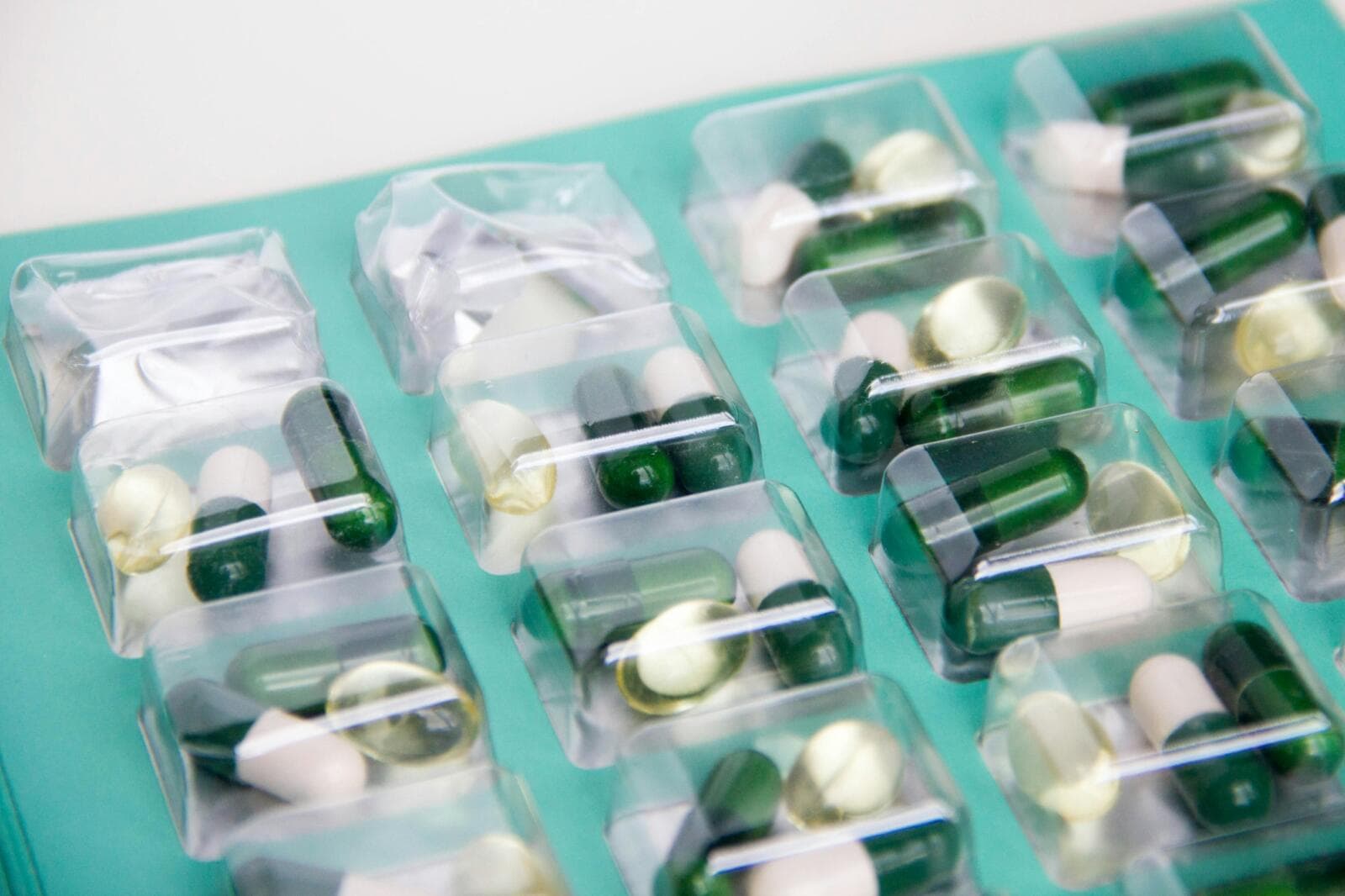
- Medicines (e.g. complementary medicines like vitamins and herbal tablets, over-the-counter medicines, prescription medicines)
- Medical devices (e.g. rapid antigen tests, wound dressings, software as a medical device, surgical instruments)
- Biologicals (e.g. certain human cell and tissue therapies)
- Some disinfectants and sterilants, and certain sunscreens
Borderline cases are common. For example, cosmetics become therapeutic goods if you make therapeutic claims (e.g. “treats eczema,” “repairs sun damage” or “kills 99.9% of viruses on skin”). If your marketing suggests a therapeutic purpose, TGA rules may apply even if the product looks like a cosmetic.
Do I Need TGA Approval Or ARTG Entry To Sell My Product?
In Australia, most therapeutic goods must be included in the Australian Register of Therapeutic Goods (ARTG) before supply. Whether and how you obtain an ARTG entry depends on what your product is and the risk it presents.
Medicines: Listed vs Registered
- Listed medicines (AUST L or AUST L(A)): Lower-risk complementary medicines (e.g. many vitamins and herbal products). Sponsors self-certify that the product only uses permitted ingredients at permitted doses, meets quality standards and only makes permitted low-level indications. The TGA can audit and cancel if claims or evidence don’t stack up.
- Registered medicines (AUST R): Higher-risk medicines require a full evaluation by the TGA for quality, safety and efficacy before registration (e.g. new prescription medicines, many over-the-counter medicines with higher risk).
Medical Devices: Classification And Conformity Assessment
Medical devices are classified by risk (Class I to Class III and Active Implantable). Higher classes require more rigorous conformity assessment and evidence. Software that diagnoses, monitors or treats conditions can be a device too.
Generally, the Australian sponsor (the legal entity responsible for the product in Australia) ensures conformity assessment is in place (e.g. ISO 13485, technical files) and obtains the ARTG inclusion before supply.
Are There Any Exemptions?
Yes. Limited exemptions may apply (e.g. certain lab use only devices, some clinical trial supplies, or personal importation). Exemptions are specific and often come with conditions. Don’t assume-verify the exact pathway for your product.
Who Is The “Sponsor”?
The sponsor is the Australian entity legally responsible for the product’s ARTG entry, post-market monitoring, reporting of adverse events and recalls. If you import or distribute therapeutic goods under your brand, you’re likely the sponsor.
Advertising Rules
All advertising of therapeutic goods to the public must comply with the Therapeutic Goods Advertising Code. This includes claims on packs, websites, social media, influencer content, customer testimonials and ads. Broadly, claims must be accurate, substantiated, not misleading and limited to what’s permitted for the product type.
How Do I Set Up My Therapeutic Goods Business?
Below is a practical, step-by-step roadmap to get your foundation right.
1) Map Your Product And Claims
- Define the product type (medicine, device, cosmetic, disinfectant, etc.).
- List every claim you plan to make (pack, website, ads, social, influencer scripts). Claims drive classification and evidence requirements.
- Match your claims to the regulatory pathway (e.g. permitted indications for listed medicines; device classification and intended purpose statements for medical devices).
If you plan to build a brand around therapeutic claims, consider early brand protection through a Trade Mark so your name and logo are protected as you scale.
2) Choose Your Business Structure
Pick a structure that suits your risk and growth plans:
- Sole trader: Simple and low cost, but you’re personally liable for business debts and claims.
- Partnership: Shared control and risk; partners can be jointly liable.
- Company: A separate legal entity that can provide limited liability and can look more credible to suppliers and investors.
Therapeutic goods often carry higher regulatory and product liability risk. Many founders choose a company to separate personal and business assets. If you’re ready, a streamlined way to proceed is a professional Company Set Up so you start with the right registrations and documents.
3) Confirm Your Regulatory Pathway
- For medicines: confirm listed vs registered pathway, permitted ingredients and permitted indications.
- For devices: confirm classification, conformity assessment route and technical documentation.
- Identify whether you must be the ARTG sponsor, or whether you will distribute under another sponsor’s ARTG entry (with written permission and appropriate agreements).
4) Build Your Supply Chain And Quality System
- Choose manufacturers with appropriate certifications (e.g. GMP for medicines, ISO 13485 for devices).
- Put robust contracts in place with manufacturers and distributors to lock in quality, responsibilities and recall procedures. For production, a tailored Manufacturing Agreement is essential.
- Document your quality management processes and complaint handling.
5) Prepare Your Compliance Pack
- Prepare evidence files to support claims (clinical or bibliographic evidence as required).
- Draft compliant labels, packaging and Instructions for Use (IFU).
- Develop your advertising and content approval process aligned with the Advertising Code.
6) Set Up Your Sales And Marketing Legals
- If selling direct-to-consumer, have clear Terms of Sale and, if you sell online, Website Terms and Conditions.
- If you collect personal information (orders, newsletters, accounts), you’ll need a compliant Privacy Policy.
- Prepare your warranty language to align with the Australian Consumer Law (ACL) and, where relevant, use a compliant Warranties Against Defects Policy.
7) Register On The ARTG (If Required) And Launch
Once your dossier, labelling and quality arrangements are in place and approvals or listings are complete, you can proceed to supply. Keep your post-market monitoring and adverse event reporting processes ready from day one.
What Laws And Codes Do I Need To Follow?
Several laws apply at the same time. Understanding how they fit together helps you stay compliant while you grow.
Therapeutic Goods Act And TGA Requirements
- ARTG inclusion: If required, your product must be on the ARTG before supply.
- Manufacturing standards: GMP for medicines; appropriate standards and conformity assessment for devices.
- Labelling and instructions: Must meet detailed content, formatting and safety information rules.
- Advertising Code: Only make accurate, substantiated and permitted claims; avoid restricted representations unless approved.
- Post-market obligations: Complaint handling, adverse event reporting, recalls and TGA audits.
Australian Consumer Law (ACL)
The ACL applies to all businesses selling goods or services to consumers, including therapeutic goods. You must not mislead or deceive consumers, your pricing and promotions must be truthful, and statutory consumer guarantees apply. Being TGA-compliant does not replace your obligations under the ACL.
For marketing teams, it’s wise to refresh on Section 18 (Misleading Or Deceptive Conduct) so everyday claims, testimonials and influencer content are reviewed with the right lens.
Privacy And Data Protection
If you run an online store, operate an app, or build a mailing list, you will likely be collecting personal information. You’ll need transparent disclosures and safeguards to comply with the Privacy Act, which is why having a tailored Privacy Policy is standard for direct-to-consumer brands.
Trade Marks And Brand Protection
Strong brands win trust in the health space. Consider filing a Trade Mark for your name and logo before you invest heavily in packaging and advertising. This helps deter copycats and adds asset value as you grow.
Imports And Distribution
If you import finished goods, check who is the sponsor and who holds the ARTG entry. Your contracts should cover responsibilities for compliance, documentation, quality assurance and recalls. Where you rely on international supply, a clear Product Import/Export Agreement or distributor terms help manage logistics and risk allocation.
Employment And Workplace
Hiring staff? Make sure you issue proper employment contracts, pay according to the relevant award, and train staff who handle regulated claims and complaint handling. Health product customer queries often raise regulatory questions-train your team to escalate issues promptly.
What Legal Documents Should I Have In Place?
Every business is different, but these documents are commonly essential for therapeutic goods businesses:
- Terms of Sale: Set out order processes, delivery, returns, refunds and liability limits for customers buying from you. Online sellers should implement Terms of Sale that fit their checkout flow.
- Website Terms and Conditions: Rules for using your site or app, including acceptable use, IP and disclaimers, via your Website Terms and Conditions.
- Privacy Policy: Explain what personal information you collect, why you collect it and how you store and share it through a Privacy Policy.
- Manufacturing Agreement: Locks in quality standards, audit rights, specifications, liability and recall procedures with your manufacturer. See Manufacturing Agreement.
- Distribution or Import/Export Agreement: Sets territories, minimums, marketing obligations, compliance responsibilities and termination rights. A tailored Product Import/Export Agreement can be a strong base.
- Warranties Against Defects Policy: If you offer a manufacturer’s warranty, ensure your wording is ACL-compliant using a proper Warranties Against Defects Policy.
- Trade Mark Filings: Protect your name and logo via a Trade Mark to strengthen your brand position.
- Shareholders Agreement: If you have co-founders or investors, a Shareholders Agreement clarifies ownership, decision-making, vesting and exits.
Not every business needs every document on day one, but getting the core pieces in place before launch reduces risk and sets clear expectations with customers and suppliers.
Selling Online: E‑Commerce And Marketing Rules To Watch
Most therapeutic goods brands sell online, which brings TGA rules and general consumer law together in one place-your website and socials.
Claims On Your Website And Socials
- Ensure every claim (including testimonials and influencer posts) is accurate, substantiated and permitted for your product type.
- Keep your intended purpose narrow and consistent with your ARTG entry and evidence.
- Avoid restricted representations unless you have TGA approval.
Checkout, Refunds And Guarantees
Your online store should present clear terms and an intuitive returns process. Remember, ACL consumer guarantees apply regardless of your own policies. Align your refunds text, order confirmations and help centre content with your Terms of Sale and ensure you’re not making statements that could be seen as misleading under the ACL.
Privacy, Security And Data
Collect only what you need, be transparent about how you use it and keep it secure. Your Privacy Policy should match your actual practices (e.g. how you use analytics and marketing tools). If you run clinical-style user trials for marketing content, consider ethics, consent and data handling carefully.
Packaging, Labelling And Inserts
Make sure packaging lines up with your ARTG entry (if applicable) and labelling rules. It’s common for marketing to “drift” beyond what’s on the pack-keep claims consistent across every touchpoint, including your cart, email flows and inserts.
Influencers And Affiliates
Provide strict guidelines for affiliates and influencers, including do-not-say lists for therapeutic claims. You’re responsible for advertising done on your behalf, so review and approve scripts where possible.
Key Takeaways
- Therapeutic goods are tightly regulated in Australia-work out early whether your product needs an ARTG entry and which pathway applies.
- Your claims determine your regulatory obligations, evidence requirements and advertising limits, so define and vet them before you design packaging or launch campaigns.
- Choose a structure that fits your risk profile; many founders opt for a company and put a Shareholders Agreement in place when there are co-founders or investors.
- Lock in quality and responsibilities across your supply chain using robust contracts like a Manufacturing Agreement and clear distribution terms.
- Even if you’re TGA-compliant, the Australian Consumer Law still applies-align your marketing, refunds and customer journeys with ACL requirements and consider a compliant warranty policy where relevant.
- Protect your brand with a Trade Mark and set up your online store with solid Terms of Sale and a transparent Privacy Policy.
- Getting tailored legal advice early will help you avoid missteps, accelerate approvals and create a compliance framework that scales.
If you’d like a consultation about setting up or scaling a therapeutic goods business in Australia, you can reach us at 1800 730 617 or team@sprintlaw.com.au for a free, no-obligations chat.