
Alex is Sprintlaw's co-founder and principal lawyer. Alex previously worked at a top-tier firm as a lawyer specialising in technology and media contracts, and founded a digital agency which he sold in 2015.
Contents
- What Is A Laundromat Business?
How To Open A Laundromat In Australia (Step By Step)
- 1) Research Your Market And Write A Plan
- 2) Choose A Business Structure And Register
- 3) Secure Your Premises And Negotiate The Lease
- 4) Obtain Council Approvals And Trade Waste Consents
- 5) Arrange Utilities And Install Equipment
- 6) Decide Whether You’ll Hire Staff
- 7) Put Your Core Legal Documents In Place
- What Legal Documents Should You Put In Place?
- Key Takeaways
The appeal of opening a laundromat in Australia is easy to see: steady, year-round demand, set routines, and a model that can be semi-passive once established. With the right setup, it can be a reliable local service and a scalable small business.
But success takes more than installing washers and dryers. The legal foundations you set from day one influence everything-from choosing premises and fitting out your site to how you advertise, handle complaints, and hire staff. Getting these steps right early can save you time, money, and a lot of stress later.
This guide walks you through the key legal requirements for opening a laundromat in Australia, including business setup, council approvals, consumer law obligations, workplace rules, and the core documents you’ll want in place before you launch.
What Is A Laundromat Business?
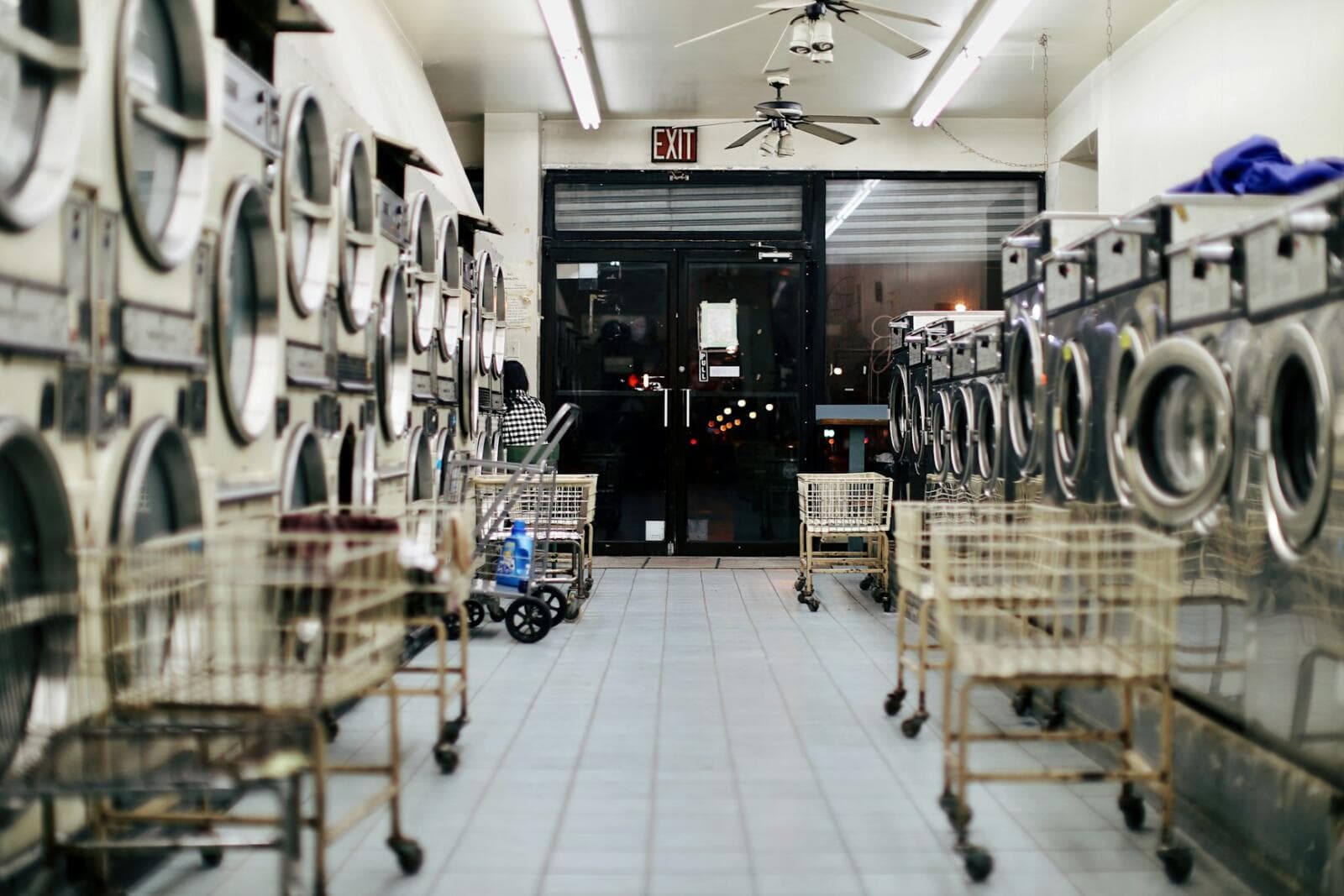
A laundromat (often called a coin laundry or self-service laundry) is a premises offering coin-operated or card-operated washing machines and dryers for public use. Many also add services like wash–dry–fold, ironing, or pickup and delivery. Some partner with dry cleaners for specialty items.
Laundromats can operate extended hours or 24/7, with or without on-site staff. That flexibility can be a strength, but it also means you’ll need clear policies for safety, refunds, and site management-especially if the store is unattended at times.
How To Open A Laundromat In Australia (Step By Step)
1) Research Your Market And Write A Plan
Start with local research: population density, nearby apartment blocks and student housing, parking, competitors, and foot traffic. Decide which services you’ll offer (self-service only or added wash–dry–fold, vending, or pickup). Map out budgets for fit-out, machines, utilities, rent, insurance, and marketing.
A short, practical business plan will help you price services, forecast cash flow, and plan your growth and exit options. It also clarifies the legal steps you’ll need to tick off.
2) Choose A Business Structure And Register
Your structure affects liability, tax, and investment options. Common choices in Australia include:
- Sole trader: Simple and low-cost to set up. You operate as an individual and are personally responsible for business debts and obligations.
- Partnership: Two or more people operating together. It’s straightforward to start, but partners are generally personally liable (often jointly and severally) for partnership debts.
- Company: A separate legal entity. This can provide limited liability protection, which means the company is responsible for its debts (subject to director duties and any personal guarantees). It’s often preferred for growth and investor readiness.
If you’re leaning toward a company, you can streamline setup through Company Set Up, and if you’ll trade under a brand that isn’t your personal name, register a Business Name.
Apply for an ABN, consider GST registration if your turnover will be $75,000 or more per year, and set up your bookkeeping from day one. For tax strategy and structuring questions, it’s wise to speak with your accountant.
3) Secure Your Premises And Negotiate The Lease
Location is key. Before you sign anything, confirm zoning allows a laundromat (and any changes you need for plumbing, drainage, and exhaust). Leases are long-term commitments, so it’s worth getting a Commercial Lease Lawyer to review terms like permitted use, make-good, fit-out works, rent reviews, outgoings, options to renew, repairs and maintenance, and access hours.
If you’re in a shopping centre or certain retail settings, your lease may be subject to a state Retail Leases Act (for example, the Retail Leases Act (NSW)). These laws affect disclosure, certain costs, and how disputes are handled.
4) Obtain Council Approvals And Trade Waste Consents
Most laundromats need local approvals. Common requirements include:
- Development approval or change of use: If the premises are not already approved for a laundromat, you may need planning consent.
- Fit-out and signage approvals: Plumbing, drainage, ventilation, exhaust, and any external signage can trigger approvals.
- Trade waste and sewerage: You’ll usually need approval to discharge wastewater to the sewer, including grease/lint traps and backflow prevention devices.
Always check with your local council (and water authority) early so your fit-out and equipment choices meet their technical standards.
5) Arrange Utilities And Install Equipment
Confirm the site can handle the electrical, water, and (if needed) gas load. Use licensed trades for all plumbing, electrical and gas work. Ask equipment suppliers for water efficiency and energy ratings to help manage operating costs. Consider security systems, cameras and lighting for unattended periods, and how you’ll manage access and customer support after hours.
6) Decide Whether You’ll Hire Staff
If you’ll have attendants, cleaners, or drivers, you’ll need compliant hiring practices, fair pay, and clear agreements. Put written Employment Contracts in place, follow award obligations and the National Employment Standards, and set basic workplace policies (hours, cash handling, machine checks, incident reporting, and security).
7) Put Your Core Legal Documents In Place
Before opening, lock in your customer terms, privacy notices (if you’re collecting customer details), supplier contracts, and any founder or investor agreements. We outline the essentials below.
What Laws And Permits Apply To Laundromats?
Council, Plumbing And Environmental Rules
Your council and water authority will guide the approvals for trade waste (including lint and grease traps), backflow prevention, and any structural or signage changes. Operating without approvals can lead to stop-work orders or fines, so it’s best to confirm requirements before you order machines or start fit-out.
Australian Consumer Law (ACL)
As a service business, you must comply with the Australian Consumer Law. That means clear pricing and signage, accurate advertising, and fair remedies when machines fail or services aren’t delivered with due care and skill. If you offer wash–dry–fold or pickup/delivery, make sure your policies around damage, delays, lost property, and refunds are easy to find and written in plain English. If you need support, a Consumer Law specialist can help you craft compliant terms and processes.
Privacy And Customer Data
Many laundromats now use apps, loyalty programs, or online booking. If you collect personal information, consider your privacy obligations. Small businesses under $3 million in annual turnover are generally exempt from the Privacy Act 1988 (Cth), but there are important exceptions-such as trading in personal information, handling health information, or providing services under a Commonwealth contract.
Even where the exemption applies, having a simple, transparent Privacy Policy builds trust and sets clear expectations for customers about what data you collect and how you use it.
Workplace Health And Safety (WHS)
Whether you have staff or run unattended, you’re responsible for maintaining a safe premises as a person conducting a business or undertaking (PCBU). Think non-slip floors, visible warning signs for wet areas, safe chemical storage, regular machine maintenance, fire safety, and incident procedures. If you have after-hours operations, consider extra security and lighting to reduce risks to customers and staff.
Employment Law
Hiring people triggers obligations under the Fair Work system. You’ll need the right employment contracts, accurate classification and pay, records of hours and leave, superannuation, and safe working conditions. If you use independent contractors (e.g. for cleaning or maintenance), ensure contracts reflect the reality of the relationship to avoid sham contracting risks.
Intellectual Property (Your Brand)
It’s worth protecting your trading name and logo as you build a reputation. Registering your brand as a trade mark can help stop others using a confusingly similar name or logo in the same space. You can start by checking availability and then register your trade mark to secure your rights nationally.
Tax And Ongoing Compliance
Keep clean records, lodge BAS if registered for GST, and set calendar reminders for any licence renewals and lease obligations. For tax planning, depreciation of equipment, and cashflow forecasting, check in with your accountant early so your financial systems match your business model.
What Legal Documents Should You Put In Place?
Strong, plain-English contracts and policies reduce disputes and set clear expectations-crucial for laundromats that may run unattended or with minimal staff. Consider the following:
- Commercial Lease: Sets out permitted use, term and options, rent and outgoings, fit-out works, maintenance, make-good, and access. Lease terms affect profitability, so get legal review before you sign.
- Customer Terms And Conditions: House rules and refund policy for machine faults, liability limits for damage or loss, lost property procedures, and service standards for wash–dry–fold and delivery. Display them in-store and online.
- Privacy Policy: If you collect names, emails, or payment details through an app, Wi-Fi, or loyalty program, a short Privacy Policy tells customers what you collect and why.
- Employment Contracts And Policies: Written Employment Contracts, rosters and breaks, cash handling, incident reporting, machine maintenance checklists, and safety rules. A simple workplace policy set helps day-to-day management.
- Supplier And Maintenance Agreements: Terms for detergent and consumables supply, vending stock, equipment servicing, and response times for breakdowns.
- Website Or App Terms: If customers book or pay online, terms of use and disclaimers for system outages, account security, and service scope.
- Shareholders Agreement (if applicable): If you have co-founders or investors, a Shareholders Agreement defines roles, decision making, equity, and what happens if someone exits.
- Non-Disclosure Agreement (NDA): Use NDAs when discussing sensitive information with potential partners, suppliers, or buyers.
If you need help tailoring any of these to your laundromat, it’s far easier to put the right documents in place before you open than to fix gaps after an issue arises.
Is Buying Or Franchising A Laundromat Easier?
Two common alternatives to starting from scratch are purchasing an existing laundromat or joining a franchise system. Each has distinct legal steps.
Buying An Existing Laundromat
Do thorough due diligence: review financials and utility consumption, inspect equipment age and maintenance records, confirm approvals and trade waste consents, and check whether the lease can be assigned on acceptable terms. You’ll also review an asset sale agreement, transfer customer accounts (if any), and plan for a handover period with the seller.
Joining A Laundromat Franchise
Franchising can offer brand recognition, supplier rates, and a proven model-but you must carefully review the franchise agreement and disclosure documents. Understand fees, marketing contributions, territory, fit-out standards, and renewal/exit rules. If the franchisor requires a company entity, you can set it up via Company Set Up and ensure your lease aligns with franchise obligations.
Key Takeaways
- Opening a laundromat in Australia involves more than equipment-you’ll need the right structure, approvals, contracts, and ongoing compliance.
- Choose a structure that fits your goals; partnerships don’t offer limited liability, while a company can provide limited liability protection for owners.
- Confirm council approvals, trade waste requirements, and lease terms before you sign or start fit-out.
- Comply with the Australian Consumer Law on pricing, advertising, and remedies when services fall short, and put clear customer terms in place.
- If you collect customer data, consider privacy obligations and use a straightforward Privacy Policy to build trust.
- Protect your brand early with trade mark registration and use plain-English contracts for staff, suppliers, and customers.
If you would like a consultation on starting a laundromat business, you can reach us at 1800 730 617 or team@sprintlaw.com.au for a free, no-obligations chat.