
Alex is Sprintlaw's co-founder and principal lawyer. Alex previously worked at a top-tier firm as a lawyer specialising in technology and media contracts, and founded a digital agency which he sold in 2015.
Contents
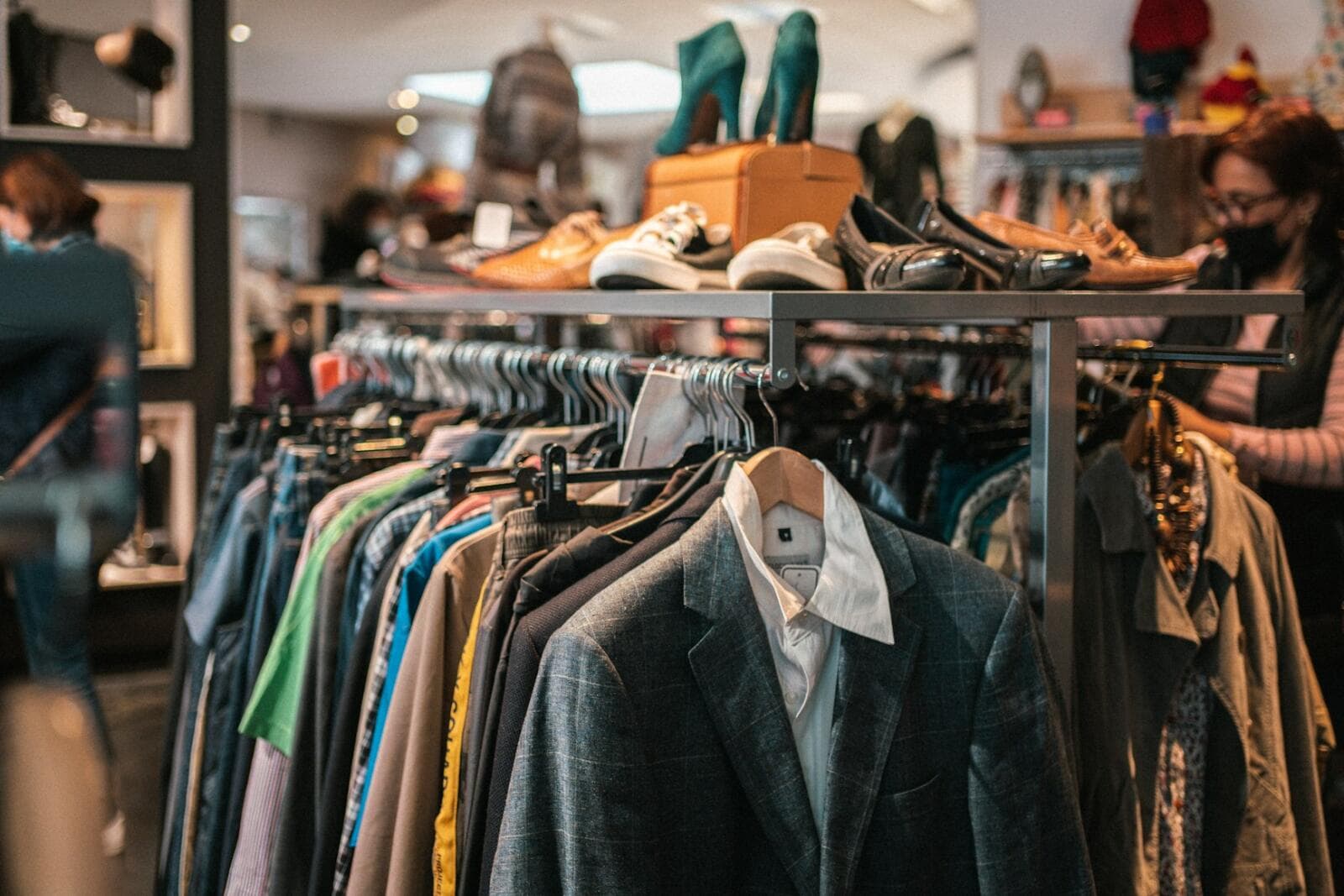
Vintage is having a moment. From curated 90s denim to designer archive pieces, Australians love the stories and sustainability behind second‑hand fashion.
If you’re planning to open a vintage clothing store - whether that’s a bricks‑and‑mortar boutique, an online shop, or both - getting the legal setup right from day one is the best way to protect your brand, build trust with customers and avoid costly missteps.
Below, we step through the key legal steps for Australian vintage retailers, including business registration, licences and retail leasing, Australian Consumer Law obligations (refunds, returns, product safety and gift cards), second‑hand dealer requirements, employment and safety basics, and the core contracts and policies you’ll need.
How Do You Start A Vintage Clothing Store In Australia?
Every successful vintage business starts with a clear plan and a simple legal checklist. Here’s a practical pathway to follow.
1) Map Your Business Model And Risk
- Decide how you’ll sell: in‑store, online or omnichannel.
- Define your niche: era, labels, price point, and sourcing method (buy outright, consignment, estate lots).
- Plan your processes: authentication, garment care, price tagging, photo standards and returns handling.
- Identify key risks: counterfeit items, product safety (e.g. children’s clothing), staff manual handling, data privacy online.
Writing these down now will make your legal documents and procedures far easier to tailor later.
2) Choose Your Business Structure And Register
Decide whether to trade as a sole trader, partnership or company, then apply for your ABN and register your business name if needed. We cover structures in more detail below.
3) Secure Premises Or Set Up Online
If you’re leasing a shop, you’ll likely enter a retail lease and may need council approvals for signage or fit‑out. If you’re online, prepare your website and customer journey with compliant terms and policies.
4) Put Foundational Legal Documents In Place
Have clear terms for customers (including ACL‑compliant returns information), supplier or consignment agreements, employment contracts and workplace policies, and brand protection (trade marks). We list the key documents later in this guide.
5) Understand Ongoing Compliance
Stay on top of consumer law, second‑hand dealer rules (where applicable), employment obligations, privacy and marketing rules, and safety. If your turnover approaches the GST threshold, speak with an accountant about registrations and tax compliance.
Business Registration And Structure: ABN, Names And Companies
Your structure affects tax, liability and how investors or co‑founders come on board.
- Sole Trader: Simple and low‑cost to set up. You control the business and use your personal TFN for tax. You’re personally liable for debts and claims.
- Partnership: Two or more people share control and profits. Partners are typically jointly and severally liable for business debts.
- Company (Pty Ltd): A separate legal entity that can provide limited liability protection if run properly. More setup and reporting, but often preferred for growth and risk management.
If you trade under a name that isn’t your personal name, you’ll also register a business name. It’s worth understanding the difference between a business name vs company name so your branding and legal obligations line up.
Many retailers choose a company for liability and growth reasons. If that’s your plan, a guided company set up can help you get your constitution, share structure and records right from the start.
Tip: Your business name registration doesn’t protect your brand. Consider trade mark protection for your store name and logo (more on this below).
Licences, Permits And Retail Leasing
Vintage clothing is generally a low‑licensing industry, but there are a few key areas to check before you open.
Second‑Hand Dealer Requirements
In some states and territories, buying and selling second‑hand goods can trigger “second‑hand dealer” or similar licensing/registration requirements. These regimes often include identity checks, record‑keeping, and restrictions on purchasing from minors.
Requirements vary by jurisdiction, and exemptions may apply. Check your local rules early - compliance is usually straightforward when planned in advance.
Council Approvals And Signage
If you’re opening a physical store, your local council may regulate signage, fit‑outs, heritage considerations, waste/recycling and trading hours. Get written approvals where needed before you spend on design and shopfitting.
Retail Leasing Essentials
Most shopfronts are covered by retail leasing laws in your state. Expect disclosure documents, minimum information in the lease, rent review mechanisms and outgoings rules. A focused lease review can help you negotiate key terms like rent, incentives, make‑good, assignment rights and permitted use.
If you’re in NSW, the Retail Leases Act (NSW) sets out important rights and obligations for tenants and landlords. Other states have similar regimes.
Consumer Law And Second‑Hand Product Compliance
Even though you sell vintage and pre‑owned items, you still have obligations under the Australian Consumer Law (ACL). These rules build trust with your customers and protect your business from disputes.
Refunds, Returns And Consumer Guarantees
Consumer guarantees apply to second‑hand goods, taking age and condition into account. If an item isn’t as described, doesn’t match photos, or has undisclosed faults a reasonable buyer wouldn’t accept, you may need to offer a remedy.
- Be clear and accurate in product descriptions and photos - avoid misleading or deceptive conduct under section 18 of the ACL.
- Display your returns policy in‑store and online, but remember a store policy can’t remove or limit ACL rights.
- If you offer “change of mind” returns, set clear conditions (e.g. hygiene tags, timeframes, original condition).
Product Safety And Labelling
Safety standards still matter for vintage garments:
- Children’s clothing: Pay attention to drawstrings, small parts and any applicable safety warnings.
- Flammability: Nightwear and certain textiles have labelling and safety requirements.
- Alterations: If you repair or modify an item, ensure the end product remains safe and fit for purpose.
Build a simple intake checklist: authenticity checks, condition grading, defect notes and safety red flags. Keep records to support your descriptions and any repairs or dry cleaning performed.
Gift Cards And Pricing
If you sell gift cards, ensure expiry and terms comply with national gift card rules (e.g. minimum three‑year expiry, no post‑purchase fees except permitted charges). For pricing, avoid “drip pricing” and make sure tags and online prices are clear and accurate.
Authenticity And Counterfeit Risks
Designer items require extra care. Train staff on common authentication markers, keep supplier records, and avoid using other brands’ trade marks in a way that suggests endorsement. Accurate descriptions and a consistent authentication process help manage risk and demonstrate due diligence if a dispute arises.
What Legal Documents Will You Need?
Your documents should reflect how you actually operate - especially the realities of second‑hand stock (unique items, variable sizing, pre‑existing wear, limited quantities). Here are the essentials for most vintage retailers:
- Customer Terms (In‑Store): A concise set of terms for receipts and signage covering payments, lay‑by (if offered), gift cards, “change of mind” policies and how ACL remedies are handled for second‑hand goods.
- Online Terms & Conditions: Rules for using your site and buying online (payment, shipping, click‑and‑collect, returns, risk of loss, user content). If you sell through your website, use tailored Website Terms and Conditions.
- Privacy Policy: If you collect personal information (online store, mailing list, loyalty program), a transparent Privacy Policy explains what you collect, why and how you store and share it.
- Warranties Against Defects Statement: If you voluntarily offer a repair/replacement policy beyond the ACL, ensure your statement meets the ACL form and content rules. A tailored warranties against defects policy helps you get this right.
- Supplier Or Consignment Agreement: Set clear terms for title transfer, authentication, pricing authority, commission, damage/loss, chargebacks, and when unsold items are returned.
- Employment Contract: When you hire staff, a compliant Employment Contract sets role, hours, pay, confidentiality and IP, and supports compliance with awards and the Fair Work Act. Pair this with clear rosters and payroll practices - consider award compliance support if you’re unsure which award applies.
- Workplace Policies: Short policies for returns handling, cash handling, manual handling and stock intake/authentication. These improve consistency and reduce risk.
- Trade Mark Protection: Protect your store name and logo (and any distinctive sub‑brand) with a registered trade mark to deter copycats and build asset value. Start with registering your trade mark.
- Founder Documents (If You Have Co‑Owners): Agree how decisions are made, profit is shared and exits are handled. A tailored Shareholders Agreement helps prevent disputes as you grow.
Selling Online? Cover Privacy And Marketing Rules
Beyond your core terms and Privacy Policy, if you send newsletters or promotions, ensure consent and unsubscribe processes comply with Australian spam and privacy rules. A quick read on email marketing laws is a useful checklist for your sign‑up forms and campaigns.
Tip: Keep your returns and authenticity policies consistent across sales channels. If you use marketplaces (e.g. Instagram Shops), make sure your listings don’t conflict with your own store policies or the platform’s rules.
Key Takeaways
- Choose a structure that suits your risk and growth plans, register your ABN and business name, and understand the difference between a trading name and a company.
- Check local licensing: second‑hand dealer rules can apply to buying and selling pre‑owned goods, and shopfronts usually sit under state retail leasing laws - get your lease reviewed before you sign.
- Apply the ACL to second‑hand items: be accurate in descriptions, handle refunds and returns lawfully, price clearly, and follow product safety and gift card rules.
- Protect your brand with a registered trade mark, and back your operations with clear contracts and policies for customers, suppliers/consignors and staff.
- If you sell online, publish compliant Website Terms and a Privacy Policy, and run your email marketing in line with Australian spam and privacy requirements.
- When hiring, use proper Employment Contracts, follow award and Fair Work obligations, and embed simple safety procedures (especially manual handling and stock intake).
- For GST, payroll and other tax questions, speak with an accountant early so your registrations and record‑keeping are set up correctly.
If you would like a consultation on starting your vintage clothing store, you can reach us at 1800 730 617 or team@sprintlaw.com.au for a free, no-obligations chat.