
Alex is Sprintlaw's co-founder and principal lawyer. Alex previously worked at a top-tier firm as a lawyer specialising in technology and media contracts, and founded a digital agency which he sold in 2015.
Contents
Stepping into the massage industry is a great move if you love health and wellness and want to help people feel their best. Demand for remedial, therapeutic and relaxation massage remains strong across Australia, and there are many ways to get started - from a clinic or shared studio to a mobile service or a home-based practice.
To set yourself up for long-term success, it pays to get the legal foundations right from day one. The process can feel daunting at first, but when you break it down into clear steps, launching a massage business in Australia becomes much more manageable.
Below, we’ll walk through what a massage business involves, the practical setup steps, key permits and licences, the laws you must follow, and the essential legal documents that protect you and your clients.
What Is A Massage Business?
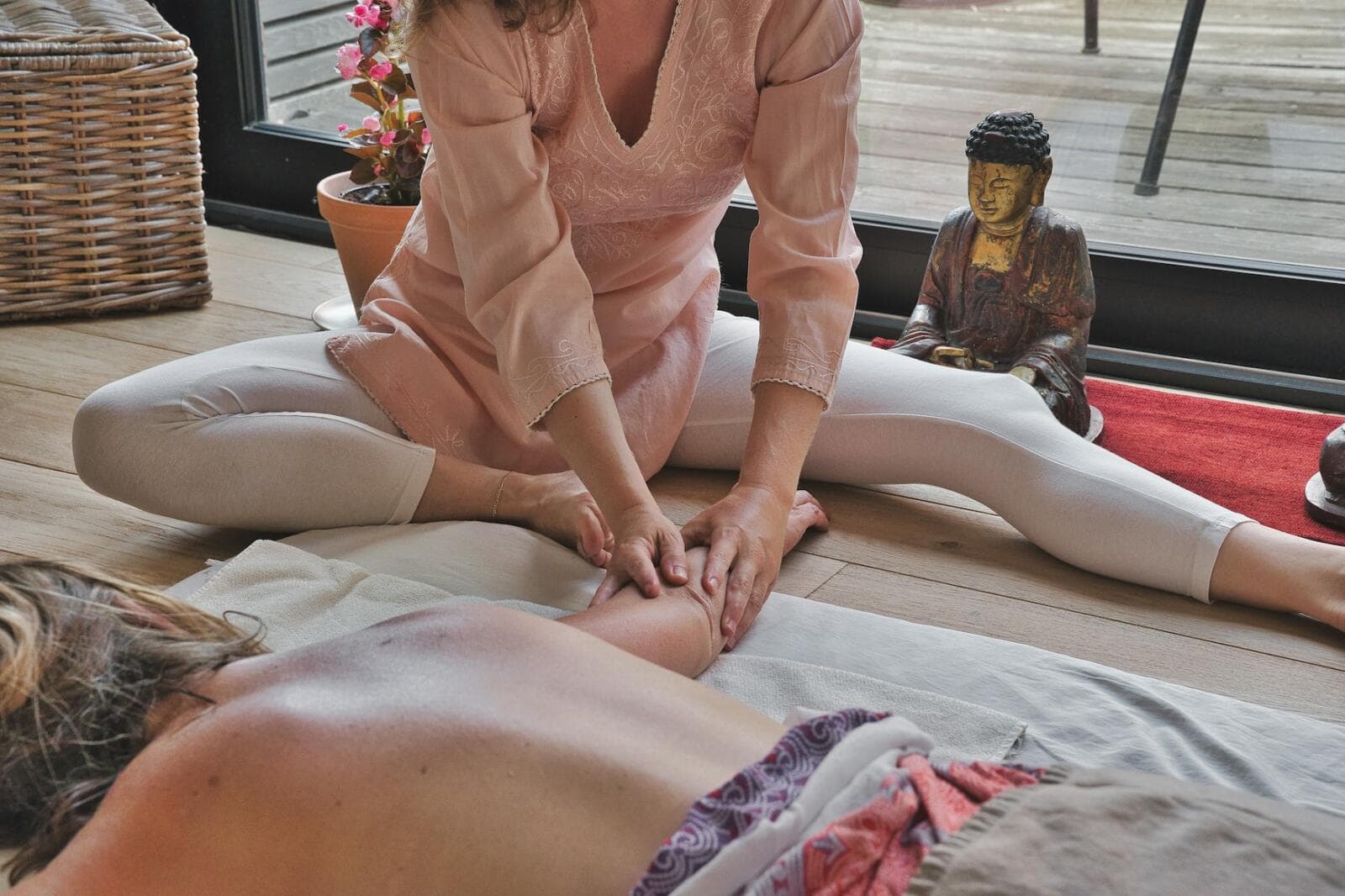
A massage business is any enterprise offering professional massage treatments to paying clients. That might include remedial, deep tissue, sports, relaxation, lymphatic drainage, pregnancy massage or other specialist therapies.
You can operate from a dedicated clinic, a shared wellness space, a mobile model (visiting homes and offices), or - where permitted - your residence. Whatever your format, you’re providing a personal health service, so there are specific rules around client care, record-keeping, hygiene and advertising that you’ll need to meet.
How Do I Start A Massage Business In Australia?
Before you apply for permits or sign a lease, it’s wise to do some planning. A simple business plan will help you understand your market, pricing and costs, and it will also make the legal steps easier to navigate.
Plan Your Offering And Format
- Define your services: remedial, relaxation, sports, pregnancy or a mix?
- Identify equipment needs: table, towels/linen systems, oils, hygiene supplies, and booking/payment tools.
- Choose your format: clinic, shared space, mobile, or home-based (subject to council rules).
- Think through pricing, cancellations and how you’ll handle health fund rebates (if relevant to your qualifications).
1) Confirm Qualifications And Accreditation
Massage is largely an unregistered profession in Australia, but professional qualifications are expected. Many therapists hold a Certificate IV or a Diploma (especially for remedial massage). If you plan to offer health fund rebates, you’ll generally need specific remedial qualifications and recognition with relevant associations or funds. Keep your first aid/CPR current and maintain professional development as required by your association.
2) Choose A Business Structure
Your structure determines how you’re taxed, who controls the business and what risk sits with you personally. Common options include:
- Sole trader: simple and low cost for solo practitioners, but you’re personally responsible for business liabilities.
- Partnership: two or more people share control and responsibility - a written partnership agreement is important.
- Company: a separate legal entity that can limit personal liability and support growth, with extra setup and ongoing compliance.
If you’re considering a company, you can streamline this through Company Set Up. If you’re unsure which model suits you, it’s worth getting tailored advice before you lock it in.
3) Register Your Business
- Apply for an ABN (Australian Business Number).
- Register a business name with ASIC if you’re trading under a name that isn’t your own personal name. It can help to understand the difference between a business name and a company name before you choose branding.
- Consider GST. Registration is mandatory if you expect turnover of $75,000 or more in a 12‑month period. Tax settings can be complex for health services, so speak with your accountant about GST and income tax from the outset.
4) Secure Your Location (If Not Mobile)
If you’re leasing a clinic or a room in a wellness centre, treat the lease as a major commitment. Commercial leases can run for years and contain obligations around make-good, rent increases and fit-out standards. It’s prudent to review terms with a Commercial Lease Lawyer before you sign.
If you’re home-based, check your residential planning rules, body corporate by‑laws and any landlord/mortgage restrictions first (more on this below).
5) Arrange Insurance
At minimum, massage therapists typically carry professional indemnity insurance and public liability insurance. If you employ staff, you’ll also need workers compensation insurance and to meet workplace safety obligations.
6) Put Your Legal Documents In Place
Client-facing terms, consent forms, privacy compliance and, if you hire, employment documents are central to protecting your business. We set out the key contracts and policies further below so you can tick them off before you open your doors.
7) Set Up Your Systems
Choose a booking and payments platform, create clear hygiene and client intake procedures, and set up records management. This will help you meet privacy obligations and deliver a consistent client experience.
8) Keep Up With Ongoing Compliance
Renew insurances, refresher training and certifications, and regularly review your policies and contracts. Monitor any council conditions tied to your premises approval (for example, signage, hours of operation or parking).
Do I Need Any Permits Or Licences?
Most approval requirements for massage businesses are at the local council level and relate to how and where you operate. Start by calling your council and asking what’s required for a massage therapy or personal services business in your area. Typical requirements include:
- Use of premises approval: confirmation that your chosen site is zoned for a personal services clinic, wellness centre or similar.
- Health/hygiene conditions: basic infection control, linen handling, hand-washing facilities, cleaning schedules and waste disposal.
- Fit-out and signage: rules around signage, accessibility and, in some councils, security or after-hours operating conditions.
- Home occupation approval (if relevant): some councils allow low‑impact home businesses as “exempt” with conditions; others require a permit with limits on floor space, client numbers and parking.
State-level rules generally focus on public health, workplace safety and consumer protection. There isn’t a single, state-wide “massage licence,” but you must still meet hygiene, safety and advertising standards (and avoid implying you’re a registered health practitioner if you’re not).
Home‑Based And Mobile Massage
If you want to operate from your residence, confirm what your council allows for home occupations and check your lease or mortgage terms for business use restrictions. This overview on how to run a business from a residential property is a helpful starting point.
Mobile therapists should ensure vehicles and portable equipment support safe, hygienic practice, and that insurance covers off‑site treatments. Always keep high‑quality records and consent forms regardless of where a treatment takes place.
What Laws Do I Need To Follow?
Several core legal areas will apply to your massage business. Here’s what to consider and why it matters.
Business Registration And Structure
Register an ABN, your business name, and (if you incorporate) your company with ASIC. If you operate through a company, keep up with governance and reporting requirements and consider adopting a tailored constitution and shareholder arrangements if you have co‑founders.
Employment Law And Workplace Safety
If you hire therapists or reception staff, you must meet your obligations under the Fair Work system, including correct pay, leave and conditions under relevant awards, plus superannuation and tax withholding. Written agreements set expectations and reduce risk - a tailored Employment Contract is a smart starting point. You’ll also need to manage workplace health and safety (WHS) and provide a safe environment for workers and clients.
Australian Consumer Law (ACL)
Your dealings with clients are covered by the Australian Consumer Law. This includes accurate advertising (no misleading claims), clear pricing, fair cancellation and refund terms, and basic consumer guarantees around services. Your client terms, website and marketing should reflect these obligations.
Privacy And Client Records
Massage practices typically collect health information (for example, medical history on intake forms). As a health service provider, you’re generally covered by the Privacy Act 1988 (Cth) and the Australian Privacy Principles, regardless of annual turnover. In practice, this means you should publish a clear Privacy Policy, collect only what you need, secure records, limit access and respond to client requests about their information. If you operate in NSW, Victoria or the ACT, additional health records legislation may also apply.
Intellectual Property (Brand And Content)
Your brand name, logo and any digital content are valuable. To prevent others from using a confusingly similar brand, consider registering your trade mark. Early registration through Register Your Trade Mark can be much cheaper than trying to solve a brand conflict later.
Tax And Finance
Work with an accountant on your tax setup, record-keeping and BAS cycle. GST registration is compulsory once you meet the turnover threshold. Some allied health services can be GST-free in specific circumstances - this area is nuanced, so get accounting advice tailored to your exact services and qualifications.
What Legal Documents Will I Need?
The right contracts and policies help you manage risk, set expectations and comply with your legal obligations. Most massage businesses will benefit from having the following in place before they start taking bookings.
- Client Service Terms: Your terms should explain what’s included in a treatment, pricing, deposits, cancellations, no‑shows, refunds and how complaints are handled. You can present these in a signed client agreement or via terms accepted through your booking system.
- Client Intake And Consent Forms: A standard intake captures health information and any contraindications; a consent form clarifies treatment scope and risks. These documents support your duty of care and help with insurance.
- Privacy Policy: If you collect any personal or health information (including through online booking), publish and follow a compliant Privacy Policy and align your internal processes with it.
- Website Terms And Conditions: If you promote or take bookings online, website terms set acceptable use rules, protect your content and manage liability. Pair these with your privacy statement and secure payment flow.
- Employment Or Contractor Agreements: If you bring on staff or contractors, use clear written agreements. For employees, a tailored Employment Contract can outline duties, rosters, confidentiality and post‑employment restraints where appropriate.
- Room Hire Or Lease Agreements: If you rent a room in a clinic or sign a full commercial lease, ensure the agreement matches your actual use (hours, signage, shared facilities, cleaning) and that you understand make‑good and rent review clauses.
- Policies And Procedures: A short, practical suite covering hygiene, laundry, client intake, first aid/emergencies and incident reporting helps you meet WHS and privacy obligations and trains new staff consistently.
- Trade Mark Registration: Protect your brand as you grow - link your brand assets to a registered trade mark so you can enforce them more easily.
Not every massage practice will need every document on day one, but most will need several. Getting these tailored to how you actually operate (clinic, mobile, home or hybrid) reduces the chance of misunderstandings and claims later.
Key Takeaways
- Map out your services and format early, then choose a structure (sole trader, partnership or company) that suits your risk profile and growth plans.
- Register the essentials - ABN and business name - and keep tax settings in order, noting GST registration rules and seeking accounting advice where needed.
- Most approvals are council-based: check premises use, hygiene conditions, signage and any home occupation rules before you fit out or start treating.
- Compliance spans employment law, Australian Consumer Law, privacy (which generally applies to massage providers as health service providers) and workplace safety.
- Protect your practice with clear client terms, intake/consent forms, a compliant Privacy Policy, strong employment or contractor agreements and, where relevant, a reviewed lease.
- Brand assets matter - consider registering a trade mark to secure your clinic name and logo as you build your reputation.
If you would like a consultation on starting your massage business, you can reach us at 1800 730 617 or team@sprintlaw.com.au for a free, no-obligations chat.