
Alex is Sprintlaw's co-founder and principal lawyer. Alex previously worked at a top-tier firm as a lawyer specialising in technology and media contracts, and founded a digital agency which he sold in 2015.
Contents
Australia’s craft beer scene has taken off, and it’s easy to see the appeal of launching your own microbrewery. You get to create distinctive brews, build a loyal community, and turn a passion into a serious business.
But there’s more to opening the doors than perfecting your IPA. Running a microbrewery in Australia means navigating licensing, compliance, and contracts from day one. With the right setup, you’ll avoid costly detours and be free to focus on quality and growth.
In this guide, we’ll cover the key legal steps to start a microbrewery in Australia-whether you’re building from scratch or considering buying an existing brewery. We’ll also flag the documents you’ll likely need, and where the common pitfalls are.
What Is a Microbrewery?
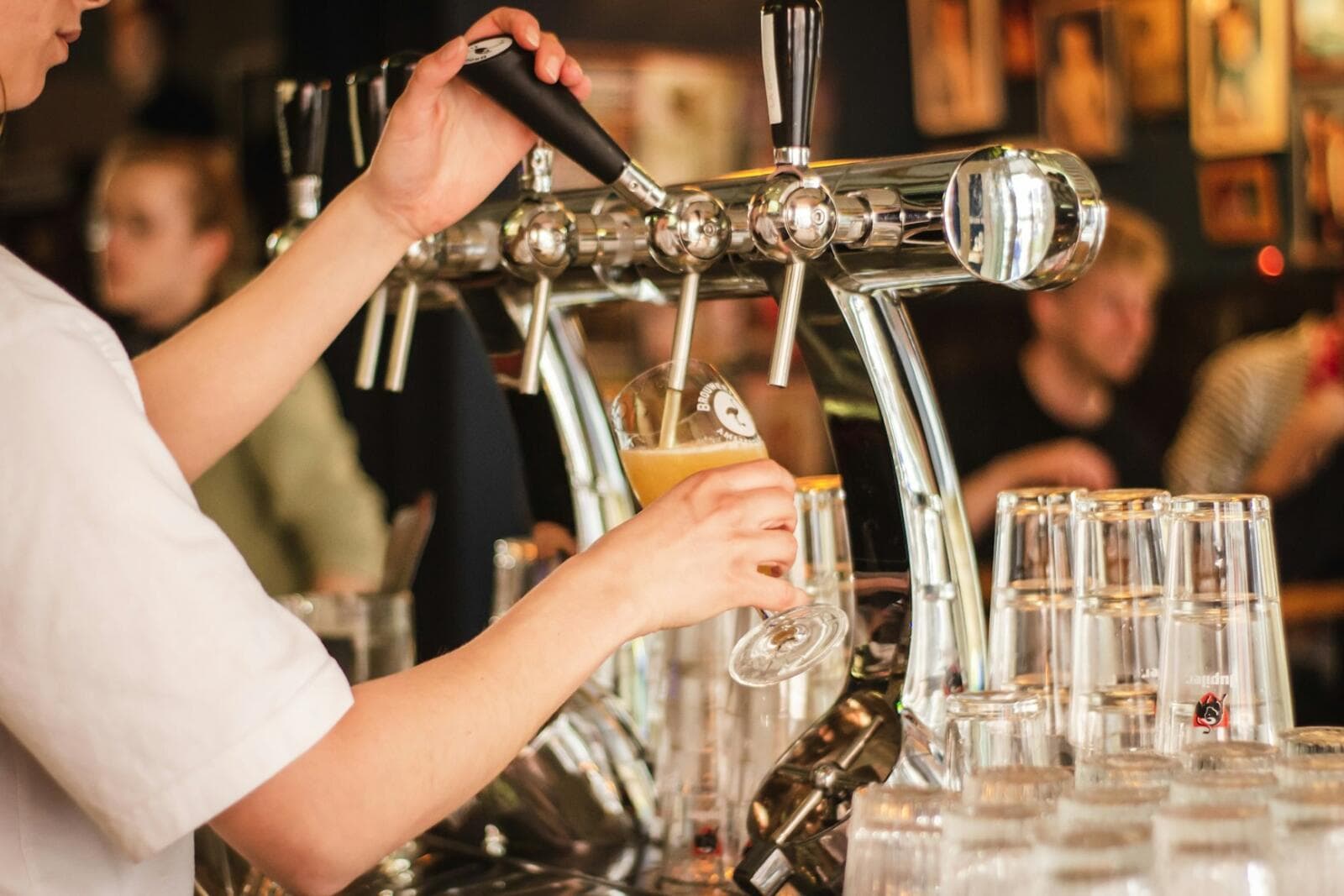
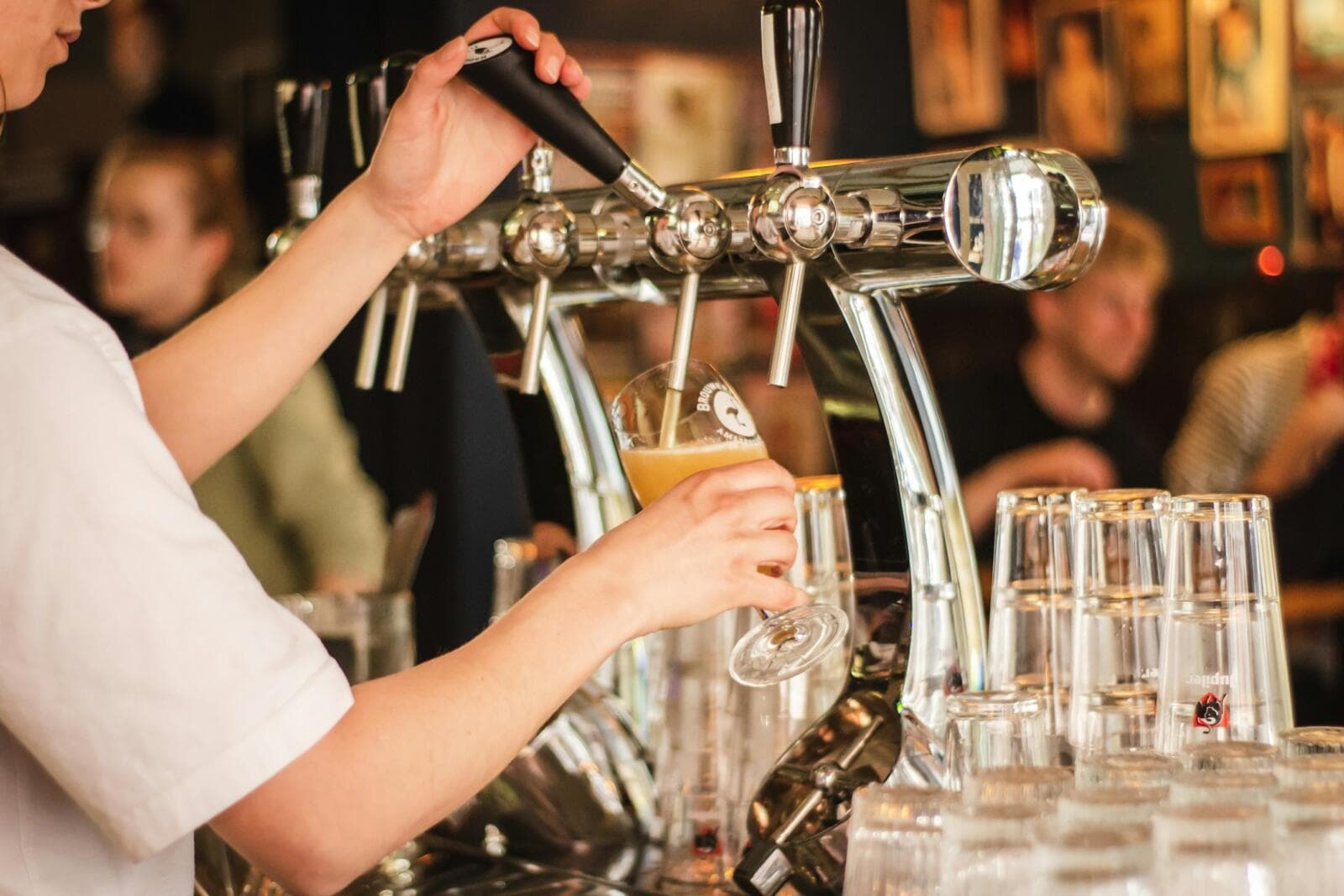
A microbrewery is a small-scale brewery that produces limited volumes of beer compared to large commercial operations. Most microbreweries are known for:
- Small-batch brewing with a focus on quality and experimentation
- Seasonal, limited releases and specialty styles
- Selling locally-often through a taproom, brewpub or nearby venues
- Distinctive branding and strong community presence
Some microbreweries focus purely on production and wholesale. Others operate a taproom, tasting bar or full-service venue. Your model will influence your licensing and council approvals, so it’s worth deciding early how you want to operate.
How Do I Start a Microbrewery in Australia?
Every brewery’s journey is different, but most founders follow a similar roadmap. Use this as a practical starting point and adapt it to your concept and location.
1) Research Your Market and Build a Business Plan
Start by validating your idea. A great recipe helps-but a clear plan sets you up for success. Think about:
- Target customers: Taproom regulars? Local pubs and restaurants? Retail bottleshops?
- Competitors: What nearby brewers are doing well, and where’s the gap you’ll fill?
- Location: Is your intended site zoned for brewing, retail or hospitality?
- Distribution: On-site sales only, wholesale, or a mix? Any plans for direct-to-consumer?
- Brand and range: What’s unique about your beer styles and brand story?
- Costs and pricing: Consider equipment, fit-out, excise duty on beer, GST and margins.
- Regulatory needs: Federal, state and local licences, plus permits and approvals.
It’s also wise to speak with an accountant about beer excise and tax settings (including GST and payroll as you grow). Excise is a specialist area with frequent updates, credits and reporting duties-getting this right at the start can save you headaches later.
2) Choose a Business Structure and Register
How you structure your business affects your risk, tax and growth options. Common choices include:
- Sole trader: Simple and low cost, but you’re personally responsible for debts and liabilities.
- Partnership: Two or more people share profits and responsibility. A partnership agreement is strongly recommended.
- Company (Pty Ltd): A separate legal entity. Offers limited liability, greater credibility with suppliers and venues, and can be better for raising capital as you expand.
Many microbreweries opt for a company for asset protection and scalability. If you’re leaning that way, explore the practical steps involved in a Company Set Up, including obtaining an ABN, registering a business name (if you’re trading under something other than your own name), and registering for GST if your turnover will exceed $75,000 a year.
If you’ll have co-founders or early investors, it’s prudent to agree on ownership, decision-making and exit terms upfront-long before you pour the first pint.
3) Secure Premises and Plan Your Fit-Out
Whether you’re leasing a warehouse with cellar-door potential or fitting out a brewpub, the premises decision has legal and financial implications. Make sure the zoning allows brewing and on-site service if required, and that the lease terms fit your model (for example, allowances for tanks, waste management, deliveries and opening hours).
Have a lawyer review the lease before you sign to ensure your rights are protected and any landlord works or approvals are clearly defined. A tailored Commercial Lease Review can help you avoid unexpected constraints and costs.
4) Apply for Licences and Permits
You’ll need different approvals at the federal, state/territory and local levels (more detail below). Timeframes can vary, so factor licensing into your launch timeline.
5) Put Your Contracts and Policies in Place
Before you start selling, put the right agreements around your key relationships-co-founders, staff, suppliers, customers and distributors. We cover the must-haves later in this guide, but it’s worth scheduling this alongside licensing so you’re ready to trade from day one.
6) Set Up Operations and Compliance
As you commission equipment and trial batches, map out your compliance processes-excise record-keeping, health and safety, product labelling, staff training and RSA for your venue team. It’s much easier to bake this into your operating rhythm from the start.
What Licences and Permits Do I Need?
Alcohol is a regulated industry in Australia. Expect approvals at three levels of government.
Federal: Excise Manufacturer Licence
If you produce beer for commercial sale in Australia, you must hold an Excise Manufacturer Licence (administered by the Australian Taxation Office). This licence allows you to lawfully manufacture excisable alcohol, and it comes with record-keeping, reporting and payment obligations tied to your production volumes and movements.
Excise rates and concessions change from time to time, and the ATO has strict rules about how you measure and report your product. Work with an accountant who understands beverage excise so you’re set up correctly from day one.
State and Territory: Liquor Licensing
You generally need a licence to sell or supply alcohol in each state or territory you operate. The exact category names differ, but common examples include:
- Producer/Wholesaler or Producer Licence: For producing and selling your beer to other licensees (e.g. pubs, retailers).
- On-premises licence: For sales direct to the public at your taproom, brewpub or venue.
Responsible Service of Alcohol (RSA) rules also apply to staff serving alcohol. If you plan tastings, events or takeaway sales, ensure these activities are within the scope of your licence conditions.
Local: Council Zoning and Approvals
Brewing and hospitality use often require council approval. Depending on your location and the scope of works, you may need a development approval for change of use, signage, fit-out, noise management, trade waste and delivery logistics.
If you’ll operate a kitchen or serve food, you’ll also need to register as a food business with your local council and comply with food safety requirements.
What Other Laws Do I Need to Comply With?
Beyond licensing, several other areas of law apply to microbreweries. Getting these right early helps you avoid fines, disputes and reputational damage.
Food Standards and Alcohol Labelling
Beer sold in Australia must meet labelling standards (e.g. alcohol by volume, allergens) under the Food Standards Code. If you make any nutrition or ingredient claims, ensure they’re accurate and permitted.
Marketing and packaging should also meet Australian alcohol advertising and packaging standards-for example, placement, audience targeting and responsible messaging. For a helpful overview of rules that often affect alcohol brands, see our guide to Australian Alcohol Advertising Laws.
Australian Consumer Law (ACL)
The Australian Consumer Law prohibits misleading or deceptive conduct and sets rules around consumer guarantees and refunds. This covers claims about your beer (such as ingredients, origin or strength), pricing and promotional offers, and how you handle returns for faulty products.
Employment and Workplace Safety
If you’re hiring, you must meet your obligations under workplace laws and any applicable awards. Provide compliant contracts, pay the correct rates, manage rosters and breaks, and keep your venue and brewery safe. A clear Employment Contract for each staff member sets expectations and helps manage risk.
Brewing involves hot liquids, heavy lifting, CO₂ and cleaning chemicals. You have a duty to provide a safe workplace-think training, PPE, equipment maintenance, safe manual handling and incident reporting. Document your WHS processes and keep them current as you scale.
Intellectual Property and Branding
Distinctive branding is a major asset for microbreweries. Before you launch, check that your brewery and beer names don’t infringe existing trade marks. Then protect your brand by registering your key marks. You can start the process at Register Your Trade Mark to lock in your name and logo as you grow.
Privacy and Data
If you collect personal information (for example, through online sales, mailing lists or loyalty programs), you need to handle it responsibly. Under the Privacy Act, most businesses with an annual turnover under $3 million are not legally required to comply with the Australian Privacy Principles unless an exception applies (for example, if your business trades in personal information or you’re a health service provider).
That said, having a simple, transparent Privacy Policy and good data practices is considered best practice and often expected by customers-especially if you sell online.
Tax, GST and Excise
Microbreweries deal with excise on beer (federal tax) as well as regular business taxes. You’ll likely need to register for GST once your turnover exceeds $75,000, lodge Business Activity Statements, and keep robust records for excise calculations and movements.
Because excise is technical and the rules change, it’s smart to get tailored advice from an accountant experienced in beverage businesses.
What Legal Documents Will I Need?
Strong contracts and clear policies help you trade confidently and avoid disputes. Here are the documents most microbreweries should consider.
- Shareholders Agreement: If you have co-founders or investors, this sets out ownership, decision-making, vesting, dispute resolution and what happens if someone exits or more capital is needed.
- Company Constitution: If operating as a company, make sure your constitution supports how you plan to run and fund the business (for example, issuing new shares or appointing directors).
- Supply Agreement: Contracts with suppliers (e.g. malt, hops, packaging) that cover quality standards, delivery terms, pricing, delays and liability. A tailored Supply Agreement can help maintain consistency and protect your timelines.
- Distribution or Wholesale Agreements: If you use third-party distributors, set clear terms on minimums, territories, marketing, brand use and termination rights.
- Venue Lease (or License) Documents: Make sure your rights to install tanks, handle waste, accept deliveries and operate your taproom are clearly covered in the lease and any council approvals.
- Customer Terms and Conditions: For on-premise, takeaway and online sales, set out ordering, delivery/collection, age verification, refunds for faulty goods and liability limits.
- Employment Contracts and Policies: Clear agreements for brewers, bar staff and sales teams, supported by policies for safety, RSA, leave and conduct.
- Non-Disclosure Agreements (NDAs): Use NDAs when sharing recipes, formulations, collaborations or confidential business plans with third parties. A simple Non-Disclosure Agreement helps protect your IP.
- Trade Mark Registrations: Register your brewery name, key beer names and logo early to protect your brand and avoid rebranding later.
You may not need everything on day one, but most breweries will require several of these before launch. Templates found online often miss crucial protections or don’t fit Australian law-tailored agreements are a smarter long-term investment.
Step-By-Step Setup Checklist
- Research your market, competitors and location, then create a concise business plan with realistic costs and pricing.
- Choose your business structure and complete registrations (ABN, business name, company details and GST if applicable).
- Secure premises and obtain local council approvals for brewing, service and signage.
- Apply for your Excise Manufacturer Licence and the required state/territory liquor licences (producer/wholesale and on-premises where relevant).
- Plan your fit-out and implement WHS processes for brewing and hospitality operations.
- Confirm labelling and packaging compliance with the Food Standards Code and responsible alcohol marketing rules.
- Put your contracts in place (founders, lease, suppliers, distribution, staff and customer terms).
- Protect your brand with trade mark applications and update your brand assets accordingly.
- Commission equipment, train staff (including RSA where required), and set up excise record-keeping and reporting.
- Launch your first batch-and keep reviewing your compliance and contracts as you grow.
Should I Buy an Existing Microbrewery Instead?
Buying an established operation can fast-track your launch. You may gain an existing customer base, trained staff, supplier relationships and a licensed venue. However, it’s critical to run thorough legal and financial checks before you sign anything.
Review the legal due diligence carefully: outstanding debts, equipment condition, lease terms, liquor and council approvals, employment obligations, supplier and distribution contracts, and ownership of IP (brand names, logos and recipes). The deal terms should be set out clearly in a comprehensive Business Sale Agreement so there are no surprises after completion.
Key Takeaways
- Starting a microbrewery in Australia involves specific licences and approvals at federal, state and local levels-build them into your launch timeline.
- Choose a structure that fits your risk and growth plans; many breweries form a company for limited liability and credibility.
- Compliance doesn’t stop at licensing-ensure your labelling, marketing, consumer law, WHS and employment obligations are covered.
- Protect your brand early with trade marks and use clear contracts for founders, suppliers, distributors, staff, customers and your lease.
- Excise is technical and changes over time-work with an accountant to set up robust tax and excise processes from the start.
- If you’re buying an existing brewery, thorough due diligence and a strong sale agreement are essential to avoid inheriting problems.
If you would like a consultation on starting a microbrewery business in Australia, you can reach us at 1800 730 617 or team@sprintlaw.com.au for a free, no-obligations chat.