
Alex is Sprintlaw's co-founder and principal lawyer. Alex previously worked at a top-tier firm as a lawyer specialising in technology and media contracts, and founded a digital agency which he sold in 2015.
Contents
Australia’s love of skincare and beauty is thriving, and new local brands launch every week. If you’re ready to turn your passion for clean ingredients, clinical actives or luxe packaging into a real business, the legal setup matters just as much as the product.
With a clear plan and the right legal foundations, you can launch with confidence, stay compliant and protect your brand as you grow. This guide walks you through the key legal steps to start a skincare business in Australia - in plain English - so you can focus on building a range your customers love.
What Does A Skincare Business Involve?
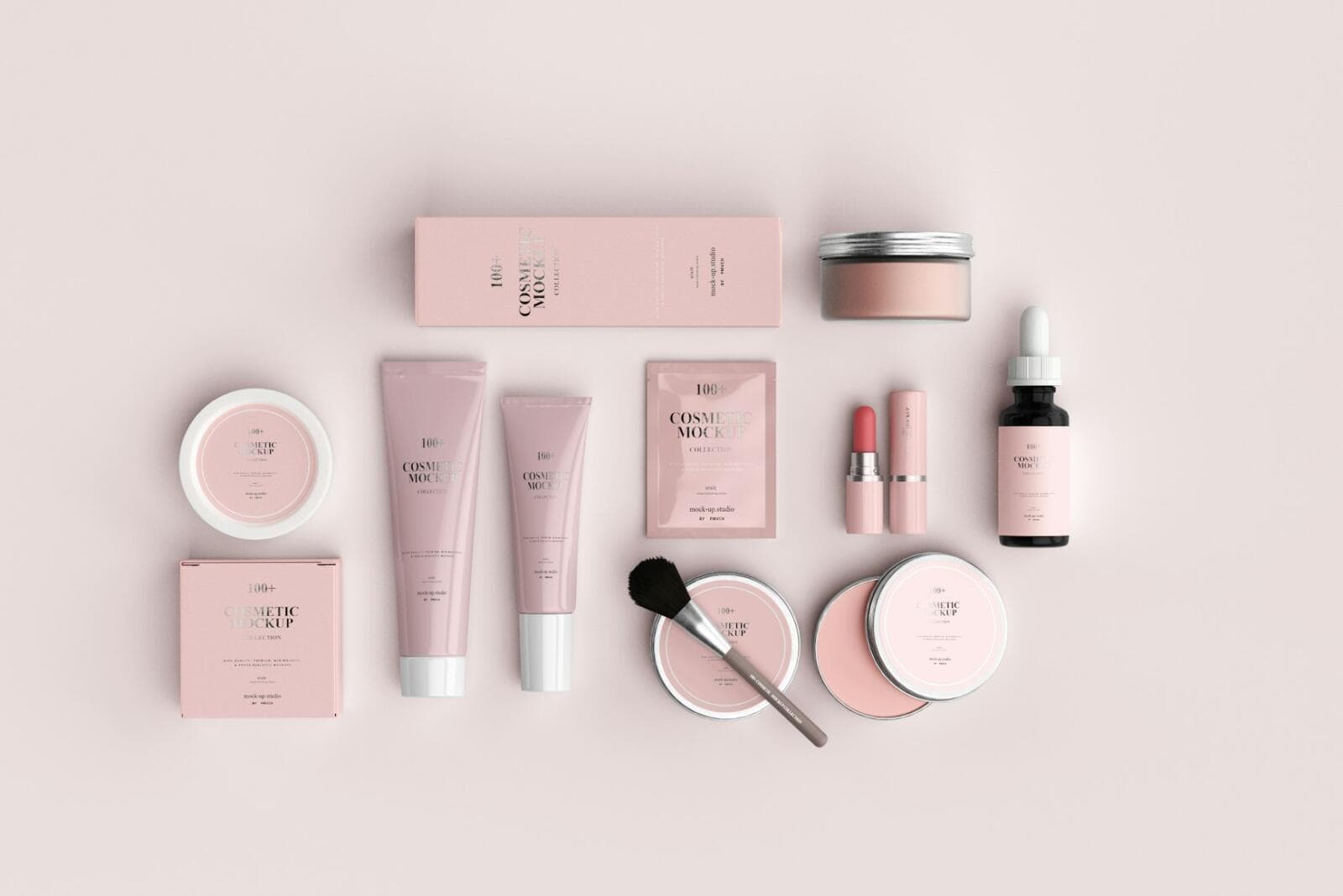
“Skincare business” covers a wide range of models, including:
- Formulating and manufacturing your own products (creams, serums, masks, sunscreens, body care)
- Retailing or distributing other brands’ products (online, wholesale or in-store)
- Subscription boxes or specialist e-commerce stores
- Skin consultations or services delivered alongside product sales
Regardless of your model, if you create, import, market or sell cosmetic products in Australia, you’ll need to follow specific chemical, product safety and consumer laws - and put the right contracts and policies in place.
Step-By-Step: How To Legally Set Up Your Skincare Brand
1) Research And Build A Simple Business Plan
Start with the basics: customer needs, your niche, pricing, product roadmap and how you’ll produce and ship at scale. Capture:
- Target customers (skin concerns, routines, price points)
- Competitors (claims, ingredients, packaging, retail channels)
- Regulatory impacts (what claims you can make, labelling, safety testing)
- Manufacturing options (in-house vs contract manufacturing, lead times, MOQs)
- Go-to-market (direct-to-consumer, wholesale, marketplaces, international plans)
Documenting these decisions makes it much easier to map your legal and operational to‑do list.
2) Choose A Business Structure
Your business structure affects tax, control and liability:
- Sole trader – quick and low cost to start, but you’re personally responsible for business debts.
- Partnership – simple vehicle for two or more founders, but partners are generally personally liable.
- Company (Pty Ltd) – a separate legal entity that can offer limited liability, credibility and clearer ownership. This comes with more setup and ongoing obligations.
Many skincare brands choose a company as they scale manufacturing, wholesale and investment. If that’s you, you can manage the process through a streamlined Company Set Up.
3) Register Your Business Details
- ABN – you’ll need an Australian Business Number to trade and invoice.
- Business name – register a business name if you’re trading under something other than your personal name.
- Company registration (if applicable) – register with ASIC to obtain your ACN and appoint at least one Australian resident director.
- Company rules – a constitution is optional (companies can use the Corporations Act “replaceable rules”), but many founders prefer a tailored Company Constitution for clarity.
4) Line Up Manufacturing, Quality And Supply
Whether you manufacture locally or contract out, set expectations early: formulation ownership, ingredient specs, quality control, change management, lead times, MOQs, price adjustments and recalls. Put these in writing with your manufacturers, packers and key suppliers.
Build robust batch records and traceability from day one. It’s essential for safety, customer trust and any product recall processes.
5) Protect Your Brand And IP
Before you invest heavily in packaging and marketing, search for name and logo conflicts and consider registering your brand as a trade mark. Early protection reduces the risk of rebranding later and helps stop copycats. If you’re ready to act, you can Register Your Trade Mark.
6) Set Up Your Online Store And Customer Experience
Most skincare brands sell online, so make sure your website covers the legal basics:
- Website Terms and Conditions for site use, purchases, shipping, warranty and returns
- Privacy Policy explaining how you collect and use personal information
- Clear product pages and disclaimers to avoid misleading or therapeutic claims you can’t legally make
7) Hiring? Put Employment Foundations In Place
If you’re bringing on staff for fulfilment, marketing or retail, issue a compliant Employment Contract and check any applicable Modern Awards, penalty rates and record‑keeping obligations. Safe work systems (and appropriate training) are also essential in labs and warehouses.
What Laws And Regulations Apply To Skincare In Australia?
Cosmetics Vs Therapeutic Goods (TGA)
In Australia, most skincare items are “cosmetics” if they clean, perfume, change appearance or keep skin in good condition. Once a product claims to diagnose, prevent, treat or cure a condition (for example, “treats acne” or “heals eczema”), it may be a therapeutic good regulated by the Therapeutic Goods Administration (TGA). Therapeutic goods generally require inclusion on the Australian Register of Therapeutic Goods and have strict evidence and advertising rules.
Review every claim on your packaging, website and ads. If in doubt, get advice before you publish claims that might shift a cosmetic into the therapeutic category.
Chemicals And AICIS (Including Introducer Registration)
If you import or manufacture cosmetic ingredients or finished products for commercial use in Australia, you’ll deal with the Australian Industrial Chemicals Introduction Scheme (AICIS). Key points:
- Introducer obligations – importers and manufacturers must be registered with AICIS as “introducers” before bringing chemicals into Australia or making them locally.
- Inventory checks – confirm each chemical is listed on the Australian Inventory of Industrial Chemicals (AIIC) and introduced within the correct category (exempted, reported, assessed, etc.).
- Record‑keeping – keep required records (for example, use, volume, suppliers and safety information) for the mandated period.
Your contract manufacturer may handle some obligations, but you remain responsible for ensuring introductions are lawful if you are the importer or manufacturer.
Labelling And Packaging
Cosmetic labelling rules require accurate ingredient lists (usually INCI names), net quantity, origin (where required), batch codes for traceability, warnings and directions for safe use. Claims must be truthful and not misleading under the Australian Consumer Law.
Packaging must be safe and suitable for the product (for example, child-resistant or tamper‑evident where appropriate), and you’ll need to manage environmental and waste obligations that apply in your state or territory.
Australian Consumer Law (ACL)
If you sell direct to consumers, the ACL applies to your returns, refunds, advertising and product safety. Goods must be of acceptable quality, match their description and be fit for purpose. Avoid statements or imagery that could mislead about results, ingredients or benefits. For a deeper dive into risk areas, see common misleading or deceptive conduct pitfalls.
Privacy And Data Protection
Most startups under $3 million in annual turnover are not automatically covered by the Privacy Act 1988 (Cth). However, exceptions apply - for example, health service providers (including some businesses offering health services) are covered regardless of turnover, and you may opt in or be caught by specific activities (like handling certain sensitive information).
If you collect personal information through your website, email marketing or consultations, it’s best practice to be transparent and publish a clear Privacy Policy. If the Privacy Act applies to your business, you must comply with the Australian Privacy Principles (APPs) for collection, use, storage and disclosure.
Employment Law And Safety
When you hire, you’ll need compliant contracts, lawful rostering and pay, superannuation, and to follow the Fair Work Act 2009 and relevant Modern Awards. Provide a safe workplace, training and appropriate PPE, especially if staff handle chemicals or operate equipment. The Fair Work Ombudsman provides guidance and expects accurate record‑keeping.
Tax And Finance (General Information)
Track income and expenses from day one. Register for GST if turnover is at or above the $75,000 threshold, lodge BAS on time and meet PAYG withholding obligations if you employ staff. This is general information only - for tax structuring and registrations, speak with a registered tax adviser or accountant.
What Legal Documents Will You Need?
The right contracts and policies reduce risk, set expectations and protect your brand. Common documents for skincare businesses include:
- Customer Terms – online sales terms, shipping, warranties and returns, ideally embedded in your Website Terms and Conditions and checkout flow.
- Privacy Policy – a transparent statement about how you collect, use and store personal information, especially for websites, email lists and consultations. Link it prominently to your Privacy Policy page.
- Manufacturing/Supply Agreements – with formulators, contract manufacturers and packers to cover IP ownership, quality standards, timelines, pricing, liability and recalls.
- Distribution/Wholesale Agreements – set minimum order quantities, territories, pricing rules, brand guidelines and termination rights for wholesale partners.
- Non‑Disclosure Agreement (NDA) – protect confidential formulations, business plans and marketing concepts when exploring partnerships or investment.
- Employment Contracts – issue an Employment Contract to every employee and adopt basic workplace policies (e.g. safety, leave, social media).
- Shareholders Agreement – if you have co‑founders or investors, a Shareholders Agreement sets out ownership, decision‑making, vesting and exit rules.
- Trade Mark Registrations – protect your brand name, logo and distinctive taglines in key classes via a Register Your Trade Mark application.
Not every business needs every document on day one, but most will need a combination of customer terms, privacy, IP protection and core supplier agreements before launch.
Do You Need Insurance And What About Ongoing Compliance?
Recommended Insurance
Insurance isn’t a substitute for good contracts, but it’s an important safety net. Consider product liability (for injury or damage caused by products), public liability (for incidents on premises or at events) and business property/stock insurance. Speak with a broker about appropriate cover for your model.
Ongoing Compliance Checklist
- Review claims and marketing regularly to ensure they remain cosmetic (not therapeutic) unless TGA‑compliant.
- Maintain AICIS introducer registration, AIIC checks and chemical records as your formulations evolve.
- Update labels for any ingredient or regulatory changes; keep batch and recall documentation in order.
- Monitor consumer law changes and refresh your returns and warranty wording as needed.
- Renew domain names, business names and trade marks on schedule.
- Keep employment records, safety training and payroll compliance up to date.
- Track turnover for GST registration and lodge BAS and tax returns on time.
Staying proactive with compliance protects your customers and your brand, and it makes scaling (wholesale, export or investment) much smoother.
Key Takeaways
- Set strong foundations: choose a structure, register your details, map your supply chain and document how you’ll operate.
- Be precise with claims: cosmetics and therapeutic goods are regulated differently - check language on packaging, your site and ads.
- Register with AICIS if you import or manufacture, verify chemicals against the AIIC and keep the records AICIS requires.
- Comply with the Australian Consumer Law, publish clear website terms and a transparent Privacy Policy and avoid misleading claims.
- Protect your brand early with trade mark applications and use written agreements with suppliers, manufacturers and staff.
- Treat compliance as ongoing: update labels, maintain safety and employment records, and stay on top of tax and reporting.
If you’d like a consultation on starting your skincare business, you can reach us at 1800 730 617 or team@sprintlaw.com.au for a free, no‑obligations chat.