
Alex is Sprintlaw's co-founder and principal lawyer. Alex previously worked at a top-tier firm as a lawyer specialising in technology and media contracts, and founded a digital agency which he sold in 2015.
Contents
Window cleaning is a practical, in-demand service for homes, offices and retail sites across Australia. It’s a business you can start lean, grow with regular commercial clients, and scale into multiple crews and territories.
But running a compliant window cleaning business involves more than great squeegee skills. From choosing the right structure and setting clear customer contracts, to meeting safety obligations when working at heights, there are key legal steps to get sorted early.
In this guide, we’ll walk you through the legal requirements for starting a window cleaning business in Australia, the documents you’ll likely need, and the ongoing obligations to keep you compliant as you grow.
How Do I Set Up A Window Cleaning Business The Right Way?
A short, realistic plan will help you make smart decisions about services, pricing, locations and growth. Think about:
- Your target customers: residential, strata, commercial buildings, retail strips, construction cleans, or high-rise.
- Service scope: exterior only, interior, post-build cleans, rope access, water-fed pole systems, pressure washing, solar panel cleaning.
- Pricing model: per window, per hour, per facade, or recurring contracts (monthly/quarterly).
- Equipment and vehicles: ladders, water-fed pole and DI systems, PPE, anchors, vans and signage.
- Risk management: safety procedures, training, insurance, and well-drafted contracts.
Once you’ve mapped out the basics, step through your legal and administrative setup.
Choose A Business Structure
Most window cleaning businesses start as either:
- Sole trader: Simple and low-cost to run, but you’re personally liable for business debts and claims.
- Company (Pty Ltd): A separate legal entity with better liability protection and a more professional profile, but with extra director duties and reporting.
- Partnership: Two or more people operating together. You share profits, but also legal and financial risks-use a clear partnership agreement.
If you plan to service commercial buildings, bring on staff, or scale into multiple vehicles, many owners choose a company structure for liability protection and credibility. You can set up a company and obtain an ACN through our Company Set Up service.
Register Your ABN And Business Name
You’ll need an ABN to invoice customers. If you’ll trade under a name that’s not your personal name or the exact company name, register a business name as well. You can get this sorted via our Business Name service.
Understand Tax And Record-Keeping
Register for GST once your turnover reaches (or is likely to reach) $75,000 in a 12‑month period. Many service businesses also register voluntarily to claim input tax credits and present a consistent profile to commercial clients.
Keep accurate records from day one: invoices, expenses, payroll, and BAS lodgements (if registered for GST). If you hire staff, you’ll also need to manage PAYG withholding and superannuation. This guide covers legal setup-speak with your accountant or a tax adviser about your tax position and compliance.
Protect Your Brand Early
Pick a distinctive business name and logo, then consider trade mark registration so you can stop others from using confusingly similar branding. It’s easier and cheaper to protect your brand early than to fight a dispute later. You can register your trade mark through Sprintlaw.
Do I Need Any Licences Or Permits?
There’s no single national licence specifically for window cleaners, but you do need to comply with state and local requirements-especially around safety and using public space. Your exact permits will depend on your location and service scope.
Working At Heights, Rope Access And Equipment
Under workplace health and safety laws in your state or territory, you must eliminate or minimise the risk of falls and other hazards so far as is reasonably practicable. This includes safe systems of work, appropriate PPE, competent workers and ongoing training.
Key points if you work at height:
- High-risk work on construction sites: If the job meets the definition of high-risk construction work (for example, risk of a person falling more than two metres), you’ll need a Safe Work Method Statement (SWMS) and strict controls.
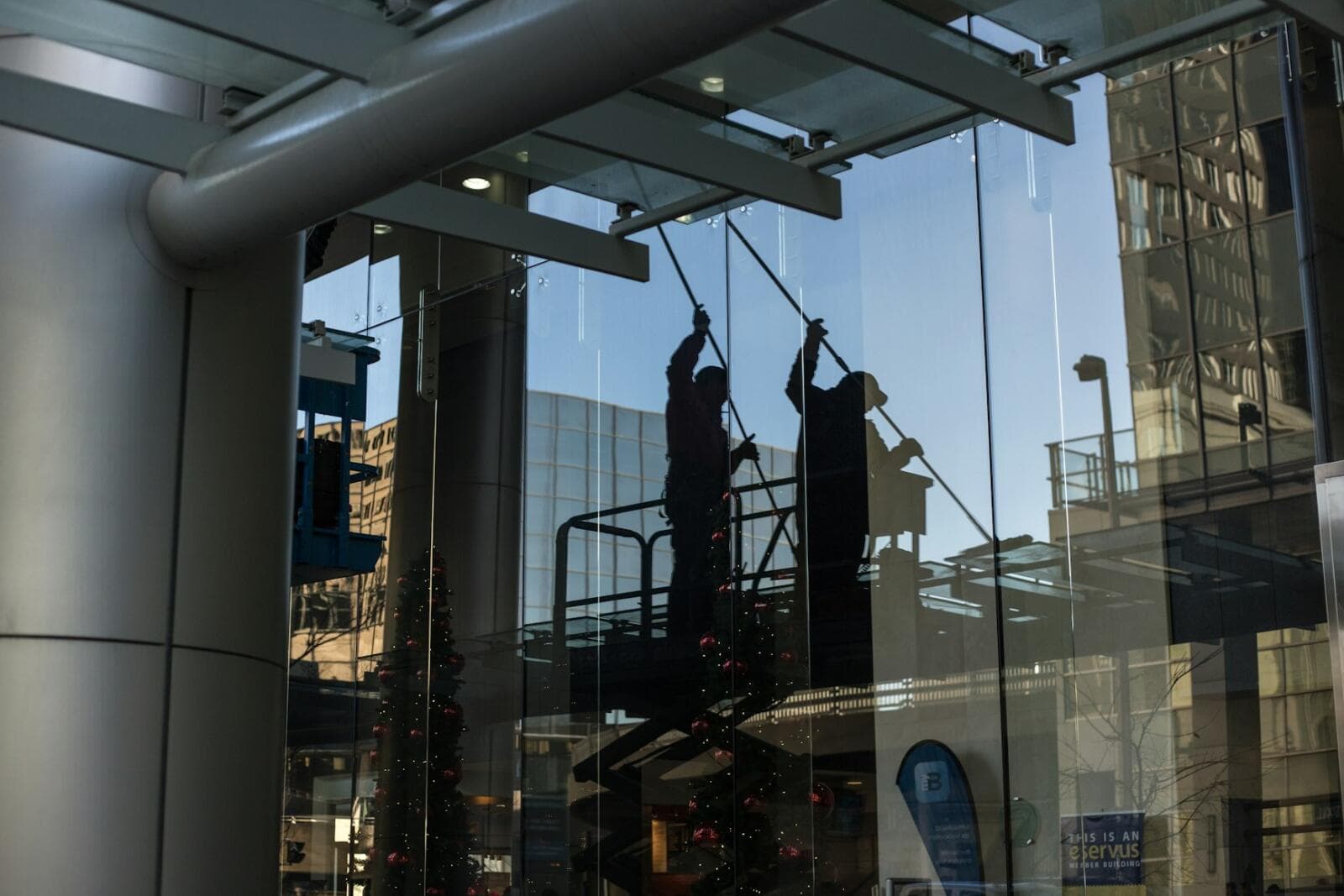
- Elevating work platforms (EWPs): A High Risk Work Licence (WP class) is required to operate an EWP with a boom length of 11 metres or more.
- Industrial rope access: While rope access itself isn’t a licensed occupation, you must ensure your team is competent, equipment is inspected, anchor points are certified, and rescue plans are in place. Many clients expect IRATA/SPRAT or equivalent competencies.
- Ladders and water-fed poles: Use the right equipment for the height and surface, maintain three points of contact where relevant, and assess fragile or sloped roofs before access.
Document your approach with job planning, risk assessments and task procedures. Review them regularly as equipment and techniques change.
Vehicle Access, Parking And Traffic Management
Some councils require permits for commercial vehicles to park long periods near busy retail strips or CBDs, and for temporary traffic management if equipment obstructs footpaths or part of a roadway. Check local council requirements where you operate.
Public Space, Signage And Advertising
Portable signage like A-frames often requires council approval. If you plan fixed signage at a depot or office, planning rules may apply. Keep advertising clear and accurate to meet the Australian Consumer Law.
Chemicals, Water Use And Runoff
Many window cleaners use pure water systems, but if you use detergents or additives, store, transport and dispose of them safely. Some councils and strata bodies prohibit runoff into stormwater drains. Build environmentally sound methods into your site procedures.
What Laws Do I Need To Follow As A Window Cleaning Business?
Whether you focus on houses or commercial sites, several core legal obligations apply.
Australian Consumer Law (ACL)
When you provide services, the ACL requires you to avoid misleading conduct, honour consumer guarantees (services must be carried out with due care and skill, reasonably fit for purpose, and within a reasonable time), and manage refunds and remedies lawfully.
Your customer terms should reflect these rights and avoid unfair terms (for example, absolute “no refunds” clauses can be problematic). A tailored Service Agreement is the best way to align your operations with the ACL and set expectations about scope, access, rescheduling for weather and payment.
Workplace Health And Safety (WHS)
If you employ people or direct workers (including contractors), you have duties to provide a safe workplace. In practice, this means risk assessments, SWMS for higher-risk tasks, training and supervision, equipment inspection, incident procedures and appropriate PPE.
These duties apply even if you’re a sole trader-build safety into your job planning and keep records of how risks are controlled at each site.
Privacy And Data (Small Business Nuance)
Many window cleaners collect personal information (names, addresses, emails, phone numbers) through quotes, bookings or a website. In Australia, small businesses with annual turnover under $3 million are generally not “APP entities” under the Privacy Act, unless an exception applies (for example, providing health services or trading in personal information).
Even if you’re not legally required to have one, a clear, transparent Privacy Policy builds trust, supports good data hygiene, and may be required by platforms you use. If you are an APP entity (or become one as you grow), you must comply with the Australian Privacy Principles.
Employment Law And Engaging Workers
If you hire employees, you must meet minimum standards under the Fair Work framework, including correct classification, minimum pay and penalties, breaks, allowances, leave entitlements and a safe workplace. Use a proper Employment Contract so everyone clearly understands their rights and obligations from day one.
If you engage independent contractors, make sure they’re truly running their own business (tools, control over how work is done, ability to subcontract, etc.) and set clear expectations using a robust Sub-contractor Agreement. Getting the worker status wrong can lead to tax, superannuation and back-pay issues.
Intellectual Property
Your name, logo and any distinctive branding are valuable. Securing trade mark protection can help you stop competitors from adopting similar names in your area. Register your brand early to reduce the risk of rebranding later.
What Legal Documents Will I Need Before Taking Bookings?
Good paperwork wins work and manages risk. Not every business needs all of these, but most window cleaning operators will rely on several of the following:
- Service Agreement: Your core customer contract covering scope (exterior/interior, levels, frequency), access responsibilities (moving obstacles, pets), safety, weather delays, defects, invoicing, and liability. A tailored Service Agreement helps prevent disputes and keeps things moving smoothly.
- Sub-contractor Agreement: If you outsource crews, use a Sub-contractor Agreement that clarifies safety compliance, equipment care, uniform/branding use, site behaviour, confidentiality, and invoicing.
- Employment Contract: When building your own team, an Employment Contract should set duties, hours, pay, allowances (e.g. vehicle or tools), PPE, policies, intellectual property in photos/marketing, and termination terms compliant with workplace laws.
- Privacy Policy: If you collect client details through quotes or bookings, a clear Privacy Policy explains how you collect, use, store and secure personal information and supports best-practice data handling.
- Workplace Policies And Procedures: Safe work procedures for ladders and roofs, SWMS templates, incident reporting, vehicle and equipment use, and drug and alcohol policies help meet WHS duties and keep teams consistent.
- Proposal + Scope Of Works: For commercial clients, set out levels, exterior vs interior, site-specific access, hours, frequency, weather contingencies, and site induction acknowledgment-attach to your Service Agreement.
- Invoicing And Payment Terms: Define deposits, due dates, acceptable payment methods, and how you handle cancellations and weather delays. Avoid unfair terms and ensure any late fees are reasonable and lawful under the ACL.
- Brand Protection: When you’re ready to scale, consider trade mark registration for your business name and logo to protect your brand across territories.
Hiring, Contractors And Safety: What Should I Put In Place?
Window cleaning businesses often grow by adding helpers or subcontracted crews. Choose the right engagement model and document it correctly.
Employees vs Contractors
Employees work in your business under your direction and usually use your equipment and branding. Contractors operate their own business, may use their own tools, and control how the work is done (within agreed outcomes).
If you’re building your own team, use compliant Employment Contract templates for full-time, part-time or casual staff. If you prefer flexible resourcing, set expectations upfront with a Sub-contractor Agreement that addresses WHS responsibilities, insurances, uniforms, site conduct and invoicing.
Safety Systems That Actually Work
Put practical safety systems into everyday use:
- Job planning: Identify height, fragility (skylights), electrical hazards, weather, and ground conditions before you start.
- Controls: Choose safer methods first (e.g. water-fed poles from ground level) before resorting to ladders or roof access.
- SWMS: Use SWMS for high-risk tasks (e.g. risk of falls) and train staff on them.
- Competency: Keep training records, EWP licences where relevant, rope access competencies, and emergency rescue plans up to date.
- Equipment: Inspect ladders, ropes, anchors, and pole systems per manufacturer recommendations and industry standards.
Access, Keys And Security
Some clients provide keys or codes, or ask you to work inside while they’re away. Your Service Agreement should explain how keys are stored, who is authorised to enter, and what happens if access isn’t available at the scheduled time. These steps protect both your team and your clients’ property.
Should I Buy Or Franchise A Window Cleaning Business Instead?
Buying an existing run or joining a franchise can fast-track bookings and brand recognition. If you go down this road:
- Review the contracts carefully: check which client contracts are included, equipment ownership, restraints on the seller, and any lease or vehicle finance obligations.
- For franchises: understand fees, territories, training, equipment standards, marketing obligations and performance benchmarks before you sign.
- Do due diligence: verify customer retention and pricing, staff or contractor arrangements, insurance history, safety incidents and any regulator notices.
Whichever path you choose, make sure your ongoing contracts and WHS systems match how you’ll operate day to day.
Pricing, Invoicing And Getting Paid
Clear, fair terms reduce disputes and speed up cash flow. Set out when deposits are due, what triggers final payment, and how you’ll handle weather delays or access issues.
Many commercial clients require purchase orders and monthly billing cycles, so align your Service Agreement with their processes while protecting your cash flow. If you plan to charge late fees, ensure they are reasonable and compliant with the Australian Consumer Law and make them clear in your contract and invoices.
Putting It All Together: Your Legal Startup Checklist
Step 1: Choose Your Structure And Register
Decide whether starting as a sole trader or setting up a company suits your goals and risk profile, then register your ABN and any business name. If you expect to grow, a company via Company Set Up and a registered Business Name are common choices.
Step 2: Lock In Your Core Contracts
Have your Service Agreement ready for residential and commercial clients. If you’ll use external crews, line up a Sub-contractor Agreement. Hiring staff? Issue a compliant Employment Contract and roll out your key workplace policies and safety procedures.
Step 3: Sort Safety And Permits
Document your safety procedures, training and SWMS for high-risk tasks. Check any local council requirements for signage, parking or temporary traffic management. Confirm any EWP licensing needs and rope access competencies before accepting higher-risk jobs.
Step 4: Brand And Website
Register your brand as a trade mark once you settle on your name and logo. If you capture leads online, publish a clear Privacy Policy and keep customer data secure.
Step 5: Finance, Tax And Insurance
Set up professional invoicing and record-keeping systems. Consider GST registration (mandatory at the threshold). Speak with your accountant about BAS, PAYG and super if you employ staff, and engage an insurance broker for public liability, tools and vehicle cover (many commercial clients require evidence of cover before you start).
Key Takeaways
- Starting a window cleaning business in Australia involves legal steps beyond the tools-choose a structure, register properly and set your groundwork before you take bookings.
- WHS is non‑negotiable: assess height risks, use SWMS for high‑risk tasks, maintain competencies (including EWP licences where relevant), and keep training and equipment records.
- Comply with the Australian Consumer Law by using clear, fair terms and honest advertising; a tailored Service Agreement helps set expectations and reduce disputes.
- If you hire or outsource, use the right documents: an Employment Contract for staff and a Sub-contractor Agreement for external crews, with safety duties built in.
- Privacy obligations depend on your turnover and activities; a clear Privacy Policy supports good practice and customer trust, especially if you collect data via your website.
- Protect your brand early with trade mark registration and keep good financial records, including GST and payroll compliance where applicable.
If you would like a consultation on starting a window cleaning business in Australia, you can reach us at 1800 730 617 or team@sprintlaw.com.au for a free, no-obligations chat.