
Alex is Sprintlaw's co-founder and principal lawyer. Alex previously worked at a top-tier firm as a lawyer specialising in technology and media contracts, and founded a digital agency which he sold in 2015.
Contents
- What Is Contract Manufacturing?
- Why Do Australian Businesses Use Contract Manufacturing?
- What Should Be Covered in a Contract Manufacturing Agreement?
- What Legal Risks and Common Issues Should I Watch Out For?
- Do I Need to Be Aware of Any Special Australian Laws?
- What Legal Documents Will I Need for Contract Manufacturing?
- Can I Use Overseas Contract Manufacturers?
- How Can I Resolve Disputes with a Contract Manufacturer?
- What Are the Steps to Getting Started With Contract Manufacturing?
- Key Takeaways
Contract manufacturing has opened doors for Australian businesses of all sizes to grow, innovate, and focus on what they do best-without the need to own and operate large-scale manufacturing facilities. Whether you’re building a product-based startup or scaling an established brand, partnering with a contract manufacturer (CM) can fast-track your journey. But, like any major business decision, there are essential legal considerations you need to navigate before signing a contract manufacturing agreement.
In this guide, we’ll break down what contract manufacturing is, why legal agreements matter, the key legal steps to set up your business, common risks to watch out for, and the crucial legal documents you’ll need. Read on to understand how to set up your contract manufacturing arrangement in Australia the right way and safeguard your business from avoidable pitfalls.
What Is Contract Manufacturing?
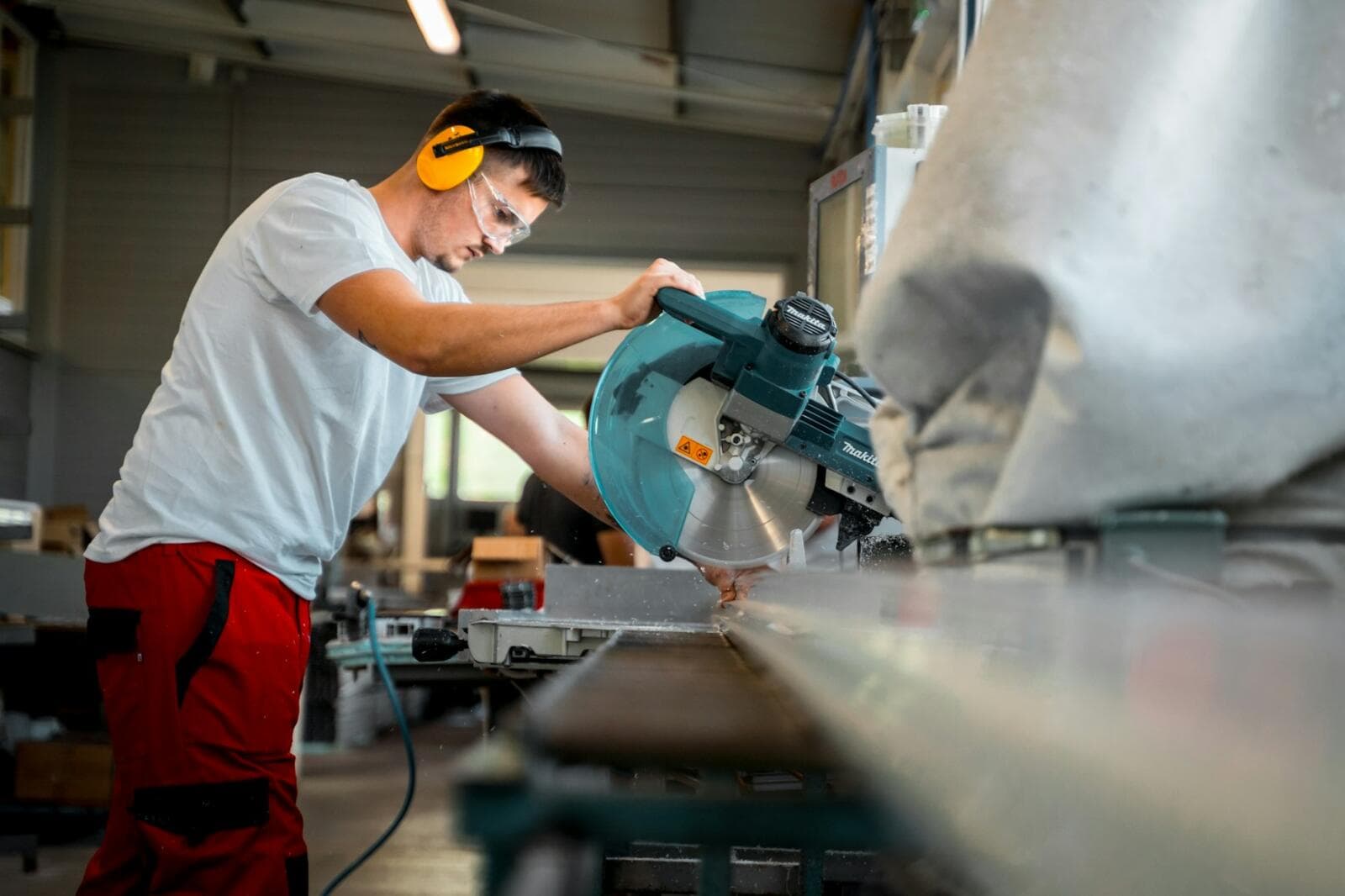
Contract manufacturing is when a business (like yours) hires a third-party manufacturer to produce its goods-either wholly or partially. Instead of building or running your own factory, you partner with a specialist (the contract manufacturer) to make your products, using their facilities, equipment, and workforce. This model is widely used in technology, food and beverage, fashion, cosmetics, medical devices, and virtually any industry that produces physical products.
Under a contract manufacturing arrangement, your business typically provides product specifications, intellectual property (such as recipes or designs), and quality standards. The manufacturer agrees to make and deliver the products to your requirements. Both parties formalise what’s expected through a contract manufacturing agreement.
Why Do Australian Businesses Use Contract Manufacturing?
Contract manufacturing is popular in Australia because it allows businesses to:
- Reduce upfront costs: You don’t need to invest in expensive plant, machinery, or labour.
- Scale faster: You can adjust production volumes to meet demand without operational headaches.
- Leverage expertise: Manufacturers often have specialised knowledge, advanced tech, and robust quality systems.
- Focus on core business: You can devote more energy to branding, marketing, and sales.
But with these benefits come legal complexities-especially when it comes to controlling product quality, meeting deadlines, and protecting your intellectual property. That’s why having a rock-solid contract manufacturing agreement is critical.
How Do I Set Up Contract Manufacturing for My Business?
If you’re considering contract manufacturing, setting yourself up for success means working through both business and legal steps. Let’s break it down.
1. Research and Plan Your Contract Manufacturing Strategy
Before approaching a manufacturer, it’s vital to:
- Develop a detailed business plan and production forecast
- Research potential manufacturing partners-consider experience, capacity, location, and reputation
- Decide what level of control and involvement you want in the manufacturing process
- Identify what intellectual property, designs, or know-how you need to protect
- Work out your budget, including production, logistics, and contingency costs
Documenting your approach will not only guide your contract negotiations but also help you identify legal risks before you sign anything. We recommend reading our full guide on creating a business plan for more tips.
2. Choose the Right Business Structure
Before signing any agreements, it’s important to formalise your business structure. In Australia, your main options are:
- Sole trader: Simple and cost-effective, but you are personally liable for all business debts.
- Partnership: Two or more people run the business together. Partners are still personally liable for debts.
- Company: A separate legal entity that protects your personal assets and is often preferred for businesses entering substantial commercial agreements.
- Trust: Sometimes used for asset protection or tax purposes, depending on your investment structure.
Many businesses involved in contract manufacturing opt for a company structure because it limits your personal liability. If you’re not sure which structure suits your goals, our guide to business structures can help you choose wisely.
3. Register Your Business and Meet Local Obligations
To operate legally in Australia, make sure you:
- Register for an Australian Business Number (ABN)
- Register your business name (unless trading under your own)
- Register for GST if your annual revenue will exceed the threshold
- Set up any other registrations required in your sector (like food licences or import permits)
For more on registering your company, see our step-by-step Company Set Up guide.
4. Find the Right Contract Manufacturer
Choosing who will make your product is a critical business and legal decision. Consider asking:
- What quality control systems do they use?
- Do they have experience with your type of product?
- Can they meet your volume, timing, and packaging requirements?
- Are they willing to sign a detailed contract manufacturing agreement?
- What’s their track record with safety, compliance, and ethical standards?
If your manufacturer is overseas, you may face additional legal and logistical challenges-check out our article on engaging overseas contractors for tips on cross-border relationships.
What Should Be Covered in a Contract Manufacturing Agreement?
A robust contract manufacturing agreement protects both you and your manufacturer. It ensures everyone knows their responsibilities and rights, minimises risk, and gives you a pathway to resolve any disputes. Your agreement should be tailored to your product, business, and manufacturing partner, but at a minimum it should address:
- Product specifications and quality standards: Exactly what is being made, how it must perform, and how quality is checked.
- Pricing, payment terms, and minimum order quantities: How much you’ll pay, when, and for what volumes.
- Intellectual property protection: Who owns the IP (your designs, logos, and processes), and how the CM can and cannot use it.
- Confidentiality: Non-disclosure language to prevent your trade secrets or business info being shared.
- Production timelines and delivery requirements: Milestones, deadlines, and who’s responsible for what if things run late.
- Defect, warranty, and liability clauses: What happens if products are faulty or don’t meet standards-who bears the cost?
- Order changes and cancellations: How to handle changes to orders or termination of the agreement.
- Dispute resolution: How to settle disagreements-through negotiation, mediation, or court?
- Compliance: Making sure the manufacturer meets all relevant laws and industry regulations (such as product safety standards or environmental requirements).
Customising these terms for your unique situation is vital. A “one size fits all” approach rarely works for contract manufacturing-there are too many risks and variables. Our contract lawyers can help you draft or review your agreement so you’re protected from day one.
What Legal Risks and Common Issues Should I Watch Out For?
Like any commercial relationship, contract manufacturing comes with risks. Some of the most common issues Australian businesses face include:
- Poor quality or defective products-which can damage your reputation and trigger product recalls
- Delays and supply chain disruptions-causing you to miss customer deadlines or incur penalties
- Intellectual property theft-including unauthorised copying or leaking of your designs
- Changing costs and minimum order requirements-which can erode your margins if not locked in by the contract
- Disputes over warranties, refunds, or payment terms
- Regulatory breaches-like non-compliance with Australian Consumer Law on product safety, warranties, or labelling
It’s crucial to negotiate strong, clear contract terms-and to revisit them as your business grows or if circumstances change. Regularly reviewing your arrangements can prevent disputes and expensive legal battles. For more on what makes a contract legally binding (and what can make one unenforceable), see our guide on contract validity.
Do I Need to Be Aware of Any Special Australian Laws?
Yes-when producing goods for sale in Australia, you need to comply with a range of laws, regardless of whether you make them yourself or contract them out:
- Australian Consumer Law (ACL): Sets out your obligations for product safety, consumer guarantees, misleading conduct, and more. You can learn about your ACL duties (like providing warranties) in our warranties in Australian law article.
- Product liability laws: You may be liable if your product is faulty or unsafe, even if you didn’t manufacture it yourself. Ensuring strong indemnity and liability clauses in your agreement is essential.
- Intellectual property law: Both your IP and the manufacturer’s IP (if they’re providing some know-how) must be managed carefully. Consider registering trade marks and keeping your designs confidential.
- Industry-specific regulations: Certain products-like food, cosmetics, or electronics-have special compliance requirements around safety, labels, and standards.
- International agreements: If your CM is overseas, import/export laws and cross-border IP protections come into play.
If you’re unsure which regulations apply to your sector, it’s a good idea to speak with a legal expert early before starting production.
What Legal Documents Will I Need for Contract Manufacturing?
Strong legal documents are your best risk management tool when partnering with a contract manufacturer. Key documents include:
- Contract Manufacturing Agreement: The core contract between you and the CM covering all commercial and legal terms as outlined above.
- Non-Disclosure Agreement (NDA): To protect your confidential information when discussing your product with potential partners (learn more about NDAs).
- Supply Agreement: Outlines how raw materials or components will be supplied to the CM, if needed.
- Distribution Agreement: If the CM will also distribute or help deliver finished goods.
- IP Assignment or Licence Agreement: To clarify who owns any IP developed during manufacturing (read about assignment deeds).
- Quality Control or Inspection Agreements: Define how and when quality will be checked.
- Commercial Terms and Conditions: For direct sales to retailers or consumers.
Not every business will need every document, but you should expect to have a contract manufacturing agreement and at least one NDA or IP protection document. For a tailored approach, check out our contract drafting services to help you assemble exactly what you need.
Can I Use Overseas Contract Manufacturers?
Many Australian businesses work with overseas contract manufacturers to save on costs or access specialist capabilities. While this can offer big opportunities, it also adds complexity. Considerations include:
- Different legal systems-enforcing your contract may be harder outside Australia
- Time zones, communication, and language barriers
- Longer shipping times, which can affect your customers and cash flow
- Potential for higher intellectual property risks
- Compliance with Australian labelling and packaging requirements
Whenever you’re working across borders, it’s wise to include international arbitration clauses and carefully consider your choice of law and jurisdiction. You can read practical tips in our guide on working with overseas contractors, which applies to manufacturers too.
How Can I Resolve Disputes with a Contract Manufacturer?
Unfortunately, disputes can and do arise in contract manufacturing relationships. Common issues include late deliveries, poor quality, pricing disagreements, or IP misuse. The best way to manage disputes is to:
- Have a clear step-by-step dispute resolution process in your contract (negotiation > mediation > legal action)
- Keep thorough records of communications, orders, inspections, and any issues
- Act quickly-raise any problems as soon as they are identified
- Seek legal help early before problems escalate
Having an enforceable, well-drafted agreement gives you a clear path and protects your rights if a disagreement occurs.
What Are the Steps to Getting Started With Contract Manufacturing?
Ready to take the next step? Here’s a quick summary:
- Research and shortlist reputable contract manufacturers
- Clarify your product requirements, volume, and quality expectations
- Choose the right business and legal structure
- Register your business (ABN, company, GST, etc.)
- Negotiate and sign a detailed contract manufacturing agreement
- Arrange any supply or IP agreements needed
- Review compliance with all relevant laws
- Keep records and revisit your agreements regularly
It’s normal to feel uncertain-setting up a contract manufacturing partnership is a big step. But with careful research and the right legal foundation, you’ll be positioned for success.
Key Takeaways
- Contract manufacturing lets you focus on your business while experts produce your goods-but you need a strong legal agreement to protect your interests.
- Draft a tailored contract manufacturing agreement covering specs, IP, confidentiality, warranties, timelines, and dispute resolution.
- Register your business correctly and choose the structure that best fits your legal and commercial goals.
- Ensure compliance with Australian Consumer Law, product safety, IP and all relevant sector regulations, even if your goods are made overseas.
- Essential legal documents include a contract manufacturing agreement, NDA, supply terms and IP assignment or licensing arrangements.
- Getting legal help early when negotiating with contract manufacturers can prevent costly problems down the road.
If you would like a consultation on setting up contract manufacturing for your Australian business, you can reach us at 1800 730 617 or team@sprintlaw.com.au for a free, no-obligations chat.