
Alex is Sprintlaw's co-founder and principal lawyer. Alex previously worked at a top-tier firm as a lawyer specialising in technology and media contracts, and founded a digital agency which he sold in 2015.
Contents
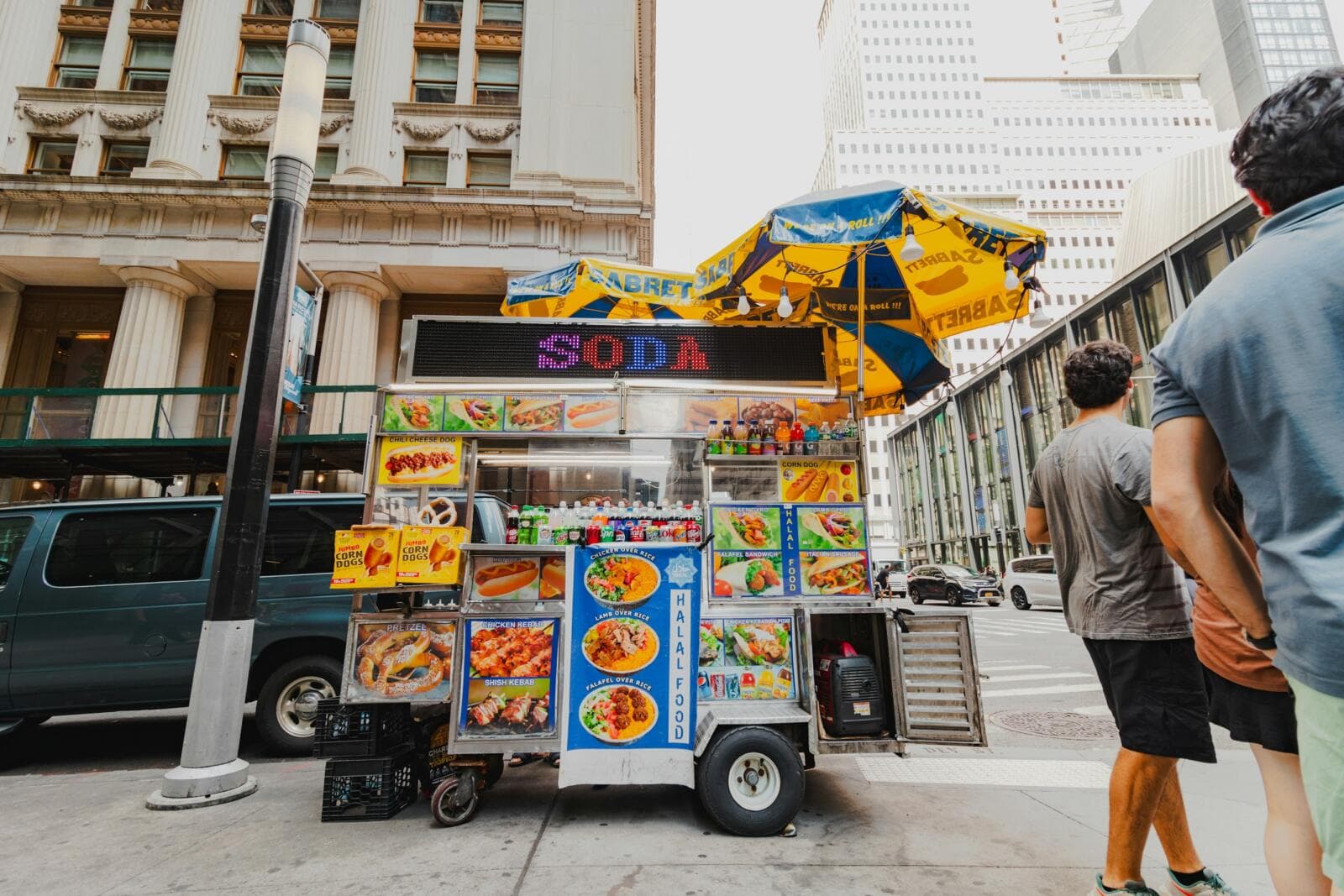
Running a business in public spaces can be a smart way to meet customers where they already are. Think food trucks at busy lunch spots, weekend market stalls, pop-up retail stands, fitness classes in parks, or mobile services at festivals and community events.
It’s a dynamic, high-visibility way to build your brand. But public places are shared spaces, which means more oversight and different rules compared to a private shopfront.
If you want to operate smoothly and avoid fines or shutdowns, you’ll need to plan for permits, safety and accessibility, consumer law, employment obligations, and practical risk management from day one.
This guide walks you through the key legal considerations for trading in public spaces in Australia, with a plain-English roadmap you can follow before you launch.
Operating In Public Spaces: What It Means For Your Business
When you operate in a public space (like streets, plazas, parks and beaches) or a publicly accessible venue (such as community markets or transport hubs), multiple regulators may be involved. Local councils usually take the lead, but state and territory rules and national laws also apply.
In practice, this often means you’ll need approvals to occupy space, meet public safety and accessibility standards, follow local trading hour or noise limits, and keep on top of consumer and workplace laws that apply to all businesses.
Every council and land manager sets its own conditions. Two similar food trucks can face different requirements just by crossing a council boundary. It’s important to check the rules that apply to your exact activity and location rather than assuming what worked elsewhere will be allowed where you’re trading today.
Can You Trade In A Public Space? Permits, Approvals And Insurance
Generally, yes-if you have the right permissions and risk protections in place. Expect to deal with your local council (and possibly event organisers or state authorities) before you start trading. Requirements vary by jurisdiction and activity, but commonly include:
- Street trading or mobile vending permits for trading on roads, footpaths or public squares
- Market stallholder approvals for recurring or one-off markets and fairs
- Event approvals for pop-ups, demonstrations, performances or short-term activations
- Park or public land bookings, including conditions on placement, access and clean-up
- Food business registration/notification and compliance with the Australia New Zealand Food Standards Code if you handle food
- Public liability insurance to cover injury or damage claims arising from your operations
- Noise, signage and temporary structure approvals where relevant
Councils often require proof of insurance (with a minimum cover amount and the council named as an interested party) before finalising a permit. If you’re supplying or serving food, expect food safety checks or evidence of training. Trading without the correct approvals can lead to fines or immediate shutdown, so factor permits and insurance into your launch timeline.
Step-By-Step: Set Up Your Public Space Venture Legally
1) Map Your Concept And Locations
Start with a simple plan. What are you selling or doing? Where, when and how often will you trade? Who controls those spaces (council, state authority, event organiser, private landowner)? Identify seasonal opportunities-like festivals and night markets-and practical limits such as noise, access, and nearby residents.
2) Choose Your Business Structure And Register
Decide whether to operate as a sole trader, partnership or company. Each option has different risk and compliance implications. As a sole trader, you control everything directly but you’re personally liable for business debts. A company is a separate legal entity that can provide stronger protection for your personal assets but comes with extra governance and reporting.
If you’re weighing up whether to use a trading name or incorporate, it helps to understand how an entity name vs business name works in practice.
At a minimum, you’ll need an ABN to operate in Australia. You can read through the advantages and disadvantages of having an ABN so you know what it unlocks and what obligations come with it. If your projected turnover meets the GST registration threshold, set up your GST from the outset (speak with your accountant about tax specifics).
3) Confirm Local Rules And Apply For The Right Permits
Check your council’s trader or event pages for the permits that match your activity. Many councils publish application forms and handy guides online. If your planned site is managed by an event organiser or a state authority (for example, a national park, transport precinct or major venue), ask them what additional approvals they require.
Submit permit applications with enough lead time-some approvals can take weeks, especially if they require site assessments, public notices or evidence of insurance and safety systems.
4) Build Safety, Accessibility And Site Management Into Your Setup
Public safety is non-negotiable. Plan for stable structures, safe electrical setups, appropriate food handling (if applicable), clear pedestrian access (including accessibility for wheelchairs and prams), spill and waste management, and emergency access. Many councils will ask for a site plan and risk assessment as part of your application.
5) Put Your Contracts And Policies In Place
Before you open, lock down your core legal documents. Clear terms with customers, written agreements with suppliers and staff, and a simple incident procedure will save you time if something goes wrong. We outline the common documents you’ll need below.
6) Plan Your Compliance Calendar
Permits often have expiry dates and conditions (like trading hours or maximum footprint). Keep a simple compliance calendar with renewal dates, licence numbers, and insurance policy details so you don’t miss anything during busy seasons.
The Laws You Must Comply With In Australia
Australian Consumer Law (ACL)
If you sell goods or services to the public, the Australian Consumer Law applies. It covers honest advertising, consumer guarantees, and fair sales practices (including refunds and remedies when products are faulty). A short, clear returns policy that aligns with your ACL obligations helps manage expectations. For an accessible overview, see this guide to the Australian Consumer Law.
Employment And Workplace Safety
If you bring on staff-whether casuals for weekend markets or a regular team-you need to meet minimum pay, breaks, hours and rostering requirements set by workplace laws and any applicable award. These rules apply even for short-term or event-based shifts.
- Breaks and rest periods are important for public-facing roles; this overview of Fair Work breaks explains common settings.
- You must also stay within the limits on working hours; start with this summary of maximum hours of work per week.
Work health and safety (WHS) laws require you to identify hazards and manage risks. For public spaces, think about power cords, weather, crowd flow, manual handling, and first aid. Train your team on how to set up and pack down safely.
Privacy And Customer Data
If you collect personal information (for example, when taking bookings, running competitions or building a mailing list), you need to manage it lawfully. Many small businesses are not subject to the Privacy Act 1988 (Cth) because of the small business exemption, but there are important exceptions-such as if you handle health information, operate certain services, or contract with parties who require you to meet Australian Privacy Principles.
Even when not legally required, many councils and event organisers expect businesses to have a simple Privacy Policy and appropriate data handling practices as a condition of participation. A practical way to meet expectations and build trust is to implement a tailored Privacy Policy and collect only what you need.
Local Rules: Noise, Trading Hours, Signage And Waste
Public spaces often have restrictions on noise and amplified music, trading hours, signage size and placement, and waste disposal. These conditions typically appear in your permit. If your business uses generators or plays music, check decibel limits and quiet hours before you launch.
Food Safety (If You Handle Food)
Food businesses must comply with the Food Standards Code and state/territory food laws, and will usually need registration or notification with the local council. Expect to show evidence of food safety knowledge and appropriate equipment (for example, temperature control, handwashing, and allergen awareness). Requirements differ by state and council, so confirm what applies to you when you pick your locations.
Intellectual Property And Marketing
Your brand is a valuable asset in crowded public settings. It’s smart to secure your brand name and logo early (for example, via trade mark registration) and to avoid infringing others’ branding in your signage and online presence. If you use photographers or influencers, make sure you own or have permission to use the content in your marketing.
Tax And Finance
Set up your ABN, consider whether you need to register for GST based on expected turnover, and keep clear records for BAS and income tax. Public space trading can be seasonal and mobile, so a simple bookkeeping system will help identify when you cross thresholds or need to adjust cash flow. For tax specifics and structuring, speak with your accountant-this article focuses on legal compliance.
Essential Legal Documents And Agreements
Having the right documents in place is just as important as having a permit. They clarify expectations, reduce disputes and often satisfy conditions set by councils and event organisers. The essentials typically include:
- Customer Terms Or Service Agreement: Sets out what you’re providing, pricing, cancellations, refunds and any safety rules that apply at your site. Clear terms are especially helpful for pop-ups, classes and mobile services. If you don’t have one yet, consider a tailored Service Agreement.
- Supplier Agreement: Written terms with suppliers (for example, equipment hire, food or stock) covering delivery, quality, liability, and cancellations.
- Stallholder/Occupancy Agreement: If you’re hiring space at a market or event, get the agreement in writing and check conditions on trading times, power, signage, and indemnities.
- Employment Or Contractor Documents: If you have staff or contractors, use clear engagement terms, confirm who manages safety on site, and set expectations for hours and duties. Make sure role briefs reflect public space operations (set-up/pack-down, cash handling, customer interactions).
- Privacy And Marketing Materials: If you collect emails or run promotions, have a simple privacy notice and process for consent, supported by a Privacy Policy.
- Insurance Certificates: Keep certificates of currency for public liability (and other relevant cover) ready to provide to councils or event organisers.
- Safety And Incident Procedures: Short checklists for setup, pack-down, food safety (if relevant), and incident reporting. These can be simple, but they matter-especially if you rotate casual staff.
Not every business will need every document, and the depth of each will vary with your risk profile and activities. The key is to cover the basics early so you don’t scramble to fix issues mid-season.
Key Takeaways
- Public spaces are shared and regulated, so you’ll need the right council permits, event approvals and insurance before you trade.
- Choose a structure that suits your goals and risk tolerance, understand the role of an ABN, and register your business name or company as needed-this overview of entity name vs business name can help you compare options.
- Consumer law applies to sales in public spaces-be clear and accurate in your advertising and returns processes under the ACL.
- If you hire staff, comply with workplace rules on breaks and maximum hours, and train your team on safety in public environments.
- If you collect personal information, implement a practical data process supported by a tailored Privacy Policy and only collect what you need.
- Put your contracts in place before launch-customer terms, supplier agreements and stallholder/occupancy agreements reduce disputes and keep organisers and councils comfortable. A tailored Service Agreement is a good starting point for customer-facing operations.
- Rules differ across councils, states and venues. Always check location-specific requirements and keep a simple compliance calendar so you stay on top of renewals.
If you would like a consultation on legal considerations for operating your business in public spaces, you can reach us at 1800 730 617 or team@sprintlaw.com.au for a free, no-obligations chat.