Get expert legal support for boutique hotels
Fixed-fee legal help from Australia's top-rated online law firm, with expert lawyers guiding you every step of the way.

100,000+ businesses helped


Get a free quote
We'll get back to you




What's included
Navigate the legal landscape of your boutique hotel with confidence.
Receive expert guidance on legal compliance tailored for your boutique hotel.
What's included
- One-Off Services
- Membership Plans
- Customised Packages
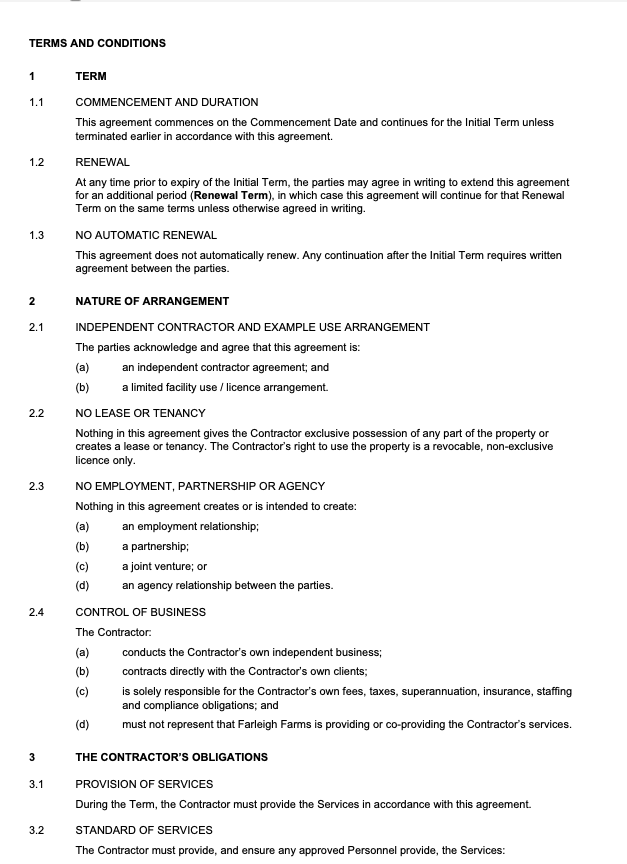
Project
Legal Documents
Status
CompletePrepared by

Alex Solo
Senior Lawyer
FAQs
Frequently asked questions
Unsure about how we work? We have gathered the most common questions for your convenience.
Boutique hotels in Australia often need specialised legal services to manage the complexities of the hospitality industry. One key area is contract law, as hotels regularly enter into agreements with suppliers, service providers and guests. Well-drafted contracts can help avoid disputes and protect the hotel’s interests.
Another important area is liquor licensing. For hotels that serve alcohol, complying with state-based licensing requirements is essential.
Privacy law is also relevant, especially when handling guest information. Boutique hotels need appropriate data protection measures to comply with the Privacy Act and protect personal information.
In addition, intellectual property protection can help preserve a hotel’s brand identity. This may include trade mark registration and copyright protection for marketing materials and design elements.
Finally, dispute resolution services can be useful when issues arise with guests, employees or third parties. Getting legal support can help boutique hotels manage these risks and focus on delivering a great guest experience.
When setting up a boutique hotel in Australia, there are several important legal considerations to keep in mind.
Zoning and planning rules are a key starting point. You need to make sure the property complies with local council requirements and is properly zoned for hotel use. This may involve obtaining permits and approvals, which can vary depending on the location.
Employment law is another important area. If you hire staff, you will need to comply with the Fair Work Act and other relevant laws. This includes understanding award rates, employee entitlements, and workplace health and safety obligations.
Insurance is also important for managing risk. This may include public liability, property and business interruption insurance.
Environmental regulations may also affect your operations, particularly if the hotel is in a sensitive area. Compliance may involve issues such as waste management, energy efficiency and water use.
Tax is another key consideration. You may need to register for GST and understand your obligations in relation to income tax, payroll tax and other relevant taxes. Getting legal advice can help you work through these issues and set up your boutique hotel on a stronger footing.
Boutique hotels in Australia need to manage a range of hospitality regulations to stay compliant and operate smoothly. One important area is health and safety compliance, which involves meeting Occupational Health and Safety (OHS) standards to help protect guests and staff. This can include regular safety checks and risk management processes.
Food safety is also important for hotels that offer dining services. Compliance with Food Standards Australia New Zealand (FSANZ) guidelines helps ensure food is stored, prepared and served safely.
Boutique hotels should also consider accessibility requirements under the Disability Discrimination Act. This may involve making facilities accessible to guests with disabilities and providing appropriate services.
Environmental sustainability is another growing area of focus, with many hotels adopting practices to meet environmental obligations and guest expectations.
Local council rules are also important, as they can vary between regions. Getting legal advice can help boutique hotels understand their obligations and manage compliance more confidently.
Boutique hotels in Australia can protect their intellectual property and brand identity in several ways. One of the most important steps is registering a trade mark for the hotel’s name, logo and any distinctive slogans. This can help protect your brand and stop others from using similar marks that may confuse customers.
Copyright protection is also important for original content such as marketing materials, website content and design elements. This can help protect creative work from unauthorised use or reproduction.
It is also a good idea to monitor the market for possible infringements. Regular intellectual property audits can help identify unauthorised use of brand assets and allow you to respond early.
Clear brand guidelines can also help maintain consistency across your business and strengthen your brand identity. If you work with third parties such as designers or marketing agencies, non-disclosure agreements (NDAs) can help protect sensitive information and creative concepts.
Taking these steps can help boutique hotels protect their brand and maintain a distinctive presence in the market.
Boutique hotels in Australia face a range of legal challenges that need to be managed carefully to support compliance and smooth operations.
One key issue is health and safety compliance, which requires hotels to meet Occupational Health and Safety (OHS) standards to protect guests and staff. This often involves regular safety audits and effective risk management practices. Hotels that offer dining services also need to comply with food safety requirements, including Food Standards Australia New Zealand (FSANZ) guidelines for storing, preparing and serving food safely.
Accessibility is another important area. Under the Disability Discrimination Act, hotels may need to ensure their facilities and services are accessible to guests with disabilities. This can include changes to physical spaces and the way services are provided. Environmental sustainability is also becoming more important, with many hotels adopting eco-friendly practices to comply with environmental laws and meet guest expectations.
Hotels should also stay up to date with local council requirements, which can vary between regions. Working with a legal professional who understands the hospitality industry can help boutique hotels navigate these issues and stay compliant while delivering a great guest experience.
As an online law firm, we remove the hassle of hourly billing and in-person meetings. We charge fixed fees, with upfront quotes and transparent pricing, and we communicate by phone, email and video chat, whichever suits you best.
Our Australian-qualified lawyers will guide you through the process. They specialise in technology, intellectual property, contract drafting, corporate and commercial law.
At Sprintlaw, we offer a range of legal services for startups and small businesses, with transparent pricing to suit different needs.
- One-off services: Many of our one-off legal services, such as document drafting or reviews, are offered for a fixed fee. Prices typically range from $250 to $2,500 AUD, depending on the complexity and scope of the work. You can contact our team any time for a free quote.
- Membership plans: For ongoing legal support, we offer Sprintlaw Memberships. Memberships include benefits such as access to legal templates, a legal helpline, free legal consultations and credits for services. We also have a free tier to help you get started, and our standard membership starts at just $66 AUD/month, with options to upgrade for additional value.
- Customised packages: For larger or more complex projects, such as custom contract drafting, we’ll provide a tailored quote after understanding your requirements.
We aim to be cost-effective while maintaining high-quality legal services. If you’d like an estimate for your needs, feel free to reach out to our team.
Our law firm operates completely online, so we can help you wherever you are in Australia. Our lawyers work from co-working spaces and home offices in Sydney, Melbourne, Brisbane, Adelaide and Perth.
From quote to delivery in three simple steps
Getting quality legal help for your business has never been easier or more affordable.
Get a free quote
Our legally trained consultants will prepare a fixed-fee quote for you.
Accept online
Accept your fixed-fee quote and e-sign our engagement letter.
Speak with a lawyer
Our expert lawyers will talk you through your project via phone, video call or whatever suits.
Get a free quote
Our legally trained consultants will prepare a fixed-fee quote for you.
Accept online
Accept your fixed-fee quote and e-sign our engagement letter.
Speak with a lawyer
Our expert lawyers will talk you through your project via phone, video call or whatever suits.


We've helped over 100,000 Australian businesses
From tech startups in Sydney to restaurants in Alice Springs, we consistently deliver a 5 star service.

“Can’t speak highly enough of my experience with Sprintlaw - quality advice, fast and efficient responsiveness and a professional product.”

Alex Wickert
MD, Adapt Leadership
“I’m so glad I used Sprintlaw - it was easy, affordable and their lawyers gave top quality advice. I could tell they really cared about my business.”

Emmy Samtani
Founder, Kiindred
“They’ve helped us tremendously and are seriously knowledgeable and honest. Couldn’t recommend the crew at Sprintlaw more!”

Amit Tewari
CEO, Soul Burger
Industry leaders

















Not sure where to start?
We can help.
Book a phone call with our team to get started.
Need help now?
1800 730 617