
Alex is Sprintlaw's co-founder and principal lawyer. Alex previously worked at a top-tier firm as a lawyer specialising in technology and media contracts, and founded a digital agency which he sold in 2015.
Contents
If you’re running a startup or small business, speed matters. You want deals closed, suppliers onboarded, staff hired, and customers paying - without chasing paper documents around for weeks.
That’s why e-signature workflows have become the default for many Australian businesses. They can make signing faster, easier to track, and simpler to store. But as soon as you start relying on electronic signatures, a practical question comes up:
Are e-signatures actually legal in Australia - and what do you need to do to make sure your contracts hold up if there’s ever a dispute?
In this guide, we’ll walk you through how an e-signature works, when it’s legally recognised, when you should be cautious, and the best practices that help keep your agreements enforceable and your business protected.
What Is An E Sign (And What Counts As One)?
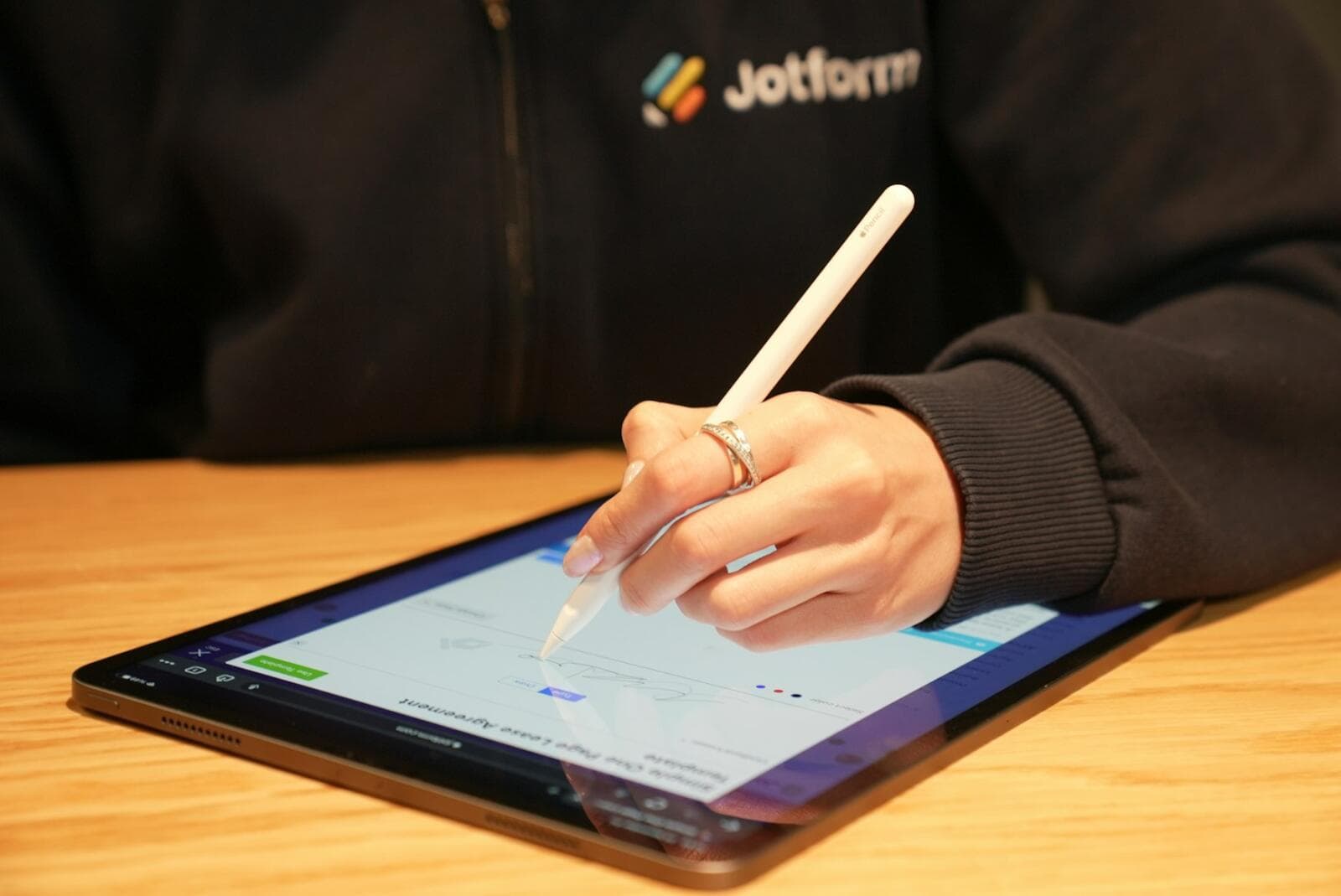
An e sign (electronic signature) is a way of signing a document electronically rather than with pen on paper. The goal is the same as a traditional signature: to show the signer’s identity and their intention to agree to the document.
In practice, “e sign” can cover a few different methods, such as:
- Typing your name at the end of an agreement (for example, in an email acceptance).
- Inserting an image of a signature into a document.
- Click-to-sign style signing where someone confirms they agree and the system records details like time, IP address, email verification, and document history.
- Digital signatures (a more technical subset of e signing, often using encryption and certificates to verify identity and document integrity).
It’s also worth separating a few related concepts:
- Electronic signature: the “signature” itself in electronic form (broad category).
- Digital signature: a type of electronic signature with extra security features (often cryptographic verification).
- Electronic execution: the broader process of signing and exchanging contracts electronically.
If you’re weighing up whether to use pen-and-paper signatures or go fully digital, it helps to understand how Australian law treats wet ink signatures vs electronic signatures in everyday commercial use.
Are E Signs Legal In Australia?
In many business situations, yes - an e sign can be legally effective in Australia.
However, “legal” doesn’t mean “anything goes”. In Australia, electronic signing is generally recognised under the Electronic Transactions framework (Commonwealth and state/territory laws), which sets conditions for when an electronic method can be used in place of a handwritten signature.
In general terms, an electronic signature approach is more likely to be legally recognised if it:
- Identifies the person signing (or provides a reliable method to do so), and
- Shows their intention to sign and be bound by the document, and
- Is appropriate and reliable for the purpose (which can depend on the nature of the document and the risk level), and
- Meets any specific legal formalities that apply to that type of document (for example, witnessing requirements, or rules for deeds).
From a practical small business perspective, that means you should think about two things:
- Formation: did we actually form a binding contract?
- Proof: can we prove who signed, what they signed, and when they signed it?
Remember: A Signature Is Only One Part Of A Valid Contract
Even with a perfect e sign process, you still need the underlying agreement to be a valid contract.
That usually comes back to the core building blocks (like offer, acceptance, consideration, and intention). If you want a plain-English refresher, it can help to review what makes a contract legally binding before you standardise your signing process across your business.
Can A Simple Email “Yes” Be Binding?
Often, yes. Many business owners are surprised to learn that a contract doesn’t always need to be a formal PDF with signature blocks to be enforceable.
If you negotiate terms by email and one side clearly accepts, that acceptance can sometimes form a binding agreement. The risk is that email threads can be messy - versions get mixed up, attachments change, and key terms can be unclear.
If this is part of your normal workflow (for example, approving quotes, scopes of work, or variations over email), it’s worth understanding is an email legally binding so you can tighten up how you document acceptance.
Are There Documents Where You Should Be More Careful?
Yes. Some documents have stricter rules around signing, witnessing, or the method of execution. The details can vary depending on the document type and the state/territory, and sometimes what you’re signing may have additional formalities.
Common examples where you should be especially cautious (and get advice before relying on a basic e sign workflow) can include:
- Deeds (including deeds of variation or deed poll arrangements) - there can be additional execution requirements, and the rules can differ by jurisdiction and signing party.
- Documents requiring witnessing - whether an electronic signature (and electronic witnessing) is acceptable depends on the applicable law and the specific circumstances.
- Property-related documents and certain registrable instruments - these often involve specific statutory processes or platform requirements.
- Wills and powers of attorney - these frequently have strict formalities and are not “standard” e sign use-cases.
As a general approach: if the document involves high value, high risk, regulated activities, or unusual signing requirements (like witnessing), it’s worth getting advice before relying on a basic e sign approach.
For a broader overview of execution issues that can come up, legal requirements for signing documents is a helpful starting point.
When Should Your Business Use An E Sign?
For most startups and small businesses, an e sign workflow is ideal for everyday commercial contracts - especially where speed and record-keeping matter.
Common examples include:
- Client agreements for services (marketing, consulting, professional services, trades, etc.)
- Online terms acceptance (where customers accept Terms and Conditions)
- Supplier and contractor agreements
- Employment documentation (offers, policies, contract packs)
- NDAs when sharing confidential information
- Routine variations to existing agreements
The main advantages of using an e sign process are:
- Speed: sign from anywhere, reduce delays, close deals faster.
- Better tracking: see who has signed, who hasn’t, and when reminders are sent.
- Cleaner record-keeping: one executed version stored securely (instead of multiple “final_final_v7.pdf” files).
- Fewer errors: fewer missing initials, missed pages, or unsigned attachments.
What About Signing For Companies?
If you run your business through a company, you also need to think about who signs and how they sign. Some contracts are signed by directors, some by an authorised representative, and some under formal execution rules.
One area that often causes confusion is execution under the Corporations Act. For example, if you want the extra assumptions/benefits that can come with signing under section 127, you’ll generally need to meet the section 127 requirements - and you should also make sure your electronic signing method (and the way counterparts are handled) aligns with what the law allows at the time and in your circumstances.
If you’re not sure whether you’re signing correctly as a company, it’s worth reviewing section 127 signing so your agreements don’t get challenged later.
How To Use E Sign In Your Business (A Practical Setup Checklist)
If you want your e sign workflow to be fast and defensible, it helps to standardise your process early - especially as your team grows and more people start sending contracts.
1) Choose A Consistent Signing Process
Consistency reduces mistakes. You want the same core steps every time, such as:
- Send the contract in one controlled method (rather than multiple email chains).
- Ensure the signer receives the full contract (including attachments).
- Ensure the signed copy is saved back to a central system (not someone’s personal inbox).
2) Confirm The Signer Has Authority
One of the most common contract problems isn’t the e sign method - it’s that the wrong person signed.
Before you send a contract for signature, confirm:
- Who the counterparty is (individual, sole trader, company, trustee).
- Who is signing on their behalf (director, manager, authorised representative).
- Whether internal approval is needed on your side before it goes out.
This is especially important for bigger deals, long-term supply arrangements, or agreements involving IP ownership.
3) Use Clear Signature Blocks And Execution Clauses
Your contract should make it obvious:
- who is signing,
- in what capacity (for example, “Director”), and
- the entity they’re binding (for example, the company name and ACN).
If you’re using templates that were originally designed for paper signatures, you may need to adjust the execution clause so it works properly with electronic signing and counterparts - and to account for any deed language or witnessing requirements if relevant.
4) Keep A Strong Audit Trail
If there’s ever a dispute, the question won’t just be “is an e sign legal?” - it will be “can you prove what happened?”
Best practice record-keeping includes:
- date/time stamps of signing,
- the email address or identity verification steps used,
- a full copy of the signed contract and any attachments,
- a version history (so you can show what the signer saw), and
- any negotiation history or approvals (where relevant).
5) Build E Sign Into Your Core Legal Documents
E signing is easiest when your legal documents are already designed for modern workflows.
For example:
- If you’re hiring, your Employment Contract should match the way you actually onboard staff (often remotely).
- If you operate online or collect customer data, your Privacy Policy should align with how you obtain consent and manage customer information.
E Sign Best Practices (So Your Contracts Hold Up)
Using an e sign tool is the easy part. Using it well - so your agreements stay enforceable and reduce your risk - is where best practices matter.
Use “One Source Of Truth” For The Contract
A common problem we see is multiple versions floating around:
- one version with tracked changes,
- one version emailed to the customer,
- another version signed by mistake.
Make it a rule that there is one final version issued for signing, and that version is stored centrally once executed.
Be Clear About When The Contract Starts
Many business owners assume the contract starts “when it’s signed”. Sometimes that’s true, but not always.
Your agreement might say it starts:
- on the “Effective Date”,
- when a deposit is paid,
- when services begin, or
- when the last party signs.
Make sure your contract wording matches how you actually operate - especially if you start work quickly after sending an e sign request.
Don’t Forget Variations And Side Deals
Startups move fast, and deals change. Pricing updates, scope changes, delivery timelines shift, and someone says, “Sure, we can add that in.”
If you want to avoid disputes, make sure changes are documented properly. Depending on the contract, that might be done with a short written variation or a Deed of Variation (particularly if you need a more formal approach - noting deeds can have extra execution formalities).
Match The Level Of Security To The Risk
Not every document needs the same level of identity verification.
As a rule of thumb:
- Low risk / routine documents: a simple e sign process may be fine.
- Higher risk / higher value documents: consider stronger verification and tighter internal approvals.
- Very high risk: get legal advice on signing method, witnessing, and execution requirements before sending anything out.
This is especially important if you’re raising capital, entering long-term exclusivity arrangements, or transferring valuable intellectual property.
Common E Sign Traps For Startups (And How To Avoid Them)
E signing usually reduces friction - but it doesn’t eliminate legal risk. Here are some common traps we see, and how to protect your business as you scale.
Trap 1: The Contract Doesn’t Match The Deal
It’s easy to send a template and assume it covers everything. But if your commercial terms are agreed elsewhere (like in email, a proposal deck, or a messaging thread), you can end up with inconsistencies.
How to avoid it: make sure the contract clearly states the scope, price, timing, and key responsibilities, and that any important attachments are included before signing.
Trap 2: The Wrong Entity Is Signing
This can happen when:
- a founder signs personally instead of via the company,
- a related entity is named incorrectly, or
- a trust or trustee structure isn’t properly reflected.
How to avoid it: confirm the counterparty details (name, ABN/ACN where relevant) before you send the e sign request, and make sure the signature block matches.
Trap 3: No One Can Find The Signed Copy Later
In a dispute, “we think it was signed” isn’t where you want to be. If you can’t quickly produce the executed contract, you lose leverage and waste time.
How to avoid it: store signed contracts in a central location with a clear naming convention, and limit who can send out signing requests.
Trap 4: You Start Work Before Signature
This is a classic startup issue: you want to move quickly and keep the customer happy, so you begin delivery before the paperwork is finished.
How to avoid it: set internal rules around when work begins (for example, after signature and initial payment), and bake this into your onboarding workflow.
Key Takeaways
- E sign processes can be legally effective in Australia, but you generally need to be able to show identity and intent, use a method that’s reliable for the purpose, and keep clear records of what was signed (including what version was signed).
- A valid signature doesn’t automatically mean a valid contract - your agreement still needs the right fundamentals and clear commercial terms.
- E signing is ideal for common small business documents like client agreements, supplier contracts, and employment paperwork, especially when you’re operating remotely.
- Strong best practices - like authority checks, clean execution blocks, and a solid audit trail - reduce your risk and make enforcement easier if something goes wrong.
- For higher-risk documents (including many deeds) or documents with unusual execution formalities (like witnessing or certain property/estate planning documents), it’s worth getting advice before relying on a basic e sign approach.
If you’d like help setting up your e sign process or getting your contracts ready for electronic execution, reach out to Sprintlaw at 1800 730 617 or team@sprintlaw.com.au for a free, no-obligations chat.