
Alex is Sprintlaw's co-founder and principal lawyer. Alex previously worked at a top-tier firm as a lawyer specialising in technology and media contracts, and founded a digital agency which he sold in 2015.
Contents
Australia’s property and infrastructure pipeline continues to create solid demand for safe, compliant demolition services. If you’re ready to launch a demolition business, you’re entering a space with real opportunity - and real responsibility.
Demolition is highly regulated across Australia because the work is high-risk and can impact workers, neighbours, and the environment. Getting the legal side right from day one isn’t just “red tape”; it’s central to running a reputable, profitable business that wins tenders and avoids costly delays.
In this guide, we’ll walk through what a demolition business does, the step-by-step setup process, the key laws that apply, and the contracts and policies you’ll likely need. Our aim is to make the process clear and manageable so you can build a strong foundation and focus on delivering quality work.
What Does a Demolition Business Do?
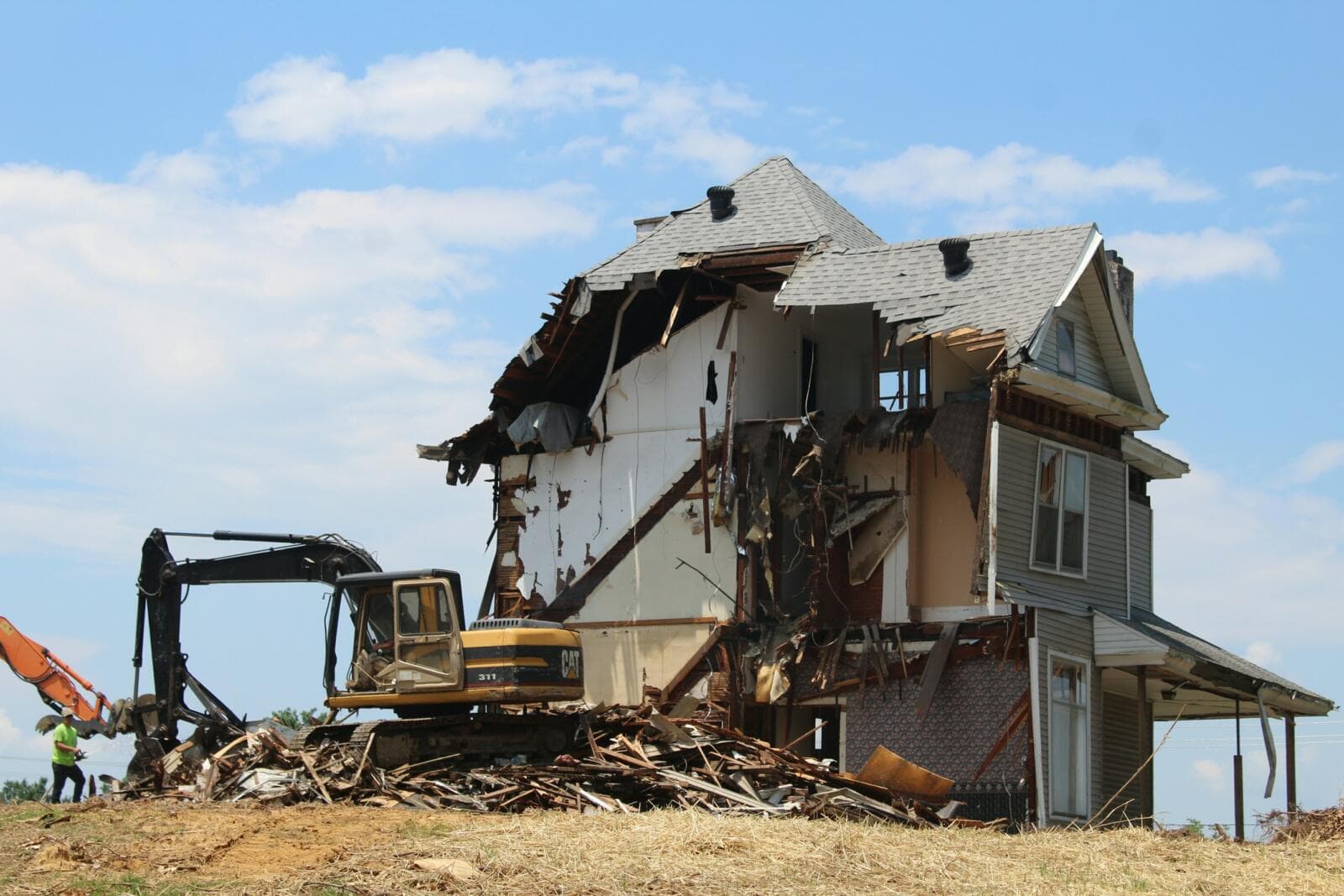
A demolition business plans and carries out the dismantling, deconstruction, or removal of structures. Jobs range from small residential garages to complex multi-storey or industrial demolitions. Typical services include structural or partial demolition, soft strip, hazardous materials removal (such as asbestos by appropriately licensed professionals), debris sorting and recycling, and site remediation.
Because demolition sits within high-risk construction work, the industry is governed by strict work health and safety (WHS) rules, environmental controls, and local planning frameworks. Understanding these regulatory layers is essential as you map out your service scope and risk controls.
Step-By-Step: How To Start a Demolition Business in Australia
1) Research Your Market and Build a Practical Plan
Start with clear goals and an honest look at the market you’ll serve. Identify your target jobs (residential knockdowns, commercial strip-outs, industrial sites), competitors and subcontractors you might partner with, and any niche capabilities (e.g. handling friable asbestos via third-party licensed specialists).
Documenting your services, pricing assumptions, equipment needs, and risk controls in a simple business plan will help you estimate cashflow, choose the right legal structure, and prepare for licence applications and insurance quotes.
2) Choose a Business Structure and Register
Your business structure affects liability, tax, and how you bring in co-owners or investors later.
- Sole trader: Simple and low cost to start. You control everything but are personally liable for debts and claims.
- Partnership: Two or more people share control and liability. A written partnership agreement is highly recommended.
- Company: A separate legal entity with limited liability. Common for higher-risk trades like demolition, and often preferred by commercial clients and insurers.
If you trade under a name that isn’t your personal name, register a business name with ASIC. It also helps to understand the difference between a business name and a company name as you brand and structure your venture.
Apply for an Australian Business Number (ABN), and consider whether you need to register for Goods and Services Tax (GST). Many demolition businesses exceed the $75,000 GST threshold quickly - however, tax and GST decisions depend on your circumstances, so it’s wise to get advice from your accountant or tax adviser.
Helpful reads:
3) Secure the Right Licences and Permits
Licensing is state and territory based, and requirements vary depending on the scope and size of work:
- Demolition licences: In some jurisdictions, specific demolition contractor licences are required above certain thresholds (e.g. structure height, project complexity). Categories may include restricted and unrestricted demolition.
- Asbestos licences: Friable and non-friable asbestos removal requires additional licences and competency. If you don’t hold these, you must engage appropriately licensed providers and coordinate safely.
- Council and planning approvals: Many demolitions need local council development approval, heritage consent where relevant, and adherence to planning conditions (e.g. noise, hours of work, traffic management).
- Environmental approvals: Depending on the site and waste streams, you may need environmental approvals for handling, transporting, and disposing of waste and contaminated materials.
Demolition work is closely monitored by state WHS regulators (for example, SafeWork NSW, WorkSafe Victoria, WorkSafe Queensland). Always check your local regulator’s current requirements for licensing and notifications before you price or start a job.
4) Implement Safety Systems and Insurance
Demolition is high-risk work. You’ll need robust WHS systems and documented procedures that align with the model WHS laws (or state equivalents):
- Develop a WHS management system and site-specific Safe Work Method Statements (SWMS) for high-risk activities.
- Undertake risk assessments and pre-start checks, and keep clear records of inductions and training.
- Plan for public safety: site fencing, dust suppression, noise and vibration controls, and traffic management.
- Carry appropriate insurances (commonly public liability, workers compensation if you employ staff, and plant/equipment cover).
If you hire employees, you also have a legal duty of care to provide a safe workplace and competent supervision.
5) Put Your Contracts and Policies in Place
Before your first job, get your client contract, subcontractor agreement, and internal workplace policies ready. Clear documents help you manage scope, safety responsibilities, and payment terms - and they’re often requested in tenders and insurance underwriting.
6) Set Up Operations and Equipment
Arrange plant and attachments (excavators, breakers, saws), temporary works (fencing, hoarding), personal protective equipment (PPE), waste sorting systems, and reliable transport to move machinery between sites. Confirm where you’ll store plant and waste, and line up licensed waste facilities suitable for your materials.
7) Plan for Ongoing Compliance
Licences expire, standards update, and regulators audit. Keep a central register of licences, plant maintenance, inductions, SWMS, and waste dockets. Review your safety system regularly and refresh staff competencies so you remain audit-ready.
What Laws Apply to Demolition Businesses?
Below are the core legal frameworks most demolition contractors need to address. Your exact obligations will depend on your state/territory, the size of each project, and whether you engage employees or contractors.
Work Health and Safety (WHS)
Demolition is classified as high-risk construction work. You must identify hazards (collapse, falling objects, dust, services isolation), implement controls, and prepare SWMS for high-risk activities.
State and territory WHS laws (and Codes of Practice) set out competency, licensing, notification and supervision requirements. Expect your regulator to check items like demolition methodologies, engineering sign-offs where needed, exclusion zones, and asbestos procedures.
Environmental and Waste Regulations
Environmental Protection Authorities (EPAs) and local councils regulate waste handling, transport and disposal. You’ll need to:
- Segregate recyclable materials where practicable (steel, concrete, bricks, timber).
- Arrange lawful disposal for regulated wastes (asbestos, contaminated soils, lead paint, PCBs, etc.).
- Keep waste transport and tipping records to show a lawful chain of custody.
- Manage dust, sediment and noise in line with permits and codes.
Penalties are significant for illegal dumping or non-compliant disposal, so make sure your waste partners are licensed and your documentation is complete.
Planning, Building and Heritage
Local planning schemes generally govern demolition approvals, working hours, street or footpath occupation, and heritage overlays. Even partial demolitions or internal strip-outs can attract conditions around noise and waste. Always confirm permit requirements with the council before you mobilise.
Australian Consumer Law (ACL)
When you provide services to clients, the Australian Consumer Law applies. You must avoid misleading statements, deliver services with due care and skill, and honour any express warranties you make. Keeping clear scope descriptions and variation procedures in your client contract helps you stay aligned with ACL obligations.
Employment and Workplace Relations
If you employ staff, you need compliant employment contracts, correct pay and entitlements, and safe systems of work. Be clear about hours, allowances and travel time that often arise on construction projects.
Where you engage independent contractors, ensure they are properly classified, insured, and managed through written agreements that deal with safety responsibilities, supervision, and payment milestones.
Privacy and Data Protection
Most small demolition businesses won’t be covered by the Privacy Act 1988 (Cth) if their annual turnover is under $3 million (the small business exemption). However, you may still be covered if you handle certain kinds of information or activities (for example, health information, providing services under contract to the Commonwealth, trading in personal information, or opting in to be bound by the Act).
Even if the Act doesn’t apply, it’s good practice to be transparent about how you collect and use client and worker details, especially via your website. Many businesses still adopt a clear, accessible Privacy Policy as part of good governance and client trust.
Intellectual Property and Branding
As you build your brand, consider protecting your name and logo. A registered trade mark can make it easier to stop copycats and build value in your reputation. Understanding trade mark classes will help you decide how to cover demolition and related services.
Tax and Financial Compliance
Keep accurate records, manage cashflow for plant purchases and maintenance, and set up invoicing procedures that track deposit payments and variations. Whether and when to register for GST, or how to claim input tax credits on heavy equipment, depends on your situation - always seek advice from a qualified accountant or tax adviser.
What Legal Documents Will I Need?
The right contracts and policies reduce risk and help jobs run smoothly. While every business is different, most demolition contractors consider the following:
- Client Service Agreement (or Project Terms and Conditions): Defines scope, exclusions, site access responsibilities, variation procedures, timeframes, rock/contamination allowances, and payment milestones. Include limitations of liability and insurance requirements.
- Subcontractor Agreement: Sets safety obligations, supervision arrangements, licences/competencies, plant responsibilities, and rates. A clear Subcontractor Agreement helps prevent disputes and ensures WHS expectations are understood.
- Employment Contract: If you hire staff, an Employment Contract sets out duties, hours, allowances, overtime, confidentiality and termination terms.
- WHS Policy and Procedures: A documented safety system, including SWMS templates, induction processes, incident reporting and emergency plans.
- Waste Management Contract: Written terms with your waste partners to confirm lawful transport/disposal, dockets, and traceability for asbestos and other regulated wastes.
- Privacy Policy: If you collect personal information (e.g. via a contact form, quotes, CVs), a concise Privacy Policy supports transparency and good governance, even if you fall under the small business exemption.
- Non-Disclosure Agreement (NDA): Useful when quoting sensitive jobs or collaborating with developers or engineers on proprietary methodologies.
- Shareholders Agreement (if there are co-founders): Agrees on decision-making, equity, exit events and dispute resolution so everyone is aligned from day one.
Each document should be tailored to the types of projects you’ll run. Generic templates rarely capture demolition-specific issues like engineered temporary works, service isolation, latent conditions, or contamination risk. Getting your terms right upfront can save significant time and stress later.
Buying an Existing Demolition Business: What Should I Check?
Purchasing an existing contractor can be attractive - there may be a client book, experienced crew and plant ready to go. It’s still essential to conduct thorough legal and financial due diligence.
- Check current licences, safety performance, regulator notices, and any pending investigations.
- Review client and supplier agreements, plant leases, and waste facility relationships to ensure they can continue.
- Confirm how assets, employees, and ongoing projects will be transferred and whether the buyer will assume any past liabilities.
An experienced business sale lawyer can review the sale documents and help you negotiate terms that protect you. If you’re considering this path, Sprintlaw’s Business Purchase Package can assist with due diligence and contract review.
Key Takeaways
- Demolition is a high-risk, highly regulated industry - strong safety systems, the right licences, and clear contracts are essential from day one.
- Choose a structure that fits your risk profile and growth plans; many contractors operate through a company for limited liability and credibility with clients.
- Licensing and permits are state-based and often project-specific, including demolition, asbestos, planning and environmental approvals.
- Your client contract, subcontractor terms, employment documents, WHS policies and privacy practices form the backbone of legal compliance on every job.
- The Australian Consumer Law, workplace laws, environmental rules and local planning controls all apply - keep your records, training, and approvals in order.
- Most small operators won’t be covered by the Privacy Act due to the small business exemption, but transparent data practices and a simple Privacy Policy still build trust.
- Buying an existing demolition business can shortcut setup, but careful due diligence on licences, contracts and safety performance is critical.
If you would like a consultation on starting a demolition business, you can reach us at 1800 730 617 or team@sprintlaw.com.au for a free, no-obligations chat.