
Alex is Sprintlaw's co-founder and principal lawyer. Alex previously worked at a top-tier firm as a lawyer specialising in technology and media contracts, and founded a digital agency which he sold in 2015.
Contents
Starting a dog walking business in Australia is a great way to turn your love of dogs into a flexible service that’s genuinely in demand. More households have pets, and owners want reliable help with exercise, enrichment and routine care.
But building a professional service takes more than grabbing a lead and heading to the park. You’ll want the right structure, clear client terms, proper insurance and a good handle on local laws so you can grow with confidence.
In this guide, we’ll walk you through how to set up your dog walking business the right way in Australia - from choosing a structure and registering your business, to the key contracts and compliance you’ll need at launch and as you scale.
What Does a Dog Walking Business Involve?
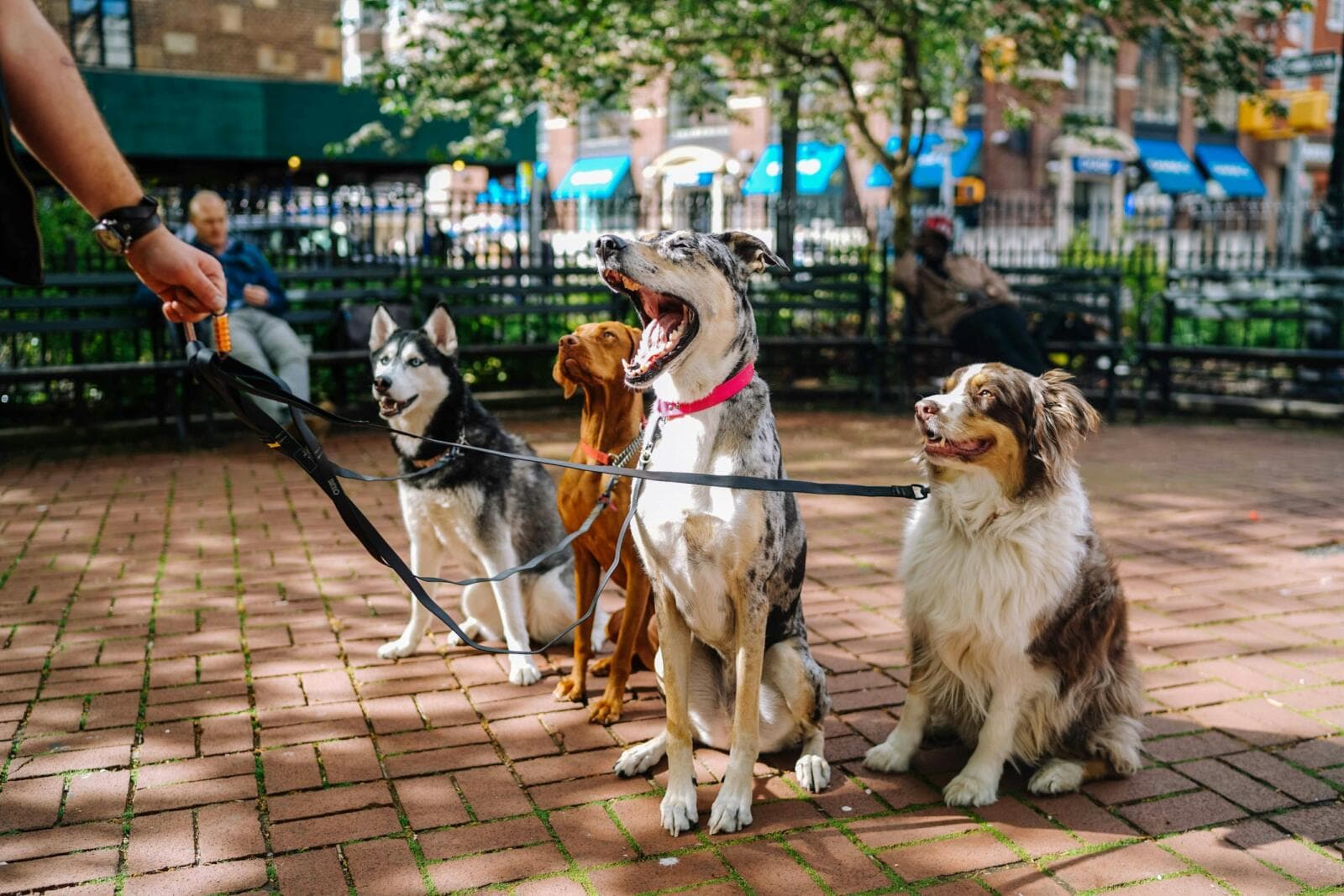
At its core, a dog walking business provides regular or ad‑hoc walks for clients’ dogs - often while owners are at work or away. Many walkers also offer home visits, feeding, group walks, basic enrichment, or add‑on services like pet sitting or puppy socialisation.
The barriers to entry are relatively low compared to other industries. However, you’re still taking responsibility for someone’s beloved pet in public spaces, so planning, risk management and legal compliance matter from day one.
A few practical questions to consider up front:
- Will you offer solo walks, small group walks, or both? How many dogs will you cap per handler?
- Do you need a vehicle for pick‑ups, or will you operate within walking distance?
- What’s your bad‑weather plan and your approach to off‑lead time?
- How will you handle keys, access codes, vet emergencies and incident reporting?
Will a Dog Walking Business Be Profitable?
It can be. Profitability depends on your location, pricing, walk density (how many dogs per hour), schedule efficiency and how well you build trust with consistent service.
Start with a simple business plan. Map your target clients, competitors, pricing model (per walk, multi‑pass, subscription), and weekly capacity. Include a risk assessment covering lost keys, escapes, bites, dog‑dog incidents, heat stress and property damage. This thinking will inform your insurance and the terms you set with clients.
If you plan to trade in your own name initially, you’ll still need the basics (ABN, client terms, insurance). If you expect to scale - for example, to hire walkers or operate across suburbs - planning a pathway to a company structure can help you manage risk and present professionally to bigger clients.
Step‑By‑Step: Set Up Your Dog Walking Business
1) Research Your Area
- Check local off‑leash areas, council by‑laws, dog limits per handler and parking near popular parks.
- Identify demand - commuters, families, or retirees - and how they currently solve the problem.
- Note competitor gaps (e.g. solo walks only, reactive‑dog options, GPS tracking, or midday puppy visits).
2) Choose Your Business Structure
In Australia, most dog walkers start as a sole trader because it’s fast and cost‑effective. As you grow, you might move to a company for limited liability and credibility.
- Sole Trader: Simple to set up and you control everything, but you’re personally liable for business debts and claims.
- Partnership: Similar to sole trader but with two or more people sharing control and liability.
- Company: A separate legal entity that can limit your personal liability, with more setup and ongoing compliance. If you’re ready to incorporate, consider a streamlined company set‑up.
If you’ll trade under a name that isn’t your personal name, register a business name as well.
3) Get an ABN (and Think About GST)
You’ll need an Australian Business Number to invoice clients. Many sole traders operate with an ABN while they test demand; here’s what to know about working under an ABN.
If your GST turnover reaches $75,000 in a 12‑month period, you must register for GST. Taxes and GST can be nuanced, so it’s a good idea to speak with an accountant about your specific obligations and record‑keeping systems.
4) Line Up Insurance
Insurance is critical in a business that operates in public and handles animals. Common policies include:
- Public Liability for injury to third parties or property damage during your services.
- Professional Indemnity if a client alleges negligence or loss from your service or advice.
- Personal Accident cover for you if you’re injured while working.
Discuss your actual activities with a broker (group walks, off‑lead time, transport, key holding) to ensure they’re covered.
5) Prepare Your Client‑Facing Terms and Risk Documents
Before you take bookings, have clear client terms that set out what you do, how you do it, when you get paid and how you manage risk. A tailored Customer Contract (or Dog Walking Service Agreement) plus a separate waiver can significantly reduce disputes and clarify expectations.
6) Build a Simple Website and Booking Flow
Most clients will find you online. A one‑page site that lists your services, suburbs, prices and booking form is enough to start. Include your Website Terms & Conditions to govern the use of your site.
On privacy: many small dog walking businesses will collect basic personal information (name, address, phone, pet details). If your annual turnover is under $3 million, you’re usually exempt from the Privacy Act 1988 (Cth) unless an exception applies (for example, you trade in personal information, provide health services, or are contracted to the Commonwealth). Even when not strictly required, using a clear, tailored Privacy Policy is best practice and often expected by customers and booking platforms.
7) Set Up Your Admin and Finances
Keep clean records from day one. Use invoicing software, track expenses, and set aside money for tax. If you operate through a company, use a separate company bank account and keep your personal and business finances distinct. An accountant can help you set up the right systems and clarify when GST registration is required.
What Laws Apply to Dog Walkers in Australia?
Local Council By‑Laws and Permits
Councils set rules around leash requirements, off‑leash zones, waste disposal and how many dogs a person can walk at once. In some areas, commercial walkers need a permit or must comply with special conditions (like identification vests, maximum group size, or restricted times). Check your council’s website and confirm before you start.
Work Health and Safety (WHS)
Dog walking involves physical and environmental risks - bites, heat stress, slips, traffic and working alone.
Under WHS laws, most businesses are considered a “person conducting a business or undertaking” (PCBU). That means you must manage risks so far as reasonably practicable to protect yourself, your workers (including contractors) and others affected by your work. Think hydration and heat policies, incident procedures, safe handling practices and route planning. Our overview of an employer’s duty of care is a helpful starting point.
Australian Consumer Law (ACL)
The ACL applies to services provided to consumers. Don’t make misleading claims about your services or qualifications, and make sure your advertising is accurate. Your client terms should set out cancellations and refunds in a way that’s consistent with consumer guarantees and the prohibition on misleading or deceptive conduct under section 18 of the ACL.
Employment and Contractors
If you bring in help, ensure you classify workers correctly and put the right agreement in place. Employees should have a written Employment Contract. If you engage independent walkers, use a clear Contractor Agreement that covers pay, safety, insurance and client management. You’ll also need to meet Fair Work obligations and maintain a safe workplace for everyone.
Privacy (Small Business Exemption Clarified)
As noted above, many dog walking businesses under $3 million annual turnover won’t be covered by the Privacy Act unless an exception applies (e.g. trading in personal information or providing health services). However, a transparent Privacy Policy and good data security are still smart moves to build trust, meet platform expectations and prepare for growth.
Intellectual Property (Brand Protection)
Your business name and logo are valuable. Consider filing a trade mark to protect your brand as you expand. A trade mark protects your brand in your chosen classes (for example, services for pet care). If you’re exploring protection, start with understanding trade mark classes and whether your name is available.
Tax and Super Basics
Keep on top of income tax, GST (if required) and superannuation if you have employees. Tax settings vary with structure (sole trader vs company), so speak with an accountant to confirm what applies to you. Good bookkeeping will save headaches later.
What Legal Documents Will You Need?
Having the right documents in place sets expectations, reduces the chance of disputes and shows clients you operate professionally. Most dog walking businesses should consider:
- Dog Walking Service Agreement: Your client contract covering services, fees, schedule, access, cancellations, emergencies, vet authority, responsibility for collars/harnesses and limits on liability. A tailored Customer Contract is a strong foundation.
- Waiver and Indemnity: A separate, clearly worded waiver to manage inherent risks (e.g. dog‑dog interactions, public spaces) and confirm owners’ disclosures about behaviour and health.
- Website Terms & Conditions: Governs bookings through your site, acceptable use, IP ownership, limits on liability and changes to services. See Website Terms & Conditions.
- Privacy Policy: Explains what personal information you collect and how you handle it. Even if you’re under the Privacy Act threshold, a user‑friendly Privacy Policy builds trust and can be required by third‑party tools.
- Employment or Contractor Agreement: If you hire staff or engage walkers, use a written Employment Contract or Contractor Agreement that addresses safety, insurance and client ownership.
- Key Handling and Access Procedure: Not always a formal contract, but a documented process can sit with your client terms (e.g. key tags with no addresses, secure storage, and lost‑key protocols).
- Incident and Emergency Authorisation: A short form authorising vet treatment up to a stated cap, who you call first, and how you handle payments and insurance claims.
Each of these should be tailored to how you actually operate - for example, whether you do group walks, off‑lead sessions, or transport dogs by car. If you’re not sure where to start, our lawyers can prepare documents that fit your model and risk profile.
Permits, Practical Policies and Everyday Compliance
Permits and Council Limits
Check whether your council requires a commercial dog walking permit and whether it limits the number of dogs per handler (sometimes different for on‑lead vs off‑lead). Keep proof of any permit with you while working.
Operational Policies That Help
- Heat and Weather Policy: Thresholds for cancelling or modifying walks and how credits are handled.
- Equipment Policy: What collars/harnesses you’ll accept and when you’ll provide your own safety gear.
- Dog Suitability and Trial Walks: Screening for reactivity, recall reliability and group compatibility.
- Biosecurity and Illness: Steps if a dog has kennel cough, parasites or other communicable conditions.
- Key & Access Handling: Secure storage, no address tags, and change‑of‑locks process if keys go missing.
These policies can sit inside your Service Agreement or as accompanying schedules that you can update periodically with notice to clients.
Growing Your Dog Walking Business (Hiring, Contractors and Expansion)
As demand increases, you might add walkers, expand to new suburbs, or diversify into pet sitting or training reinforcement.
If you start bringing in additional walkers, standardise your training, safety policies and client communications. Use the right agreements (employee vs contractor), ensure insurance extends to all workers, and keep a close eye on WHS obligations as a PCBU. Clear boundaries around client ownership and non‑solicitation help protect your book of business.
Thinking about licensing your brand or franchising? That route involves dedicated documents, ongoing compliance and sophisticated brand controls. If you go down that path, get advice early on the commercial terms and your obligations under Australia’s franchising regime before offering territories.
Key Takeaways
- Dog walking is a low‑barrier, in‑demand service - but treating it like a professional business from day one sets you up for sustainable growth.
- Choose a structure that fits your plans (sole trader to start, company as you scale), register your ABN and business name, and keep strong financial records; speak with an accountant about GST and tax.
- Check council by‑laws for permits, leash rules and dog‑per‑handler limits, and keep your permits handy while working.
- WHS duties apply to most businesses as PCBUs, so manage risks with practical policies on heat, handling, transport and incident response.
- Comply with the Australian Consumer Law in your advertising and refunds, and protect your brand with trade marks as you grow.
- Put core documents in place - a tailored client Service Agreement, a separate waiver, Website Terms & Conditions, a Privacy Policy, and Employment or Contractor Agreements if you bring in help.
- Insurance matters: ensure your public liability and professional indemnity cover matches your actual activities (group walks, off‑lead time, transport).
If you would like a consultation on starting a dog walking business, you can reach us at 1800 730 617 or team@sprintlaw.com.au for a free, no‑obligations chat.