
Alex is Sprintlaw's co-founder and principal lawyer. Alex previously worked at a top-tier firm as a lawyer specialising in technology and media contracts, and founded a digital agency which he sold in 2015.
Contents
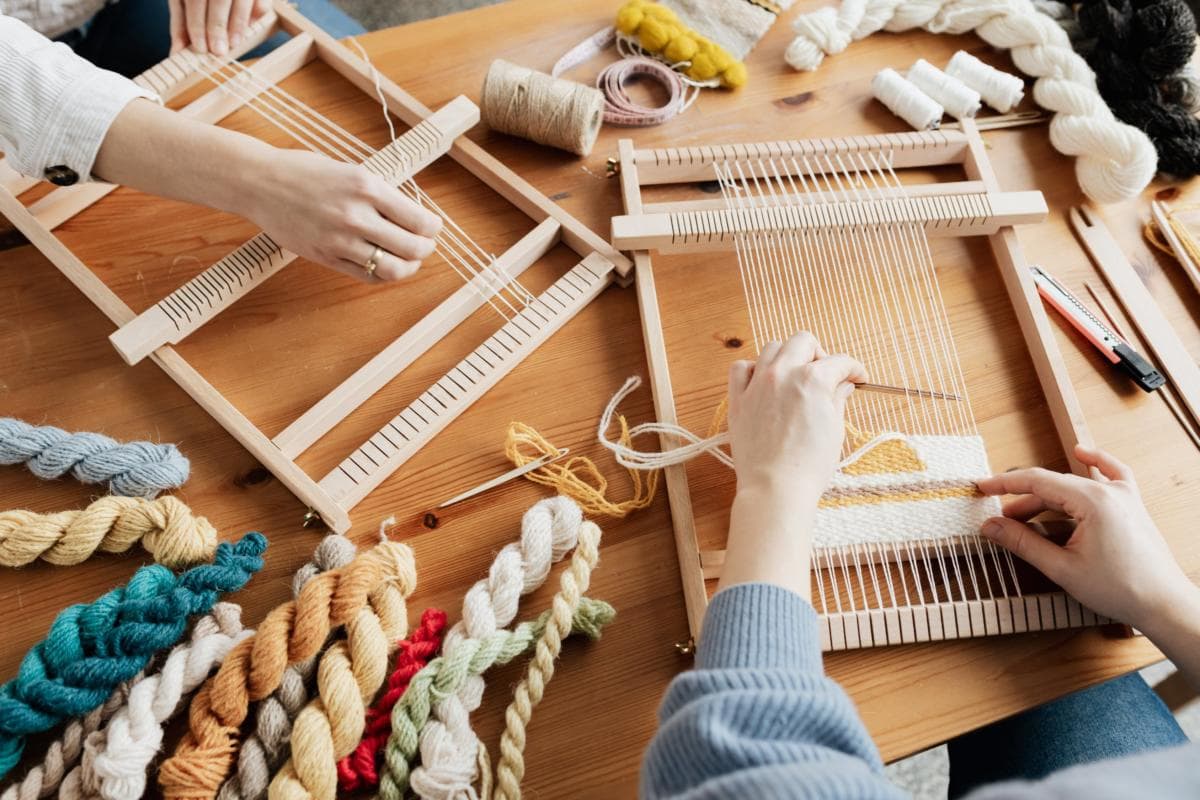
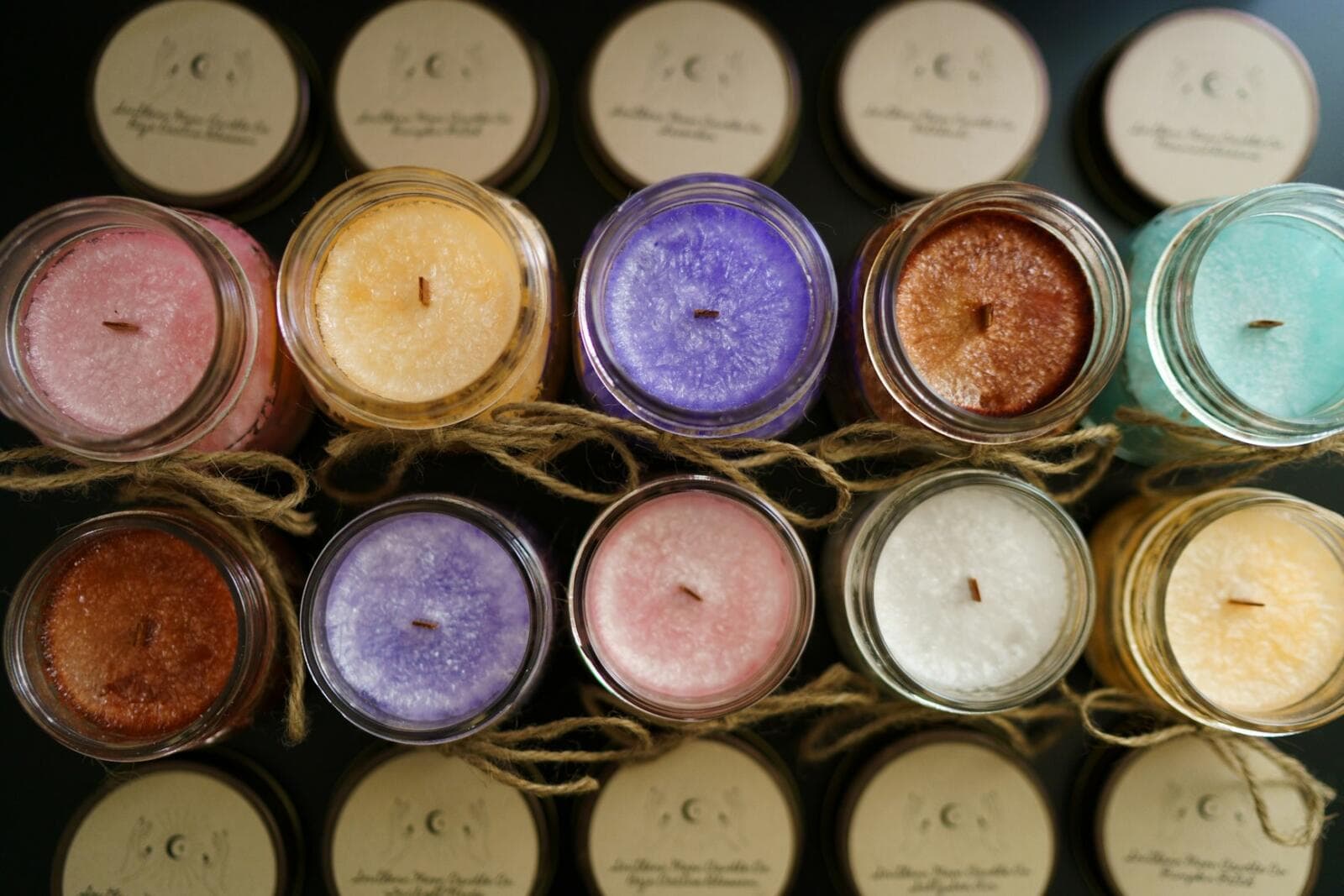
Have you been selling candles to friends, taking paid photo shoots on weekends, or moving a few handmade pieces on Etsy - and now you’re wondering if it’s time to make it official?
You’re not alone. Many Australians turn a passion into a side hustle, and some grow it into a fully fledged business. The key is knowing when a hobby becomes a business, what that means for tax and registration, and how to set up the legal foundations the right way.
In this guide, we’ll explain the ATO’s “hobby vs business” signals, what you need to register, and the key legal steps to start a hobby business in Australia. With a clear plan, you can protect your brand, meet your obligations, and focus on doing the work you love.
Important note on tax: the tax information below is general only. Sprintlaw provides legal advice, not tax advice. For personalised tax guidance (including deductions, GST and reporting), speak with a registered tax agent or accountant.
Is Your Hobby Actually a Business?
There’s no single dollar amount that automatically turns a hobby into a business. Instead, the Australian Taxation Office (ATO) looks at the nature of your activity.
Hobby vs Business - What The ATO Looks For
- Your intention to make a profit (beyond covering costs)
- Regularity and repetition of your sales or services
- Whether you operate in a business-like way (pricing, invoices, records, systems)
- Advertising and a public presence (website, socials, marketplace listings)
- Scale of your activity (stock, equipment, premises)
- Any formal structure or registrations in place
As soon as several of these indicators apply to you, it’s likely you’ve moved into “carrying on a business” rather than a casual pastime.
If you’re weighing up the signals, it’s worth reading about what defines a business activity and getting tailored advice before you scale up.
Do You Need To Register And Get an ABN?
If you’re truly pursuing a hobby, you generally won’t be eligible for an Australian Business Number (ABN). An ABN is for entities carrying on an enterprise - if you request or use an ABN for purely hobby activities, you may be asked to cancel it.
Once you are operating as a business, an ABN becomes essential for issuing invoices, dealing with marketplaces and suppliers, and getting paid by other businesses. If you’re unsure where you sit, consider whether you can reasonably run a business without an ABN given your plans and how you trade.
Business Name And Structure
If you trade under a name that isn’t your personal name, you’ll usually need to register that business name. It also helps to understand the difference between a business name and a company name - the first is a trading name, the second is a separate legal entity. This overview of business name vs company name explains how they work together.
Most hobby businesses start as a sole trader because it’s simple, but many owners set up a company (Pty Ltd) as they grow for liability protection and credibility. If you’re leaning that way, our company set up page outlines what’s involved and how a company helps separate your personal assets from business risk.
Taxes, GST And Record-Keeping
If your activity is a hobby, you typically don’t include hobby earnings in your tax return - and you can’t claim hobby costs as deductions. Once your activity is a business, income becomes assessable business income and normal tax rules apply.
GST Registration
You must register for GST if your business turnover is $75,000 or more per year. Below that threshold, registration is optional. If you do register, you’ll charge 10% GST on taxable sales and report on your Business Activity Statements.
Keep Solid Records From Day One
Separate your business finances (even if you’re small). Use a dedicated business bank account, issue invoices, track expenses and keep receipts. Clear records make tax time easier and support your position if the ATO ever reviews your activity.
Again, this section is general information only. For tax questions - including deductions, trading stock and GST treatment for your products or services - speak with a registered tax agent or accountant.
Step‑By‑Step: Set Up Your Hobby Business Properly
1) Confirm You’re Carrying On a Business
Check your intentions, regularity of sales and how you operate. If you’re actively seeking profit and running in a business-like way, you’re likely in business. This is the point to formalise things.
2) Choose a Structure
- Sole trader: Simple and low-cost. You are the business and are personally responsible for debts and claims.
- Partnership: Two or more people share profits and liabilities. A written agreement is important to manage roles and exits.
- Company (Pty Ltd): A separate legal entity with limited liability. More setup and ongoing obligations, but stronger protection and scalability.
Your choice depends on risk, cost, and growth plans. If you expect to hire, sign leases, or work with higher-risk products or services, a company is often worth considering.
3) Register Essentials
- Apply for an ABN (and ACN if you form a company)
- Register your business name (if not trading under your personal name)
- Set up tax registrations (GST when required)
Make sure the name you choose is available and not too similar to others in your niche. If brand protection matters to you, plan early to secure trade marks for your logos or brand name via register your trade mark.
4) Set Up Payments And Financial Systems
Open a business bank account, choose bookkeeping software, and set straightforward invoicing and payment terms. This helps cash flow and keeps paperwork organised.
5) Build Your Online Presence Safely
Whether you sell via a marketplace or your own site, ensure your website has the right legal pages, clear pricing and refund terms, and transparent data practices. (More on consumer and privacy laws below.)
6) Put Your Contracts And Policies In Place
Well-drafted customer terms, supplier agreements and internal policies reduce disputes and set expectations. Tailor them to what you actually do - off-the-shelf templates rarely fit perfectly.
7) Think Ahead: Hiring, Insurance, And Growth
If you plan to bring on staff or contractors, you’ll need compliant agreements, correct pay and entitlements, and safe systems of work. You should also speak with an insurance broker about public liability, product liability or professional indemnity cover that suits your risk profile.
What Laws Do You Need To Follow?
Even small businesses need to comply with core Australian laws. Here are the main areas to have on your radar.
Australian Consumer Law (ACL)
If you sell goods or services to consumers, you must comply with consumer guarantees, fair refund handling and truthful marketing. Misleading or deceptive conduct is prohibited under section 18 - see section 18 of the ACL for a plain-English overview of that rule.
Privacy And Data
Many micro-businesses fall under the small business exemption in the Privacy Act 1988 (Cth) if annual turnover is less than $3 million. However, there are important exceptions - for example, if you are a health service provider, a credit reporting body, trade in personal information, or are covered by other specific laws.
In practice, if you collect customer names, emails or addresses (e.g. for orders, newsletters or bookings), it’s good practice to publish a clear Privacy Policy and follow basic data protection steps, even if the Act doesn’t strictly apply. Marketplaces and payment providers may also require it.
Intellectual Property (IP)
Your brand name, logo, artwork, designs and content are valuable assets. A registered trade mark makes it easier to stop others using your brand in Australia, while licensing or assignment agreements control how others can use your IP. Also check you’re not accidentally infringing someone else’s rights before you launch.
Employment Law
Hiring employees triggers obligations under the Fair Work Act and modern awards (pay rates, hours, leave and entitlements). Put compliant contracts and policies in place from day one. If you engage contractors, use clear agreements and be mindful of sham contracting risks.
Permits, Licences And Location
Some activities need approvals - for example, food businesses, cosmetics or skin penetration services, home-based manufacturing with machinery, or operating from a premises with customer visits. Check local council rules (zoning, noise, signage) and any state-based licences relevant to your niche before you invest.
Insurance
Insurance isn’t a legal requirement in every case, but it’s an important risk management tool. Markets, events and commercial landlords often require public liability insurance; product makers may need product liability; service providers may need professional indemnity. A broker can tailor cover to your operations and budget.
What Legal Documents Will You Need?
The right documents help prevent misunderstandings and protect your reputation. Not every business needs every document below, but most will need several of them.
- Terms of Sale or Terms of Trade: Set out pricing, payment, shipping/collection, returns, warranties and risk. These apply to every sale and help you manage customer expectations. Consider Terms of Sale for product businesses or Terms of Trade if you provide services.
- Website Terms & Conditions: Rules for using your site, IP notices, acceptable use and liability limits. This is especially useful if you run a blog, gallery, tutorials or a customer portal - see Website Terms and Conditions.
- Privacy Policy: Explains what personal information you collect, why and how you store it, plus your contact details. Even if you qualify for the small business exemption, many platforms require a published Privacy Policy.
- Supplier or Manufacturer Agreement: Locks in product specs, lead times, pricing, IP ownership and quality control with your makers or wholesale suppliers.
- Contractor or Freelancer Agreement: Clarifies deliverables, payment, IP ownership and confidentiality with designers, photographers, developers or other contractors you bring in.
- Employment Contract: If you hire staff, a compliant agreement outlines duties, hours, award coverage, pay and termination terms. You can start with an Employment Contract that suits your role type.
- NDA (Non‑Disclosure Agreement): Protects confidential information when discussing ideas with collaborators, potential partners or suppliers before you’re ready to go public.
- Shareholders Agreement (if you have co‑founders): Covers ownership, decision‑making, exits and dispute processes so your working relationship stays healthy - see Shareholders Agreement.
If you’re not sure which documents suit your set‑up, we can tailor a practical, lightweight package so you’re covered without over‑lawyering it.
Key Takeaways
- Whether you’re “in business” depends on how you operate - intention to profit, regular sales and a business‑like approach are strong signals.
- You generally can’t get an ABN for a hobby; once you’re in business, an ABN and the right registrations become essential.
- There’s no fixed hobby income limit - business income is taxable and GST applies once your turnover hits $75,000 per year.
- Choose a structure that fits your risk and growth plans (sole trader, partnership or company) and register your business name and brand early, including a trade mark where appropriate.
- Comply with core laws from day one: Australian Consumer Law, privacy and data rules, employment obligations, and any industry‑specific permits or licences.
- Protect yourself with clear contracts and policies: Terms of Sale/Trade, Website Terms, a Privacy Policy, supplier and contractor agreements - and use employment or shareholder documents when relevant.
- Treat finance and record‑keeping seriously from the start. For tailored tax advice, speak with a registered tax agent; for legal setup, we’re here to help.
If you’d like a no‑obligations consultation on starting a hobby business in Australia - including structure, contracts and compliance - reach us at 1800 730 617 or team@sprintlaw.com.au for a free, friendly chat.