
Alex is Sprintlaw's co-founder and principal lawyer. Alex previously worked at a top-tier firm as a lawyer specialising in technology and media contracts, and founded a digital agency which he sold in 2015.
Contents
If you’ve poured your time, skills and imagination into paintings, photos, illustrations, digital art, jewellery, furniture, music or films, you deserve to control how those works are used – and to be paid fairly when others benefit from them.
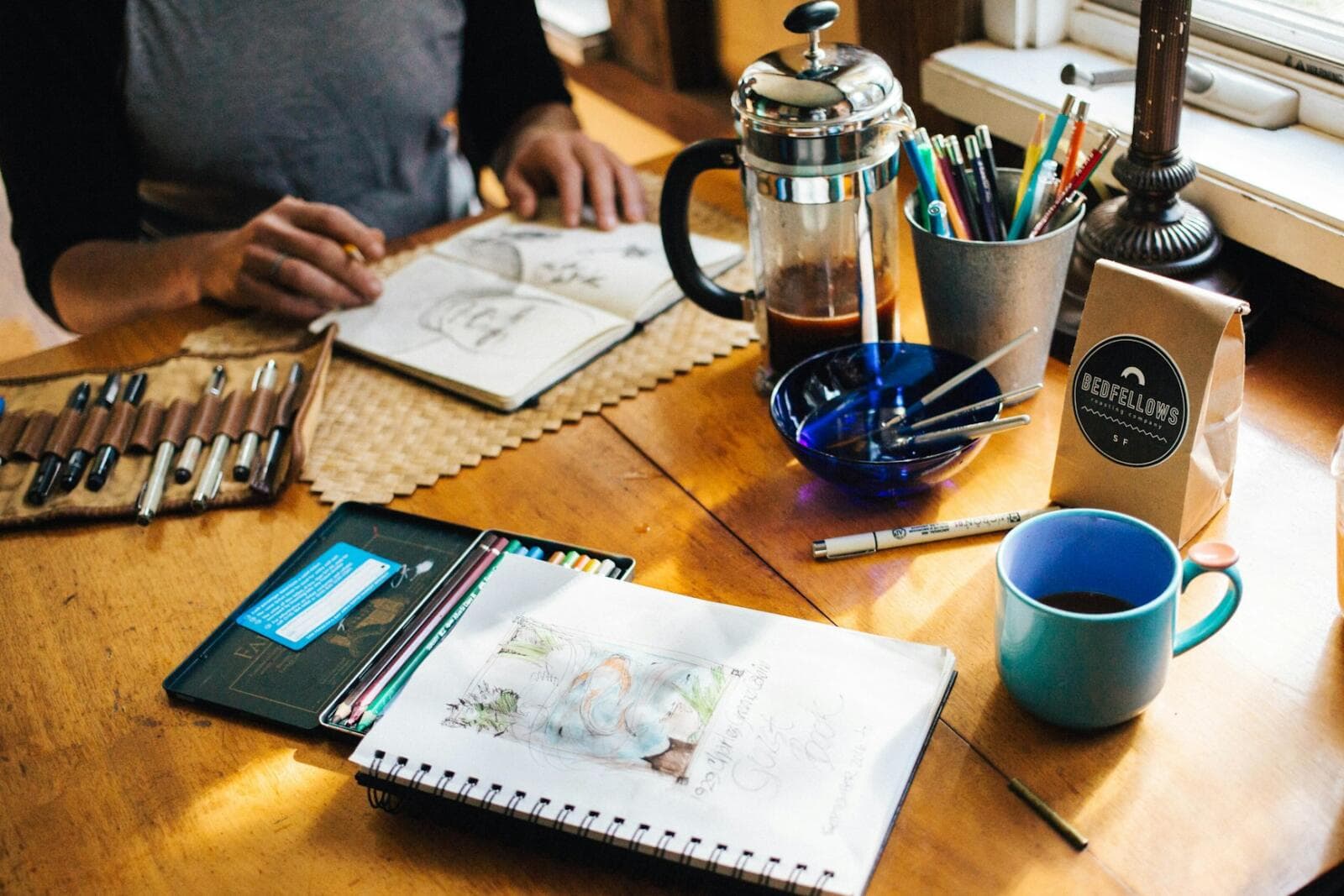
Australia’s creative sector is thriving. It’s never been easier to publish and monetise your work online or through galleries and clients. But visibility also brings risk – from unauthorised copying to unclear ownership when you collaborate or take commissions.
This guide breaks down how Australian copyright treats “artistic works”, what’s different about films, music and recordings, the practical steps to protect your creations, the laws that kick in when you turn your art into a business, and the key agreements every creator should consider. Our aim is to help you safeguard your ideas and set up your creative practice on strong legal footing.
What Counts As An “Artistic Work” In Australia?
Under Australian copyright law, protection arises automatically when eligible works are created – you don’t register copyright locally. However, it’s important to understand what types of works sit in which legal bucket.
Artistic works include:
- Paintings, drawings, prints and illustrations
- Sculptures and works of artistic craftsmanship (for example, jewellery, furniture, ceramics)
- Photographs
- Buildings and models of buildings
- Maps, charts and plans
These are different to other protected subject matter under the Copyright Act. For example:
- Musical works are protected as “musical works” (the composition itself), separate from “artistic works”.
- Films are protected as “cinematograph films”.
- Sound recordings are protected as “sound recordings”.
- Broadcasts and published editions have their own categories too.
Why does this matter? The rules around ownership, duration and exceptions can differ between categories. But the core point is the same: once an original work is created, copyright generally arises automatically in Australia.
Two other concepts to know:
- Copyright protects the expression of an idea (the finished work), not the idea or style itself.
- Moral rights give individual creators the right to be attributed, to not have their work falsely attributed, and to object to derogatory treatment of their work.
There are important nuances around ownership when you create works for clients or as an employee. The default rules can be changed by contract, so getting the paperwork right at the start is essential.
Why Legal Protection Matters For Creators
Even though copyright is automatic, enforcing your rights and avoiding disputes takes planning. Proactive legal protection helps you to:
- Control how your work is used, licensed and credited.
- Secure income from commissions, licensing and sales.
- Clarify ownership when you collaborate or hire help.
- Respond quickly and confidently to infringement.
In practice, this means documenting your process, having clear contracts for commissions and collaborations, and protecting your brand so your audience can recognise you – and only you.
Step‑By‑Step: How To Protect Your Artistic Works
1) Capture Evidence Of Creation
Keep dated drafts, sketches, RAW files, emails, progress photos and export logs. If your work evolves across versions, save key milestones. This kind of trail can be invaluable if ownership or originality is disputed later.
2) Lock In Ownership And Permissions In Writing
The simplest way to lose rights is to leave arrangements unclear. Written agreements should state who owns the copyright, what licence (if any) is granted, how you’ll be credited, and what happens if the project changes.
- For commissions, set out deliverables, payment, timelines, copyright ownership and permitted uses.
- For collaborations, agree on authorship, decision-making, revenue sharing and what happens if someone exits.
- When sharing ideas or drafts before a deal is signed, use an NDA to protect your confidential concepts.
3) Choose A Business Structure That Fits Your Goals
If your practice is growing, consider whether to operate as a sole trader, partnership or company. A company can provide limited liability and make it easier to separate personal and business assets. If you’re weighing up trading under your own name versus a registered business, this overview of business names and companies is a useful starting point.
4) Protect Your Brand (Trade Marks)
Copyright protects the work itself. Your brand identity – business name, logo, taglines and other brand assets – may be better protected as trade marks. Registering a trade mark can help you stop others using a confusingly similar name or logo in your field. When planning your filing, it’s worth reviewing trade mark classes in Australia to make sure your protection covers the goods and services you actually offer.
5) Be Clear On Licensing
Licensing lets you keep ownership while granting someone else specific rights to use the work. Get the scope right – where (territory), how (media), for what purposes, for how long, exclusive or non‑exclusive, and payment terms. A tailored Copyright Licence Agreement will put these details beyond doubt.
6) Use Practical Deterrents Online
For digital publications, include your name, date and copyright notice on the work. Watermarks, metadata and low‑res previews can deter copying. These won’t replace legal rights, but they set expectations and make it easier to show that copying occurred.
7) Keep Your Admin Tight
Store signed contracts, invoices, correspondence and proofs of delivery in one place. If you license works widely, a simple rights management spreadsheet (work, licensee, scope, expiry) can save headaches later.
What Laws Apply When You Turn Your Art Into A Business?
Once you start selling works, taking commissions or operating a studio, a broader set of rules applies. Here are the key areas to factor into your setup and day‑to‑day operations.
Business Registration
- Get an Australian Business Number (ABN).
- Register a business name if you trade under something other than your personal name.
- If you incorporate a company, you’ll register with ASIC and adopt a company governance framework.
If you collaborate with co‑founders or investors through a company, consider a Shareholders Agreement and a Company Constitution that reflect how you want to make decisions and manage equity as you grow.
Australian Consumer Law (ACL)
If you sell goods or services to consumers, the ACL governs advertising, consumer guarantees and refunds. Be transparent in your marketing, avoid misleading statements about materials, originality or availability, and have a fair and compliant returns process for any products you sell.
Privacy And Data
Many creative businesses collect personal information through websites, online stores and mailing lists. The Privacy Act applies to Australian Privacy Principles (APP) entities, which typically include businesses with $3m+ annual turnover and some types of smaller businesses (for example, those trading in personal information or handling health information). Even if you’re not legally required, it’s good practice to publish a clear Privacy Policy and handle personal data responsibly.
Employment And Contractors
If you hire assistants, retouchers, editors, producers or studio staff, ensure you use proper Employment Agreements or Contractor Agreements, pay at least award rates where relevant, and follow workplace health and safety requirements. When engaging freelancers, be explicit about who owns IP in the deliverables and what rights are assigned or licensed back to you.
Tax And GST
If your business turnover meets or is likely to meet the $75,000 GST registration threshold, register for GST and issue valid tax invoices. Keep accurate records and consider working with an accountant to manage BAS and income tax obligations tailored to your situation.
Design Registration (For Applied Art)
Some functional or 3D designs (such as jewellery, furniture and product shapes) may be eligible for design registration, which protects the visual appearance of a product. This can complement copyright and trade mark strategies, especially if you manufacture or license product designs.
What Contracts And Policies Should Creators Use?
You don’t need to drown in paperwork, but a handful of clear, plain‑English documents will prevent most disputes and protect your revenue. Consider which of these fit your practice.
- Commission Agreement: Sets out deliverables, scope, ownership, usage rights, fees, timelines, approvals and cancellation terms for commissioned works. This is critical whenever a client brief is involved.
- Copyright Licence Agreement: Confirms the licence scope (territory, media, duration, exclusivity), credit requirements and fees when someone uses your work under licence rather than by buying ownership.
- Collaboration Agreement: Defines roles, creative control, revenue sharing, costs, dispute resolution and IP ownership when two or more creators work together.
- Non‑Disclosure Agreement (NDA): Protects concepts, treatments, storylines, demos or designs while you discuss a potential project or pitch. An NDA helps you keep control even before anything is published.
- Website Terms & Conditions: If you show or sell your work online, your site should set the rules for use, copyright warnings and purchase terms. Clear Website Terms and Conditions support compliance with the ACL and reduce chargeback risk.
- Privacy Policy: Explain what personal information you collect and how you use it, especially for e‑commerce, newsletters and bookings. A concise, transparent Privacy Policy builds trust and may be legally required for some businesses.
- Talent/Model Release: When your work features identifiable people, obtain a signed release that covers usage, territories, duration and fees. This is essential for photography, video and some design projects.
- Supplier/Production Agreements: If you rely on printers, framers, foundries or manufacturers, use clear terms around quality, timelines, IP and liability.
- Studio Hire/Location Releases: For shoots or site‑specific installations, ensure you have written permission to use the space and publish the output.
Not every practice needs every document. But most creators will benefit from a core set tailored to their workflow and revenue streams, and updated as the business evolves.
What Happens If Someone Copies Your Work?
Infringement is unfortunately common online. A calm, staged response usually works best.
- Confirm ownership and copying: Take screenshots, archive URLs, and document when and where the work was first published. Compare the original with the copy and note similarities.
- Check contracts and licences: Make sure the use isn’t already permitted under a licence you granted (and if it is, check if they stayed within scope).
- Send a firm but professional letter: A well‑framed request can resolve many cases quickly. If needed, a lawyer can issue a formal notice; this guide to cease and desist letters explains the process.
- Use platform takedown tools: Social networks, marketplaces and hosts often have IP takedown procedures you can use while a matter is resolved.
- Escalate if necessary: If the use is commercial or damaging and informal steps fail, a legal claim may seek an injunction, damages or an account of profits.
Your position is stronger if you kept evidence of creation, used clear contracts, and consistently applied credit and copyright notices.
Turning Your Practice Into A Brand: A Quick Checklist
As you grow beyond one‑off sales into a sustainable creative business, it helps to think deliberately about brand and monetisation.
- Consistent identity: Use the same name, logo and colours across your site, socials, packaging and invoices. Consider trade mark registration once you see traction.
- Licensing strategy: Decide when to sell outright versus license use, and set rate cards for common requests (print runs, campaigns, merchandise, territory upgrades).
- Editioning and scarcity: For prints or collectibles, edition sizes and certificates of authenticity can protect value and support pricing.
- Record‑keeping: Track licences, expiry dates, exclusivity windows and restrictions. A simple spreadsheet can prevent accidental conflicts.
- Governance: If you operate through a company with co‑founders, consider formal documents like a Shareholders Agreement to align on decision‑making, dividends and exits.
None of this has to be complicated. The key is to decide your approach, document it and apply it consistently.
Key Takeaways
- In Australia, “artistic works” (like paintings, drawings, photographs and sculptures) are protected separately from musical works, films and sound recordings – copyright generally arises automatically when you create the work.
- Proactive protection matters: keep dated records, lock in ownership and licensing in writing, and use practical deterrents online.
- As your practice becomes a business, consider your structure, register your brand as a trade mark where appropriate, and comply with core areas like the ACL, privacy and employment law.
- Put simple, tailored contracts in place – a Commission Agreement, Collaboration Agreement, Copyright Licence Agreement, NDA, Website Terms and a clear Privacy Policy are common foundations.
- If someone copies your work, collect evidence, review your rights, use platform takedowns and consider a structured escalation starting with a cease and desist letter.
- Getting tailored advice early can prevent costly disputes and help you build a creative business that’s both protected and ready to grow.
If you would like a consultation on protecting your artistic works or setting up your creative business, you can reach us at 1800 730 617 or team@sprintlaw.com.au for a free, no-obligations chat.
Protect the asset behind the name or work
What should you clear, own or register?
Searches, ownership chains, assignments, licences and registrations solve different risks. Start by identifying the asset and how the business uses it.