Sapna is a content writer at Sprintlaw. She has completed a Bachelor of Laws with a Bachelor of Arts. Since graduating, she has worked primarily in the field of legal research and writing, and now helps Sprintlaw assist small businesses.
Contents
Grazing boxes have gone from a “nice extra” at parties to a year-round staple for birthdays, weddings, corporate catering, gifting and even subscription snack boxes.
In 2026, the opportunity is bigger than ever - but so are customer expectations. People want clear allergen information, reliable delivery windows, quality presentation, and smooth online ordering. If you’re building a grazing box business, it’s not just about assembling beautiful food. You’re also running a business that sells consumable products, takes payments, makes delivery promises, and handles customer data.
That’s why getting your legal foundations right early matters. With the right setup, you can launch confidently, reduce risk, and scale into corporate catering, events, or subscriptions without constantly “patching” problems later.
What Is A Grazing Box Business?
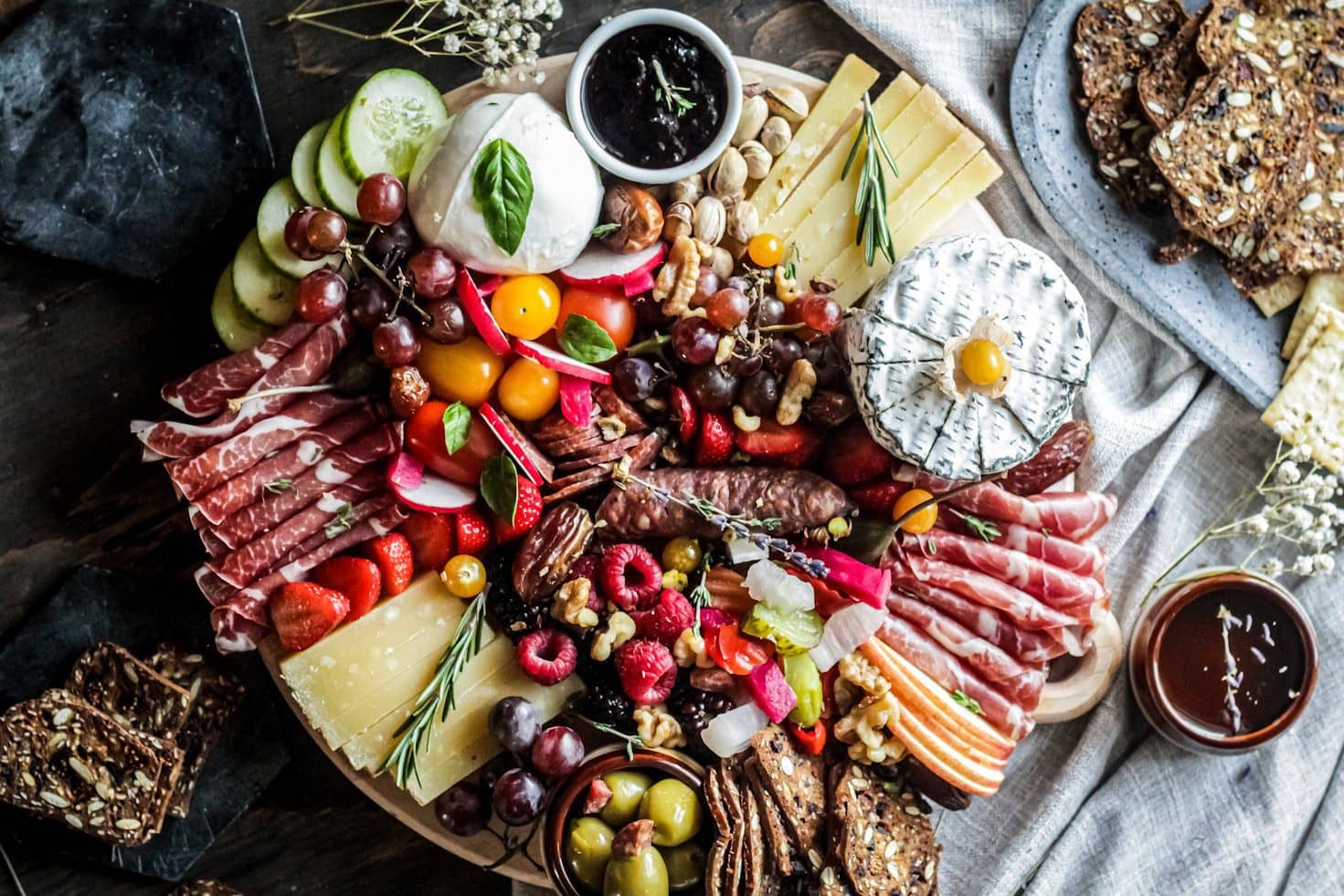
A grazing box business typically sells curated food boxes (often with cheeses, cured meats, crackers, fruit, dips, sweets and garnish), prepared for:
- individuals (personal treats, gifting, picnics)
- events (weddings, baby showers, birthdays)
- corporate customers (meetings, staff appreciation, client gifts)
- subscriptions (weekly/monthly snack boxes)
You might operate from a commercial kitchen, a shared kitchen space, or (in some cases) a home-based setup - but your local council and state food rules will heavily influence what’s permitted and on what conditions.
In practice, most grazing box brands in Australia sell through Instagram, a website, or platforms that support online orders. That means your “product” is more than the food. It also includes:
- your delivery promise (time, date, condition on arrival)
- your customisation options (dietary and allergy requests)
- your cancellation/refund approach
- your packaging and labelling
So when we talk about starting a grazing box business in 2026, we’re really talking about building a food brand with the right systems and legal protections behind it.
How Do I Start A Grazing Box Business In 2026?
There’s no single “right” way to start, but if you want a practical roadmap that covers both business and legal essentials, these steps are a strong place to begin.
1. Choose Your Niche And Sales Channels
Start by getting specific about what you’re selling and who you’re selling to. This helps you price correctly, plan suppliers, and write accurate website terms.
Common grazing box niches in 2026 include:
- premium gift boxes (with add-ons like flowers, candles, wine where permitted)
- corporate “meeting boxes” (individual portions, labelled allergens)
- diet-friendly ranges (gluten-free, halal-friendly, vegan)
- seasonal/event ranges (Valentine’s Day, Christmas, EOFY corporate gifts)
- subscription snack boxes
Also choose how customers will order:
- Instagram/DMs (simple, but harder to manage disputes and records)
- website checkout (best for scaling and reducing misunderstandings)
- third-party platforms (more exposure, but platform fees and platform rules)
From a risk point of view, the more you can put ordering rules in writing upfront (cut-off times, delivery windows, substitutions, refund/cancellation rules), the better.
2. Set Up Your Operations And Suppliers
Grazing boxes rely heavily on supply chain consistency. Even if you’re small, you’re still making promises to customers.
Think about:
- supplier reliability (especially for cheese, deli meats, seasonal fruit)
- backup substitutions (what happens when an ingredient is unavailable?)
- cold chain management (storage and delivery temperature control)
- packaging, labelling and allergen processes
- delivery method (in-house drivers vs delivery partners)
This is also where you start identifying legal pressure points: if you accept allergy requests, for example, you’ll want very careful wording around cross-contamination and what you can and can’t guarantee.
3. Build Your Brand (Before You Spend Too Much On It)
Your business name, logo, box design, photography style and product names are all part of your brand value.
Before you invest heavily in signage, packaging runs, or domain names, do a basic sense-check: can you actually use that name without confusing customers or clashing with an existing business? This is also a good time to secure consistent social handles and domains.
4. Put Your Legal Foundations In Place Early
Many grazing box businesses start as a side hustle - and that’s completely normal. But once you’re taking money, taking orders, and delivering food, it’s worth treating your setup seriously.
In a grazing box business, “legal foundations” usually means:
- choosing a structure (sole trader vs company)
- registrations (ABN, business name, possibly GST)
- food compliance steps (which vary by state/local council)
- customer-facing terms and policies that match how you actually operate
- privacy compliance if you collect customer info online
Doing this early isn’t about paperwork for its own sake. It’s about reducing the chances of a stressful dispute during your busiest season.
What Business Structure And Registrations Do I Need?
When you’re starting a grazing box business, the right structure depends on your risk profile, growth plans and whether you’re running it alone or with a co-founder.
Sole Trader
A sole trader structure is common for new food and catering businesses because it’s simple and low-cost to start.
The trade-off is that you and the business are legally the same. That means if the business owes money or a dispute arises, your personal assets may be exposed (depending on the situation).
Company
A company is a separate legal entity. Many business owners choose a company structure to help manage liability risk and to support growth (like hiring staff, bringing on investors, or expanding into multiple locations).
If you’re considering that pathway, setting up properly from the beginning can be easier than trying to “convert” later. A Company Set Up also tends to go hand-in-hand with clearer ownership arrangements if you’re building the business with someone else.
Partnership (If You’re Starting With Someone Else)
If you’re going into business with a friend, partner, or family member, be cautious about relying on handshake agreements. Partnerships can create confusion about who owns what, who makes decisions, and what happens if one person wants out.
Even if you don’t formalise everything on day one, it’s important to talk through the “what ifs” early so you don’t end up in a costly dispute later.
Key Registrations
Most grazing box businesses will need to tick off:
- ABN (Australian Business Number) to invoice and operate properly
- business name registration if you trade under a name that isn’t your personal legal name - this is where Business Name registration becomes relevant
- domain name and social handles aligned with your brand
- GST registration if you meet the turnover threshold (this is an accounting/tax step, so check with your accountant)
It’s also worth setting up a clean admin system from day one (separate bank account, consistent invoices/receipts, and clear product descriptions). This helps with tax, but it also helps if you ever need to prove what was promised to a customer.
What Laws And Licences Apply To A Grazing Box Business In Australia?
Because you’re selling food, you’re operating in a higher-compliance environment than many other small businesses. The exact rules depend on your state or territory and your local council - but there are a few legal areas that commonly apply across Australia.
Food Safety And Council Requirements
Grazing boxes involve preparing and packing food for sale, often with refrigeration requirements.
This usually means you’ll need to look at:
- whether your premises are approved/appropriate for food preparation
- food business registration (often through the local council)
- food safety supervisor requirements (depending on your state)
- safe storage/transport processes (especially for meats, dairy, and cut fruit)
If you’re using a shared commercial kitchen, you’ll also want to be clear on what the venue provides (and what you’re responsible for), including cleaning, storage, and access times.
Australian Consumer Law (ACL)
Even if you’re “just a small business”, you still need to comply with the Australian Consumer Law (ACL). The ACL affects how you:
- describe your products and inclusions
- display pricing and surcharges
- handle refunds, replacements and complaints
- promote “same-day delivery”, “gluten-free”, or “serves 4–6” claims
Two areas that frequently catch food and gifting businesses are pricing clarity and fees.
If you promote a headline price (like “$89 grazing box”), make sure any delivery charges, weekend surcharges, or card fees are handled transparently and consistently. This is where advertised price laws matter.
Similarly, if you charge cancellation fees or have short notice cut-offs (which is very common for perishable goods), you’ll want those terms clearly written and presented before purchase. It’s also worth thinking about how cancellation fees work in practice for your business model.
Allergen, Dietary And Labelling Claims
In 2026, customers expect strong allergen awareness - but from a legal risk perspective, you should be very careful about what you guarantee.
For example, saying “gluten-free” or “nut-free” can be risky if you’re working in an environment where cross-contamination is possible.
A good approach is to:
- be specific about ingredients where you can
- use careful wording on dietary options (and avoid absolute promises unless you can truly meet them)
- include clear disclaimers and customer responsibilities (for example, requiring customers to notify you of allergies at checkout)
Your legal documents (especially your website terms and product descriptions) play a big role here.
Privacy And Online Selling
If you take orders online, you’ll likely collect personal information like names, phone numbers, addresses, email addresses, dietary notes, and sometimes gift messages.
If your business collects personal information, you should strongly consider a compliant Privacy Policy and ensure your practices match what the policy says (for example, how you store customer information and whether you use it for marketing).
Employment Law (If You Hire Help During Peak Periods)
Many grazing box businesses hire casual help during busy seasons (Christmas, Mother’s Day, Valentine’s Day) or for large corporate runs.
If you hire staff, you’ll need to comply with Fair Work requirements and have the right paperwork in place, including an Employment Contract that matches the role, hours and pay structure.
It’s also worth getting clear on whether someone is truly a contractor or actually an employee. Misclassifying workers can create compliance issues down the track.
What Legal Documents Should I Have For A Grazing Box Business?
Legal documents are one of the most practical tools you can use to prevent disputes - because they set expectations before money changes hands.
Not every grazing box business needs every document below, but these are the common starting points.
- Website Terms And Conditions: If customers order through your site, your terms should cover order cut-off times, delivery windows, substitutions, storage advice, allergy handling, and what happens if a delivery can’t be completed. This is often packaged as E-Commerce Terms And Conditions for online sellers.
- Refund And Returns Policy: Because you’re selling perishable goods, returns work differently compared to standard retail. A clear policy helps you respond consistently while still complying with the ACL.
- Cancellation And Rescheduling Terms: Grazing boxes are usually made to order, with fresh ingredients purchased in advance. Clear cancellation cut-offs and fees (if you use them) can protect you from last-minute losses, as long as they’re presented clearly at checkout.
- Supplier Terms Or Supply Agreements: If you’re sourcing specialty items (artisan cheeses, chocolates, custom branded packaging), you may want written terms that cover quality standards, delivery timing, minimum order quantities, and who wears the cost for damaged stock.
- Event Or Corporate Catering Agreement: If you supply corporate clients or events, a short written agreement can cover headcount, delivery/setup requirements, dietary disclosures, timing, payment terms, and responsibility for issues at the venue.
- Employment Documents (If Hiring): Alongside an employment contract, you may also need workplace policies (for hygiene processes, handling food safely, and communications expectations).
- Brand Protection Strategy: Even before you scale, it’s worth thinking about how you’ll protect your business name and branding so you’re not forced to rebrand later. This often starts with confirming you can use the name, then considering trade mark protection when the time is right.
A good rule of thumb is: if customers frequently ask you a question (delivery times, changes, ingredient substitutions, custom requests), that’s usually a sign the answer should appear in your written terms - not just in DMs.
Key Takeaways
- Starting a grazing box business in 2026 involves more than assembling great food - you’ll need a clear brand, reliable operations, and a legal setup that supports online orders and delivery promises.
- Your business structure (sole trader, partnership, or company) affects your liability risk and your ability to scale, especially if you’re hiring or bringing in a co-founder.
- Food businesses often face extra compliance requirements through local councils and state rules, so it’s important to confirm what approvals apply to your premises and processes.
- Australian Consumer Law (ACL) impacts your advertising, pricing transparency, and how you handle refunds, cancellations, and customer complaints.
- If you sell online or collect customer data, a Privacy Policy and proper data-handling practices can help you stay compliant and build customer trust.
- Strong website terms, cancellation rules, and supplier/customer agreements help prevent disputes by setting expectations upfront.
If you’d like a consultation on starting a grazing box business, you can reach us at 1800 730 617 or team@sprintlaw.com.au for a free, no-obligations chat.

Sapna Goundancontent writer