
Alex is Sprintlaw's co-founder and principal lawyer. Alex previously worked at a top-tier firm as a lawyer specialising in technology and media contracts, and founded a digital agency which he sold in 2015.
Contents
Running a laundromat can be a reliable way to earn income in Australia. There’s steady demand, scope to automate parts of the operation, and the service is essential for many communities.
But long-term success isn’t just about finding a great location and installing quality machines. You’ll also need to set up the right legal structure, negotiate your lease carefully, secure the correct local approvals, and put strong contracts and policies in place.
This guide walks you through how to start a laundromat business in Australia with a practical, step-by-step legal checklist. Our goal is to help you launch with confidence and avoid surprises later.
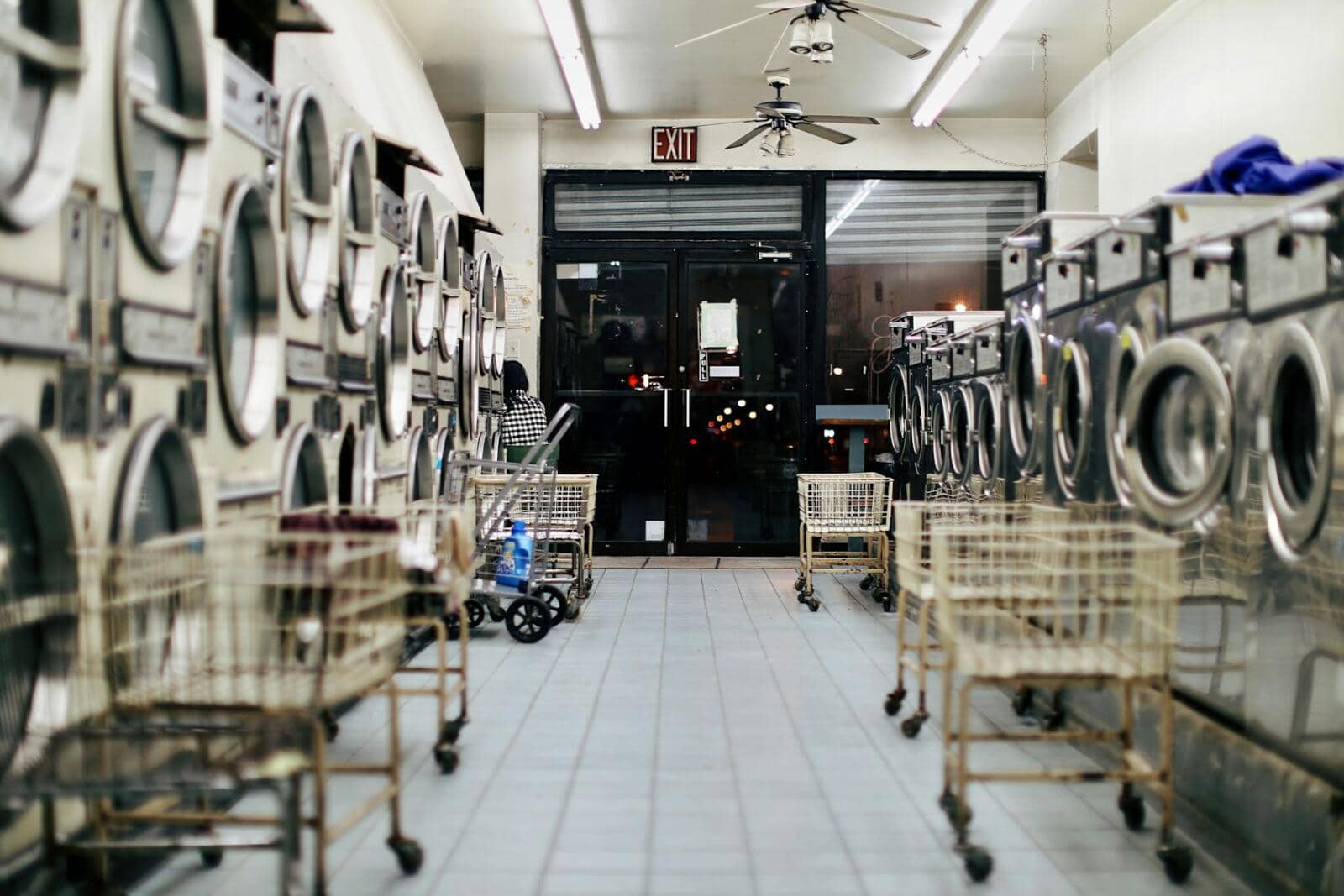
What Is A Laundromat Business?
A laundromat offers coin, token or electronic self-serve washing and drying, and many operators add value-add services like folding, ironing, stain treatment, or pick‑up and delivery.
It’s often considered a semi‑passive model because day-to-day staffing needs can be modest compared to other retail businesses. However, laundromats still need to comply with a range of business laws, safety standards, council rules, and consumer protections.
Is Owning A Laundromat In Australia Profitable?
It can be. Demand tends to be consistent across suburbs with renters, students, tourists, and busy families. Profitability will depend on your location, number and quality of machines, utilities, pricing, opening hours, and whether you offer higher-margin services (like wash‑and‑fold).
Upfront costs are significant (fit‑out, plumbing and electrical, equipment purchase or finance, bond and rent, signage, security systems). A realistic business plan that models your utility usage, revenue per cycle, and payback period is essential.
From a legal risk perspective, the biggest wins typically come from the basics: choosing a structure that separates your personal assets, negotiating fair lease terms, and using clear customer and supplier contracts to reduce disputes.
Step‑By‑Step: How Do I Start A Laundromat Business Legally?
1) Research, Plan And Budget
- Location and demand: Understand local density, parking, public transport, nearby accommodation, and competing laundromats.
- Services and pricing: Decide whether you’ll offer self‑serve only or add services like wash‑and‑fold or delivery.
- Costs and utilities: Model water, electricity and gas usage; consider off‑peak pricing if relevant; plan for maintenance.
- Risk management: Consider machine breakdowns, vandalism, cash handling, payment system outages, theft, utilities disruption, and supplier delays-and how contracts, policies and insurance help manage each risk.
2) Choose A Structure And Register
The main options are:
- Sole trader: Simple, low setup cost, but you’re personally liable for business debts.
- Partnership: Two or more people share control and liability. A written partnership agreement is strongly recommended.
- Company (Pty Ltd): A separate legal entity. Often preferred for laundromats because it can limit personal liability and is well‑suited to growth and multiple locations.
If a company suits your needs, consider getting help with Company Set Up so your documents (like your constitution and shareholder arrangements) are done correctly from day one.
You’ll also need an ABN, and if you trade under a name that’s not your own or your company’s, register that business name. You can streamline this with Business Name registration support.
Tax tip: Eligibility for GST registration depends on turnover (currently $75,000 per year). Because tax outcomes vary (e.g. GST, income tax, payroll obligations), it’s important to get tailored accounting advice before you launch.
3) Secure Your Premises And Negotiate The Lease
A good location is critical-but a well-negotiated lease can be just as important. Laundromats need clear rights to install and maintain heavy machinery, adequate water and power supply, and appropriate drainage and ventilation.
Key terms to review carefully include permitted use, rent reviews, incentives, outgoings, hours of access, works and fit‑out approvals, make‑good obligations, options to renew, subletting or assignment, and what happens if utilities are interrupted.
Consider a professional Commercial Lease Review before you sign-issues in this document can easily affect the viability of the business.
4) Set Up Equipment, Supply And Servicing Arrangements
Whether you purchase outright or finance your machines, your contracts should clearly set out delivery timelines, installation responsibilities, warranties, spare parts, servicing, response times for faults, and payment terms.
Use a clear Supply Agreement (or equipment lease/finance terms) that reflects your commercial needs. If you’re offering security to a lender, you’ll also come across the Personal Property Securities Register (PPSR)-get advice on how security interests are registered and enforced so there are no surprises.
5) Build Your Brand And Protect It
Registering a business name doesn’t give you exclusive rights to it. Consider protecting your brand name and logo through a trade mark. Trade marks generally protect brands, not the functional design of machines or their configurations.
Think about consistent signage, online listings, and a simple website with pricing and rules. If you’re taking bookings or customer details online, you’ll also need to consider privacy and consumer law (more on that below).
6) Put The Right Contracts And Policies In Place
Before you open, make sure your legal documents match how you operate-customer terms on signage or your website, supplier arrangements, and staff documents if you’re hiring. We cover the core documents below.
7) Set Up Ongoing Compliance
Once you’re trading, you’ll have recurring obligations-renewing permits and registrations, meeting lease conditions, servicing machines, keeping records, handling refunds or complaints under the Australian Consumer Law, and managing WHS and employment obligations for any staff.
What Permits, Laws And Rules Apply To A Laundromat?
Local Council Approvals And Trade Waste
Requirements vary by council and by the type of premises. Common areas to check include:
- Zoning and “permitted use”: Confirm a laundromat is allowed at your address.
- Fit‑out and building approvals: Plumbing, drainage, ventilation, floor waste, lint traps and any structural works may require consent.
- Trade waste: Commercial laundries usually need a trade waste agreement and must meet requirements for discharge quality and lint filtration.
- Signage: External signs (especially illuminated or large signs) often require approval.
- Fire safety: Maintain extinguishers and clear egress routes; comply with any prescribed essential safety measures.
Always confirm the exact approvals with the local council before you commit to a site or sign a lease. Make sure the lease allows your intended use and any works you need to complete.
Work Health And Safety (WHS)
Even with minimal staff, laundromats must manage risks such as hot surfaces, hot water/steam, slippery floors, chemical handling, manual handling when moving baskets, and electrical hazards. If contractors or cleaners attend, you still owe WHS duties to them while they’re on site.
Put clear safety instructions near machines and use a simple incident and hazard reporting process. If you employ people, include safety rules in your policies and training.
Australian Consumer Law (ACL)
Under the ACL, you must not mislead customers, and services should be provided with due care and skill. This affects how you advertise cycle times, machine capacity, pricing, and refunds where the service paid for wasn’t supplied (for example, a machine faults mid‑cycle and the customer can’t complete their wash).
Clear signage and customer terms make it easier to manage these obligations in a practical way.
Employment Law
If you hire attendants, cleaners, or drivers, provide written terms and comply with minimum entitlements. Use a tailored Employment Contract, keep accurate records of hours and pay, manage rosters fairly, and ensure breaks and safety rules are followed.
Privacy And Data
Australia’s Privacy Act applies to “APP entities”, which typically include businesses with annual turnover of more than $3 million. Many small laundromats will be under this threshold and may fall within the small business exemption.
However, exceptions apply (for example, certain health services, credit reporting, handling tax file numbers, or contracted service providers to APP entities). Also, even if you’re exempt, payment providers, marketplaces, or enterprise partners often require you to publish clear privacy information as a condition of use.
As a best practice, and often a commercial requirement, many laundromats adopt a simple, transparent Privacy Policy if they collect personal information (e.g. contact details for loyalty programs, online bookings or service requests). Separately, if you install CCTV, ensure you comply with local surveillance and workplace laws and display appropriate notices-privacy and surveillance rules sit alongside each other but are not the same thing.
Intellectual Property
Protect your brand assets-such as your name and logo-by considering a trade mark. This protects the brand customers recognise, not the functional design of machines. Make sure you have permission to use any creative assets in your store or online (for example, music, stock images, or marketing designs).
Accounting And Tax
Decisions around GST registration, payroll, depreciation of equipment, and financing structure can materially affect cash flow and tax outcomes. Because these are fact‑specific, you should seek advice from an accountant or tax adviser for your laundromat’s setup and ongoing obligations.
What Legal Documents Will A Laundromat Need?
The right contracts and policies help you set expectations, streamline operations, and resolve issues quickly. Depending on your model, consider:
- Customer Terms & Conditions: Plain‑English rules for using your machines and services-covering acceptable use, damage or loss limits, machine faults and refunds, unattended items, and service guarantees. These can be displayed in‑store and on your website.
- Privacy Policy: Best practice if you collect personal information for bookings, loyalty programs or marketing. Often required by payment or booking platforms.
- Supply/Equipment Agreements: Written terms with your equipment suppliers and servicers-delivery, installation, warranty, maintenance, spare parts, response times, and what happens if deadlines slip.
- Commercial Lease: Clear rights for permitted use, utilities, access, works and fit‑out, rent reviews, options, make‑good, and assignment or subleasing.
- Employment Contracts: If you hire attendants or cleaners, set duties, pay, hours, confidentiality, safety obligations, and termination rules.
- Workplace policies: Short, practical rules for safety, cash handling, incident response, customer complaints, and after‑hours access.
- Founders’ documents: If you have co‑owners or investors, use a Shareholders Agreement to deal with roles, decision‑making, share vesting, exits and disputes.
If you’re setting up a company with other owners, we can help you put a Company Set Up in place alongside a tailored Shareholders Agreement so everything fits together.
Buying An Existing Laundromat Or Joining A Franchise?
Starting from scratch isn’t your only option. You can buy an established laundromat or join a franchise brand. Each path changes the legal work you’ll need to do.
Buying An Existing Laundromat
Purchasing an existing business means reviewing the sale contract and doing due diligence on the lease, equipment ownership and condition, maintenance logs, utility usage, staff arrangements, debts and liabilities, and any ongoing disputes. Confirm whether machines are owned outright, financed, or leased-and ensure transfers or releases are properly executed at completion.
Factor in upgrades if the site needs fresh signage, new payment systems, or more efficient machines. Make sure council approvals, trade waste agreements and any fire safety requirements are current and transferable where relevant.
Joining A Franchise
Franchising offers a recognised brand, a playbook, and supplier relationships, but adds more obligations and fees (like marketing levies and required refurbishments). Review the disclosure documents and franchise agreement carefully and understand your territory, term, renewal and exit rights, and how refurbishment or equipment upgrades are handled.
Franchising also brings mandatory compliance with the Franchising Code of Conduct. If you’re leaning this way, have the documents reviewed before you sign and check the numbers stack up in the context of your proposed location and rent.
Key Takeaways
- Laundromats can be solid, repeat‑business ventures-but long‑term success depends on strong legal foundations, not just good machines and a busy location.
- Choose a structure that suits your risk and growth plans; a company can help separate personal and business liability, while sole trader and partnership are simpler but offer less protection.
- Get your site right: confirm zoning and council approvals, negotiate a lease that supports heavy equipment and fit‑out needs, and plan for utilities, maintenance and access.
- Comply with the essentials: WHS duties, the Australian Consumer Law for fair advertising and refunds, local trade waste requirements, and privacy/surveillance rules where applicable.
- Protect your brand and operations with clear, tailored documents-Customer Terms & Conditions, Supply Agreements, a well‑reviewed Commercial Lease, Employment Contracts, and a practical Privacy Policy where appropriate.
- Tax and accounting decisions (GST registration, financing, depreciation) can materially affect outcomes-seek advice from your accountant alongside your legal setup.
If you would like a consultation on starting a laundromat business in Australia, you can reach us at 1800 730 617 or team@sprintlaw.com.au for a free, no‑obligations chat.