Esha is a law graduate at Sprintlaw from the University of Sydney. She has gained experience in public relations, boutique law firms and different roles at Sprintlaw to channel her passion for helping businesses get their legals sorted.
Contents
Power prices, decarbonisation targets, and energy reliability are now board-level issues for a lot of Australian businesses. If you’re looking for more price certainty (or you’re developing a renewable project and need bankable revenue), a Power Purchase Agreement (PPA) is one of the most common pathways to get there.
But a PPA isn’t just an “energy deal”. It’s a long-term commercial contract with very real legal and financial consequences. The detail matters, and small drafting choices can shift risk (and cost) in a big way over a 5–15+ year term.
In this 2026-updated guide, we’ll walk you through what a PPA is, the key deal structures you’ll see in Australia, the clauses that deserve your attention, and the practical legal issues to plan for before you sign.
What Is A Power Purchase Agreement (PPA)?
A Power Purchase Agreement (PPA) is a contract where one party agrees to buy electricity (and sometimes associated “environmental attributes” like Large-scale Generation Certificates) from another party on agreed terms.
In plain English: it’s a long-term agreement that sets out who supplies power, who buys it, at what price, for how long, and what happens if things don’t go to plan.
PPAs are common in renewable energy (solar, wind, battery-backed projects) because they help:
- Buyers lock in pricing and meet sustainability commitments.
- Sellers / developers secure predictable revenue that can support financing.
Depending on the structure, a PPA may be more like:
- a straightforward supply arrangement (power physically delivered to a site), or
- a financial hedge (payments are settled against a market reference price).
If you’re putting a PPA in place, it’s usually worth having the contract properly tailored, rather than relying on a generic template. A Power Purchase Agreement often needs to be drafted to match your site, your load profile, your financing requirements, and the specific regulatory context you’re operating in.
Common PPA Types You’ll Hear About
PPAs can be structured in a few different ways. The names vary, but the concepts are reasonably consistent across the market.
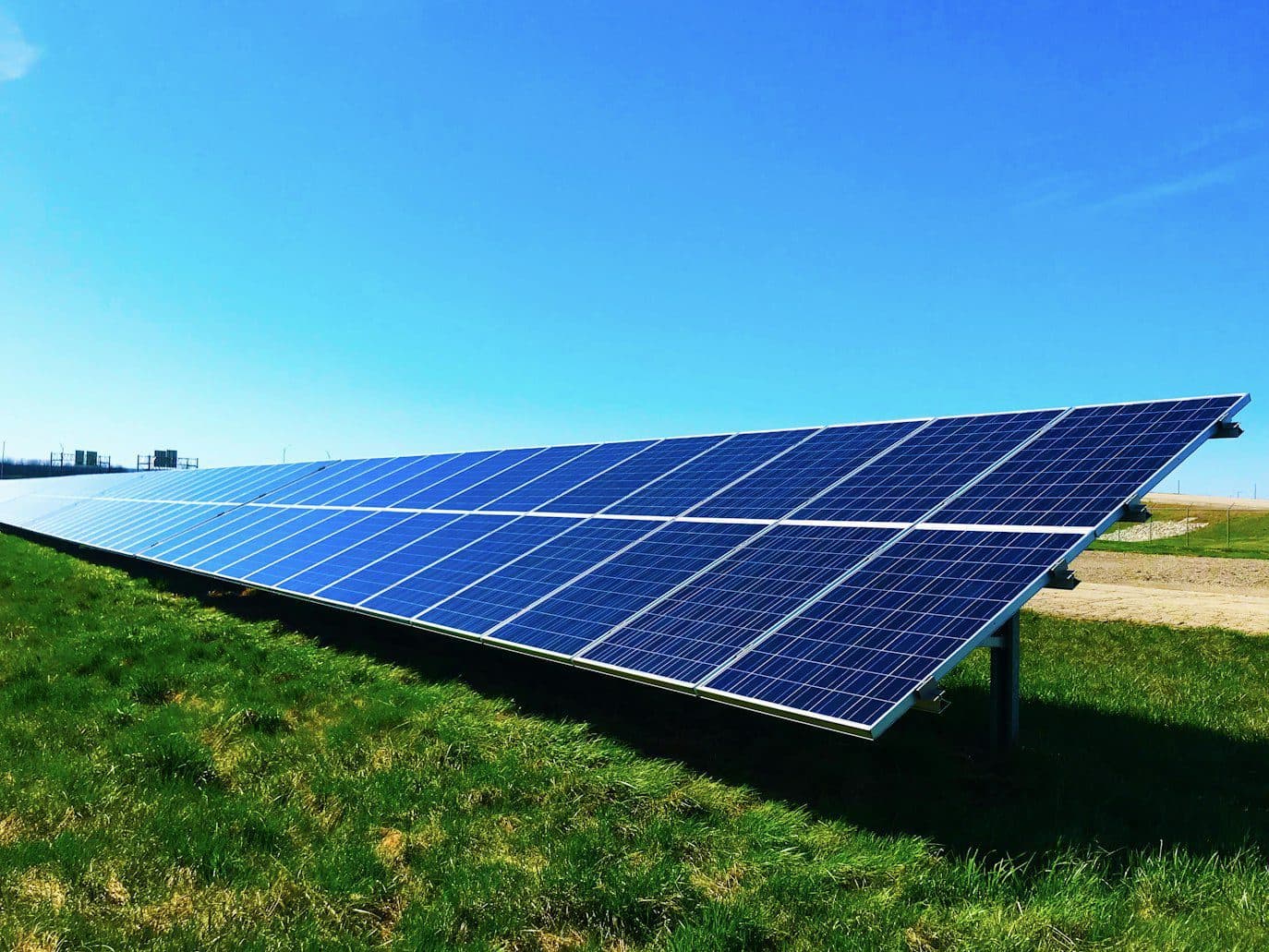
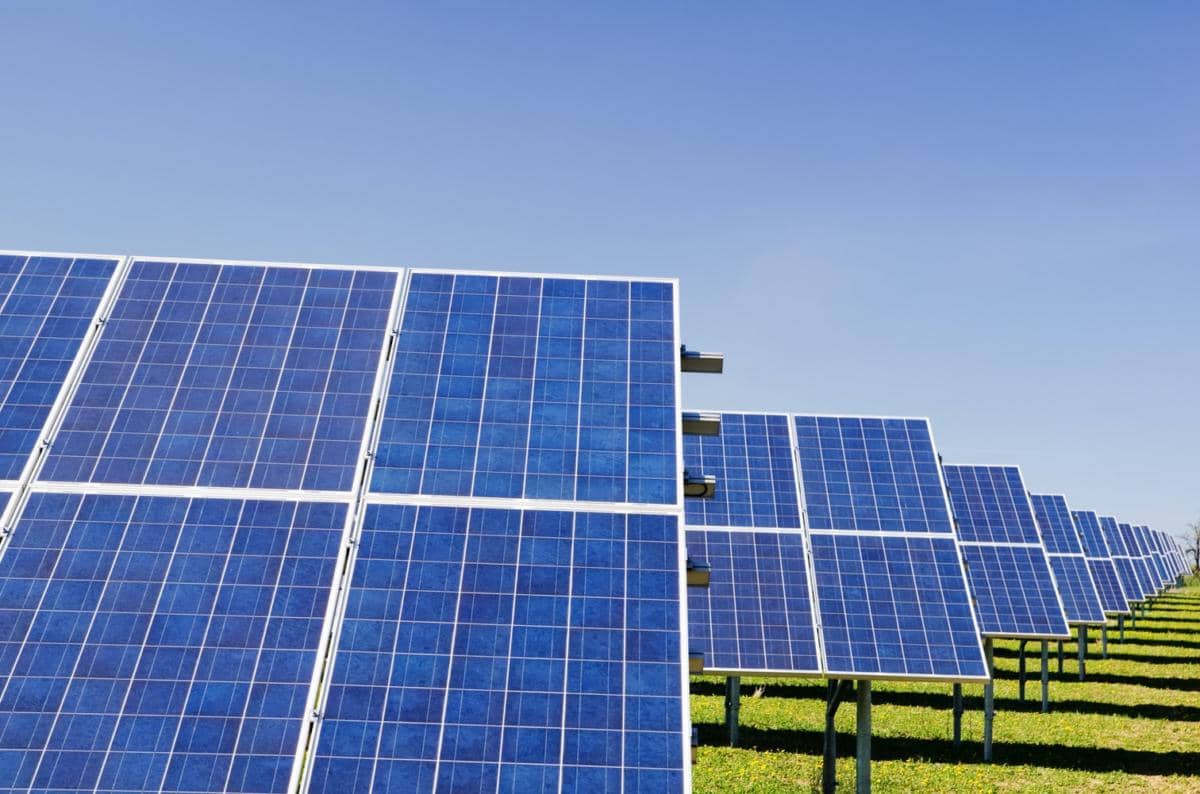
- On-site (Behind-the-Meter) PPA: A system (often solar) is installed at your premises. You buy the electricity generated on-site, usually at an agreed rate, often lower than grid retail rates.
- Off-site (Virtual / Synthetic) PPA: The energy is generated elsewhere and sold into the market. You and the seller settle payments financially (often against a spot price or reference price). These are common for larger buyers and multi-site operations.
- Sleeved PPA: A retailer “sleeves” the energy from the generator through to your business, handling parts of the delivery and billing (and usually charging a fee/margin).
Is A PPA The Same As A Retail Electricity Contract?
Not necessarily. Some PPAs sit alongside your retail contract, while others effectively replace parts of it. In many deals (especially off-site PPAs), you still need a retailer for physical supply to your premises, network charges, and certain market-facing obligations.
This is one reason PPAs can get complex: you’re not just negotiating “price per kWh”. You’re allocating risk across multiple moving parts (generation, network, market, and operational realities).
When Does A PPA Make Sense In Australia In 2026?
A PPA can be a strong option if your business is trying to manage energy spend over the medium-to-long term, reduce emissions, or improve resilience. In 2026, we’re also seeing PPAs used more creatively (for example, incorporating battery dispatch, curtailment logic, or more granular settlement methods).
Buy-Side: You’re Buying Power
A buyer PPA can make sense if you:
- have significant energy usage and want more cost certainty;
- operate in an industry where customers or supply chains expect credible decarbonisation steps;
- have multiple sites and want a portfolio approach to renewables;
- want clearer governance around renewable claims (for example, how certificates are allocated and retired);
- are considering an on-site system but want to avoid upfront capital expenditure.
That said, you should be careful about treating a PPA as “set and forget”. Many PPAs include pass-throughs, indexation, change-in-law risk, and performance assumptions that can materially change the outcome compared to the headline price.
Sell-Side: You’re Developing Or Selling Generation
If you’re a project developer, landowner, or generator, a PPA can be a cornerstone contract to:
- prove revenue stability for lenders and investors;
- set clear obligations around commissioning, grid connection, and performance;
- allocate merchant risk (exposure to volatile spot prices) in a controlled way.
It’s also common for PPAs to sit with other project documents (financing documents, EPC contracts, O&M agreements, land access arrangements). You want the whole “contract stack” to be consistent, so you don’t accidentally promise one thing in the PPA and the opposite in another agreement.
Quick Reality Check: PPAs Aren’t One-Size-Fits-All
Even if two PPAs are both “10 years at $X/MWh”, they can be completely different deals once you look at:
- how settlement is calculated;
- who bears curtailment and network congestion risk;
- what happens if the asset underperforms;
- what termination payments apply;
- how change-in-law and force majeure operate.
This is where getting the contract right early can save you a lot of pain later. In many cases, a targeted contract review is enough to identify the “silent dealbreakers” before you’re locked in.
Key Commercial Terms To Understand Before You Sign
If you’re negotiating a PPA, the commercial model usually drives the legal drafting. Here are the core terms you’ll typically see, and what they really mean for you.
Price Structure (Fixed, Indexed, Or Hybrid)
PPAs often use:
- Fixed price: a set rate (with or without CPI indexation).
- Indexed price: the price changes based on an agreed index (like CPI or another benchmark).
- Hybrid: a fixed floor with upside sharing, caps/collars, or stepped pricing across years.
Make sure you understand what’s included in “price”. For example, does it include environmental certificates? Are network and retailer charges separate? Are there administration/sleeving fees?
Volume, Shape, And Load Matching
Electricity isn’t just about total volume; it’s also about when it’s produced and consumed.
A PPA may be structured around:
- As-generated: you take what the project produces.
- Baseload: a fixed amount per period.
- Shaped supply: tailored to time-of-day (more complex, often higher negotiation effort).
If your actual usage doesn’t match the contracted profile, you may still need to buy (or sell) the difference at market rates. This is a key cost and risk driver, especially in volatile periods.
Term, Renewal, And Exit
PPAs are commonly 5, 7, 10, 12 or 15+ years. The longer the term, the more important it is to be precise on:
- renewal options (and how renewal pricing is determined);
- termination rights (for breach, insolvency, prolonged force majeure, etc.);
- termination payments (which can be substantial).
If you’re a buyer, consider what happens if your premises relocate, your load shrinks, or you sell the business. If you’re a seller, consider how termination interacts with your finance covenants and step-in rights for lenders.
Environmental Attributes (LGCs, Claims, And Reporting)
Many PPAs cover more than electricity. They can include rights to:
- Large-scale Generation Certificates (LGCs);
- other certificates or green claims (depending on scheme design and market practice);
- reporting obligations (for ESG and audit purposes).
You’ll want the agreement to be crystal clear about:
- who owns the certificates;
- who is responsible for registration, creation, transfer and “retirement” (if relevant);
- how you can describe the deal publicly (marketing and tender documents often create risk if they overstate what the PPA delivers).
Key Legal Issues And Compliance Points (Australia)
Australian PPAs sit at the intersection of contract law, energy regulation, and (often) financing requirements. You don’t need to become an energy lawyer to sign a PPA, but you do need to understand the legal levers that can move your risk profile.
Contract Certainty And Enforceability
Because PPAs are long-term, you want the drafting to remove ambiguity wherever possible, including:
- clear definitions (price, settlement amount, commissioning, delivery point, etc.);
- objective calculation methods (including worked examples where helpful);
- tight notice and dispute processes (so issues don’t escalate unnecessarily).
If a PPA is vaguely drafted, the practical outcome is often disputes about invoices, performance, or termination rights at the worst possible time (for example, when the market price spikes or the asset underperforms).
Security, Credit Support, And “What If Someone Doesn’t Pay?”
It’s common for PPAs to include credit support, especially where:
- the seller needs finance and the buyer’s obligations are essential to bankability; or
- the buyer is relying on long-term delivery and wants security if the seller defaults.
Security can take several forms, such as bank guarantees, parent company guarantees, or security interests over assets. Sometimes, other security documents sit alongside the PPA, like a General Security Agreement (the right structure depends on your bargaining power, credit position, and what you’re trying to protect).
As a buyer, you should also consider what protections you have if generation is consistently below expectations. As a seller, you’ll want to avoid giving security that creates unacceptable operational constraints or conflicts with your lender’s priority.
Change In Law And Regulatory Change
Over a long PPA term, the legal and regulatory environment can change. The agreement should address:
- Change in law: what happens if legal changes increase costs, limit export, affect network access, or change certificate schemes?
- Pass-through items: which costs can be passed through to the other party, and which are “baked in”?
- Renegotiation triggers: in some deals, major changes require a good-faith renegotiation process (but these clauses need careful wording to avoid uncertainty).
From a practical perspective, change-in-law clauses are one of the biggest “hidden” commercial terms, because they decide who wears unexpected costs.
Privacy And Data Handling (Often Overlooked)
PPAs can involve sharing operational data, metering data, site access records, and contact details for key personnel. If your arrangement includes portals, monitoring tools, or integrated billing systems, privacy compliance becomes more relevant than many businesses expect.
If you collect personal information through energy management platforms, contractor access logs, or account administration processes, having a properly drafted Privacy Policy and aligned internal procedures can help you meet your obligations and reduce complaints risk.
Execution, Authority, And Signing
A surprisingly common issue isn’t the “energy maths” - it’s whether the contract was signed correctly and whether the signatory had authority.
If you’re signing as a company, your execution method (and the evidence of who can bind the business) matters. If you’re unsure about signing mechanics, it’s worth understanding signing under section 127 and making sure your internal approvals (like board resolutions) match what the PPA requires.
This becomes especially important if the PPA is later assigned, financed, or relied on in a dispute. A contract that isn’t executed properly can create expensive arguments down the track.
Common PPA Risks (And How To Negotiate Them)
Every PPA is a risk allocation exercise. The goal isn’t to eliminate all risk - it’s to make sure the risks sit with the party best placed to manage them, and that the pricing reflects that allocation.
Performance Risk And Availability Guarantees
If you’re the buyer, you’ll often want comfort that the project will perform (or that you’ll be compensated if it doesn’t). If you’re the seller, you’ll want to avoid being liable for issues outside your control.
Common approaches include:
- Availability warranties (asset uptime commitments);
- generation guarantees (sometimes with “liquidated damages” if not met);
- deemed generation concepts (for certain curtailment or grid events).
It’s important to be careful with “liquidated damages” drafting. If the amount is not a genuine pre-estimate of loss, it can become unenforceable (and then you may be left arguing about actual loss, which is rarely fun in an energy dispute).
Curtailment, Congestion, And Grid Connection
In off-site deals, curtailment and congestion risk can be a major commercial issue. The key question is: if the project can generate but can’t export due to network constraints (or is constrained by market operator directions), who carries that cost?
There isn’t a single “standard” answer. What matters is that the PPA:
- defines the curtailment scenarios clearly;
- sets out how settlement is adjusted (if at all);
- aligns with the project’s connection arrangements and operational reality.
Force Majeure And “Relief Events”
Force majeure clauses excuse performance for events outside a party’s reasonable control (think extreme weather events, certain grid failures, government actions, and similar scenarios).
In PPAs, you’ll usually see:
- notice obligations (tight timeframes);
- mitigation requirements (what steps must be taken to reduce impact);
- termination rights if force majeure lasts too long.
Be careful: a broadly drafted force majeure clause can unintentionally let a party “escape” obligations that they should reasonably manage (like predictable maintenance or foreseeable supply chain issues).
Step-In Rights, Assignment, And Financing
If the seller is project financed, the lender often wants rights to “step in” if the project company defaults. That can mean:
- limits on the buyer’s termination rights;
- notice and cure periods;
- consent rights for assignment or novation.
From a buyer perspective, the key is to ensure step-in rights don’t leave you stuck in a non-performing deal with limited remedies. From a seller perspective, you want the PPA to be financeable without forcing you into commercially unreasonable promises.
Confidentiality And Public Announcements
Many businesses want to publicise PPAs (for customer trust, tenders, or ESG reporting). But most PPAs include strict confidentiality clauses, and some require mutual consent for media releases.
Ideally, your PPA should include a workable framework for:
- what you can say publicly (and what you can’t);
- what information must stay confidential (pricing often falls here);
- how approvals are handled (timeframes matter).
If you’re also sharing sensitive commercial information during negotiations, a Non-Disclosure Agreement can help set expectations before the detailed term sheet or PPA draft starts circulating.
Key Takeaways
- A Power Purchase Agreement (PPA) is a long-term contract for electricity supply and/or financial settlement, often used to secure price certainty and support renewable project financing.
- In Australia, PPAs are commonly structured as on-site (behind-the-meter), off-site (virtual), or sleeved arrangements, and the structure you choose will shape your risk and costs.
- The headline price is only part of the deal - volume shape, settlement methodology, curtailment risk, certificates, indexation, and termination payments can change the commercial outcome significantly.
- PPAs often require credit support and careful drafting around security, change-in-law, force majeure, and assignment/step-in rights (especially where project finance is involved).
- Signing and authority issues can create major problems later, so it’s worth ensuring execution is correct and internal approvals match the contract requirements.
- A targeted review before signing can help you spot “silent” risk transfers and negotiate clearer, more workable outcomes.
If you’d like help drafting or reviewing a Power Purchase Agreement for your business, you can reach us at 1800 730 617 or team@sprintlaw.com.au for a free, no-obligations chat.

Esha Kumarlaw graduate