
Alex is Sprintlaw's co-founder and principal lawyer. Alex previously worked at a top-tier firm as a lawyer specialising in technology and media contracts, and founded a digital agency which he sold in 2015.
Contents
If you’re running a business in Australia, you get to decide how you want to be paid - but only if you set clear rules up front. With more customers tapping cards and paying online, many owners ask a simple question: is it illegal to refuse cash?
The short answer: generally no. It’s usually lawful for a private business to set a “no cash” or “card only” policy, provided customers know about it before the sale. The details matter, though - especially when you’re dealing with invoices (debts), coin limits under the Currency Act, Australian Consumer Law, and anti-money laundering rules.
In this guide, we’ll unpack how the law works in practice, when you can say “no” to cash, and the best way to record your payment policy so your team and customers are on the same page.
What Does Australian Law Say About Refusing Cash?
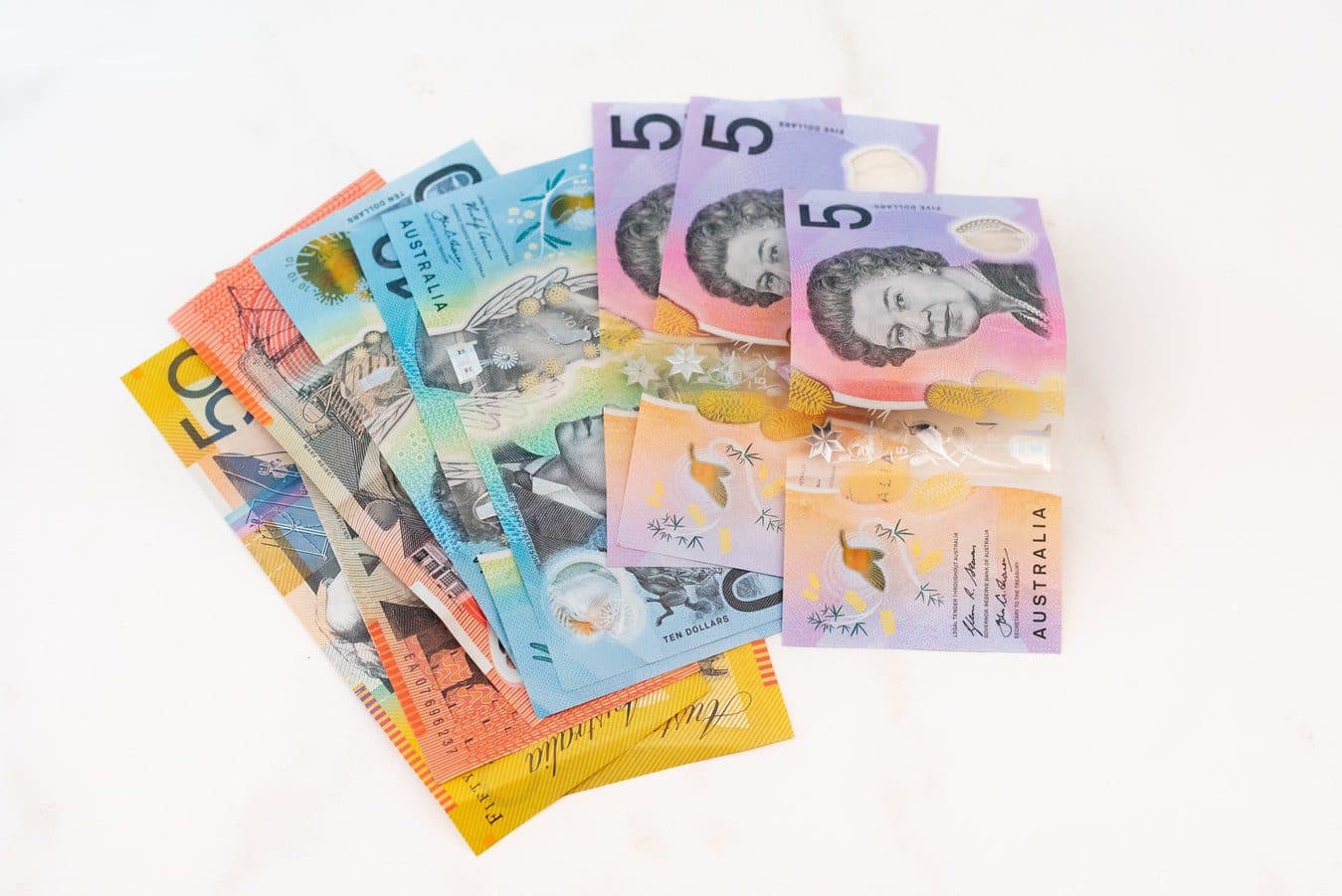
Australian banknotes and coins are “legal tender”, but that doesn’t mean every business must accept cash for every transaction. In most day‑to‑day sales, you can set your own payment methods - as long as you tell customers clearly before they buy.
Here’s the key distinction to keep in mind.
- Point‑of‑sale sales (before a debt exists): You can choose acceptable methods (for example, “card only”) if it’s disclosed clearly before the customer orders or receives goods or services.
- Debts and invoices (after a debt exists): Legal tender rules are more relevant once a debt has already been incurred. If you don’t specify otherwise in your contract or invoice, a customer can generally offer cash to settle that debt. Make your payment methods explicit up front to avoid disputes.
In other words, the law focuses on how and when your payment terms are communicated. If customers know the rules before they decide to buy, you’re on firmer ground to require electronic payment.
Legal Tender Explained (Notes, Coins And Coin Limits)
“Legal tender” means money that can be used to pay a debt. In Australia, notes issued by the Reserve Bank and coins minted by the Royal Australian Mint are legal tender. Two practical nuances often catch businesses by surprise.
1) Legal Tender Applies Primarily To Debts
Legal tender rules mostly deal with the settlement of debts, rather than the initial formation of a sale at the counter. If you set and disclose your payment methods before the customer commits to buy, you generally don’t have to take cash.
2) There Are Coin Acceptance Limits
The Currency Act 1965 (Cth) sets limits on how many coins must be accepted in a single payment. In practice:
- 5c, 10c, 20c and 50c coins are legal tender for payments not exceeding $5 in total (so a payor can’t insist on using large volumes of small coins beyond that amount).
- $1 and $2 coins are legal tender up to 10 times their face value (generally up to $10 in $1 coins or $20 in $2 coins in a single payment).
- There is no equivalent face‑value limit for banknotes in the Currency Act.
These coin limits don’t force you to accept cash - they simply define when coins must be accepted to settle a debt. Your payment policy, if disclosed before the sale, still governs what you will accept at point‑of‑sale.
Retail Sales Vs Debts And Invoices: When Can You Say No To Cash?
Whether you can decline cash often turns on timing and disclosure.
Retail And Hospitality Scenarios
If you operate a shop, cafe or service counter, you may set a “card only” policy - provided the policy is clearly displayed before the customer orders or receives anything. Good practice includes signage at the entrance and counter, and a note on menus or price boards.
For online stores, ensure payment methods are visible before checkout. Your website or platform should show accepted methods clearly.
Invoices And Settlement Of Debts
If you’ve already performed the work and issued an invoice, a customer might argue cash must be accepted because legal tender can be used to discharge a debt. You can avoid this argument by stating your accepted methods on your invoices and in your contracts. A short line such as “Payment by bank transfer or card only; cash not accepted” puts expectations beyond doubt.
If you’re formalising how and when you want to be paid, it’s wise to set this out when setting invoice payment terms and in your customer‑facing contracts.
What If A Customer Insists “Cash Is Legal Tender”?
You can calmly point to your clearly displayed policy. If your policy was visible before the sale, you’re generally entitled to require a different method (for example, card). If you didn’t disclose your policy until after the customer had already committed or received the goods/services, you risk a dispute - especially if the situation has started to look like settlement of an existing debt rather than a pre‑sale choice.
Setting A Clear Payment Policy (And Avoiding ACL Issues)
Clarity is everything. Your goal is for customers to know your payment options before they make a decision. That protects you and reduces friction at the counter.
Make Your Policy Easy To See
- Display signage at the entrance and at the point of sale with simple wording like “Card Only - No Cash Accepted”.
- For online sales, show accepted payment methods prominently before checkout, and within your Website Terms and Conditions and FAQs.
- Include payment method wording on menus, price lists, and booking confirmations.
Australian Consumer Law (ACL) Considerations
Under the Australian Consumer Law, you must not mislead customers or omit key information that would affect their purchase decision. That’s why disclosure before purchase matters. Misleading or deceptive conduct rules under section 18 apply broadly, so keep pricing, surcharges and payment rules transparent and consistent with what you display at the point of sale.
If you’re outlining what you will and won’t accept, a short, accurate statement in store and online goes a long way. For reference, see the principles around misleading or deceptive conduct and make sure your messaging is clear.
Accessibility And Fairness
A “no cash” rule is generally not unlawful discrimination on its own. That said, think about your customers. If you serve communities who may rely on cash, consider whether reasonable alternatives are available (for example, EFTPOS, bank transfer or in‑advance invoicing). Consistency and clear communication reduce complaints and the chance of regulatory attention.
State, Territory Or Sector‑Specific Rules
Private businesses typically set their own payment methods. Some public sector agencies may have their own policies about accepting cash. If you operate in a regulated sector (for example, certain public‑facing services), check any agency‑specific directives that apply to you. The position can vary from one agency or program to another.
Compliance, Cash Limits And AML/CTF Considerations
There’s a lot of noise about “cash bans” and anti‑money laundering (AML) rules. Here’s what most small businesses need to know.
Proposed $10,000 Cash Limit Was Not Enacted
In the past, there was a proposal to prohibit cash transactions of $10,000 or more for certain business payments. That proposal did not become law. There is no general Australia‑wide ban that stops a private business from accepting a large cash payment simply because it’s cash.
AUSTRAC Threshold Transaction Reports (TTRs) Don’t Apply To Most Businesses
AUSTRAC requires reporting entities - such as banks, casinos and certain bullion dealers - to lodge Threshold Transaction Reports when they process cash transactions of $10,000 or more. Most ordinary retailers and service providers are not reporting entities and therefore have no TTR obligation just because they take a large cash payment.
If you do provide services that bring you within the AML/CTF regime (for example, currency exchange, remittance or designated financial services), you must register and comply with the applicable AML/CTF obligations. If you’re unsure whether you are a reporting entity, it’s sensible to seek tailored advice.
Large Cash Payments Still Carry Practical Risks
Even without a general cash ban, big cash payments can create practical issues - safety and security risks, reconciliation mistakes, and more complex record‑keeping.
- Record‑keeping and tax: Keep accurate records either way. Digital payments are often easier to reconcile. For tax questions (GST, income tax and reporting), speak with your accountant or tax adviser so your systems handle cash and card consistently.
- Surcharges and fees: If you apply card surcharges, they must be clearly disclosed and not excessive. Keep your signage and receipts consistent with what you actually charge.
- Refunds and chargebacks: Match your refund method to the original payment method in line with your policy, and state that policy clearly in your customer terms.
Coin Limits In Practice
As noted above, coin legal tender limits can help you manage impractical payments. If someone attempts to settle a debt using more coins than the legal tender limits allow, you are not obliged to accept the excess.
Key Documents To Record Your Payment Terms
Once you’ve decided which payment methods you’ll accept, lock it in writing. Clear, consistent documents and signage make your policy easy to follow - and easier to enforce.
- Terms of Trade or Customer Contract: State accepted methods (for example, EFTPOS, credit card, bank transfer) and any exclusions (for example, “cash not accepted”). If you issue quotes or proposals, align them with your Terms of Trade or Customer Contract.
- Invoices: Repeat your accepted methods and due dates. Consistent wording on every invoice reduces disputes and supports debt recovery if needed.
- Website Terms And Online Checkout: For e‑commerce, set out payment options and surcharges in your Website Terms and Conditions and make them visible at checkout.
- Privacy Policy: If you collect any personal information to process payments (names, emails, card or billing details), publish a compliant Privacy Policy explaining what you collect and why.
- Staff Training And Signage: Train your team to communicate the policy consistently and place “card only” or “payment methods” notices at entrances, counters and menus.
If you’d like help drafting clear wording or aligning your customer contracts, our contract lawyer team can prepare tailored terms so everything is consistent across your receipts, invoices and online store.
Tips For A Smooth Rollout
- Keep it simple: Use plain language and avoid exceptions unless necessary.
- Be consistent: Use the same wording in store, online and on invoices.
- Plan for edge cases: Consider how you’ll handle refunds, partial payments, deposits and chargebacks. Note these in your terms (for example, whether a deposit is refundable and how it’s paid back).
- Update related policies: If you also change prices or surcharges, check your display pricing complies with the ACL and your approach aligns with your contracts and receipts.
How This Fits With Your Broader Contract Suite
Payment methods are just one part of your legal foundation. It’s a good time to review the rest of your customer‑facing terms - cancellations, refunds, delivery, warranties and liability - to make sure they line up with the Australian Consumer Law and your operational reality. If you offer services, a well‑structured Service Agreement will sit alongside your payment terms and clarify scope, timelines and responsibilities.
Key Takeaways
- For most private businesses, it is not illegal to refuse cash - you can require card or online payment if your policy is disclosed before the sale.
- Legal tender rules primarily concern paying debts already incurred. Avoid disputes on invoices by stating accepted methods on your contracts and invoices from the outset.
- The Currency Act sets coin acceptance limits (small‑denomination coins up to $5 total; $1 and $2 coins up to 10 times face value). These limits don’t force you to take cash; they define when coins must be accepted to settle a debt.
- Be mindful of Australian Consumer Law: keep your payment rules, surcharges and signage clear and consistent to avoid any risk of misleading conduct.
- There is no general Australia‑wide ban on large cash payments. AUSTRAC TTR obligations apply to reporting entities, not most retailers and service providers - but keep good records and speak with your accountant about any tax considerations.
- Document your policy across your Terms of Trade or Customer Contract, invoices, Website Terms and Conditions and Privacy Policy, and train staff so the policy is applied fairly and consistently.
If you’d like a consultation on setting up your payment policies and compliance documents for your business, you can reach us at 1800 730 617 or team@sprintlaw.com.au for a free, no‑obligations chat.