
Alex is Sprintlaw's co-founder and principal lawyer. Alex previously worked at a top-tier firm as a lawyer specialising in technology and media contracts, and founded a digital agency which he sold in 2015.
Contents
Thinking about launching your own product brand but don’t want to run a factory? Private labelling can be a smart way to build a brand and get to market quickly, without handling every part of production yourself.
In this guide, we’ll explain what a private label is, why it’s popular with Australian founders, the step-by-step process to set up your business, and the key legal and regulatory requirements to get right from day one. We’ll also outline the essential contracts and brand protections that help you scale with confidence.
What Is a Private Label?
Private labelling is when you sell products under your own brand, but the goods are made by a third-party manufacturer. You control the brand, packaging, marketing and sales, while the manufacturer produces the product to your specifications.
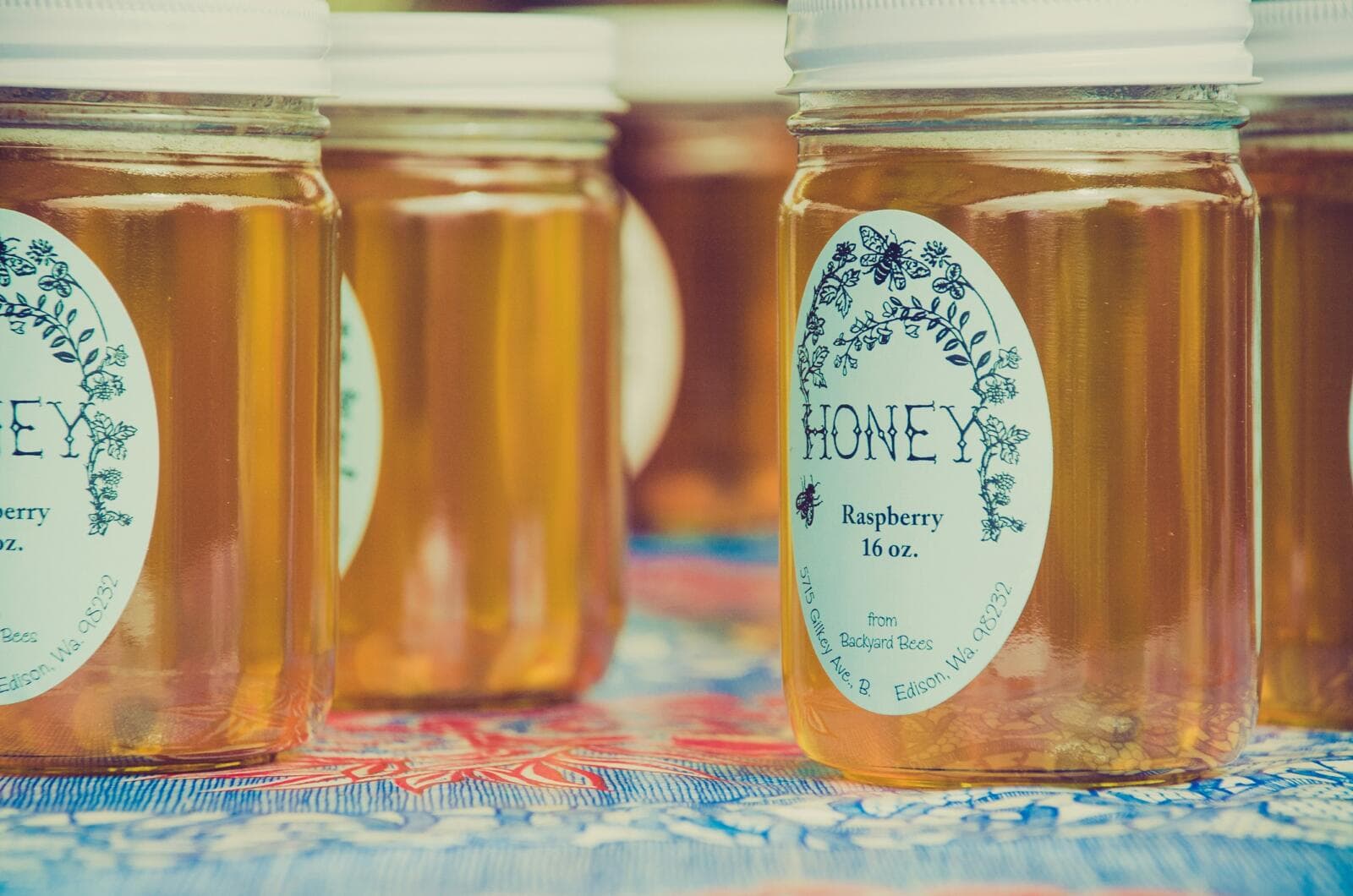
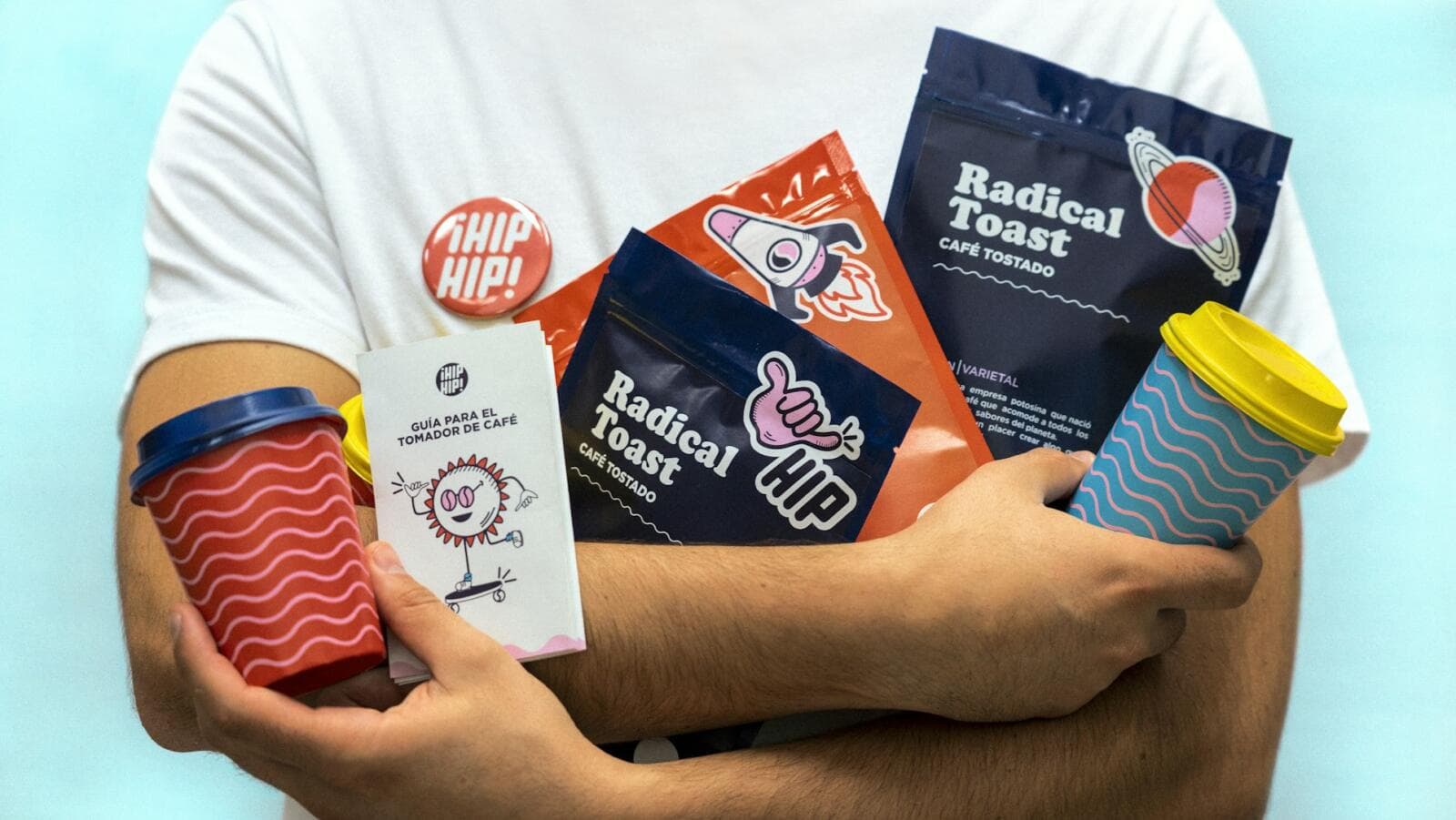
For example, you might launch skincare, supplements, snacks or apparel under your brand. A specialist manufacturer produces and packages the goods, and you sell them online or into retail. Your customers see your label, not the manufacturer’s.
People sometimes use “white label” to refer to generic products multiple sellers can rebrand, while “private label” often means a product that’s exclusive to your brand. In practice, both models involve outsourcing manufacturing and focusing your time on brand and growth.
Why Start a Private Label Brand?
- Lower startup costs: You don’t need to invest in plant and equipment to make your first sale.
- Speed to market: Partnering with established manufacturers helps you launch faster and test product-market fit.
- Brand control: You build equity in your own brand rather than reselling someone else’s.
- Flexibility: You can iterate on packaging, formulations or product lines without retooling a factory.
- Focus on customers: Spend your energy on marketing, distribution and customer experience.
That said, success isn’t automatic. You’ll need to manage quality, negotiate strong contracts, comply with Australian law, and protect your brand from the start.
Step-By-Step: How To Start A Private Label Business In Australia
1) Research Your Market And Positioning
- Define your niche, target customers and price point.
- Study competitors and comparable private label brands.
- Decide your unique angle (e.g. natural ingredients, value packs, premium finishes).
- Map your distribution: direct-to-consumer, marketplace, retail or wholesale.
Documenting this in a business plan will sharpen your decisions and help you anticipate operational and legal needs such as product standards, labelling, and contracts.
2) Choose A Business Structure And Register
Your structure affects risk, tax and credibility.
- Sole trader: Simple and low cost. You are personally responsible for debts and liabilities.
- Partnership: Easy to set up with co-founders. Partners are jointly responsible for debts.
- Company (Pty Ltd): Separate legal entity with limited liability. More setup and reporting, but often preferred for brand growth and wholesale relationships.
Many founders choose a company for the limited liability and clear ownership structure. If you’re leaning that way, consider getting help with your company set up so your structure, directors and shareholdings are captured correctly from day one.
You’ll also need an ABN and, if trading under a name that isn’t your personal name or the company’s legal name, register a business name with ASIC. Business name registration is national. Note, however, a business name doesn’t give you exclusive rights to that name - trade marks protect brand exclusivity (more on that below).
3) Find And Vet A Manufacturer
- Shortlist manufacturers with private label capability in your category.
- Request samples and test against your quality benchmarks.
- Check capacity, production lead times, minimum order quantities and pricing.
- Confirm they’ll meet applicable Australian standards and labelling rules, not just their local rules.
- Negotiate clear terms on formulations, specifications, quality control, intellectual property and remedies if things go wrong.
This is where a tailored Manufacturing Agreement is critical. It should set product specs, change control, acceptance testing, liability, recalls, exclusivity (if any), and confidentiality.
4) Design Your Brand, Packaging And Labels
- Develop your brand name, logo and packaging that suit Australian retail and online standards.
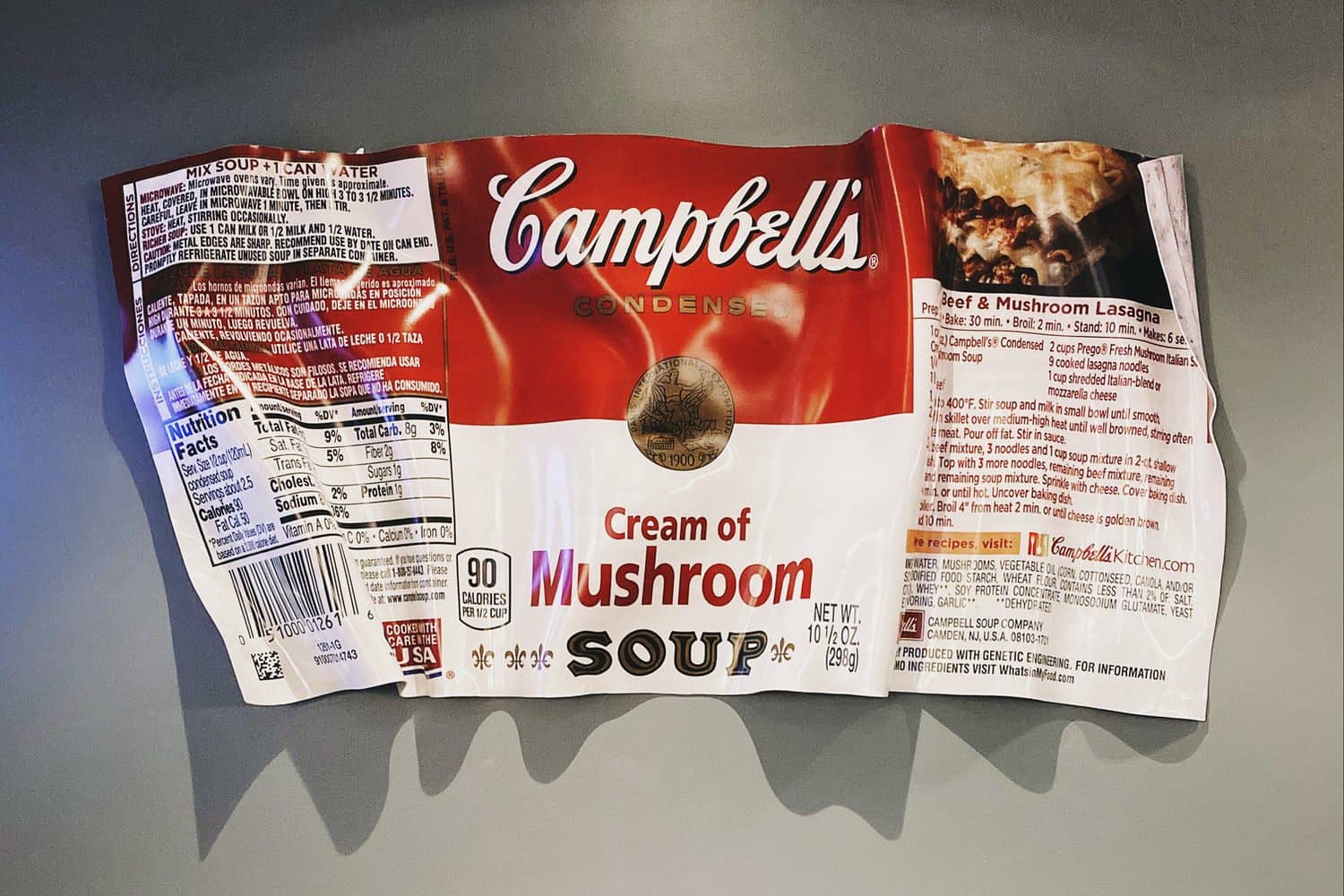
- Design labels that include any required ingredient lists, warnings, usage instructions and country of origin claims.
- Ensure your branding does not infringe existing trade marks.
Plan to protect core brand assets by applying to register your trade mark over your brand name and logo for the relevant goods classes. Trade mark rights are a powerful way to stop copycats and preserve brand value across Australia.
5) Set Up Sales Channels And Operations
- Direct-to-consumer: Build an eCommerce site and consider marketplaces (e.g. Amazon AU).
- Retail and wholesale: Pitch to retailers, set wholesale terms and plan logistics.
- Fulfilment: Decide on 3PL warehousing, dropshipping or in-house fulfilment.
For online sales, publish clear Website Terms and Conditions and a Privacy Policy that matches how your store actually operates. Privacy obligations can apply based on your activities even if you’re a small business - for example, if you trade in personal information or provide certain health services. Many platforms also require these policies as a condition of use.
6) Put Key Contracts In Place
Before launch, line up the agreements that protect your supply chain, sales and team. We’ve listed the essentials later in this guide so you can tick them off your setup checklist.
7) Plan For Ongoing Compliance (And Taxes)
Build a simple compliance calendar for product updates, recalls (if ever required), renewals, insurance, reporting deadlines and contract reviews. If you’re scaling, review whether you need to register for GST and track import duties and freight costs in your pricing model. For tax and GST matters, speak with a registered tax or accounting professional for advice tailored to your situation.
Legal And Regulatory Requirements In Australia
There isn’t a “private label licence” in Australia, but several laws and regulators oversee how you make claims, sell products and keep customers safe.
Australian Consumer Law (ACL)
The ACL (enforced by the ACCC and state/territory agencies) requires you to avoid misleading or deceptive conduct, ensure your products are safe, and honour consumer guarantees and refunds. Your advertising, labelling and testimonials must be accurate and substantiated. Strong customer terms and clear returns processes help you meet these obligations day-to-day.
Product Safety, Standards And Labelling
Mandatory standards and bans apply to certain goods (e.g. children’s products, cosmetics, electrical items). Depending on your category, check:
- AICIS (Australian Industrial Chemicals Introduction Scheme) for cosmetics and industrial chemicals, including ingredients and labelling rules.
- TGA (Therapeutic Goods Administration) if your product is a therapeutic good (e.g. certain supplements, sunscreens, disinfectants).
- FSANZ (Food Standards Australia New Zealand) for food composition, additives, allergens and labelling.
- ACCC Product Safety for mandatory standards, bans and recalls.
Your labels should match the regulatory category of the product. For example, a cosmetic can’t make therapeutic claims that would place it under TGA rules unless you comply with those requirements.
Imports, Customs And Biosecurity
If you’re sourcing from overseas, understand customs classification, duties, GST on importation, and any biosecurity or quarantine controls. Work closely with your freight forwarder and ensure your manufacturer understands Australian requirements (e.g. testing, documentation and packaging standards).
Privacy And Data
If you collect personal information (names, emails, order details), make sure your practices align with the Privacy Act 1988 (Cth) and the Australian Privacy Principles (APPs) where they apply. Not all small businesses are APP entities by default (many are exempt if annual turnover is $3 million or less), but certain activities can still trigger obligations. Either way, being transparent about how you collect, use and store data is best practice and often required by platforms and payment providers.
Employment And Workplace Safety
If you hire staff, you must comply with the Fair Work system, pay the right rates and entitlements, and provide a safe workplace. Put fit-for-purpose Employment Contracts and policies in place before your first hire.
Local Permits And Premises
Warehousing or retail premises may require local council approvals for zoning, signage and fit-out. If you plan to store goods (especially food or hazardous items), check storage and handling requirements.
Essential Legal Documents For Private Label Brands
The right documents give you control over quality, timelines, IP, customer expectations and team responsibilities. Consider these core agreements.
- Manufacturing Agreement: Sets product specifications, quality standards, acceptance testing, delivery timeframes, pricing, liability, warranty, recall obligations, confidentiality and termination. A tailored Manufacturing Agreement is foundational when your business relies on a third party for quality and supply.
- Non-Disclosure Agreement (NDA): Protects confidential information when you share formulations, supplier terms, prototypes or brand strategy. Use an NDA before detailed discussions with manufacturers, designers or marketing partners.
- Website Terms and Conditions: Sets the rules for using your site, limits liability where appropriate and covers IP. For online stores, pair this with clear product and shipping terms inside your Website Terms and Conditions.
- Privacy Policy: Explains your data practices in plain English and helps meet legal and platform expectations. Ensure your Privacy Policy reflects your actual operations (marketing tools, cookies, shipping partners and overseas storage).
- Wholesale or Distributor Terms: If you sell B2B, set minimums, territories, pricing rules, brand guidelines and returns with clear, written terms.
- Retailer Agreements: For bricks-and-mortar retail placements, cover payment terms, chargebacks, marketing contributions, shelf-life (for perishables) and product recalls.
- Trade Mark Registration: Protects your brand name and logo nationally for your classes of goods. Lodging to register your trade mark early reduces the risk of rebranding later and helps you enforce your rights.
- Employment Contracts And Policies: If you have staff, use role-appropriate Employment Contracts, confidentiality and IP clauses, and a basic staff handbook.
- Shareholders Agreement: If you have co-founders or investors, a Shareholders Agreement documents ownership, decision-making, vesting, exits and dispute resolution so everyone is aligned.
Not every brand will need every document on day one, but most will need several. Prioritise agreements that control quality, protect your brand, and set customer expectations clearly.
Key Risks (And How To Avoid Them)
Private labelling is a proven model, but there are common tripwires. Here’s how to sidestep them.
- Quality drift: If specs aren’t locked down in your Manufacturing Agreement, small changes can creep in. Include sampling, batch testing and acceptance procedures, plus remedies and the right to audit.
- Regulatory missteps: Cosmetics making therapeutic claims, food omitting allergen statements, or kids’ products missing mandatory warnings can trigger enforcement or recalls. Map your product category to the correct regulator and standards before printing labels.
- IP disputes: Launching with a brand name that conflicts with an existing trade mark can force a costly rebrand. Conduct searches and file trade mark applications as early as you can.
- Weak customer terms: Unclear shipping timeframes, refund processes and warranty statements lead to complaints and ACL risk. Use plain-English online terms that match how you actually operate.
- Supplier lock-in: Exclusivity or minimums can be useful, but one-sided terms can trap you. Negotiate fair exit rights, tooling and mould ownership, and transition cooperation if you change suppliers.
The bottom line: strong contracts, accurate labelling and early brand protection reduce most avoidable headaches.
Key Takeaways
- Private labelling lets you sell your own branded products without running a factory, so you can focus on brand and distribution.
- Choose a structure that fits your risk and growth plans, and remember a business name is not the same as brand protection - trade marks provide exclusive rights.
- Plan your compliance early: align labels and claims with ACCC product safety rules and the right regulator (AICIS, TGA, FSANZ) for your category.
- Meet your obligations under the Australian Consumer Law, keep data practices transparent, and use employment documents if you’re hiring.
- Put core agreements in place before you launch, including a Manufacturing Agreement, Website Terms and Conditions, a Privacy Policy, NDAs and (if applicable) a Shareholders Agreement.
- Protect your brand with trade marks and embed quality control in your contracts to reduce the risk of disputes or recalls.
If you would like a consultation on starting a private label business, you can reach us at 1800 730 617 or team@sprintlaw.com.au for a free, no-obligations chat.