
Alex is Sprintlaw's co-founder and principal lawyer. Alex previously worked at a top-tier firm as a lawyer specialising in technology and media contracts, and founded a digital agency which he sold in 2015.
Contents
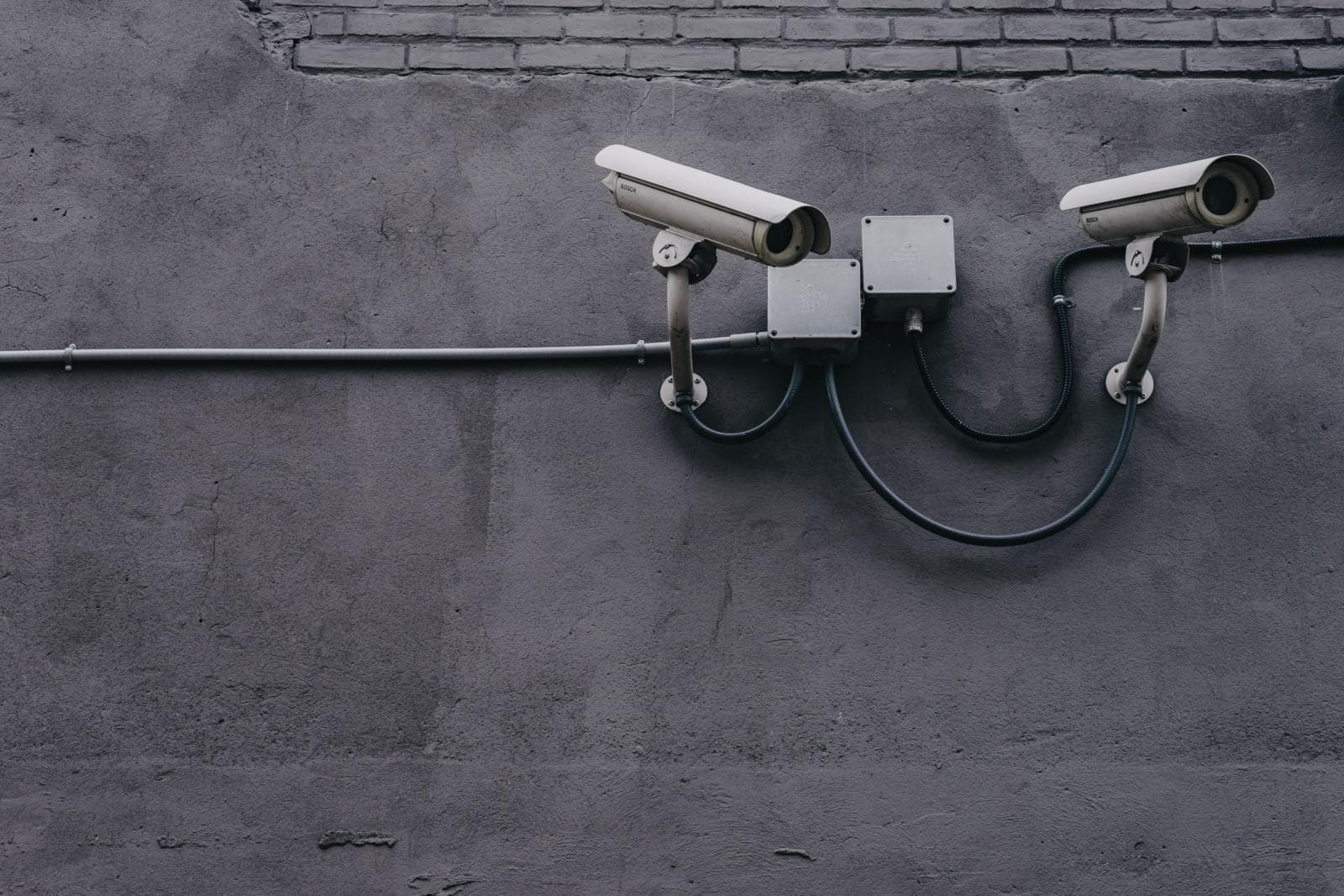
Security cameras can be a sensible way to protect your people, premises and stock. With systems now more affordable and easy to install, it’s natural for business owners to consider CCTV for stores, offices, warehouses and hospitality venues.
But placing cameras at work comes with specific legal obligations in Australia. You’ll need to balance safety and loss prevention with privacy and employee rights - and the rules can differ across states and territories.
In this guide, we’ll demystify the main laws that apply to workplace cameras in Australia, clarify common misconceptions, and walk you through a practical compliance checklist so you can set up surveillance the right way.
What Laws Apply To Workplace Cameras In Australia?
There isn’t one single national law that covers all workplace camera use. Instead, several laws operate together. As an employer, you can usually use cameras at work, provided you follow the rules about when, where and how you record and handle footage.
Key legal frameworks include:
- State and Territory Surveillance Laws: Some jurisdictions (for example, New South Wales and the ACT) have workplace-specific surveillance legislation that sets out notice requirements and strict limits on covert monitoring. Other places (such as Victoria) regulate devices through general surveillance laws that prohibit recording “private activities” and restrict listening devices. The detail varies, so it’s important to check the rules where your workplace is located.
- Privacy Act 1988 (Cth): If you’re an APP entity (generally businesses with annual turnover of more than $3 million, and certain smaller businesses that handle sensitive information or provide specific services), any footage that can identify a person is personal information. That triggers obligations around transparency, secure storage, use and disclosure, and deletion when no longer needed. Having a clear, accessible Privacy Policy is a core part of compliance.
- CCTV rules and signage: While signage isn’t always prescribed in detail, making surveillance obvious with signs and visible cameras is a common legal requirement and good practice. For broader context, see how general CCTV laws in Australia intersect with workplaces.
- Audio recording restrictions: Audio is regulated more tightly than video. Listening device laws in each state/territory limit recording private conversations. In a workplace setting, audio should generally be avoided unless it’s clearly lawful in your jurisdiction and you have informed consent.
- Covert vs overt surveillance: Overt cameras (visible, signposted and notified) are the norm. Covert surveillance is heavily restricted and, in some jurisdictions (such as NSW and the ACT), requires a formal authority in limited circumstances like suspected unlawful activity. In other places (such as Victoria), employers are generally prohibited from secretly recording private activities. The takeaway: avoid covert monitoring unless you’ve obtained specific legal advice and any required authorisation.
Because requirements differ, businesses operating in multiple states should align their policy and setup to meet the strictest rules that apply to their locations.
Is Using Security Cameras An Invasion Of Privacy?
It can be, if done incorrectly. Employees have a reasonable expectation of privacy in certain parts of the workplace and in specific situations. Recording in those areas, or monitoring staff without notice, can amount to an unlawful intrusion and lead to complaints, regulatory investigations or even criminal penalties.
On the other hand, obvious cameras in appropriate, work-related spaces - like entry points, shopfloors, loading docks or warehouse aisles - can help deter theft, support safety, and protect your assets when used proportionately and transparently.
In practice, cameras are unlikely to be considered an invasion of privacy if you have a clear, lawful purpose, you notify staff, your cameras are placed in suitable locations, and you manage footage responsibly.
How To Use Workplace Cameras Legally: A Step‑By‑Step Checklist
Getting the setup right at the start will save you headaches later. Use this simple checklist to stay on the front foot.
1) Define Your Purpose
Be crystal clear on why you need cameras (for example, deterring theft, protecting safety, monitoring entry/exit points, or safeguarding assets). Avoid “spying” on staff performance unless it’s clearly justified, lawful and communicated upfront in policy.
2) Draft Or Update Your Workplace Policy
Document how surveillance operates in your business: where cameras are, why you use them, who can access footage, how long it’s retained, and how staff can raise concerns. Many businesses include these details in a staff handbook or a standalone surveillance policy. If you’re refreshing your internal rules, it’s a good time to review your broader workplace policies and staff handbook too.
3) Provide Written Notice To Employees
Before surveillance begins, give employees written notice that cameras are operating, where they are located and how they will be used. In some jurisdictions (such as NSW), there are specific notice rules (for example, at least 14 days’ written notice unless otherwise agreed). Contractors and labour hire workers who perform work on-site should also be informed.
4) Install Visible Cameras And Signage
Keep surveillance overt. Position cameras in appropriate areas that align with your stated purpose and place signage at entrances and affected areas to make monitoring clear to staff and visitors.
5) Avoid Prohibited And Sensitive Areas
Never place cameras in locations where people have a high expectation of privacy, such as toilets, change rooms and showers. Be cautious with other sensitive spaces (e.g. first‑aid rooms or areas used for personal or confidential discussions) and only consider surveillance if there is a strong, lawful justification and it’s not prohibited in your jurisdiction.
6) Handle Footage As Personal Information
Treat footage as personal information if individuals are identifiable. Store it securely, limit access to authorised personnel, use it only for the purpose you collected it for, and set clear retention and deletion timelines. Having a current Privacy Policy and a practical privacy complaint handling procedure will help you meet your obligations under the Privacy Act and build trust with your team.
7) Be Careful With Audio
Audio recording is more legally complex than video. Listening device laws can prohibit recording private conversations without consent or a clear legal exception. As a rule of thumb, avoid enabling microphones unless you’ve confirmed it’s lawful in your location and obtained informed consent from those affected. For more on this, see our overview of business call recording laws and general recording laws in Australia.
8) Train Managers And Review Periodically
Make sure managers understand the policy and know how to request and handle footage. Review camera placement, retention periods and access controls periodically or whenever your operations change.
Where Can’t I Put Cameras At Work?
While exact prohibitions vary, these locations are almost always off‑limits for workplace cameras (overt or covert):
- Bathrooms and toilets
- Change rooms, showers and similar private spaces
- Areas used for medical treatment or first aid
Other spaces can be sensitive depending on your business and layout. For example, prayer rooms or designated quiet rooms may warrant special consideration. Staff break rooms are not subject to a universal ban, but you should be cautious and ensure any surveillance is clearly justified, lawful and proportionate - and never captures private activities.
If you’re unsure whether a particular location is appropriate, it’s safer to move the camera or adjust its field of view so it only captures relevant, common areas.
Covert Cameras, Audio And Other Common Misconceptions
“I can install hidden cameras if I suspect misconduct.”
Covert surveillance is highly restricted. In some jurisdictions (such as NSW and the ACT), specific workplace laws apply and covert monitoring generally requires a formal authority and is limited to investigating suspected unlawful activity. In others (such as Victoria), laws prohibit recording private activities and severely restrict the use of listening devices. The upshot: don’t install hidden cameras without getting legal advice tailored to your location and circumstances.
“It’s fine to record audio if I put up a sign.”
Not necessarily. Listening device laws regulate audio differently to video. Even with signage, recording private conversations may be unlawful unless strict conditions are met (for example, informed consent and a valid legal basis under the relevant state/territory law). If you don’t need audio for your stated purpose, disable it.
“The Privacy Act applies to every business with cameras.”
Not quite. The Privacy Act applies to APP entities - typically businesses with turnover above $3 million and certain smaller businesses (for example, those handling health information). Even if you’re not covered, adopting Privacy Act standards is good practice and often expected by staff and customers.
For a broader primer on whether and how cameras can be used at work, see our guide on cameras in the workplace and our security camera laws overview for businesses.
What Policies And Documents Should I Have In Place?
Clear documentation helps you comply with the law and set expectations with your team. Consider the following:
- Workplace Surveillance Policy: Explains the purpose of surveillance, locations, access controls, retention, and staff rights and responsibilities. This can sit within your broader staff handbook or as a standalone policy.
- Privacy Policy: Describes how your business collects, uses, stores and deletes personal information, including CCTV footage, and how individuals can contact you about privacy. See our Privacy Policy service.
- Access/Disclosure Procedure: Sets out who can access footage, when, and how requests are logged and approved (for example, HR for an incident investigation).
- Retention & Deletion Schedule: States how long you keep footage and when it’s securely destroyed.
- Complaint Handling Procedure: Provides a clear pathway for privacy and surveillance complaints, aligned with your privacy complaint procedure.
If you also monitor IT systems, vehicles or devices, align those practices within the same framework so your approach is consistent and easy for staff to understand.
Key Takeaways
- Workplace cameras are lawful in Australia when used transparently, for a clear purpose and in appropriate locations - avoid private spaces like toilets and change rooms.
- Follow jurisdiction‑specific rules: some states/territories have workplace surveillance laws (for example, NSW and the ACT), while others regulate devices through general surveillance legislation.
- Give employees written notice before surveillance starts, keep cameras and signage visible, and make sure your practices match a clear internal policy.
- Treat footage as personal information if people are identifiable: store it securely, restrict access, use it only for your stated purpose, and delete it when no longer required.
- Audio recording is more tightly regulated than video; avoid microphones unless the law permits it in your location and you have informed consent.
- Put the right documents in place - a workplace surveillance policy, a current Privacy Policy, and practical procedures for access, retention and complaints - and review them regularly.
If you’d like a consultation on workplace camera laws, surveillance policies or privacy compliance for your business, you can reach us at 1800 730 617 or team@sprintlaw.com.au for a free, no‑obligations chat.