Alex is Sprintlaw’s co-founder and principal lawyer. Alex previously worked at a top-tier firm as a lawyer specialising in technology and media contracts, and founded a digital agency which he sold in 2015.
Some businesses feel separate from the people who build them. Others are unmistakably an extension of their founder.
Viatrix Atelier falls into the second category.
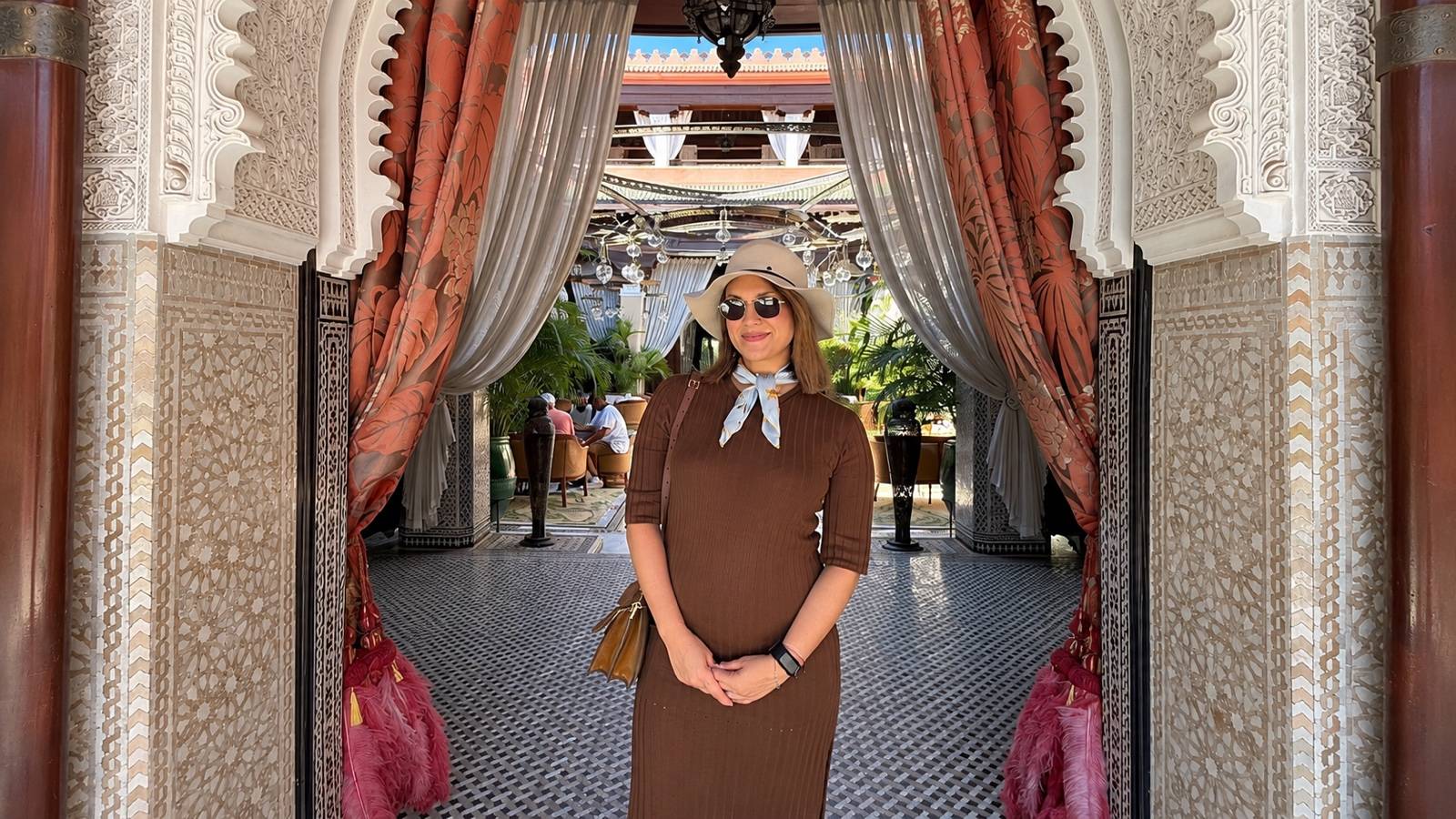
Founded by Nicola Peluso, the British womenswear brand creates ethical luxury clothing for what she describes as the “feminine adventurer” - women whose lives might take them between work, travel and very different environments. Viatrix combines Italian tailoring techniques with traditional British craftsmanship, working with European textile mills and British manufacturers to create capsule collections that balance fashion and function.
But the business also reflects a lot of Nicola herself.
Her background in fashion, acting and modelling, her love of solo travel, her work around human rights and her interest in craftsmanship all show up somewhere in Viatrix.
Rather than creating a company and then deciding what it should stand for, Nicola seems to have built one from things that already mattered to her.
The challenge has been working out how to turn that into a functioning business without losing the reasons she wanted to create it in the first place.
Contents
Where Viatrix Came From
Long before Viatrix became a business, Nicola was already moving between many of the worlds that would eventually shape it.
She studied fashion design at Istituto Marangoni Milan at 17 and worked as a professional model before building a career as an actor across film, television, voice-over and games. Outside of work, she became an avid solo traveller and an ambassador for Nomi Network, a non-profit supporting women and girls affected by human trafficking.
Over time, those experiences started coming together.
“Through this unique intersection of professional expertise, I realised there was a gap in the market for adventurous women who required their garments to meet the demands of their globetrotting lifestyles, whether that be for work or leisure,” Nicola says.
But the idea behind Viatrix went further than spotting a gap.
“The purpose behind Viatrix Atelier is to support myself and other women in our day-to-day lives,” she says.
Over the years, Nicola had met women working across very different settings - human rights lawyers, adventure travellers, independent filmmakers and others whose clothing needed to work across different parts of their lives.
“These encounters and my own lived experience inspired the concept behind Viatrix Atelier: creating garments that can meet the many needs of the wearer instead of expecting women to compromise.”
That thinking can be seen in the clothes themselves.
Viatrix’s upcoming Hero piece, La Femme Renegade, is a jumpsuit designed to be adapted and worn 25 different ways. Nicola describes it as something that can feel “as at home in the jungle as it is at a Michelin starred restaurant.”
The Lauren dress came from conversations with an international human rights barrister and judge. It combines traditional drapery with Italian tailoring, with the aim of creating something elegant and professional that still gives the wearer freedom to move.
Or, as Nicola puts it, something you can wear while still being able to “get in and out of a Humvee without incident.”
That gives a fairly good sense of what Viatrix is trying to do. The clothes are designed around the lives Nicola knows and the women she has met, rather than asking those women to work around the clothes.
Building More Than A Clothing Brand
The same influences also show up outside the garments.
Viatrix’s Field Notes section includes travel and cultural content, beginning with a London city guide for which Nicola wrote every synopsis herself.
It took a year and a half to put together.
Future guides are planned for Stockholm, Budapest and Barcelona, alongside recipes, interviews, travel and beauty content and the Viatrix Atelier podcast.
Nicola describes the business as “the catalyst through which to share my passions as an artist and adventurer”.
That probably explains the broader shape of Viatrix better than any neat brand statement could.
Fashion, travel, storytelling and the women Nicola meets are not really separate parts of the business. Viatrix gives them somewhere to come together.
When Your Values Start Affecting Business Decisions
Building a business around things you care deeply about can also make certain decisions more complicated.
Manufacturing is one area Nicola has had to think carefully about.
Through her work with Nomi Network, she gained greater insight into exploitation within parts of the fashion and textile industries, particularly in Cambodia. That experience shaped the standards she wanted to apply to Viatrix’s own supply chain.
“It is imperative for fashion businesses to be engaged with their manufacturers and to both demand and offer transparency in their supply chains,” Nicola says.
That has led her to work with manufacturers subject to independent auditing, as well as facilities she can personally assess in the UK.
At the same time, Viatrix’s focus on functional adventurewear creates practical trade-offs.
Certain garments use permethrin-treated fabric as part of their functionality, which limits the range of textiles currently suitable for some of the designs. That can make sustainability more difficult to balance with technical performance.
Nicola’s long-term goal is to develop textiles specifically for the garments she designs. In the meantime, she has had to work through where compromises can be made and where the business needs to hold its ground.
Her advice to other founders sums that up quite neatly:
“Building a business with integrity takes ten times as long, but it is always worth it.”
Putting The Same Care Into The Legal Side
That same approach eventually reached the legal side of the business.
As Nicola began developing the Viatrix podcast and other content, she was asking women to contribute their time, expertise, image and voice to the brand.
She wanted those women to understand clearly how their contributions could be used.
“It is incredibly important that the women I engage with for content, who generously offer their time and expertise to the brand, have transparency over how we will use their likeness, voice and image in partnership with the brand,” Nicola says.
For her, goodwill was important, but it wasn’t enough on its own.
“That their participation is in good faith, but with the proper legal permissions in place. This affords integrity and security to both parties and I believe doing business with transparency and respect is the best footing to build on.”
This is one of those areas where legal support can be useful well before there is a dispute.
A podcast guest, photographer, designer or collaborator might be completely comfortable agreeing to a project. But it is still worth being clear about how their image, voice, work or intellectual property can be used, and what everyone has actually agreed to.
Nicola worked with Sprintlaw to draft and refine the contracts Viatrix needed around those relationships, including the permissions around contributor content.
For Nicola, having legal support helped her work through some of the finer details involved in putting those arrangements into writing.
“[Sprintlaw’s] knowledge and expertise was integral to understanding the nuance and complexity required in drafting and amending the documents for my company,” she says.
For Viatrix, those contracts helped turn an existing principle into something practical. Nicola wanted contributors to understand how their work, image and likeness would be used, and the legal documents gave both sides something clear to rely on.
It is something many small businesses run into as they grow.
Relationships often start informally. A collaboration begins over email. Someone agrees to appear in a podcast or create content. A supplier relationship gets bigger over time.
Once valuable work, intellectual property, money or ongoing responsibilities are involved, getting those arrangements clear in writing can save a lot of uncertainty later.
Still Building
Viatrix Atelier is still in what Nicola calls its “fledgling stage”.
There are new garments to launch, more Field Notes planned and new conversations still to come.
And Nicola is quite open about the fact that the building part does not really end.
“Plans and strategies may need to be reworked along the way but it is vital to have grace and patience with yourself, and accept that the building stage never really ends,” she says.
That feels particularly fitting for Viatrix.
The business is closely connected to Nicola, but that does not mean it has to stay fixed. It can keep changing as her ideas, experiences and ambitions change too.
Or, as Nicola puts it:
“Stay the course.”
If you would like help with your small business, you can reach us at 08081347754 or team@sprintlaw.co.uk for a free, no-obligations chat.

Alex SoloCo-Founder