Alex is Sprintlaw’s co-founder and principal lawyer. Alex previously worked at a top-tier firm as a lawyer specialising in technology and media contracts, and founded a digital agency which he sold in 2015.
Contents
Businesses often treat a photo shoot like a simple booking, then discover the real issues later: who owns the images, whether the photographer can reuse them, what happens if the shoot is delayed, and whether edited files are actually included. Those problems usually come from three common mistakes: relying on a verbal promise, accepting standard terms without checking the licence and usage rights, and assuming payment means full ownership.
An agreement for photography should do more than lock in a date and a fee. It should spell out what is being delivered, how the images can be used, who owns copyright, what approvals are needed, and what happens if something changes before or during the shoot. If you are hiring a photographer for products, staff headshots, events, marketing campaigns or social media content, getting the contract right before you sign can save a lot of cost and friction later.
Overview
An agreement for photography sets the rules for the shoot, the deliverables and the rights each party has in the images. For Australian businesses, the most valuable parts of the contract are usually the copyright position, the usage licence, the scope of work and the practical rules for cancellation, delays and approvals.
- Identify exactly who the contracting parties are, including the legal business entity.
- Describe the shoot scope, location, timings, deliverables and editing included.
- State who owns copyright and what licence the business receives.
- Set out where and how the images can be used, including online, print, paid ads and packaging.
- Cover fees, deposits, additional charges, travel costs and payment timing.
- Explain rescheduling, cancellations, weather issues and no-show risks.
- Deal with model releases, location permissions and third party consents.
- Include approval processes, turnaround times and revision limits.
- Address confidentiality, privacy and use of staff or customer images.
- Limit liability in a fair and sensible way, while keeping Australian Consumer Law in mind.
What Agreement for Photography Means For Australian Businesses
An agreement for photography is the contract that decides what you are buying and what rights you actually get. For most businesses, the key question is not just price, it is whether the images can legally be used in the way the business needs.
That matters because photography work often sits across several legal and commercial issues at once. You might be booking a product shoot for ecommerce, a venue shoot for advertising, a founder headshot session for media use, or event photography for future promotions. Each use case raises different questions about copyright, consent, exclusivity and risk allocation.
What the contract usually covers
A well-drafted photography contract should make the commercial deal clear in plain English. At minimum, it should cover:
- the date, time and location of the shoot
- the style or purpose of the images
- the number and format of final files
- whether retouching, colour correction or other editing is included
- delivery deadlines and file transfer arrangements
- the fee structure and when payment is due
- how the images may be used after delivery
This is where founders often get caught. A quote may say “brand shoot” or “product photography”, but that does not tell you whether you can use the images on packaging, in national ad campaigns, across multiple brands, or forever. If the contract only gives a narrow licence, your business may need to pay more later for broader rights.
Copyright and ownership are not the same as access
Many business owners assume that paying for photos means they own them. In Australia, that is often not the case. The photographer will commonly own copyright unless the contract says the rights are assigned to the business, or a different ownership arrangement applies.
That means your business might receive a licence to use the images rather than ownership of the copyright itself. A licence can still be perfectly workable, but it must be drafted carefully. Before you sign, check whether the licence is:
- exclusive or non-exclusive
- limited to Australia or worldwide
- limited to certain platforms or media
- limited for a set period or perpetual
- transferable to related entities, agencies or franchisees
- broad enough for future campaigns and business growth
If you are commissioning photography for a major brand asset, such as hero product images or campaign materials, ownership may matter more. If the images are for a short promotional run, a broad licence may be enough. The right answer depends on how central the content is to your business.
Commercial use needs to be explicit
A contract should clearly say that the business can use the images for commercial purposes where needed. That can include:
- website and online store listings
- social media posts and ads
- email marketing
- print brochures and catalogues
- media kits and public relations
- signage, packaging and point-of-sale materials
If your business works with marketing agencies, resellers or marketplace platforms, the agreement should also allow sharing the files with those third parties where necessary. Otherwise, a practical marketing step can become a legal argument.
People and places can raise separate rights issues
Even if the copyright position is clear, you may still need permissions from other people involved in the shoot. If staff, contractors, customers or influencers are identifiable in the images, consent should be handled properly. If the shoot takes place on private premises, venue rules or landlord consent may also matter.
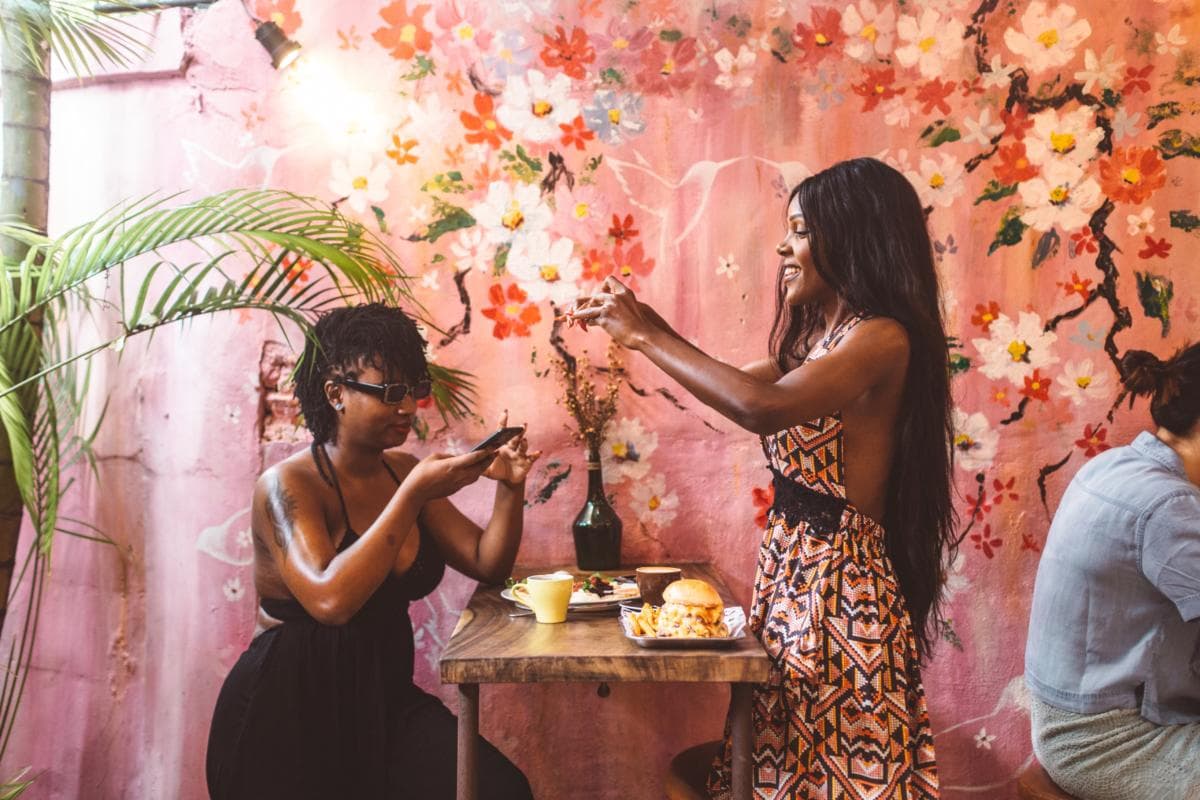
For example, a café commissioning lifestyle photography may need:
- staff consent for use of their image in advertising
- permission from customers who appear recognisably in shot
- approval from the venue owner or landlord if required under a commercial lease or hire arrangement
- clear terms about signage, artwork or third party brands visible in the images
This is especially relevant if the images will be used beyond a one-off social post. The broader the commercial use, the more important it is to document permissions properly before you rely on the photos.
Legal Issues To Check Before You Sign
Before you sign a photography contract, check the clauses that control rights, scope and what happens when plans change. The main risk is not usually the booking itself, it is discovering later that the agreement does not match how your business intended to use the work.
Scope of work and deliverables
The contract should say exactly what is being supplied. Vague wording creates disputes about whether the photographer has finished the job or whether extra work is chargeable.
Look for detail on:
- number of shooting hours or days
- number of final edited images
- whether raw files are included or excluded
- style references, shot lists or campaign brief requirements
- editing standards and revision rounds
- delivery format, file resolution and turnaround time
If your team needs images cropped for different channels, ask for that to be written in. If your product range changes often, think about whether the agreement allows add-on shoots at a set rate.
Fees, deposits and extra charges
Photography pricing often includes assumptions that never make it into the signed contract. Before you accept the provider's standard terms, make sure the payment clause covers all likely costs.
Common items to confirm include:
- deposit amount and whether it is refundable
- balance payment timing
- travel, parking, accommodation or studio hire costs
- assistant, stylist, hair and makeup or equipment hire fees
- overtime rates if the shoot runs late
- charges for urgent editing or additional revisions
That level of detail helps avoid the common dispute where one party treats the quote as fixed and the other treats it as a base fee only.
Copyright, licence and moral rights
This is usually the most important legal section in an agreement for photography. You need to know whether your business will own the images or receive a licence to use them.
If copyright is being assigned, the clause should say that clearly and state when the assignment takes effect, often on full payment. If the photographer keeps ownership, the licence should be specific enough for your real business use. Moral rights may also need to be addressed, particularly if the business wants flexibility to crop, overlay text, reformat or edit the images later.
Moral rights are personal rights held by creators, such as the right to be attributed and the right not to have their work treated in a derogatory way. In practice, many commercial agreements include consents that allow reasonable editing and use without repeated approval, but the wording needs to be handled properly.
Rescheduling, cancellation and force majeure
Photo shoots are highly exposed to practical disruption. Weather changes, staff get sick, products are delayed, venues fall through and campaign priorities shift. The contract should deal with those situations before they happen.
Check how the agreement handles:
- rescheduling notice periods
- cancellation fees and when they apply
- what happens to deposits
- weather-related postponements for outdoor shoots
- supplier illness or equipment failure
- events outside either party’s control
If the shoot is tied to a product launch, event date or seasonal campaign, timelines matter even more. A contract without clear rescheduling rules can leave your business paying twice, once for the original booking and again to fix the missed campaign window.
Confidentiality and sensitive business information
Some shoots involve products not yet released, unreleased packaging, investor materials or private internal spaces. If the photographer will see confidential information, the contract should protect it.
This can matter for:
- pre-launch product photography
- internal team or office shoots
- manufacturing or warehouse images
- medical, legal or other sensitive client-facing settings
A confidentiality clause can stop behind-the-scenes images or project details being shared before your business is ready.
Privacy and consents
If people are identifiable in photos, privacy and consent issues can arise. Businesses should think carefully before using images of staff, contractors or customers in marketing, especially where the use goes beyond the original expectation.
You may need clear written releases covering the intended use of the images. If your business collects and stores image files linked to identifiable individuals, your broader privacy notice and data protection practices may also be relevant. The exact obligations depend on your business and data handling, so where personal information is involved, it is worth checking that the photography process lines up with your privacy approach.
Liability and Australian Consumer Law
Liability clauses should be fair, realistic and consistent with Australian law. A photographer may try to limit liability for delays, technical failures or indirect loss, and that can be commercially reasonable in some cases. But blanket exclusions do not automatically override consumer guarantees or other rights that cannot be excluded under the Australian Consumer Law.
For business clients, the legal position depends on the nature of the services and the contract terms. The key point is to read broad exclusions carefully before you sign. If missing the shoot or losing the files would seriously affect your business, the contract should reflect that risk rather than pretending it does not exist.
Common Mistakes With Agreement for Photography
The most common mistakes happen when businesses focus on the shoot day and ignore the rights that matter after delivery. A simple-looking contract can still leave you unable to reuse images, recover losses or enforce deadlines.
Assuming payment means ownership
This is the classic trap. Paying the invoice does not always transfer copyright. If ownership matters, the agreement needs a clear assignment clause. If ownership is staying with the photographer, the licence must still be broad enough for your commercial plans.
Accepting a narrow usage licence
A business may receive a licence limited to one campaign, one platform or one period of time, then later reuse the images in a different context without realising the contract does not allow it. That can lead to extra fees or a dispute at the exact moment you want to move quickly.
Before you rely on a verbal promise that “you can use them anywhere”, make sure the written terms say so.
Leaving the deliverables vague
If the agreement says only “photo shoot” or “edited images”, the parties may have very different expectations. One side may expect 100 polished images, social crops and same-week delivery. The other may expect to provide 15 edited files within three weeks.
Specificity avoids wasted time and protects both sides.
Ignoring who appears in the images
Businesses often focus on the photographer and forget the people in front of the camera. If a team member later leaves, or a customer objects to being featured in ads, the business may have a problem if consent was never documented.
This is especially risky for:
- hospitality and retail businesses using customer-facing imagery
- health and wellness businesses where sensitivity is higher
- employers using staff images across long-term campaigns
Not dealing with cancellations and delays
Shoots rarely run exactly to plan. If there is no clear cancellation clause, the outcome may depend on emails, assumptions or arguments about fairness. That is expensive and distracting.
Before you sign, make sure the agreement says what happens if products are not ready, a location becomes unavailable, the weather changes, or the photographer cannot attend.
Overlooking portfolio and publicity rights
Many photographers want the right to display images in their portfolio or on social media. That may be fine, but not always. If the shoot is confidential, under embargo or tied to a private campaign, portfolio use should be limited or delayed.
This is a good example of why standard terms are not always suitable for commercial clients. A default portfolio clause can cut across a launch timeline or confidential brand strategy.
Using the wrong contracting party
If the booking is made in a personal name, trading name or informal email signature, enforcing the contract can become harder. The agreement should name the correct legal entity, whether that is a company, trust trustee or sole trader.
This point sounds administrative, but it matters. Clear party details help with invoicing, insurance, ownership and enforcement if something goes wrong.
FAQs
Who owns the photos if my business pays for the shoot?
Not always your business. Ownership depends on the contract. Many photography agreements leave copyright with the photographer and give the business a licence to use the images.
Can I use business photos on my website, social media and packaging?
Only if the contract allows it. The licence should list the types of commercial use your business needs, including future marketing channels where possible.
Do I need consent from staff or customers who appear in the photos?
Often, yes. If people are identifiable and the images will be used for marketing or promotional purposes, written consent is a sensible step and may be very important in practice.
Should I ask for raw files?
Only if your business genuinely needs them. Many photographers do not include raw files as standard. If access matters, it should be negotiated and written into the agreement.
What if the photographer cancels or the shoot is delayed?
The contract should set out rescheduling rights, refunds, replacement options and any limits on liability. If timing is commercially important, make that clear before you sign.
Key Takeaways
- An agreement for photography should cover more than the booking date and price, it should also deal with copyright, licensing, usage rights, deliverables and practical shoot-day risks.
- Paying for photography does not automatically mean your business owns the images, so check whether the contract provides an assignment of copyright or only a licence.
- The usage clause should match your real commercial needs, including websites, social media, advertising, print, packaging and use by agencies or related entities where relevant.
- Clear wording on revisions, deadlines, cancellation, rescheduling, confidentiality and extra charges can prevent expensive disputes later.
- If identifiable people or private locations are involved, make sure consents and permissions are handled properly before you use the images in marketing.
- Before you accept standard terms, confirm that the contract reflects your campaign timing, business structure and the consequences if the shoot does not go ahead as planned.
If you want help with copyright ownership, usage licences, cancellation terms, privacy and consent issues, you can reach us on 1800 730 617 or team@sprintlaw.com.au for a free, no-obligations chat.

Alex SoloCo-Founder