
Alex is Sprintlaw's co-founder and principal lawyer. Alex previously worked at a top-tier firm as a lawyer specialising in technology and media contracts, and founded a digital agency which he sold in 2015.
Contents
- What Does “Merchant” Mean In Australia?
Step-By-Step: Setting Yourself Up As A Merchant
- 1) Choose Your Business Structure
- 2) Get Your ABN And Business Name
- 3) Draft Your Core Trading Documents
- 4) Map Your ACL Processes
- 5) Lock In Payment, Credit And Security Settings
- 6) Launch Your Online And/Or Physical Storefront
- 7) Optimise Operations And Keep Compliant
- Quick Answers To Common Merchant Questions
- Key Takeaways
If you sell goods or services in Australia - whether online, in-store, or through a marketplace - you’ll often hear the word “merchant.” But what does “merchant” actually mean in Australian commercial law, and why does it matter for your day‑to‑day operations?
In practice, “merchant” is a useful, business-friendly label for a person or entity trading in goods or services. In most Australian legal frameworks, you’re more commonly described as a “supplier” or a business operating “in trade or commerce.” Those terms carry real legal weight, especially under the Australian Consumer Law (ACL) and in your contracts with customers, suppliers and platforms.
In this guide, we’ll unpack what being a merchant means in Australia, how it affects your legal obligations, the contracts you should have in place, and a practical setup checklist. Our aim is to make the legal side simple so you can trade confidently and grow.
What Does “Merchant” Mean In Australia?
Unlike the United States - where “merchant” features in the Uniform Commercial Code - Australian legislation generally talks about “suppliers,” “manufacturers,” and conduct “in trade or commerce.” In everyday business, “merchant” simply refers to a business that supplies goods or services to customers. That includes online sellers, retailers, wholesalers, trades and service providers, SaaS companies and marketplace stores.
If you’re a sole trader, partnership, company or trust that supplies goods or services for payment, you’re operating as a merchant. Your status doesn’t depend on size or sales channel. A boutique ecommerce shop, a market stall, a SaaS startup, or a national retail chain are all merchants in this practical sense.
Why does the label matter? Because merchants are bound by the rules that govern how businesses advertise, sell, contract with customers, handle complaints and manage returns. Those obligations flow primarily from the ACL, your state/territory fair trading laws, your contracts, and the terms of any platforms or payment providers you use.
Why The Definition Matters: Key Rights And Obligations
Once you’re trading as a merchant, several legal frameworks kick in. Understanding them early helps you avoid disputes, protect cash flow and build trust with customers.
Australian Consumer Law (ACL) Applies To Your Sales
The ACL applies to most supplies of goods and services in Australia. It prohibits misleading or deceptive conduct and sets mandatory consumer guarantees (such as acceptable quality, fitness for purpose, and reasonable care and skill for services). Keep Section 18 front of mind whenever you advertise, sell or communicate with customers.
You must also avoid specific false or misleading representations - for example, about price, quality, availability, or a product’s origin - captured in Section 29 of the ACL. Clear, accurate communications and compliant refunds language aren’t just “nice to have”; they’re legal requirements.
Contracts Set The Rules Between You And Your Customers
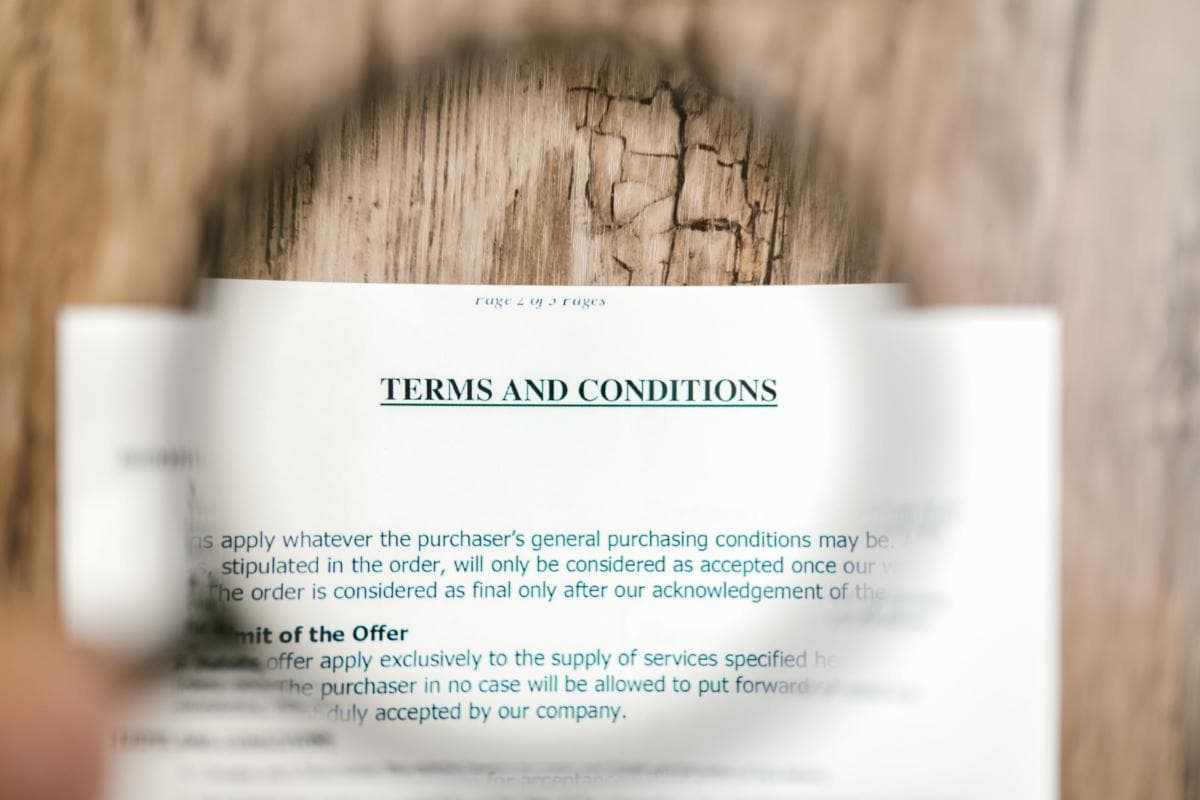
Your contracts (including online terms) set the default rules on payment, delivery, risk transfer, returns, intellectual property and liability. Well-drafted Terms of Trade or sale terms give you a consistent baseline that applies across every transaction. They’re the blueprint for how you trade - and the first thing you’ll lean on if there’s a dispute.
Managing Risk With The Right Clauses
Merchants often balance customer experience with risk control. A thoughtful mix of payment terms, delivery clauses, title and risk transfer, disclaimers and liability caps can make a big difference. For example, a carefully tailored limitation of liability clause helps contain exposure to amounts that are proportionate and commercially sensible (subject to the ACL, which can’t be excluded).
Cash Flow, Credit And Security Interests
If you sell on account or offer credit, secure your position. Retention of title language (title passes on full payment) and registering security interests on the PPSR (Personal Property Securities Register) can prioritise your rights if a customer becomes insolvent. This is a practical step many merchants miss until it’s too late.
Privacy And Data: Do You Need A Privacy Policy?
Many merchants collect customer information to fulfil orders and market their products. Under the Privacy Act, the Australian Privacy Principles (APPs) generally apply to businesses with annual turnover above $3 million, and to certain exceptions regardless of turnover (for example, health service providers, credit reporting bodies, or where a business trades in personal information). If the APPs apply to you, you’ll need a clear, accessible Privacy Policy explaining what you collect, why and how you handle data.
Even if the APPs don’t legally apply, marketplaces, payment providers or app stores may contractually require a Privacy Policy. It’s also good practice for transparency and customer trust. If you’re unsure whether the APPs apply, it’s a good idea to get advice before you scale.
Pricing, GST And Tax Notes
Be upfront about how you price. Make it clear whether prices include GST, when surcharges apply, and how price changes are handled (particularly for long-lead or pre-order items). You may need to register for GST if your turnover meets the threshold under Australian tax law.
This article focuses on legal and contractual points. For tax and accounting questions (including GST registration and invoicing rules), speak with your accountant or tax adviser.
Merchant Contracts: Clauses To Get Right
Whether you sell online, offline, or both, your standard terms are one of the strongest levers you have to reduce friction and control risk. Here are the essentials to consider.
Pricing, Invoices And Payment
- Clear pricing and tax treatment: State if prices include GST and outline any applicable surcharges.
- Payment timing: Define when payment is due (upfront, milestone, on delivery, or net terms) and acceptable methods.
- Late payments: Describe your right to charge reasonable admin fees or interest and to suspend services for overdue accounts, ensuring your approach is compliant with Australian law and any industry norms.
Delivery, Risk And Title
- Delivery and performance: Explain how, when and where you deliver (or perform services), who pays freight, and what happens if delays are outside your control.
- Risk transfer: Clarify when the risk of loss or damage shifts to the customer (often on delivery or collection).
- Retention of title: State that title passes only after full payment and reserve rights to recover goods where permitted by law (ideally supported by PPSR registration).
Returns, Warranties And Remedies
- ACL compliance: Confirm that nothing in your terms limits rights under the ACL. Outline your process for assessing faults, providing repairs/replacements, and handling refunds where required.
- Change-of-mind returns: If you offer them as a business choice, set clear conditions (timeframe, condition of goods, restocking fees).
- Manufacturer warranties: If relevant, explain how customers access manufacturer warranties alongside their ACL rights.
Liability, Indemnities And Caps
- Proportionate liability: Align indemnities and caps so each party bears the risk they control.
- Limitations wording: Use ACL-friendly limitation of liability provisions to restrict indirect or consequential loss claims and cap exposure to fees paid or a sensible fixed amount.
Security Interests And Credit Protections
- PPSR registrations: If you supply on credit or provide hire equipment, register a security interest on the PPSR to enhance your priority if a debtor defaults.
- Personal guarantees: For B2B credit, consider requiring a director’s guarantee (balanced and reasonable) as part of your onboarding.
All of the above typically sits inside your core Terms of Trade, supported by quotes, purchase orders and invoices. Keeping everything consistent reduces confusion and strengthens your position if something goes wrong.
Are You A Merchant If You Sell Online?
Yes - ecommerce merchants have the same legal status (and ACL obligations) as bricks-and-mortar businesses. The difference is your “storefront” is digital, so you’ll rely even more on clear, accessible website documents and a smooth checkout, delivery and returns experience.
Essential Online Legal Documents
- Website Terms and Conditions: Set the rules for using your site, IP ownership, prohibited conduct and general disclaimers.
- Privacy Policy: Required if the Privacy Act applies to you (and often required by platforms). It should explain what you collect, why, how you store/secure it, and how customers can access or correct their data.
- Online sales terms: Your ecommerce equivalent of Terms of Trade covering product descriptions, pricing, payment, shipping, returns and ACL rights - often accepted via a tick box at checkout.
Advertising, Reviews And Promotions
Online merchants should take extra care with product descriptions, testimonials and promotional claims. Avoid exaggerations that could be misleading under the ACL. If you run competitions, ensure your T&Cs and draw method align with applicable state-based requirements.
Payments And New Channels
Whether you accept cards, bank transfer, buy-now-pay-later or digital wallets, make sure your checkout flows match your terms and legal obligations. If you add a new channel - for instance, in-app purchases or a subscription model - review your terms, refunds process and disclosures so they still fit.
Merchant Relationships: Agents, Marketplaces And Distributors
Many merchants don’t sell directly to end customers all the time. You might appoint an agent to sell on your behalf, partner with a distributor, or list via a marketplace. Each model has different legal implications.
Agency Vs Distribution Vs Resale
- Agency: An agent sells on your behalf and usually doesn’t take title to the goods. You remain responsible for performance, so choose the right partner and formalise authority under the law of agency with clear scope, pricing authority and commission rules.
- Distribution: A distributor buys from you and resells to customers. You set wholesale terms; they own the customer relationship and the retail risk. A tailored Distribution Agreement should address territory, pricing, marketing, service standards and warranty handling.
- Resale: A reseller arrangement is similar to distribution, often for software or niche products. A clear Reseller Agreement can set branding, permitted claims, support and liability allocations.
Marketplaces sit somewhere between: they provide the shopfront, take a fee and impose their own terms. Read platform agreements carefully and ensure your customer-facing terms are consistent with their policies and the ACL.
Protecting Your Brand And Channels
Decide who controls pricing, content and customer service across channels. Align your contracts so you can maintain brand standards, manage warranty claims smoothly, and avoid channel conflict (for example, distributors undercutting your direct web pricing).
Step-By-Step: Setting Yourself Up As A Merchant
Ready to trade? Here’s a practical roadmap you can adapt to your size, industry and sales channels.
1) Choose Your Business Structure
Decide whether to operate as a sole trader, partnership or company. A company separates your personal assets from business liabilities and is often preferred as you scale. If a company is right for you, a streamlined company setup ensures your ACN, constitution and registers are in order from day one.
2) Get Your ABN And Business Name
Apply for an ABN and register a trading name if you’re using one that’s different from your own or your company’s name. Keep your brand consistent across invoices, your website and public listings to build trust.
3) Draft Your Core Trading Documents
Put your merchant “rulebook” in place with clear sale terms or Terms of Trade, website terms and a Privacy Policy if required, plus any industry-specific policies (for example, delivery/installation rules for bulky items). Build your quote and invoice templates so they reference your terms and include key conditions.
4) Map Your ACL Processes
Document how you’ll handle faults, returns, refunds and complaints in a way that complies with the ACL. Train your team on what they can and can’t say about guarantees, timing and remedies, keeping misleading conduct rules and representation prohibitions front of mind.
5) Lock In Payment, Credit And Security Settings
Decide how you’ll get paid (upfront, deposits, net terms) and ensure your terms reflect that. If you offer credit, use retention of title and register security interests on the PPSR. Build your reminders and suspension process into your workflow before you need it.
6) Launch Your Online And/Or Physical Storefront
For ecommerce, publish your Website Terms and Conditions, display a clear Privacy Policy if you’re an APP entity or your platform requires one, and make your sales terms accessible pre‑checkout. For physical stores, ensure signage, receipts and staff scripts match your policies and legal requirements.
7) Optimise Operations And Keep Compliant
Review your contracts and customer journeys as you grow. If you add new lines, sell via a marketplace, or expand into wholesale, update your documents to reflect the new risk profile and channel rules.
Quick Answers To Common Merchant Questions
Is a quote legally binding? A quote can become binding if it meets the elements of a contract, but it’s often an invitation to treat unless accepted in the way you specify. Clarify acceptance steps and expiry in your quoting process.
Is an email agreement enforceable? Yes, it can be. If your emails (or online checkout) capture offer, acceptance, consideration and intent, a contract may be formed. Keep your records and acceptance flows clear.
Do I need my own terms if I sell on a marketplace? You’ll be bound by the marketplace’s seller terms, but it’s still wise to provide your own customer terms where the platform allows - especially for delivery methods, warranties and returns - provided they don’t conflict with platform policies or the ACL.
Should I register security interests for B2B sales on account? If you supply on credit or provide hire equipment, registering on the PPSR and using robust credit terms can significantly improve your position if a debtor defaults.
Key Takeaways
- In Australia, “merchant” is a practical label for a business supplying goods or services; legally, you’re a supplier trading “in trade or commerce.”
- Merchants must comply with the ACL - avoid misleading conduct, honour consumer guarantees and keep refund/repair processes clear and accessible.
- Your house rules live in your contracts: well-drafted Terms of Trade, Website Terms and Conditions and (where required) a Privacy Policy reduce disputes and set expectations with customers.
- Protect your risk position with balanced caps, disclaimers and retention of title clauses, and consider registering security interests on the PPSR if you offer credit.
- If you sell online or through channels like agents, distributors or marketplaces, align your contracts to protect brand standards, pricing and warranty handling.
- Be transparent about pricing and GST, and speak with a tax adviser to confirm your tax and invoicing obligations alongside your legal setup.
If you’d like a consultation on setting up your merchant terms and compliance, you can reach us at 1800 730 617 or team@sprintlaw.com.au for a free, no-obligations chat.
Control the transaction before completion
What should the buyer or seller line up?
Deal perimeter, due diligence, liabilities, employee and contract transfers, approvals and completion mechanics need to be resolved as one transaction.
Buying or selling a business guideChoose the deal structure, investigate the target and control completion.Legal due diligenceVerify assets, liabilities, contracts, registrations and disputes.Get a fixed-fee quoteTell us what you need. Our team will review your enquiry and send a clear fixed-fee quote before any work starts.