
Alex is Sprintlaw's co-founder and principal lawyer. Alex previously worked at a top-tier firm as a lawyer specialising in technology and media contracts, and founded a digital agency which he sold in 2015.
Contents
- What Are Second Hand Goods?
- Do Australian Consumer Law Guarantees Apply To Second Hand Goods?
- What Does “Acceptable Quality” Mean For Second Hand Goods?
- Can You Exclude Consumer Guarantees For Used Items?
- How Long Do Consumer Guarantees Last For Second Hand Goods?
- What If You Sell Through An Online Marketplace or Third Party?
- What Remedies Are Second Hand Buyers Entitled To?
- Does Your Business Need To Offer Warranties On Second Hand Goods?
- What Should You Disclose To Buyers Of Second Hand Goods?
- What Legal Documents Do You Need For A Second Hand Goods Business?
- Are There Any Other Laws To Consider For Second Hand Goods?
- Can Second Hand Goods Be Sold “As Is”?
- Tips For Managing Risks When Selling Second Hand Goods
- Alternative Path: Buying Or Selling Second Hand Businesses
- Key Takeaways
If your business is involved in selling second hand goods in Australia, you’ve probably wondered about your obligations to customers. As a seller, whether you operate a physical shop or run an online marketplace, understanding the legal requirements for second hand second hand items isn’t just good practice-it’s critical for protecting your business and building trust with your buyers.
The booming resale economy offers exciting opportunities, but it also raises questions about consumer rights, warranty obligations, and what happens when second hand goods are faulty. Can customers demand a refund? Are you required to repair items, or can you sell as-is? Navigating these questions can feel overwhelming, especially with the Australian Consumer Law (ACL) in the mix.
In this guide, we’ll walk through what consumer guarantees mean for second hand goods, what you need to do to stay compliant, and how to set your business up for success in the second hand second hand sector. Keep reading to get clarity on the rules, your responsibilities, and practical legal steps to protect your business.
What Are Second Hand Goods?
Second hand goods are products that have been owned or used by someone else before being resold. This can cover everything from furniture, electronics, and vehicles to clothing, books, and appliances. In Australia, the second hand market is thriving, offering affordable, sustainable options for consumers and new business opportunities for retailers.
You might be a vintage shop owner, operate a pawn shop, run an op shop (charity store), or sell pre-loved items online via your own platform or sites like eBay or Gumtree. Regardless of your sales channel, it’s important to understand how the law applies to the goods you sell.
Do Australian Consumer Law Guarantees Apply To Second Hand Goods?
Yes, in most cases, the consumer guarantees set out in the Australian Consumer Law (ACL) do apply to second hand goods sold in Australia. These guarantees are automatic and cannot be waived, even for used items. This means your customers have certain rights when they purchase second hand second hand goods from your business.
The ACL consumer guarantees include key promises such as:
- Goods are of acceptable quality
- Goods match their description
- Goods are fit for their intended purpose (if the buyer relies on your advice)
- The buyer will have clear title and undisturbed possession
When you sell a second hand product, these guarantees still apply-but there are some differences compared to new goods, especially regarding "acceptable quality" and what’s reasonable to expect.
We’ll dive further into how these guarantees work, and what you as a seller need to disclose or do differently when selling used goods.
What Does “Acceptable Quality” Mean For Second Hand Goods?
Under the ACL, all products supplied to consumers (including second hand second hand goods) must be of “acceptable quality.” But “acceptable quality” is judged with reference to the type of item, its age, price, condition, and any defects that are clearly disclosed to the buyer before purchase.
For example, a second hand fridge that’s five years old won’t be expected to perform like a brand new model-but it should still be safe, reasonably durable for its age and price, and do what a fridge is generally expected to do unless a fault or limitation was clearly pointed out.
If you openly advise a customer that an item is missing parts, has cosmetic flaws, or is being sold “for parts only,” this can affect what’s considered acceptable quality. Disclosure is key.
Can You Exclude Consumer Guarantees For Used Items?
No, you cannot contract out of or exclude the consumer guarantees provided by the ACL. Even if you display signs saying “No Refunds” or “Sold As Is,” these disclaimers do not override the law. You may reduce your liability by being honest about faults or selling for spare parts, but any attempt to mislead or to waive statutory rights will be void.
If a customer asks for a refund or repair because a second hand product is not fit for purpose or is unsafe, you may be required to provide a remedy-even if you have a no-returns policy. Knowing your obligations can help you manage expectations and reduce the risk of disputes.
For more about the basics of consumer guarantees, see our guide on Australian Consumer Law warranty.
How Long Do Consumer Guarantees Last For Second Hand Goods?
There is no set time limit for consumer guarantees under the ACL. Instead, the duration depends on what is “reasonable” for the type of product, considering its age, price, expected lifespan, and condition when sold.
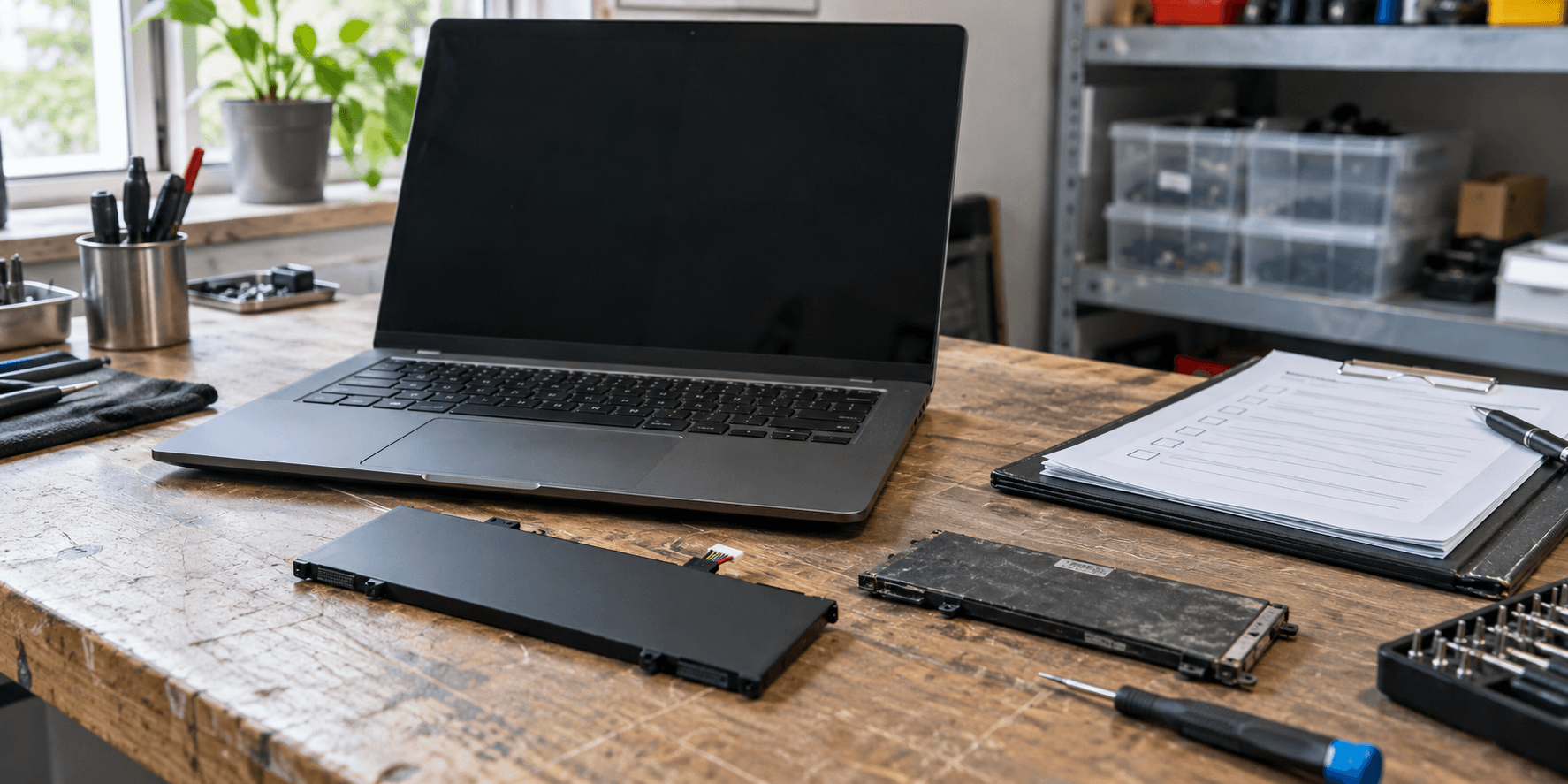
For example, a two-year-old refurbished laptop might be expected to last for another year or two, but a $10 second hand toaster sold as faulty may not carry any practical expectation of longevity, especially if the defect was clearly disclosed prior to the sale.
As a general rule, the older or more heavily used the product, the shorter the period in which a customer could reasonably expect a remedy if something goes wrong. However, outright hidden defects, safety issues, or misleading representations can override this general principle.
What If You Sell Through An Online Marketplace or Third Party?
The consumer law applies regardless of whether you sell directly to customers or through a platform, as long as you are “in trade or commerce” (i.e., selling as part of your business operations).
If you’re reselling privately-not as a business-your obligations are different. But most business sellers (including on Gumtree, eBay, Facebook Marketplace, etc.) are required to comply with the ACL. It's important to make sure your online listings, descriptions, and terms of sale are accurate and don't mislead buyers.
If you operate your own online second hand shop, you should also have clear website terms and conditions and a Privacy Policy if you collect customer data.
What Remedies Are Second Hand Buyers Entitled To?
If something goes wrong with a second hand second hand product covered by consumer guarantees, your customers may be entitled to one of the following remedies:
- Repair – fixing the defect, if practical and reasonable
- Replacement – providing a similar item if a repair is not possible or practical
- Refund – returning the purchase price if the fault is major, or repairs aren’t possible
However, the size and nature of the remedy will depend on the individual facts of each sale, particularly the item’s age, price, any faults disclosed at the time of sale, and whether reasonable consumer expectations have actually been breached.
If you clearly communicated a defect before sale and the price reflected that, the customer might not be entitled to a remedy for that specific issue. But if the product has a hidden or undisclosed fault, or isn’t safe to use, the customer is likely protected.
Does Your Business Need To Offer Warranties On Second Hand Goods?
You are not required to provide additional warranties beyond the consumer guarantees. However, if you do offer any kind of express warranty or in-store guarantee (for example, offering “30-day returns” or “3-month warranty on refurbished items”), you are legally obligated to honour those terms, and they must not offer less protection than the consumer law minimums.
For more on this, see our explainer on warranties in Australian law.
Many second hand second hand sellers choose to offer short-term warranties to encourage buyer confidence, but it’s always best to clearly state what is (and isn’t) covered.
What Should You Disclose To Buyers Of Second Hand Goods?
The key to a smooth second hand sale is transparency. Under the ACL, you need to make sure customers are aware of any limitations, faults, or “as is” conditions before they buy. Failure to disclose a known problem could be considered misleading or deceptive conduct, which has its own set of legal risks.
Some best practices for second hand second hand sales include:
- Honest product descriptions, including all known faults or limitations
- Accurate, recent photographs of the actual item
- Written records of any defects described to the customer (especially for online or distance sales)
- Clarity about whether you offer a return/refund policy, and the process for making a claim
Disclosing this information up front can help limit disputes and set fair expectations.
What Legal Documents Do You Need For A Second Hand Goods Business?
Setting up your second hand business for success means having strong, tailored legal documents. Here’s what you may need:
- Terms and Conditions of Sale: Clearly outline your sales policy, refunds, repairs, and warranties. These need to comply with the ACL.
- Privacy Policy: Required if you collect, store, or use any personal information from online or in-store customers. Read more on Privacy Policies.
- Website Terms and Conditions: If you have a website, these cover use of your site, online purchases, and IP protection. Learn about website terms.
- Supplier Agreements: If you source second hand goods from third parties or do consignment, these agreements set the rules for quality, payment, and risk.
- Employment Contracts & Policies: If you hire staff, make sure you have proper employment contracts and comply with workplace rules. See our guide to legal requirements for employee rostering.
- Returns & Complaints Policy: Make it easy for buyers to understand the returns, repair or complaint process. This should align with consumer law rights.
Having these documents in place helps you manage risks and communicate clearly. Many of these can be adapted to suit your business, but it’s wise to have them reviewed by a legal expert before going live.
Are There Any Other Laws To Consider For Second Hand Goods?
Besides the Australian Consumer Law, there are a few other legal areas second hand businesses should know about:
- Business Registration: Make sure your business is properly registered, with an ABN if required. Consider your structure-sole trader, company or partnership.
- Specific Industry Rules: Some used goods (like vehicles, electrical items, or jewellery) may have extra regulations or registration requirements. Check state and local rules.
- Import/Export Limits: If your second hand goods are sourced from or sold to overseas markets, additional laws may apply.
- Privacy & Data Protection: Collecting customer details for marketing or mailing lists? Ensure compliance with the Australian Privacy Principles.
- Intellectual Property: Selling branded or copyrighted goods? Don’t infringe on IP rights-make sure second hand second hand items aren’t counterfeit or unlawfully replicated.
If you’re unsure, it’s always better to seek advice to make sure you have ticked every box.
Can Second Hand Goods Be Sold “As Is”?
Selling “as is” is common for second hand second hand items, but this term does not remove your obligations under consumer law. You can sell goods with disclosed faults or for parts, but you must not mislead customers or hide material information.
If you clearly document any problems and the customer accepts the item in that condition, remedies may not be required for those specific issues. But if new, undisclosed faults appear, the usual guarantees may still apply.
Tips For Managing Risks When Selling Second Hand Goods
- Be Transparent: List all known faults in advertising and at the point of sale. Provide honest, detailed product descriptions.
- Keep Clear Records: Document communications about defects, conditions of sale, and buyer acknowledgements. This can help in the event of a dispute.
- Set Realistic Expectations: Communicate the limits of what buyers can expect from used goods (e.g. “laptop is 5 years old, battery may not last as long as new”).
- Have Clear Returns Policies: Make returns, complaints, and refund processes visible-online and in-store.
- Ensure Contracts Are Compliant: Make sure your terms and refund policies don’t attempt to exclude ACL rights. Review your templates regularly.
Following these steps can help you avoid costly disputes and foster positive customer relationships.
Alternative Path: Buying Or Selling Second Hand Businesses
Some entrepreneurs consider buying an established second hand shop instead of starting from scratch. If so, remember to conduct legal due diligence: review all business sale agreements, ensure consumer law compliance, and check supplier or franchise contracts. For more on buying and selling businesses, explore our Business Purchase Package.
Key Takeaways
- Consumer guarantees under the ACL apply to most second hand goods sold by businesses in Australia.
- You cannot contract out of these guarantees, even for “as is” or “no refunds” sales-clear disclosure matters.
- Acceptable quality and remedies for second hand goods depend on type, age, price, condition, and whether faults were disclosed.
- Honest advertising, open communication, and transparent returns policies are essential for managing customer expectations and legal compliance.
- Essential legal documents include terms and conditions, a Privacy Policy, website terms, and any supplier or employment contracts.
- Double check other relevant laws for your industry and seek legal advice if you are unsure or want to customise documents for your business.
If you would like a consultation on running a second hand second hand goods business, you can reach us at 1800 730 617 or team@sprintlaw.com.au for a free, no-obligations chat.
Control the transaction before completion
What should the buyer or seller line up?
Deal perimeter, due diligence, liabilities, employee and contract transfers, approvals and completion mechanics need to be resolved as one transaction.
Buying or selling a business guideChoose the deal structure, investigate the target and control completion.Legal due diligenceVerify assets, liabilities, contracts, registrations and disputes.Get a fixed-fee quoteTell us what you need. Our team will review your enquiry and send a clear fixed-fee quote before any work starts.