Alex is Sprintlaw’s co-founder and principal lawyer. Alex previously worked at a top-tier firm as a lawyer specialising in technology and media contracts, and founded a digital agency which he sold in 2015.
Contents
- Is A Pop Up Shop Agreement A Lease Or A Licence?
- Do Retail Lease Laws Apply To A Short Term Retail Licence?
- How Should You Deal With Fitout, Displays And Brand Activations?
- Who Is Responsible For Stock, Theft And Damage?
- What Happens If The Pop Up Is Cancelled Or The Centre Changes The Deal?
- What Documents Should You Have Before You Sign?
- Key Takeaways
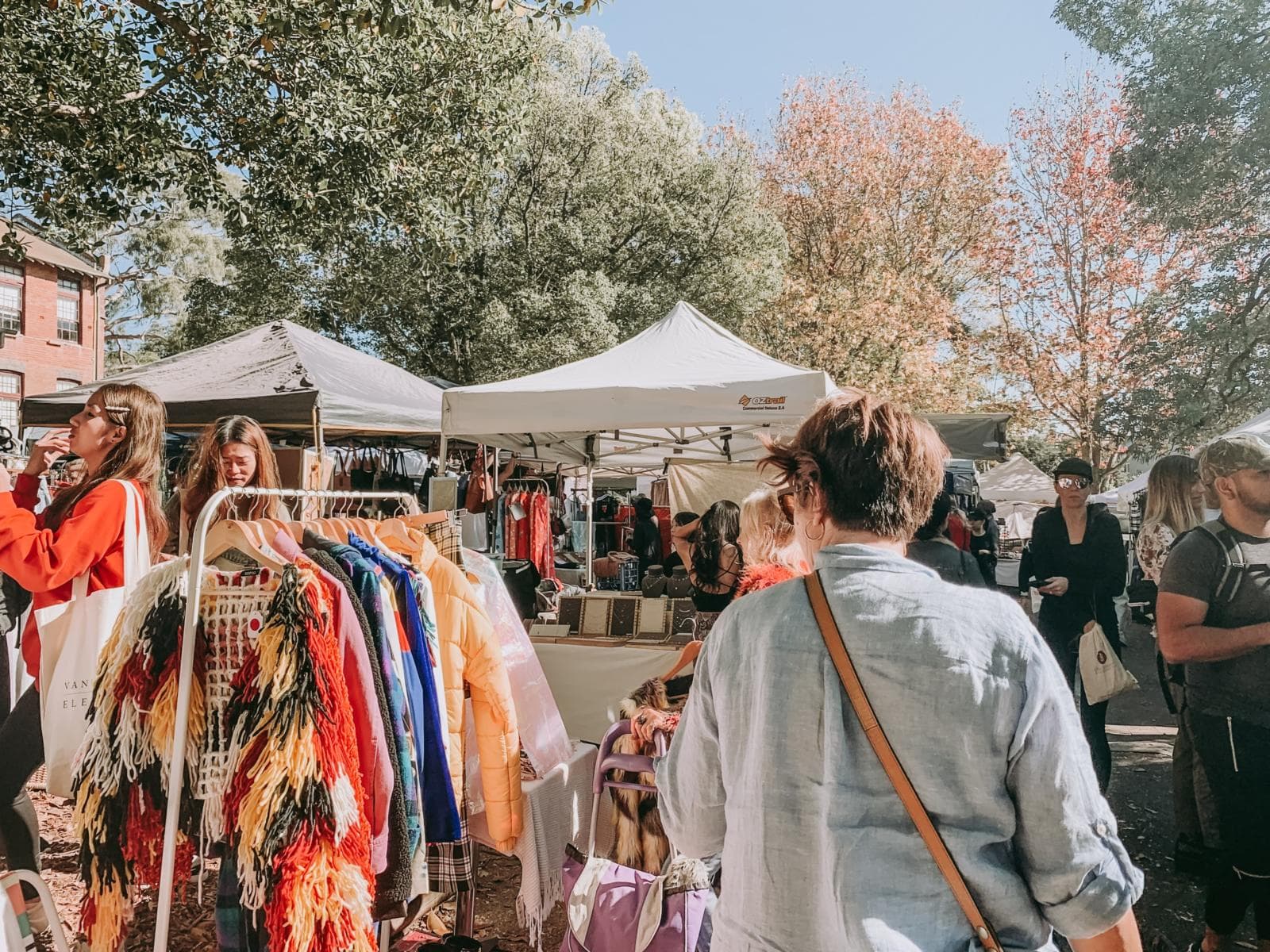
Mia runs a Melbourne fashion label online and has been offered a four-week spot in a busy shopping centre before the summer event season. It sounds perfect: great foot traffic, a chance to test a new collection, and plenty of content for social media.
Then the centre sends through a temporary shop agreement. It says licence agreement at the top, but it also talks about trading hours, fitout approvals, security deposits, insurance, signage, deliveries and termination rights.
If you're trialling a fashion pop up, it's worth slowing down before you sign the temporary retail licence. A pop up shop licence agreement can be a smart, flexible way to sell in person, but the details matter - especially when your stock, displays and brand experience are the whole point.
Is A Pop Up Shop Agreement A Lease Or A Licence?
It depends on what the agreement actually gives you, not just what the document is called.
A lease usually gives you exclusive possession of a defined area for a set term. A licence is usually permission to use a space for a particular purpose, often with more control kept by the owner or centre.
For a fashion pop up, that distinction can matter because it affects your rights if something goes wrong. For example, if the centre moves you from the front entrance to a quiet corridor halfway through your campaign, your options may depend on whether you had rights to a specific premises or only permission to trade somewhere within the centre.
Common signs of a licence include:
- You can only use the space during approved trading hours.
- The owner can relocate you to another area.
- You share amenities, storage, loading docks or display areas.
- The arrangement is short term and tied to a campaign, event or season.
- The owner keeps strong control over signage, fitout and visual merchandising.
Common signs of a lease include:
- You have a clearly defined shop or kiosk area.
- You can exclude others from that space.
- You have a fixed term and fixed rent.
- You take on repair, maintenance and outgoings obligations.
- The arrangement looks and feels like a standard retail tenancy.
The label can still be useful, but it isn't the whole story. If the legal reality looks like a retail lease, retail leasing laws may still apply even if the document calls itself a licence.
Do Retail Lease Laws Apply To A Short Term Retail Licence?
Sometimes, yes. Retail leasing laws in Australia are state and territory based, and some short term arrangements can still be caught depending on the premises, the term and the way the agreement works.
Each state and territory has its own retail leases legislation. For example, New South Wales has the Retail Leases Act 1994, Victoria has the Retail Leases Act 2003 and Queensland has the Retail Shop Leases Act 1994. These laws often deal with things like disclosure, rent, outgoings, security deposits, assignment and dispute processes.
Many retail lease laws were written with longer-term shops in mind, but short term pop ups don't always sit neatly outside them. Some laws include carve-outs for very short arrangements, while others look closely at whether the premises are retail premises and how long you're allowed to occupy them.
This is why a pop up retail lease in Australia can be tricky to classify. A four-week activation in a centre court may be very different from a six-month pop up in a vacant boutique tenancy with exclusive possession.
Before signing, check:
- Which state or territory the premises are in.
- Whether the space is in a shopping centre or retail precinct.
- How long the arrangement lasts, including options or extensions.
- Whether you have exclusive use of a defined area.
- Whether the owner has given you any retail lease disclosure documents.
- Whether you're being asked to pay outgoings, centre marketing levies or other charges.
If the agreement is caught by retail leasing laws, the owner may have extra obligations and you may have extra protections. If you're unsure, get the agreement checked before you commit money to stock, fitout and staff rosters.
What Terms Should You Negotiate In A Pop Up Shop Licence Agreement?
You should negotiate the terms that affect your ability to trade, protect your stock and deliver the brand experience you're paying for.
Fashion pop ups are different from many other temporary shops. You're not just placing products on a shelf. You may be styling mannequins, building change room areas, running influencer events, collecting customer data and using the store as a launch moment.
The Space And Location
Make sure the agreement clearly describes the space. If you're paying for a premium site, you don't want wording that lets the owner move you anywhere it likes.
Look for terms covering:
- The exact location, including a plan if possible.
- The size of the space and any limits on display height.
- Whether the owner can relocate you, and when.
- Whether you can use nearby walls, windows, mirrors or shared areas.
- Access to power, lighting, Wi-Fi and point-of-sale connectivity.
Term, Extensions And Exit Rights
Your agreement should state your bump-in date, trading period, bump-out date and any extension rights. If your campaign depends on a product launch, fashion week event, Christmas trade or an agreement for lease, dates aren't a minor detail.
Try to avoid vague wording like subject to centre approval without any process or timing. If you want the option to extend, ask for a clear process and deadline for confirming it.
Fees, Deposit And Other Costs
Check whether you're paying a fixed fee, turnover rent, a commission, or a mix. Turnover rent can be workable, but you need to know exactly how sales are calculated.
Ask whether the fee includes:
- Electricity, water and cleaning.
- Security, after-hours access and loading dock use.
- Centre marketing or promotional charges.
- Waste removal and packaging disposal.
- Insurance administration fees.
- Merchant facilities or POS costs, if supplied by the centre.
If you're paying a security deposit, the agreement should say when it will be returned and what can be deducted. Without clear wording, you may struggle to challenge deductions for cleaning, damage or alleged breaches after you've packed up.
What Fashion Pop Up Legal Requirements Should You Check?
You should check your retail, consumer law, employment, privacy and product compliance obligations before you open the doors.
For most fashion pop ups, you won't need a special fashion retail licence just to sell clothing. But you may still need approvals under your temporary shop agreement, centre rules, local council requirements or product-specific laws.
Australian Consumer Law
The Australian Consumer Law applies to your fashion pop up just like it applies to your online store. Your refund signs, product descriptions and staff scripts need to line up with the consumer guarantees.
For example, you can't tell customers there are no refunds in all circumstances. You can set sensible change-of-mind rules, but customers still have rights if an item is faulty, not as described or not fit for purpose.
You should also check your marketing claims. If you describe garments as organic cotton, Australian made, limited edition, sustainable or ethically produced, make sure you can back those claims up. The Australian Competition and Consumer Commission has been active on misleading environmental claims, including greenwashing.
Product Safety And Labelling
Clothing and accessories can attract specific safety and labelling rules. For example, you may need to consider care labelling requirements, country of origin claims, children's sleepwear safety rules, sunglasses standards, jewellery safety issues or cosmetics rules if you're selling beauty products alongside apparel.
If you import stock, don't assume your overseas supplier has handled Australian compliance. Your business is the one facing the customer, so you need confidence that your products can legally be sold here.
Employment And Rostering
If you're hiring casual retail staff for the pop up, check the Fair Work Act 2009 and the relevant award, commonly the General Retail Industry Award 2020. Pay rates, penalty rates, breaks and casual loading can be especially relevant when you're trading late nights, weekends or public holidays.
Your agreement with the centre may require you to trade certain hours. Make sure your staffing budget reflects that, not just the base licence fee.
Privacy, Email And SMS Marketing
Pop ups are great for building a customer list, but you need to handle sign-ups properly. The Privacy Act 1988 applies to many businesses, including businesses with annual turnover over $3 million and some smaller businesses that handle certain types of personal information.
Even if the Privacy Act doesn't apply to your business yet, clear privacy practices help build trust. If you're sending marketing emails or SMS messages, the Spam Act 2003 requires consent, sender identification and an unsubscribe function.
How Should You Deal With Fitout, Displays And Brand Activations?
You should get written approval rights for anything that affects your fitout, displays, signage, events and brand presentation.
For a fashion retailer, the physical store is part of the product. Lighting, mirrors, racks, flooring, scent, sound, change rooms and front-facing displays can make or break the pop up.
Your temporary shop agreement should cover:
- What fitout you can install and who approves it, including any fit out agreement.
- Whether you need plans, specifications or safety certificates.
- Who pays for installation, removal and repairs.
- Whether you can use mannequins, plinths, clothing racks and mirrors.
- Whether you can build or screen off change rooms.
- Rules for window decals, hanging signage, banners and digital screens.
- Restrictions on music, scents, lighting, photography or filming.
If you're planning a launch night, influencer event or personal styling activation, don't leave it to a casual email chain. Ask for the agreement or written approval to cover event dates, guest numbers, alcohol, catering, security, photography, social media tags and after-hours access.
Music is another easy one to miss. If you're playing music in the store or at an event, you may need the right music licence. The centre may have a licence that covers some common areas, but don't assume it covers your specific use.
Who Is Responsible For Stock, Theft And Damage?
Your agreement should clearly say who is responsible for stock loss, theft, damage, security and insurance.
Fashion pop ups often carry high-value stock in a small footprint. That creates practical risks: shoplifting, water damage, fitting room loss, broken fixtures, delivery issues and after-hours access by cleaners or centre staff.
Check whether the owner is responsible for any security at all. Many agreements say the owner provides general centre security but isn't liable for your stock, even if theft happens outside trading hours.
Look closely at clauses dealing with:
- Risk in your stock and when it passes to you or stays with you.
- Storage areas and who can access them.
- Delivery windows, loading dock bookings and courier access.
- After-hours security, alarms and CCTV.
- Damage to your fixtures, displays and signage.
- Damage you cause to the premises or common areas.
- Insurance requirements, including public liability, product liability and contents cover.
Public liability insurance limits are often set by the centre or owner. Product liability cover may also be relevant if a garment, accessory or product causes harm. If you have staff, you also need to make sure your workers compensation arrangements are in place under the rules for your state or territory.
Say you run a resortwear label and a burst pipe damages your stock overnight. If the agreement says the owner isn't liable for loss of stock and you don't have contents cover for temporary retail locations, you may wear the loss yourself. A few lines in the agreement can make a very real difference.
What Happens If The Pop Up Is Cancelled Or The Centre Changes The Deal?
You should have clear cancellation, relocation and refund rights because pop ups depend heavily on timing and location.
Short term arrangements can feel informal, but a last-minute change can still be expensive. You may have paid for stock, staff, visual merchandising, freight, launch content, influencers and paid ads.
Watch for terms that let the owner cancel or relocate you on very short notice without giving you a refund or alternative site. Sometimes this may be reasonable if there's an emergency, safety issue or major centre event. But it shouldn't leave you carrying all the cost for a decision outside your control.
Try to negotiate wording that deals with:
- What happens if the owner cancels before bump-in.
- What happens if the owner relocates you to a lower traffic area, including any rent abatement.
- Whether you get a refund, fee reduction or replacement dates.
- What happens if the centre closes due to damage, power failure or government direction.
- Whether either side can terminate for breach, and how much time there's to fix the breach.
- What happens to your deposit after early termination.
Also check your own exit rights. If your stock is delayed or the activation no longer makes commercial sense, you may want a right to cancel by a certain date, even if you lose a reasonable booking fee.
What Documents Should You Have Before You Sign?
You should have the pop up agreement, approvals and business documents ready before you commit to the site.
At a minimum, you should review or prepare:
- Pop Up Shop Licence Agreement: The main document setting out your right to use the space, fees, term, insurance, fitout and exit rights.
- Site Plan Or Floor Plan: A plan showing the exact area, display limits and any shared spaces.
- Fitout And Signage Approval: Written approval for racks, mirrors, change rooms, decals, lighting and any installation work.
- Insurance Certificates: Evidence of public liability, product liability, contents cover and workers compensation where relevant.
- Staff Contracts And Rosters: Employment documents and rosters that match your trading hours and award obligations.
- Refund And Exchange Policy: A customer-facing policy that works with the Australian Consumer Law.
- Privacy Collection Notice: A short notice for email, SMS or loyalty sign-ups at the pop up.
- Brand And IP Permissions: Permissions if you're using third-party artwork, music, collaborations, logos or influencer content.
Templates can be a helpful starting point, but pop ups often have details that templates miss. Your best protection is a document that reflects the actual space, the actual campaign and how your fashion business trades.
Key Takeaways
- A pop up shop licence agreement may be a licence, a lease, or something that attracts retail leasing rules depending on how it works.
- For fashion retailers, location, fitout, signage, displays, change rooms and brand activations should be dealt with clearly in writing.
- Check all costs, including deposits, outgoings, utilities, security, cleaning, marketing charges and turnover-based fees.
- Your legal requirements may include Australian Consumer Law, product safety and labelling rules, Fair Work obligations, privacy and marketing laws.
- Make sure responsibility for stock, theft, damage, insurance, cancellation and relocation is clear before you spend on stock and promotion.
If you'd like help with your pop up shop agreement, retail lease risks, fitout approvals or customer-facing policies, you can reach us at 1800 730 617 or team@sprintlaw.com.au for a free, no-obligations chat.
Protect the asset behind the name or work
What should you clear, own or register?
Searches, ownership chains, assignments, licences and registrations solve different risks. Start by identifying the asset and how the business uses it.

Alex SoloCo-Founder