Alex is Sprintlaw’s co-founder and principal lawyer. Alex previously worked at a top-tier firm as a lawyer specialising in technology and media contracts, and founded a digital agency which he sold in 2015.
Contents
- What Is Changing To Card Surcharges From 1 October 2026?
- Can You Call It A Processing Fee Or Service Fee Instead?
- What Happens To Merchant And Card Processing Fees?
- What If Your EFTPOS Terminal Or Checkout Adds The Surcharge Automatically?
- Do The Changes Apply To Business-To-Business Payments?
- What Other Fees And Surcharges Can Businesses Still Charge?
- Do Your Terms And Conditions Need To Change?
- What Should Businesses Do Before 1 October 2026?
- Key Takeaways
Adding a small surcharge when a customer pays by card has become a normal part of doing business in Australia.
For some businesses, it helps recover the cost of accepting card payments. For customers, it might mean an extra 1% or 2% appearing when they tap their card or reach the online checkout.
However, from 1 October 2026, this is changing.
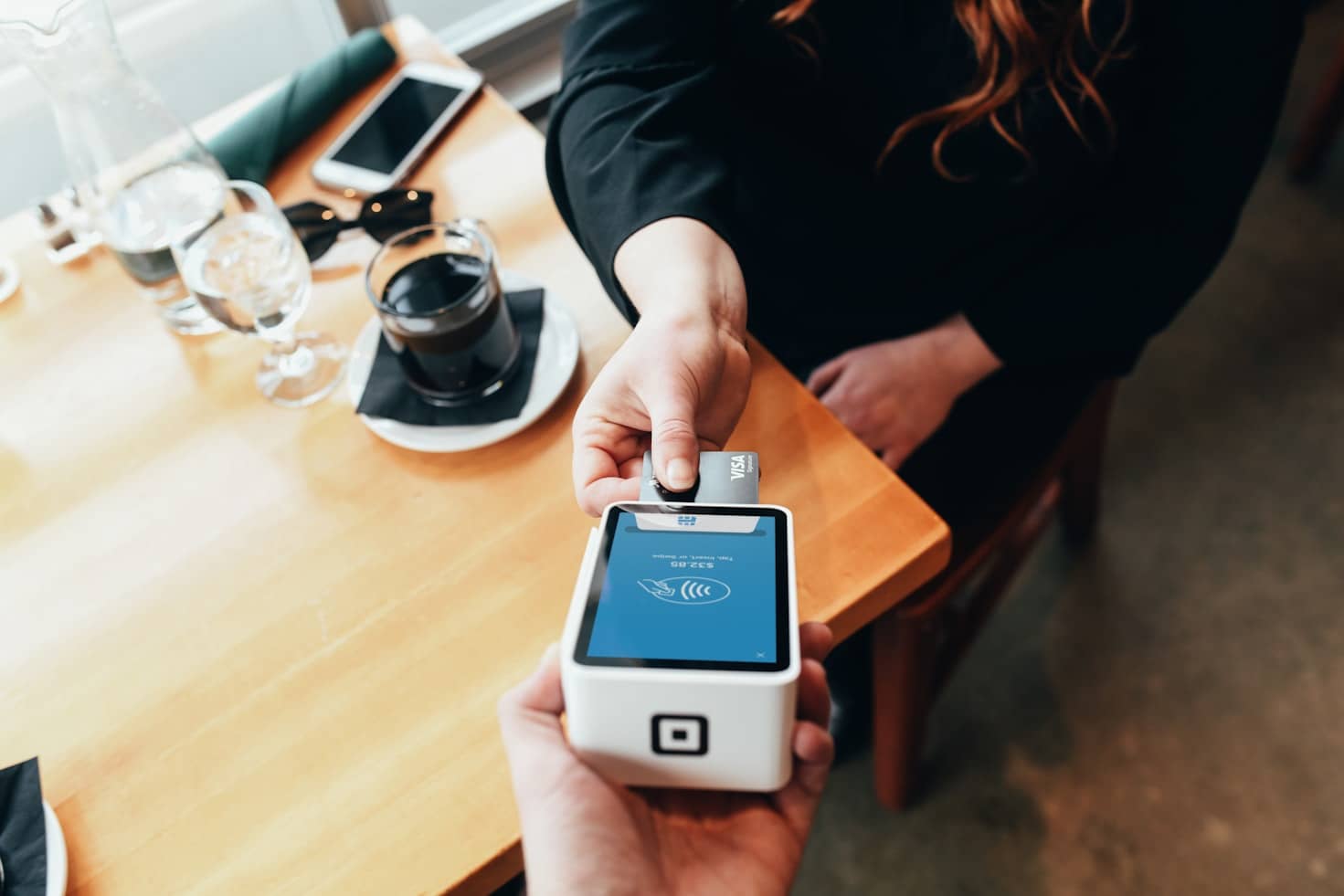
From 1 October 2026, businesses will generally no longer be able to add separate surcharges to affected eftpos, Mastercard, Visa and American Express card payments.
If your business currently charges card surcharges, it is worth getting ahead of the change. You may need to update your payment systems, pricing, customer-facing information and even the payment clauses in your Business Terms & Conditions.
What Is Changing To Card Surcharges From 1 October 2026?
The Reserve Bank of Australia (RBA) reviewed Australia's retail payments system and concluded that the existing approach to card surcharging was no longer working as intended.
Card surcharging was designed partly to make the different costs of payment methods more visible and encourage customers to use cheaper ways to pay.
However, the way Australians pay has changed. Card payments have become increasingly common, while blended payment plans can also make the cost difference between particular card types less clear. The RBA concluded that surcharges had become increasingly difficult for consumers to avoid and that the existing framework was no longer producing the benefits originally intended.
As part of its reforms, the RBA changed its standards so the designated eftpos, Mastercard and Visa networks could introduce rules preventing merchants from adding card surcharges.
Those networks have each decided to introduce “no-surcharge” rules from 1 October 2026. American Express is not formally regulated by the RBA in the same way, but it has also independently decided to remove surcharging from 1 October.
For businesses, the practical result is straightforward: from 1 October, you generally will not be able to add an extra charge simply because a customer uses one of the affected cards.
The new requirements will operate through the card networks' rules and merchant contracts, rather than through a new ACCC surcharge ban. Card networks and payment service providers will be responsible for enforcing the no-surcharge rules, while the ACCC will continue to enforce Australian Consumer Law requirements around matters such as misleading pricing.
Can Businesses Still Charge A Card Surcharge Before 1 October?
Yes.
Until 30 September 2026, businesses need to continue following the existing card surcharge rules.
Under Part IVC of the Competition and Consumer Act 2010, businesses cannot impose an excessive payment surcharge for payment methods covered by the existing framework.
For eftpos, Mastercard and Visa payments, this generally means a surcharge must not be more than what it costs the business to accept that particular payment type. The surcharge can also only include costs connected with accepting that payment type.
For example, if accepting a particular card costs your business 1% of the transaction, you generally cannot charge customers a 2% surcharge simply to create an additional margin.
There is an important distinction for American Express. The current statutory ban on excessive payment surcharges does not apply to American Express in the same way it applies to eftpos, Mastercard and Visa. Other contractual, pricing and consumer law requirements may still be relevant, and American Express will move to its own no-surcharge arrangements from 1 October 2026.
Businesses also need to think about how surcharge pricing is displayed.
If there is no way for a customer to pay without attracting a surcharge, the minimum unavoidable surcharge generally needs to be included in the displayed price.
For example, imagine a cashless café advertises a coffee for $5 but applies at least a 1% surcharge to every available payment method. If there is no way for a customer to actually buy the coffee for $5, the minimum unavoidable surcharge needs to be reflected in the displayed price.
These existing rules remain relevant until the new arrangements begin on 1 October.
What About Invoices Issued Before 1 October 2026?
The transition is particularly relevant for businesses that invoice customers and give them several weeks to pay.
For example, you might issue an invoice on 20 September that includes or contemplates a card surcharge, but the customer does not make the payment until October.
In that situation, businesses should not assume the invoice date preserves their ability to apply the surcharge.
The RBA has said that if a card payment is made on or after 1 October 2026, surcharging may no longer be available even if the invoice itself was issued earlier. Some payment providers have also indicated they may disable surcharge functionality from that date.
If your business has invoices that could cross the 1 October deadline, it is worth checking how your payment provider will handle them and whether your invoices or payment instructions need to be updated.
Can You Call It A Processing Fee Or Service Fee Instead?
Simply changing the name of a card surcharge does not necessarily change what it is.
Businesses can still charge genuine fees that are separate from how a customer pays. This might include a booking fee, service fee or delivery charge.
However, renaming a card surcharge as a “processing fee”, “handling fee” or “service fee” will not get around the rules if the fee is still being imposed because the customer chose a particular card.
Take a $3 booking fee as an example.
If every customer pays the $3 fee regardless of whether they pay by card, cash or another available method, it may genuinely be a booking fee.
If the $3 “booking fee” only appears once the customer selects Visa at checkout, the position looks very different.
The ACCC has specifically warned businesses not to try to avoid the new no-surcharge rules by describing a card payment surcharge as another type of fee or charge. Doing so may also amount to misleading conduct.
The important question is therefore not simply what you call the fee, but why the customer is being charged it.
What Happens To Merchant And Card Processing Fees?
The costs associated with accepting card payments are not disappearing.
Businesses may continue to pay their bank or payment provider for payment processing, terminals and other card acceptance services.
What changes is how those costs can be recovered.
For the affected card payments, businesses will generally need to account for these costs through their overall pricing rather than adding them as a separate surcharge at the point of payment.
For example, a business could review its overall prices to take its card-processing expenses into account, just as it considers rent, wages, utilities and other operating costs.
Businesses are generally free to set and change their own prices. However, they still need to comply with Australian Consumer Law and should not mislead customers about their prices or the reason for a price increase.
It is also worth remembering that removing surcharges is only one part of the RBA's broader payments reforms. Changes to interchange fee caps and greater transparency around payment costs are also intended to reduce some costs within the payments system.
That does not mean every business will experience the same impact.
For cafés, hospitality businesses, retailers, online stores and other businesses processing a large volume of relatively small transactions, even small payment costs can add up. If your business currently relies on surcharges to recover those costs, reviewing your pricing before October is a sensible step.
What If Your EFTPOS Terminal Or Checkout Adds The Surcharge Automatically?
For many businesses, the surcharge is not manually added to every transaction.
It may already be built into an EFTPOS terminal, online checkout, payment gateway or invoicing platform.
Businesses should check with their payment provider about what will happen from 1 October rather than assuming every payment channel will update itself automatically.
The ACCC has specifically recommended that businesses start preparing by reviewing their pricing, updating customer-facing materials and speaking with their payment service provider about changes required to terminals or payment systems.
For example, a business might successfully disable the surcharge on its EFTPOS terminal but still have a website footer, menu or sign stating that a 1.5% card surcharge applies.
That information would also need to be updated.
Do The Changes Apply To Business-To-Business Payments?
Yes, potentially.
Businesses should not assume the new arrangements only apply when an individual consumer is making a purchase.
The RBA has confirmed that card payments between businesses are not automatically exempt from the removal of surcharging.
An exemption could apply if the relevant card network's rules provide for one, or if an exemption is created by law or regulation. However, there is no general B2B exemption simply because the person paying an invoice is another business.
If your business regularly accepts card payments from corporate customers or other businesses, check how the relevant card network and your payment provider will apply the rules to those transactions.
What Other Fees And Surcharges Can Businesses Still Charge?
The removal of these card surcharges does not mean that every surcharge or additional fee becomes prohibited from 1 October.
Genuine service fees, booking fees and delivery charges can still be charged. Weekend and public holiday surcharges in the hospitality industry are also separate from the card surcharge changes.
Different rules may also apply to payment methods outside the affected card networks. For example, the RBA does not currently regulate surcharges on non-card payment methods in the same way.
Businesses can also continue to offer discounts for particular payment methods, such as cash or PayID.
However, those discounts need to be clearly communicated. When displaying prices to consumers, the displayed price should be the full price payable if the customer does not receive the discount.
So, the takeaway is not that “surcharges are banned”.
The change is specifically about card surcharges applied because a customer pays using the affected eftpos, Mastercard, Visa or American Express card networks.
Do Your Terms And Conditions Need To Change?
Changing your payment settings may only be part of the job.
If your Business Terms & Conditions currently say that customers will be charged a card surcharge, merchant fee or credit card processing fee, that wording should also be reviewed.
For example, your terms might currently state:
“Credit card payments incur a 1.5% processing fee.”
Or:
“Any merchant fees incurred by the business will be passed on to the customer.”
From 1 October, those clauses may no longer accurately reflect what your business is permitted to charge for affected card payments.
That does not necessarily mean you need an entirely new contract. However, your Business Terms & Conditions should accurately describe how customers are charged and should not suggest that the business has a right to impose a card surcharge where the relevant network no longer permits one.
For businesses selling online, it may also be worth checking your Online Shop Terms and Conditions, particularly where the terms deal with payment methods, additional charges, refunds and checkout pricing.
Getting these clauses right also helps ensure that what your contract says matches what customers actually see when they make a payment.
What Should Businesses Do Before 1 October 2026?
If your business currently applies card surcharges, there is no need to wait until the new rules take effect to work out what needs to change.
Before 1 October, consider:
- Checking which card types and payment channels your business currently surcharges
- Speaking with your payment service provider about how its systems will change
- Reviewing EFTPOS terminals, online checkouts, payment links and invoicing software
- Removing or updating surcharge notices on menus, signs, websites, apps and price lists
- Reviewing your overall pricing if card surcharges currently recover a meaningful part of your payment-processing costs
- Updating Business Terms & Conditions, customer contracts and invoice wording that refer to card-processing or merchant fees
- Checking invoices issued before October that may not actually be paid until after the new arrangements begin.
The ACCC is already encouraging businesses to prepare for the change now rather than waiting until October.
Key Takeaways
From 1 October 2026, businesses will generally no longer be able to separately surcharge customers paying with affected eftpos, Mastercard, Visa and American Express cards.
Businesses will still incur costs when accepting card payments. However, those costs will generally need to be dealt with through the business's broader pricing rather than being added as a separate card surcharge.
Businesses should also avoid assuming they can simply rename an existing surcharge. Genuine booking, service and other fees can still exist, but the substance of the charge matters more than the label attached to it.
If your business currently charges card surcharges, now is a good time to review your payment systems, customer-facing pricing and Business Terms & Conditions so they are ready for 1 October 2026. Need help? You can reach us at 1800 730 617 or team@sprintlaw.com.au for a free, no-obligations chat.

Alex SoloCo-Founder