
Alex is Sprintlaw's co-founder and principal lawyer. Alex previously worked at a top-tier firm as a lawyer specialising in technology and media contracts, and founded a digital agency which he sold in 2015.
Contents
If you run a café, a retail store, a trades business, or an online shop, you’ve probably had someone ask: Do you have to accept cash?
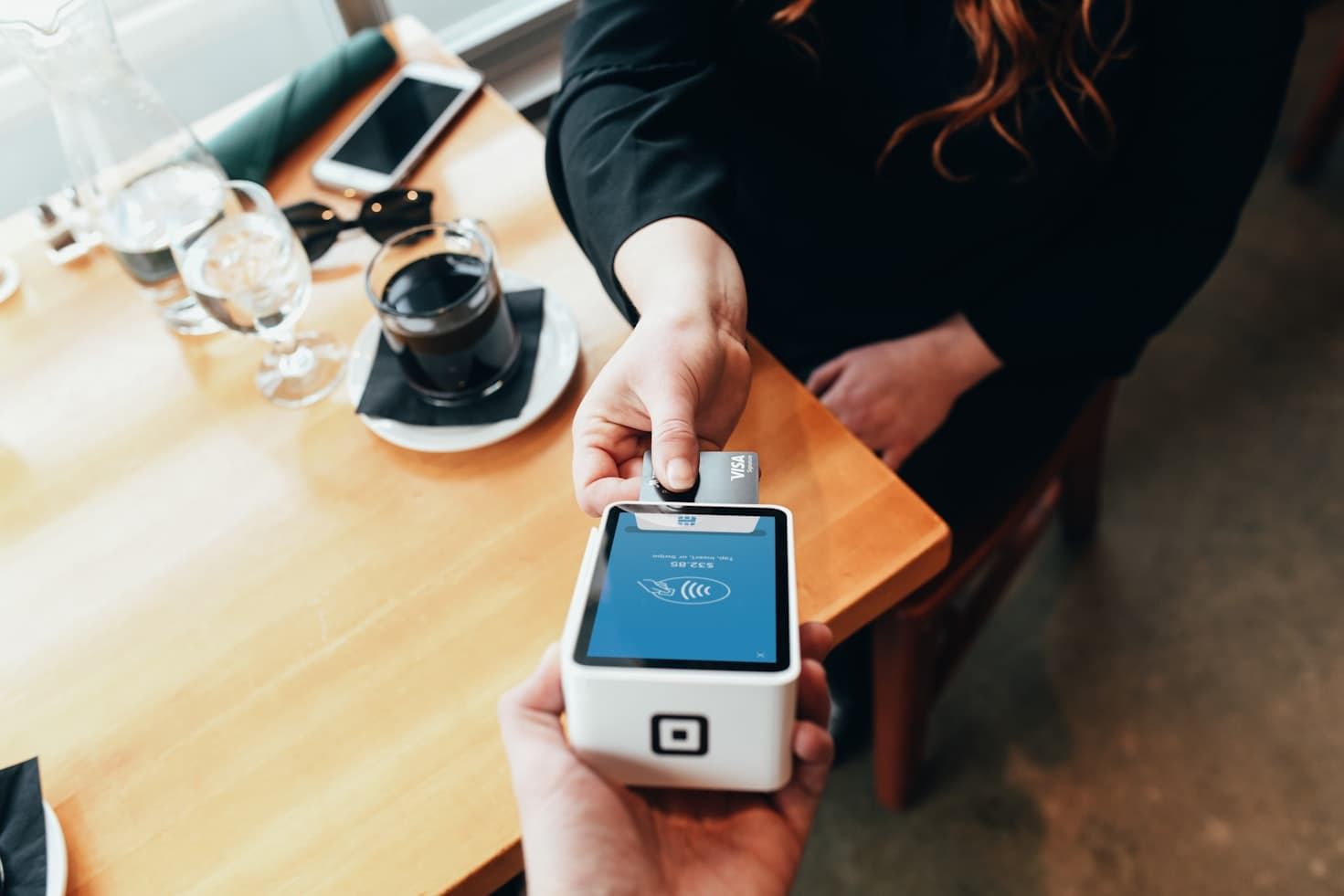
Cashless payments are fast, convenient, and can reduce the security risks that come with handling and storing cash. But cash is still widely used in Australia, and many customers assume it’s a legal requirement that businesses take it.
The reality is more nuanced. In many situations, Australian businesses can choose which payment methods they accept - but how you set those rules (and when you communicate them) matters, particularly under the Australian Consumer Law (ACL).
Below we break down the key legal considerations for small businesses, including what “legal tender” really means, when you can say “card only”, and how consumer law and clear signage can reduce your risk.
Do You Have To Accept Cash In Australia?
For most Australian small businesses, you usually don’t have to accept cash, as long as you clearly set the payment terms before the customer commits to the transaction.
In day-to-day retail and hospitality, it’s generally lawful to have a “card only” policy. The key legal issue usually isn’t whether cash is “allowed” - it’s whether you’ve been clear and fair with customers about what payment methods you accept at the time they decide to purchase.
There are situations where refusing cash can create complications (for example, where a customer says they are trying to pay an amount already owing). But for the typical “pay at the counter” transaction, you can usually choose your accepted payment methods.
If you’re not sure whether your setup creates a straightforward “pay now” transaction or a “pay later” debt scenario (for example, if customers receive goods/services before payment is taken), it’s worth getting advice early - the practical details of how your business takes orders, invoices, and payments can change the legal analysis.
What Does “Legal Tender” Actually Mean For Your Business?
A lot of confusion comes from the phrase “cash is legal tender”.
In Australia, “legal tender” is a concept under the Currency Act 1965 (Cth) and is mainly about the use of cash to pay money that is due. It does not automatically mean every business must accept cash for every purchase, in every circumstance.
It’s also important to know that there are limits on how much can be paid using coins (depending on the denomination), and parties can often agree on particular payment methods in their contract - which can affect what counts as a valid payment attempt in a real-world dispute.
Think of it this way:
- Before a sale is agreed: you can generally set the trading terms (including payment method), and the customer can decide whether to proceed.
- After an amount is due: the situation can be more complicated, especially if the customer has already received goods/services and is now paying after the fact, or if your contract/invoice sets specific payment requirements.
Many small businesses operate in a “pay at the point of sale” model. In that scenario, your payment policy is usually just one of your trading terms. But where customers receive services first and pay later (common for trades, agencies, and professional services), the payment method can become more closely tied to how payment obligations are handled - particularly if there’s a dispute about whether payment has been properly made or refused.
This is one reason why having clear written terms can help. For service-based businesses, your Service Agreement can spell out things like when payment is due, how invoices must be paid, and what happens if a customer tries to pay in a way you don’t accept.
When Can You Refuse Cash (And How Do You Do It Safely)?
If you want to run a card-only or cashless business, the safest approach is to treat it like any other important customer-facing term: make it obvious upfront, and keep it consistent.
1) Tell Customers Before They Order Or Commit
The biggest risk is usually not “refusing cash” by itself - it’s refusing cash after the customer reasonably thought cash would be accepted.
For example, if a customer orders, eats, and then at the register you announce “card only”, that can create avoidable disputes. They may argue they weren’t given a fair chance to accept your payment terms before committing.
Good practice is to disclose your payment methods at multiple points, such as:
- signage at the entrance and at the counter
- website ordering pages and checkout screens
- booking confirmations
- quotes and invoices (for service businesses)
2) Avoid “Surprise” Payment Policies In Your Customer Journey
Payment terms should match the way customers actually experience your business.
If you take bookings by phone, tell customers the payment options during the booking call. If you accept walk-ins, make signage prominent before the customer orders.
This is also where your website documents matter, especially if you sell online. Your Website Terms and Conditions can help set the rules around ordering, payments, cancellations, and disputes.
3) Be Careful With Deposits, Cancellation Fees, And “No Refund” Statements
Cashless policies often come with other policies - like non-refundable deposits, cancellation fees, or admin charges.
Those can be legitimate, but they need to be handled carefully under the Australian Consumer Law (ACL). In some cases, terms may be challenged if they’re unclear, not properly disclosed, or unfair (including under unfair contract term rules that can apply to standard form consumer and small business contracts).
If you charge cancellation fees, you should make sure your terms are drafted and presented properly. It’s worth reviewing your approach against common compliance issues around cancellation fees, especially if customers pay deposits or pre-pay online.
How Consumer Law Affects Your Payment Policy
Even if you’re allowed to set “card only” rules, you still need to comply with the ACL.
The ACL applies to most businesses that supply goods or services to consumers in Australia. It covers things like misleading conduct, refunds, and how you communicate key terms to customers.
Misleading Or Deceptive Conduct Risks
If a customer reasonably believes cash will be accepted (because of your advertising, industry norms, signage, or what staff said), and then you refuse it without warning, you may open yourself up to complaints that the business misled them.
To reduce risk, keep your communication clear and consistent. In practice, this is often as simple as clear signage and accurate staff scripts.
Pricing And Surcharges (Card Fees)
If you don’t accept cash, many customers will pay by card - and some businesses apply a surcharge for card payments.
Surcharges are common, but you should ensure you’re transparent about them. If your menus or pricing display doesn’t clearly disclose a surcharge (or if the surcharge is presented in a confusing way), you risk frustrating customers and potentially creating compliance issues around pricing representations.
If you want to simplify this, some businesses choose “no surcharge” pricing (and build costs into the displayed price), while others apply a disclosed surcharge. Either way, the key is that the customer shouldn’t be surprised at the point of payment.
Accessibility And Practical Fairness
There’s also a practical reputational issue: some customers rely on cash for budgeting, accessibility, or personal preference.
While reputational issues aren’t the same as legal obligations, they can still lead to complaints, negative reviews, and disputes at the counter.
If your business chooses to go cashless, it’s often worth considering alternatives like:
- accepting debit cards with no surcharge
- offering an online invoice option (for regular customers)
- clear messaging explaining why you’re cashless (safety, speed, hygiene)
Common Scenarios For Small Businesses (And What To Watch Out For)
Whether you have to accept cash can feel different depending on your industry. Here are some common situations we see.
Retail Stores And Cafés (“Pay At The Counter”)
If you run a typical point-of-sale business, you can usually decide not to accept cash, provided customers know before they buy.
Make your signage clear and put it where customers will actually see it (not hidden behind the EFTPOS machine).
Trades And Service Businesses (Invoices, Progress Payments, Call-Out Fees)
If you invoice customers after work is performed, you are usually dealing with an amount that has already become payable. That doesn’t automatically mean you must accept cash, but it does mean you should be extra careful about defining accepted payment methods in writing, and ensuring your invoices and terms are consistent.
This is a good place to tighten up your customer-facing contracts and processes, including clear payment clauses and what happens if payment isn’t made on time. If you send quotes, you should also make sure your quote terms are consistent with your invoicing terms. (If you’ve ever wondered whether a quote can form part of a binding arrangement, it’s worth thinking through the basics of quotations and acceptance.)
Online Businesses
Online businesses are often cashless by default, but you still need to ensure customers understand:
- what payment methods are accepted
- when they’re charged
- how refunds and returns work
- how you handle customer data
If your online store collects personal information (such as names, emails, delivery addresses, or payment details), you may need a compliant Privacy Policy.
Markets, Events, And Mobile Businesses
For pop-ups and mobile businesses, cash handling can be inconvenient - but internet outages and EFTPOS dropouts are also common.
If you choose to be cashless, it can be worth having a contingency plan, such as:
- offline payment options (like QR code bank transfer)
- a clear “cash not accepted” sign
- a backup device or hotspot
This is less about strict legal requirements and more about preventing disputes and lost sales.
How To Set Up Your Payment Rules In Your Business Documents
If you want fewer disputes about cash (and fewer awkward conversations at the counter), your best protection is a mix of:
- clear customer communication (signage, website, verbal scripts)
- consistent processes (so staff don’t make exceptions that confuse customers)
- proper written terms (so you can rely on them if a dispute escalates)
Depending on your business model, the documents that commonly support payment rules include:
- Customer Terms (online or offline): covering payment methods, when payment is due, refunds, chargebacks, and cancellations.
- Service Agreement: particularly important if you invoice after work is done, charge progress payments, or take deposits.
- Website Terms and Conditions: helpful for ecommerce businesses to set payment steps and manage customer expectations.
- Privacy Policy: important if you collect and store personal information through your website, online forms, or marketing lists.
If you employ staff, it can also help to have a simple internal procedure for how staff should respond if a customer insists you must accept cash, and what to do if a customer can’t pay by your accepted methods.
Key Takeaways
- Do you have to accept cash? In most everyday retail situations, you generally don’t have to accept cash, as long as customers are clearly told your payment methods upfront.
- “Legal tender” doesn’t automatically mean “must accept cash for every sale”. It’s a specific concept under Australian law and doesn’t override clear, upfront trading terms in many point-of-sale transactions. Limits can also apply (for example, when paying with coins).
- Clear communication is your best protection. Prominent signage, accurate checkout flows, and consistent staff messaging help prevent disputes.
- Australian Consumer Law still applies. Avoid surprise policies, unclear surcharges, or statements that could be misleading to customers.
- Written terms reduce risk. The right customer terms, website terms, and service agreements can help you enforce your payment rules more confidently.
If you’d like a consultation on setting up payment terms and customer contracts for your business, you can reach us at 1800 730 617 or team@sprintlaw.com.au for a free, no-obligations chat.