Alex is Sprintlaw’s co-founder and principal lawyer. Alex previously worked at a top-tier firm as a lawyer specialising in technology and media contracts, and founded a digital agency which he sold in 2015.
Are your Black Friday sales claims safe to publish, or could a phrase like storewide or limited time get your business into trouble?
The reassuring answer is that most campaigns can be cleaned up with a careful review before they go live. Ahead of the peak November sales events, the ACCC warned businesses against misleading storewide and limited time Black Friday sales claims, with a particular focus on discount wording, exclusions and pricing displays.
If you're running Black Friday, Cyber Monday or end-of-year promotions, now is the time to check the words, timers, banners and checkout pages that customers will actually see.
Contents
What Has Changed With Black Friday Sales Claims?
The ACCC has put retailers on notice that Black Friday sales claims need to match the real deal being offered.
For your campaign review, start with the Australian Consumer Law, which is Schedule 2 to the Competition and Consumer Act 2010. Section 18 of the Australian Consumer Law prohibits misleading or deceptive conduct in trade or commerce, and section 29 prohibits false or misleading representations about goods or services, including representations about price.
The practical change is the ACCC's public warning ahead of the November sales period. The warning is especially relevant when you review advertising claims like:
- storewide, where exclusions apply but aren't made clear
- limited time, where the promotion is extended or repeated in a way that undermines the urgency
- was/now pricing, where the earlier price wasn't a genuine recent selling price
- up to discounts, where only a small number of products receive the headline discount
- countdown timers that don't reflect a real deadline
The ACCC's guidance on false or misleading claims says businesses must make sure the overall impression of their advertising is accurate, not just that each individual word can be technically defended. That matters because a customer often sees the headline banner first and may never read the fine print closely.
For your business, the practical point is simple: don't treat Black Friday copy as just a marketing issue. Treat it as an advertising claims review of the promise you're making to customers.
When Does The ACCC Warning Start To Matter?
It matters now, before your campaign goes live and while your ads, product pages and emails are still easy to change.
The ACCC's warning applies to peak November sales events such as Black Friday and Cyber Monday, but the same Australian Consumer Law rules apply to any promotion you run during the year. If you're running an end-of-year sale, Boxing Day offer, EOFY campaign or flash sale, the same basic questions apply.
Under section 18 of the Australian Consumer Law, a claim can be misleading if it creates a false overall impression, even if you didn't intend to mislead customers. Under section 29 of the Australian Consumer Law, specific false or misleading representations about price, discounts or the existence of a price advantage can also create risk.
That means you shouldn't wait until a customer complains. The best time to review your campaign is when you can still adjust:
- homepage banners
- email subject lines and preview text
- SMS copy
- paid social ads
- influencer briefs
- product tiles and collection pages
- cart and checkout wording
- terms and conditions linked from the promotion
There's also a practical reason to review early. During Black Friday, your team may be changing offers quickly, adding exclusions, updating stock levels and extending campaigns. That speed can create mismatches between your ad, product page and checkout. Those mismatches are exactly where misleading discount claims often arise.
Who Does This Affect?
This affects any Australian business advertising discounts, savings or urgency to customers, especially retailers and ecommerce stores.
You should pay close attention if your business is:
- an ecommerce store selling direct to consumers
- a bricks and mortar retailer running online and in-store offers
- a marketplace, platform or aggregator promoting seller discounts
- a brand using paid ads, email, SMS or influencers for Black Friday
- an agency preparing sale copy or ad creative for retail clients
- a wholesaler or distributor supplying pricing content to retailers
The Australian Consumer Law applies to conduct in trade or commerce, so it can catch what your business says across your website, ads, emails, social posts, signage and checkout flow. The ACCC's guidance on false or misleading claims also makes clear that disclaimers and fine print won't fix a misleading headline if the headline gives customers the wrong overall impression.
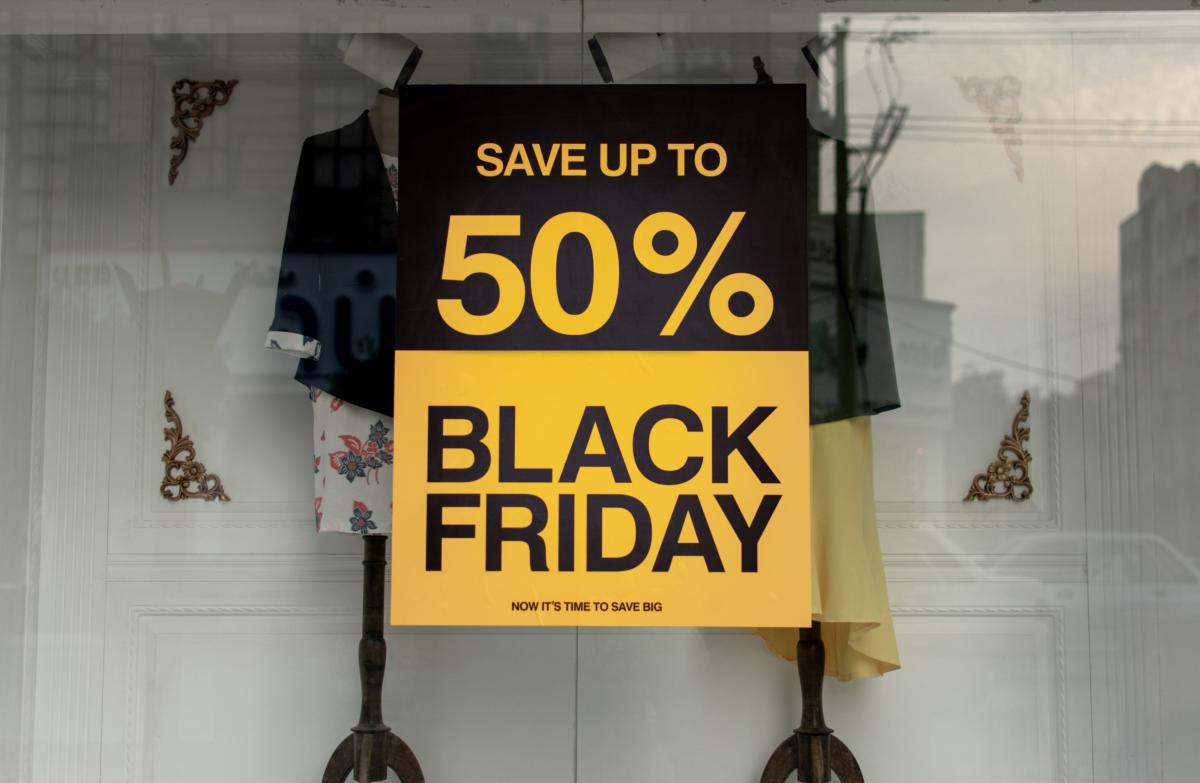
Say you run an online fashion store in Melbourne. Your homepage says 40% off storewide, but your most popular jacket range, gift cards and new arrivals are excluded. If those exclusions are only hidden at the bottom of a terms page, the overall impression may be misleading under section 18 of the Australian Consumer Law and may also raise issues under section 29 if the price advantage has been overstated.
Marketplaces and platforms should also be careful. If you control how seller discounts are displayed, you may need processes to check that headline savings, stock availability and exclusions are accurate. If your role is more limited, the exact risk depends on your platform structure and the representations you make, so it's worth getting tailored advice.
What Do You Need To Do Before Your Campaign Goes Live?
You need to review the whole customer journey, not just the main sale banner.
Use this as a practical pre-launch checklist for your Black Friday and Cyber Monday campaign.
Black Friday Sales Claims Review Checklist
- Check every headline claim: Make sure storewide, sitewide, everything, all and similar words are only used where the claim is true.
- Bring exclusions forward: If exclusions apply, put the key exclusions close to the headline claim, not only in fine print.
- Test limited time claims: Use limited time, today only or countdown timers only where the deadline is real and your team won't quietly extend it in a misleading way.
- Verify was/now pricing: Check that the was price was a genuine recent selling price for that product.
- Audit up to claims: If you advertise up to 70% off, make sure a meaningful part of the sale actually reaches that discount and the lower discounts aren't hidden.
- Review price displays: Make sure the price shown to customers is clear, accurate and consistent from ad to checkout.
- Check stock and availability: Don't advertise a major offer if you know stock is too limited for the likely demand, unless the limitation is clear.
- Keep evidence: Save screenshots, pricing histories, product lists and approval notes so you can show why the claim was reasonable at the time.
For storewide sale legal rules, focus less on finding magic words and more on the overall impression your customer is likely to get. Check the claim against section 18 and section 29 of the Australian Consumer Law, and the ACCC's false or misleading claims guidance. If the ordinary customer would think the discount applies to everything, your exclusions need to be obvious.
For pricing, section 48 of the Australian Consumer Law deals with component pricing and requires a single price to be displayed where a business represents part of the price and the total minimum price is quantifiable. The ACCC's price displays guidance also says prices must be clear, accurate and not misleading. In practice, don't let a customer discover extra mandatory charges only at checkout if those charges should have been clear earlier.
How Do Storewide, Limited Time And Was/Now Claims Work?
The answer usually depends on the overall impression your customer gets, not just the wording your team intended.
Can You Say Storewide If Some Products Are Excluded?
Sometimes, but only if the exclusions are clear enough that the overall claim isn't misleading.
If you say 20% off storewide, many customers will read that as 20% off everything. Under section 18 of the Australian Consumer Law and the ACCC's guidance on false or misleading claims, small print won't usually save a headline that creates the wrong impression. A clearer approach may be 20% off almost everything - excludes gift cards, clearance and new arrivals, with the exclusions close to the headline.
Can You Use A Countdown Timer For A Limited Time Sale?
Yes, if the timer reflects a real deadline and isn't used to create false urgency.
A countdown can become risky if it resets when the customer refreshes the page, if the same ending tonight offer appears every day, or if your team already plans to extend the offer without telling customers. Section 18 of the Australian Consumer Law is the key rule here, and the ACCC's warning specifically refers to misleading limited time claims.
Can You Advertise Was/Now Pricing?
Yes, if the comparison is genuine and you can back it up.
The ACCC's pricing guidance says two-price comparisons can be misleading if the higher price wasn't the price at which the product was previously offered for a reasonable period, or if customers wouldn't usually have paid that price. Under section 29 of the Australian Consumer Law, false or misleading representations about price can create legal risk.
Worked Example: A Cyber Monday Discount That Needs Cleaning Up
Mia runs an online skincare store in Sydney. Her draft Cyber Monday banner says 50% off storewide - ends midnight Monday. When she checks the product list, only 18 of her 120 products are discounted by 50%. Another 70 products are discounted by 10% to 25%, gift cards are excluded, and her team is considering extending the sale until Wednesday if sales are strong.
That campaign has three risk points. The storewide claim doesn't match the exclusions, the 50% off headline makes the deeper discount look broader than it is, and the ends midnight Monday claim may be misleading if the deadline isn't genuine. A cleaner version might say Up to 50% off selected skincare, plus 10% to 25% off selected bestsellers - excludes gift cards - offer currently ends midnight Monday. Mia should also keep a record of the discounted product list and the decision about the end date as part of her advertising claims review.
Can You Use Up To Discounts?
Yes, but the headline discount needs to represent the sale fairly.
If only one low-value product is 70% off and most products are 10% off, up to 70% off storewide may give customers a misleading impression. The ACCC's false or misleading claims guidance says the overall impression is what matters, and section 18 of the Australian Consumer Law is broad enough to catch claims that are technically qualified but practically misleading.
How Should You Document Your Advertising Claims Review?
You should keep a simple approval record showing what you checked, who approved it and what evidence supports the claim.
This doesn't need to slow your campaign down. A short internal checklist can be enough for many small businesses, as long as it's actually used. If your promotion is large, high-value or being run across multiple channels, a more tailored review process is safer because template checklists often miss how your specific product range, pricing tools and ad platforms work.
A good Black Friday advertising review file might include:
- Campaign summary: Write the promotion name, sale dates, channels and main claims.
- Headline claims: List each key phrase, such as storewide, limited time, up to or was/now.
- Evidence for discounts: Save pricing histories, screenshots and product lists showing the discount is accurate.
- Exclusions: Record excluded products, categories, locations, bundles, gift cards and sale items.
- Deadline and timer rules: Record when the sale starts and ends, and whether extensions are allowed.
- Price display check: Confirm the advertised price matches the product page, cart and checkout, including any mandatory charges covered by section 48 of the Australian Consumer Law.
- Final approval: Note who approved the copy and when, including any last-minute changes.
Keep screenshots of the live campaign too. If a customer, platform partner or regulator questions a claim later, your records can help explain what was live, when it was live and why your business thought the claim was accurate.
If you're using agencies, influencers or affiliate partners, make sure your contract or brief says they must use approved wording only. Section 18 of the Australian Consumer Law can apply to advertising conduct across channels, so it's worth controlling what others publish for your campaign.
Key Takeaways
- The ACCC has warned businesses about misleading storewide and limited time Black Friday sales claims ahead of the peak November sales period.
- Section 18 and section 29 of the Australian Consumer Law are the key rules for misleading discount claims and price representations.
- Words like storewide, limited time, was/now and up to need to match the real promotion customers will receive.
- Price displays should be clear and consistent from ad to checkout, with section 48 of the Australian Consumer Law applying to component pricing where relevant.
- Keep evidence of your pricing history, exclusions, approval process and live campaign screenshots before the busy sales period starts.
Official Sources
If you'd like help with reviewing your Black Friday sale copy, checking your discount wording and exclusions, or preparing clear promotion terms for your ecommerce store, you can reach us at 1800 730 617 or team@sprintlaw.com.au for a free, no-obligations chat.

Alex SoloCo-Founder