Alex is Sprintlaw’s co-founder and principal lawyer. Alex previously worked at a top-tier firm as a lawyer specialising in technology and media contracts, and founded a digital agency which he sold in 2015.
Contents
- Do I Need Terms And Conditions For Digital Downloads?
- What Should My Digital Product Licence Terms Say?
- Can I Have A No-Refund Policy For Digital Products?
- How Do I Stop IP Misuse And Account Sharing?
- What Should I Do If A Customer Starts A Chargeback?
- What Should A Digital Download Terms Template Include?
- Key Takeaways
Maya sells editable social media templates from her website. Her launch goes well until one customer asks for a refund after downloading every file, another shares the template folder with their whole team, and a third resells a slightly changed version as their own product.
None of this means Maya did anything wrong. It just shows why digital products need clear rules from day one.
When you're selling ebooks, templates, designs, presets, patterns, downloads or online course files, your terms are doing a lot of heavy lifting. They tell customers what they're buying, what they can and can't do with it, when refunds are available, and what happens if something goes wrong.
Do I Need Terms And Conditions For Digital Downloads?
Yes, you should have terms and conditions for digital downloads if you're selling files online in Australia. Digital products are easy to copy, share and dispute, so verbal rules or checkout notes usually aren't enough.
Your terms don't just protect you legally. They also make the buying experience clearer for your customers. If someone knows exactly what they're allowed to do with your product, there's less room for misunderstanding later.
For digital downloads, your terms should usually cover:
- what the customer is buying, including file types and delivery method
- whether they're receiving ownership or just a licence to use the product
- whether the product can be used personally, commercially, or both
- refund rules, including how the Australian Consumer Law applies
- restrictions on sharing, copying, reselling and uploading files
- what happens if the download link fails or the file is defective
- how chargebacks, payment disputes and suspected misuse are handled
You may also need website terms of use, privacy documents and email marketing consents, depending on how your store works. But the core document for the sale itself is usually your digital product terms of sale or ecommerce terms.
A free template can be a helpful starting point, but digital product licence terms often need tailored wording. A one-size-fits-all template may not cover your exact licence scope, refund process or course access model.
What Should My Digital Product Licence Terms Say?
Your digital product licence terms should say exactly what the customer is allowed to do with the files. In most cases, you're not selling your copyright - you're giving the customer a limited licence to use your product.
This is one of the biggest differences between physical goods and digital downloads. If someone buys a printed notebook, they own that physical notebook. If they buy your editable planner template, they usually receive permission to use the file in certain ways, while you keep the underlying intellectual property.
Your licence should answer practical questions such as:
- Can the customer use the product for personal projects only?
- Can they use it in their business or for client work?
- Can one purchase be used by a whole team, or only one person?
- Can the customer edit the file?
- Can they print the file, upload it to a platform, or include it in a final client deliverable?
- Can they resell, sublicense, share or redistribute the file?
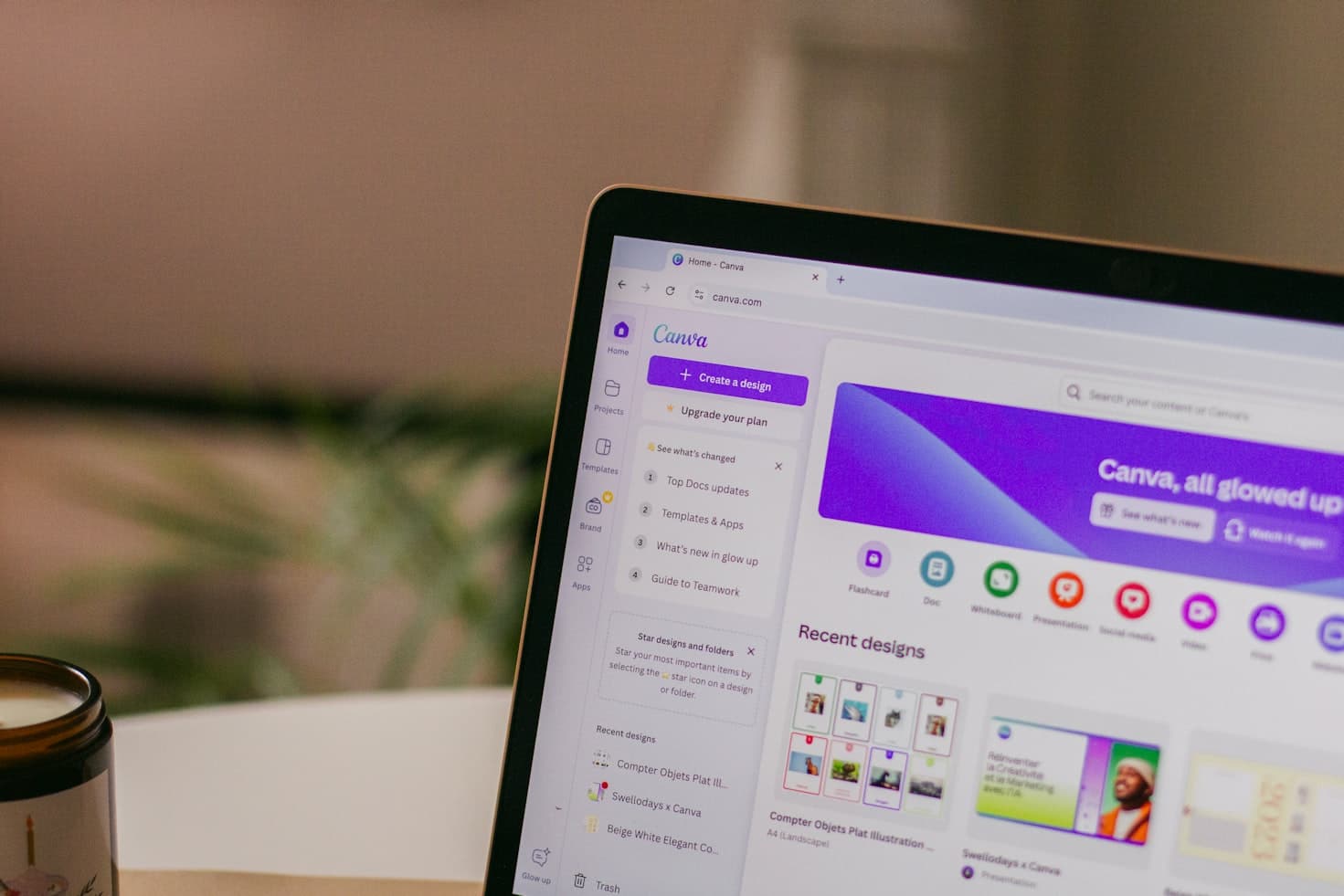
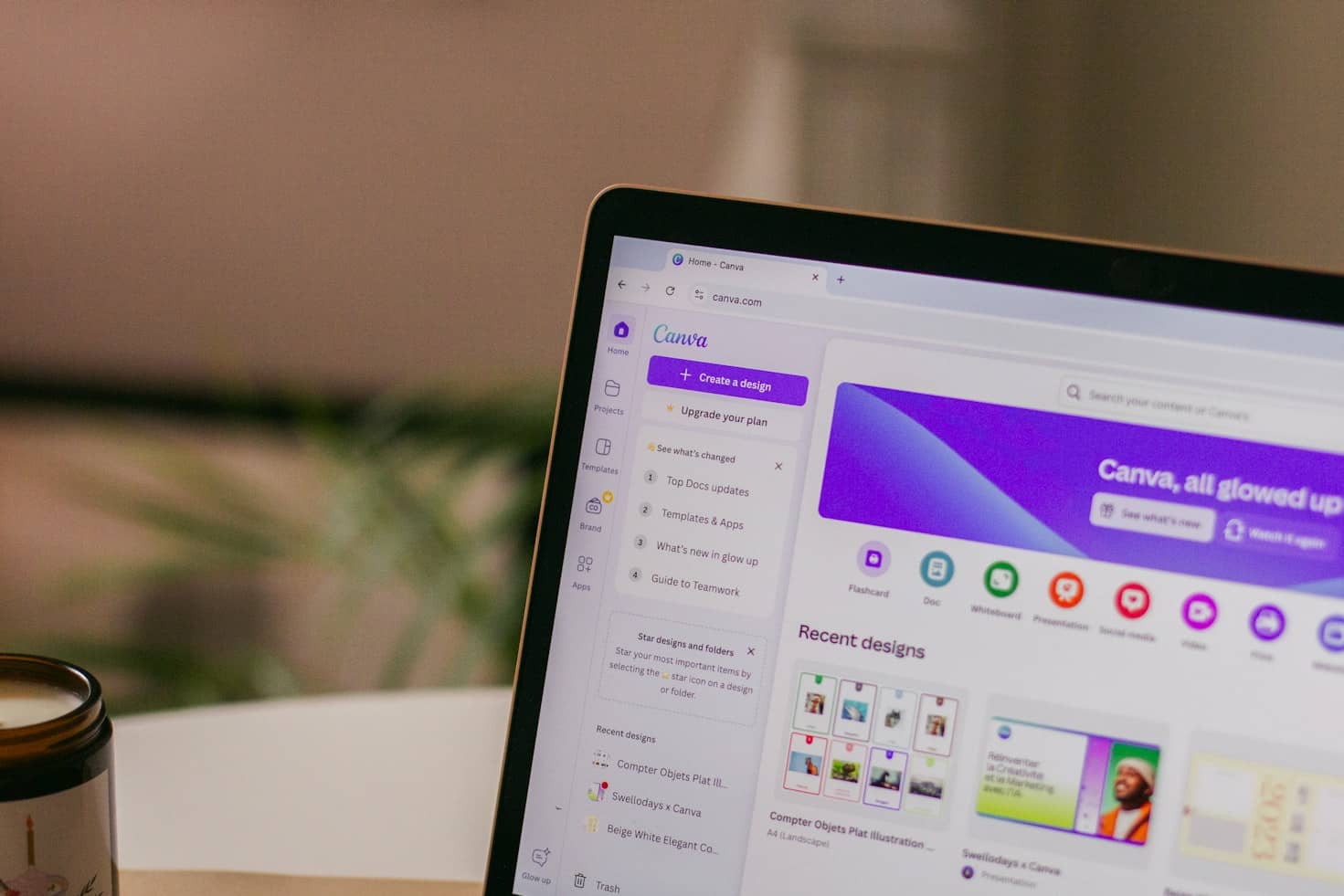
For example, if you sell Canva templates to solo business owners, your licence might allow one buyer to customise the templates for their own brand. It might ban them from reselling the template, sharing the editable link, or using the design to create a competing template pack.
If you sell design assets for commercial use, your licence may need more detail. You might allow use in marketing materials, websites and social media, but require an extended licence for use in merchandise, paid ads, apps or products sold at scale.
Copyright protection arises automatically in Australia under the Copyright Act 1968 for original works such as written content, artwork, designs, photos and course materials. If your product name or brand is valuable, you may also want to look at trade mark protection through IP Australia.
Can I Have A No-Refund Policy For Digital Products?
Yes, you can usually say you don't offer change-of-mind refunds after a digital product has been accessed or downloaded, but you can't remove your customer's rights under the Australian Consumer Law.
This is where many digital product businesses get caught. A blanket statement like no refunds under any circumstances can be risky because consumer guarantees may still apply.
Under the Australian Consumer Law, a person will often be a consumer if they buy goods or services for $100,000 or less, or if the goods or services are ordinarily for personal, domestic or household use. Consumer guarantees can apply to digital products, including guarantees that products match their description, are acceptable quality and are fit for any purpose you made known.
That means your refund policy can usually say:
- you don't provide refunds because the customer changed their mind
- you don't provide refunds because the customer bought the wrong item after the product description was clear
- you don't provide refunds simply because the customer no longer needs the product
- you may ask for details, screenshots or access information before assessing a technical issue
But your policy shouldn't say the customer has no rights if the file is faulty, not as described, missing key content, or doesn't do what you promised.
Say you sell an ebook for $39 and the customer downloads it successfully, then decides the writing style isn't for them. If your product page was accurate and your terms said no change-of-mind refunds after download, you may be able to refuse that refund.
But if the ebook file is corrupted and can't be opened, you should provide a remedy. That might be a replacement file, troubleshooting help, or a refund if the problem can't be fixed.
How Do I Stop IP Misuse And Account Sharing?
You can't completely stop misuse, but your terms can make your rights much clearer and give you a stronger basis to act if someone shares, copies or resells your files.
Digital downloads are especially vulnerable because one file can be sent to hundreds of people in seconds. Your terms should deal with this directly, rather than hoping customers understand your expectations.
Common restrictions include:
- no sharing download links, login details or file folders with other people
- no uploading the files to public drives, forums, marketplaces or social platforms
- no reselling, sublicensing, gifting or transferring the files
- no claiming the files, templates or content as the customer's own original work
- no using the product to create a competing product
- no removing copyright notices, watermarks or creator credits where they apply
You can also add practical controls to support your terms, such as unique download links, limited download attempts, watermarked PDFs, account-based access, or single-user licences.
Let's say Daniel sells a $149 brand strategy workbook. A customer buys one copy, uploads it to a shared Google Drive and 12 people access it. If Daniel's terms clearly say the licence is for one user only and sharing is prohibited, he has a clearer basis to suspend access, ask for the file to be removed and require the customer to buy the correct number of licences.
For serious copying or reselling, you may need tailored advice. Depending on what has happened, options might include a takedown request, a formal demand, platform reporting, trade mark enforcement, or updates to your product delivery process.
What Should I Do If A Customer Starts A Chargeback?
You should act quickly, gather your records and respond through the payment provider's process. Chargebacks are handled through card schemes and payment platforms, so the exact rules and deadlines depend on the provider.
A chargeback can happen when a customer asks their bank to reverse a payment. For digital downloads, common reasons include claims that the product wasn't received, wasn't as described, was bought fraudulently, or that a refund was refused unfairly.
Your first steps should be:
- Check The Reason Code: Look at why the chargeback was started so you respond to the actual issue.
- Collect Delivery Evidence: Keep order confirmations, download logs, login records, IP data where lawfully collected, and support emails.
- Collect Product Evidence: Save the product page, screenshots, inclusions list, licence terms and refund policy that applied at the time of purchase.
- Respond On Time: Payment providers set their own response windows, so check the deadline in your dashboard and don't leave it until the last day.
- Fix The Pattern: If similar disputes keep happening, update your product page, checkout wording, refund process or access controls.
Here's a simple example. Priya sells downloadable Lightroom presets for $59. Her checkout requires customers to tick that they agree to her terms, and her system records that the files were downloaded twice within 10 minutes of purchase. A customer then starts a chargeback saying they never received the product.
Priya responds with the order confirmation, download log, product description and the terms accepted at checkout. That doesn't guarantee the chargeback will be rejected, because the payment provider makes the decision. But Priya is in a much better position than if she had no records and no clear terms.
If you're seeing repeated chargebacks, treat it as a systems issue as well as a legal issue. Clear product descriptions, checkout consent, delivery emails and support records can make a real difference.
What Should A Digital Download Terms Template Include?
A digital download terms template should cover the sale, the licence, refunds, technical access and misuse. It should then be tailored to your exact products, platform and risk level before you use it.
Here's a practical outline you can use when thinking through your terms:
- Business Details: Insert your business name, ABN or ACN if relevant, contact details and who the customer is contracting with.
- Product Description: Explain what is included, file formats, compatibility requirements, and anything that isn't included.
- Payment Terms: Set out prices, currency, GST treatment where relevant, accepted payment methods and when access is provided.
- Delivery And Access: Explain how downloads are delivered, how long links remain active, and what customers should do if access fails.
- Licence Scope: State whether use is personal, commercial, single-user, team-based, ongoing, limited, revocable or non-transferable.
- Restrictions: Ban copying, sharing, reselling, sublicensing, public uploading, account sharing and competing uses where appropriate.
- Online Course Downloads: Cover videos, workbooks, templates, community access, login rules, completion certificates, updates and expiry of access.
- Refunds And Consumer Guarantees: Explain no change-of-mind refunds where applicable, while preserving rights under the Australian Consumer Law.
- Technical Issues: Set out troubleshooting steps, customer responsibilities and how you'll provide replacement files or support.
- Chargebacks And Payment Disputes: Explain that customers should contact you first, and that you may provide transaction and access records to payment providers.
- Intellectual Property: Confirm that you keep ownership of your content, designs, templates, branding and course materials.
- Privacy And Data: Explain how customer information is handled, especially if you collect account, usage or download data.
- Suspension And Termination: Set out when you can suspend access for misuse, non-payment, fraud concerns or breach of the licence.
- Liability Limits: Include fair limits that make sense for your product and don't try to exclude non-excludable consumer rights.
- Governing Law: State which Australian state or territory law applies to the contract.
For online course terms and conditions, be especially clear about whether the customer gets lifetime access, a fixed access period, downloadable resources only, or both streaming and downloads. If access is for 12 months, say so clearly at checkout and in the terms. If updates aren't included, say that too.
Your terms should also line up with what your website actually says. If your sales page promises lifetime access but your terms say access ends after 6 months, that inconsistency can create problems under the Australian Consumer Law, including misleading or deceptive conduct concerns.
Key Takeaways
- Digital download terms help you set clear rules around licences, refunds, access, IP rights and customer behaviour.
- You can usually refuse change-of-mind refunds after download, but you can't exclude consumer guarantees under the Australian Consumer Law.
- Your licence should clearly say whether customers can use the product personally, commercially, for client work or across a team.
- Strong terms make it easier to respond to file sharing, account sharing, reselling, copyright misuse and chargebacks.
- Online course downloads need extra detail around access periods, login sharing, downloadable materials, updates and support.
- A template is only a starting point - your terms should be tailored to your products, platform and risk level.
If you'd like help with your digital product terms, licence wording, refund policy or online course download rules, you can reach us at 1800 730 617 or team@sprintlaw.com.au for a free, no-obligations chat.
Protect the asset behind the name or work
What should you clear, own or register?
Searches, ownership chains, assignments, licences and registrations solve different risks. Start by identifying the asset and how the business uses it.

Alex SoloCo-Founder