Alex is Sprintlaw’s co-founder and principal lawyer. Alex previously worked at a top-tier firm as a lawyer specialising in technology and media contracts, and founded a digital agency which he sold in 2015.
Contents
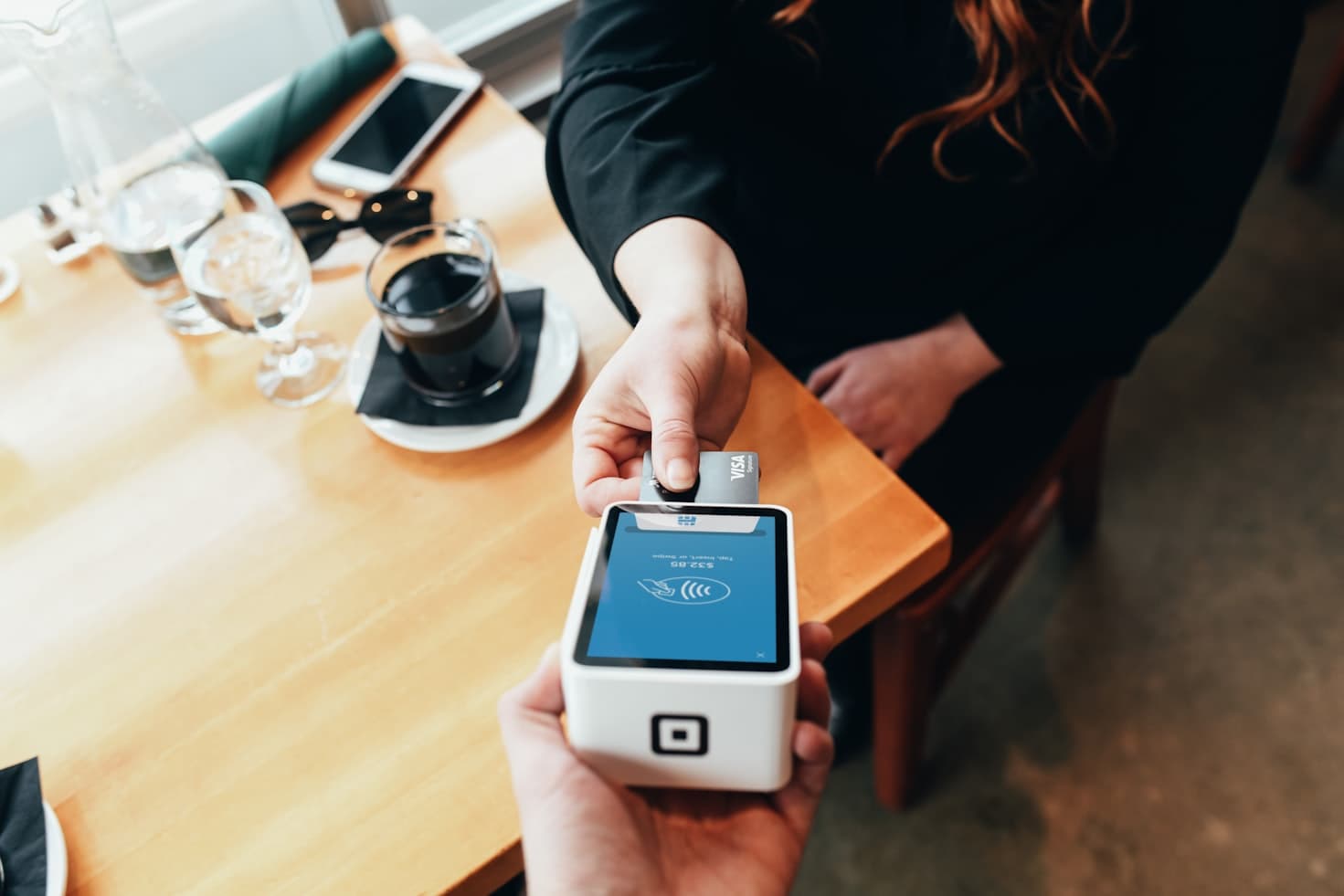
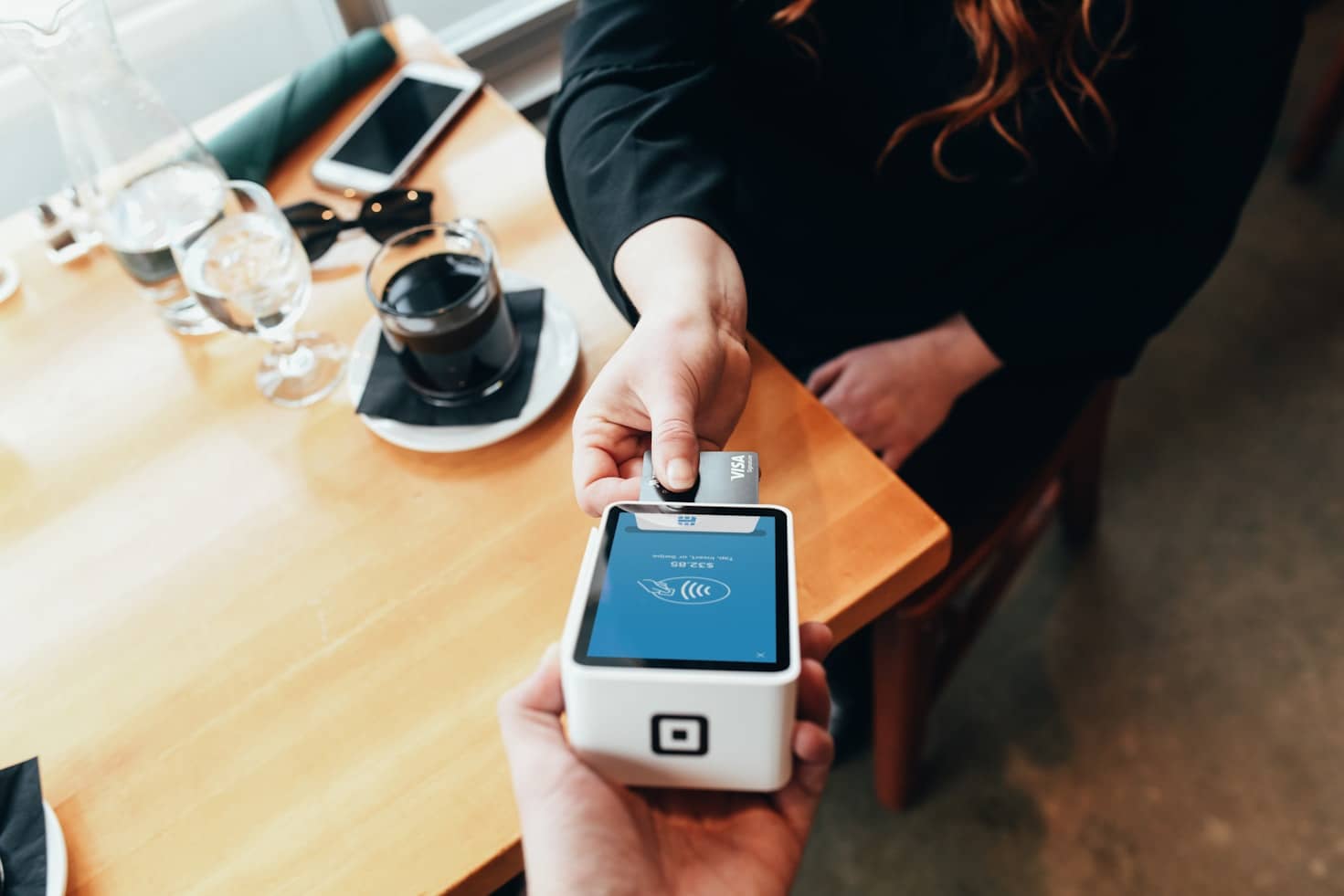
Card fees can quietly eat into your margins, especially when most customers tap for a $5 coffee, split a table bill or order through a QR code.
It makes sense to ask whether your cafe can pass those fees on. The answer is: the rules have changed, and they're now much tighter than many hospitality businesses realise. In most everyday card payment situations, a separate card surcharge is no longer allowed.
For cafes, this usually comes down to three practical things: what your POS provider is charging, what your menu and customer terms say, and whether customers can see the full price before they order or pay.
Can A Cafe Charge A Card Surcharge?
Since 1 October 2026, businesses can no longer charge card payment surcharges for Visa, Mastercard, American Express or eftpos credit, debit or prepaid card payments.
These are the everyday card payments most cafes deal with: tap and go debit cards, inserted eftpos cards, Visa debit, Mastercard debit, credit cards, prepaid cards and American Express card payments.
For a cafe, the practical rule is simple: don't add a separate card payment surcharge to these transactions.
This is a significant change from the older position. Previously, some businesses could add a card surcharge if it was limited to the cost of accepting that type of payment. Those older excessive card payment surcharge rules ended on 1 October 2026 for the main card systems used by customers in Australia. For Visa, Mastercard, American Express and eftpos cards, the current practical rule is no card payment surcharge.
American Express shouldn't be treated as a general workaround. While American Express wasn't regulated by the Reserve Bank of Australia in exactly the same way as Visa, Mastercard and eftpos, the ACCC has said American Express also removed surcharging from 1 October 2026. So, if a customer pays for brunch with an Amex card, you shouldn't assume you can add a separate card surcharge just because it is Amex.
Other payment arrangements, such as some PayPal, buy now pay later or platform-based ordering fees, may need separate analysis depending on the provider's terms and how the fee is charged. If you charge any other fee or surcharge, make sure it isn't a disguised card payment surcharge, is clearly disclosed in the total price where required, and isn't misleading. You should also check your payment provider and card network terms.
What Counts As A Card Payment Surcharge?
A card payment surcharge is usually an extra amount added because the customer is paying by card. For example, a cafe might list a coffee as $5, then add 1.2 percent at the terminal because the customer taps a Visa debit card. From 1 October 2026, that kind of separate card fee isn't allowed for Visa, Mastercard, American Express or eftpos credit, debit or prepaid cards.
It doesn't matter whether the fee is small, automatically added by the POS system, shown as a percentage, or described as a processing fee. If the real reason for the charge is that the customer is paying by one of those cards, it's likely to be treated as a card payment surcharge.
It also doesn't matter that your cafe is still being charged merchant fees by the bank, acquirer or payment processor. Those costs may be real business costs, but for the covered card payments you generally need to build them into your pricing rather than adding them at checkout as a separate card surcharge.
This is especially important for cafes using integrated POS terminals, QR code ordering, table ordering apps or self-service kiosks. Many systems have a default surcharge feature that was set up under the old rules. If that feature is still switched on, your cafe could be charging a card surcharge without staff noticing.
What Payment Fees Might Still Need Separate Analysis?
The card surcharge ban doesn't automatically answer every question about every payment-related cost. Some arrangements aren't a simple card surcharge charged by the cafe at the eftpos terminal.
For example, a third party ordering platform might charge its own service fee for online ordering or delivery. A buy now pay later provider might have customer-facing terms that deal with fees in a particular way. A booking system, loyalty app or marketplace might add a platform fee. These situations can be more complex because you need to look at who is charging the fee, what the customer is told, and whether the fee is actually connected to the card payment.
The key point isn't to relabel a card surcharge as something else. Calling it a convenience fee, service fee or technology fee won't fix the issue if, in substance, the customer is paying extra because they used a Visa, Mastercard, American Express or eftpos card.
If your cafe uses a platform or app, check the provider's terms and settings. You'll want to know whether the provider is charging the fee directly to the customer, whether the fee is optional or compulsory, whether it appears in the total price before checkout, and whether your business is responsible for the wording shown to customers.
For any other fee or surcharge, your Australian Consumer Law obligations still matter. The fee should be accurate, clearly disclosed, included in the total price where required, and not described in a way that could mislead customers about what they're paying for.
How Should Cafes Display Prices?
Clear pricing is one of the easiest ways to avoid disputes at the counter. Customers shouldn't find out about extra fees only after they have tapped their card or reached the final payment screen.
Under the Australian Consumer Law, businesses generally need to display a single total price where a price is advertised to consumers and there are compulsory amounts that can be calculated. In plain English, if a customer can't buy the item without paying a particular charge, that charge usually needs to be included in the price shown.
For example, if a dine-in service fee applies to every dine-in order, you should think carefully before showing a menu price that leaves that fee out. If a QR ordering platform adds a compulsory fee for every order, the customer should see that fee clearly before they confirm the order, and the total shouldn't be hidden until the last possible moment.
Weekend and public holiday surcharges are a little different, but they still need to be clear. Cafes commonly charge a weekend surcharge or public holiday surcharge to cover higher wage costs. If you do this, make sure the surcharge is prominently disclosed on the menu, price board and ordering screen. The wording should state the percentage and when it applies, such as 10 percent on Sundays or 15 percent on public holidays.
Don't rely on tiny footnotes, signs hidden behind the register, or staff explaining the surcharge after the customer has ordered. Good disclosure protects your cafe and helps customers make an informed choice before they commit.
Can You Offer Cash Or PayID Discounts?
Yes, a cafe can usually offer a genuine discount for customers who pay by cash, PayID or another lower-cost method. The important word is genuine.
A discount shouldn't operate as a disguised card payment surcharge. For example, if your advertised coffee price is $5 and card customers pay $5, you might choose to offer a genuine cash price of $4.90. That's different from advertising $5, then charging $5.10 to card customers because they tapped a card.
If you want to offer different prices for different payment methods, keep the pricing simple and transparent. Show the standard price and the discounted price clearly. Make sure staff understand the difference between offering a discount and adding a card fee at the terminal.
PayID or bank transfer discounts can also be an option for larger catering orders, events or wholesale supply, but they may be less practical for a busy morning coffee rush. If you use them, think about reconciliation, timing of payment, refunds, fraud risk and whether your POS system can record the transaction properly.
Cash discounts also need to be handled carefully from an accounting perspective. Keep proper records, issue receipts where required and make sure your tax reporting is accurate. A discount should be a pricing decision, not a record-keeping shortcut.
Practical Steps For Cafe Owners
If you haven't already reviewed your payment setup, now is the time. Start with your POS and payment terminal settings. Look for any automatic surcharge function, card fee toggle, convenience fee or percentage add-on for card payments. If it applies to Visa, Mastercard, American Express or eftpos cards, switch it off.
Next, check your QR code ordering system, online ordering page and delivery or pickup integrations. Many cafes use more than one system, and the surcharge might appear in a different place for in-store orders, table orders and takeaway orders. Test the customer journey yourself using a small transaction, and look at what appears on the screen before payment.
You should also update your menu boards, printed menus, counter signs and website wording. Remove old phrases such as card surcharge applies, 1.5 percent on all card payments or Amex surcharge. If you still charge a weekend, public holiday, platform or service fee, make sure the wording is accurate and not confused with a card surcharge.
Then, speak with your payment provider. Ask for written confirmation of your current fees, whether any customer-facing surcharges are enabled, and whether your setup complies with the provider's current card network terms. If you're using a bundled rate or blended merchant fee, you may need to factor that cost into your general menu pricing.
Finally, train your staff. Front-of-house staff are often the ones who deal with customer questions.
Give them a simple script, such as: We don't add card surcharges, but a public holiday surcharge applies today and it's shown on the menu. That kind of clear answer can prevent a small pricing question from becoming a complaint.
Common Cafe Scenarios
Here are some examples of how the rules may apply in practice.
If your cafe sells a latte for $5 and the customer taps an eftpos, Visa, Mastercard or American Express card, you shouldn't add a separate card surcharge. If your merchant fees have increased, review your overall pricing rather than adding a card fee at checkout.
If you charge a 10 percent Sunday surcharge, that can still be allowed if it's clearly disclosed before the customer orders. Put it on the menu, the counter sign and any QR ordering screen. The customer shouldn't be surprised by it at payment.
If your QR ordering provider adds a platform fee, check exactly how it's described and who is charging it. If it's compulsory, the total price should be clear before the order is placed. If it's really a fee for card payment, it may be a problem even if the platform uses a different label.
If you offer a cash discount, display it clearly. For example, your board might say $5 standard price, $4.90 cash price. Avoid wording that suggests card customers are paying an extra card fee.
If a customer asks why prices have gone up, it's fine to explain that merchant fees, wages, rent and supplies are part of your business costs. What you should avoid is adding a separate fee at the terminal for the customer's covered card payment.
Key Takeaways
- Since 1 October 2026, cafes can no longer charge card payment surcharges for Visa, Mastercard, American Express or eftpos credit, debit or prepaid card payments.
- Don't treat American Express as a general exception. It's included in the no-surcharge position from the same date.
- Other fees, such as some platform, PayPal or buy now pay later fees, need separate analysis and must not be disguised card surcharges.
- Weekend and public holiday surcharges can still be used if they're clearly and prominently disclosed before customers order.
- Review your POS, QR ordering, menus, signs and payment provider terms so old surcharge settings and wording are removed.
If you'd like help with reviewing your cafe pricing, updating your customer terms, checking payment provider terms or preparing compliant surcharge wording, you can reach us at 1800 730 617 or team@sprintlaw.com.au for a free, no-obligations chat.
Drafted by Taylor, Sprintlaw's AI, and overseen by Alex Solo. How we write

Alex SoloCo-Founder