
Alex is Sprintlaw's co-founder and principal lawyer. Alex previously worked at a top-tier firm as a lawyer specialising in technology and media contracts, and founded a digital agency which he sold in 2015.
Contents
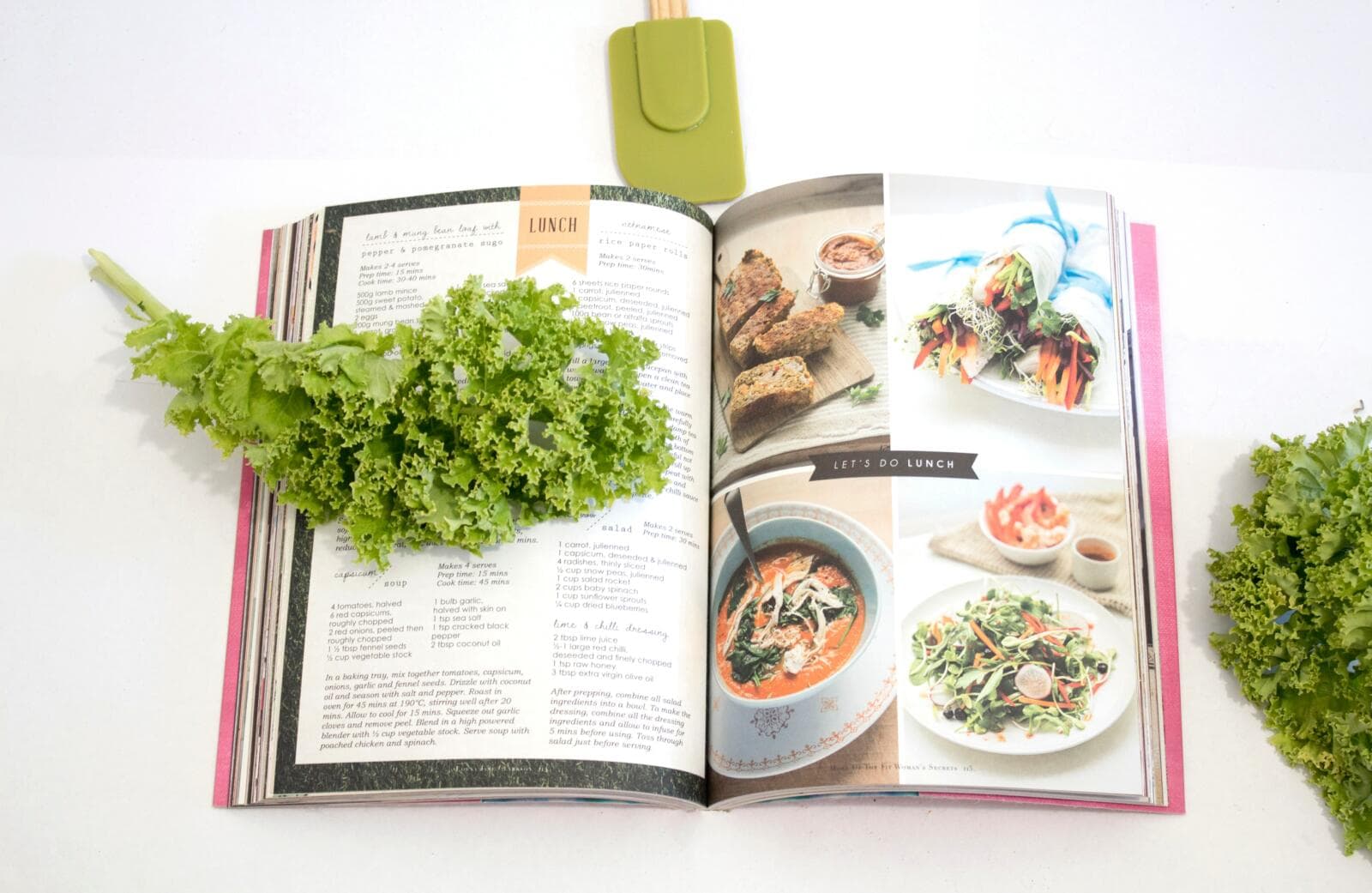
If you’ve poured your creativity into a signature dish, a cookbook, or a range of packaged treats, it’s natural to ask: can you protect your recipes in Australia?
In a competitive food scene, your recipes, photos, brand names and written content are core business assets. The good news is that parts of a recipe can be protected by copyright and other legal tools. The tricky part is understanding what is covered (and what isn’t), and putting simple steps in place to keep your competitive edge.
In this guide, we’ll unpack how recipe copyright works in Australia, where the limits are, and the practical ways food businesses, creators and publishers can protect and commercialise their culinary IP. We’ll also cover the key contracts and compliance obligations to consider so you can build and grow with confidence.
What Does Recipe Copyright Actually Protect In Australia?
Copyright is an automatic legal protection for original works once they are recorded in “material form” (for example, written down or saved digitally). You don’t register copyright in Australia, and there’s no formal application process.
With recipes, the law draws a line between mere facts or functional steps and original expression.
What’s usually protected
- Written expression: The unique way you explain a method, your narrative introductions, headnotes, tips, and any creative descriptions can be protected as a “literary work”.
- Photography, illustrations and layout: Photos and original illustrations are protected as artistic works. Original page layouts or graphics can attract protection where they show authorship.
- Original editorial content: Stories about the dish, cultural context, interviews or Q&A content, and other text surrounding a recipe often qualify.
What’s usually not protected
- Lists of ingredients: A bare list (e.g. “flour, sugar, eggs”) or basic quantities are usually considered facts or functional information.
- Ideas, styles and techniques: General concepts like “slow-roast at low temperature” or “double-fry for crispness” are not protected by copyright.
- Short, functional instructions: Minimal directions (e.g. “mix and bake at 180°C for 20 minutes”) may be too factual to qualify.
Importantly, the Australian standard for originality does not require high artistic creativity. It requires independent authorship and that the work is not copied. So if you write the method in your own words and add genuine explanatory content, you’re more likely to be protected.
However, copyright protects the expression of the recipe, not the underlying flavours or techniques. Someone can cook a similar dish or develop their own method, but copying your written explanation, images or distinctive presentation without permission may infringe your rights.
Are Recipes Copyrighted In Australia?
Often, yes-at least in part. The ingredient list on its own is rarely protected, but your unique writeup, headnotes and step-by-step method can be. If someone republishes your recipe writeup verbatim, copies your photos, or lifts substantial parts of your cookbook text, that can raise copyright concerns.
Think of your recipe as a bundle of elements:
- Facts and functionality (e.g. ingredients, times, basic steps) – generally not protected.
- Original text, creative expression and photos – generally protected.
- Brand names, logos and packaging – protectable via trade marks or design rights rather than copyright.
This is why duplication often shows up across cookbooks (similar ingredient ratios or techniques), but near-identical text, distinctive photos or layout being reproduced elsewhere without permission is a different story.
Practical Ways To Protect Your Recipes And Food Brand
Copyright is only one piece of the puzzle. Food entrepreneurs and creators typically combine copyright, confidentiality and brand protection to safeguard what matters most.
1) Lock in your written and visual content
Write your methods in your own words. Include precise steps, helpful context, and your voice. Save dated drafts and keep records of when you created your work.
If you commission photos, confirm in writing that you own (or have a licence to use) the images for all intended channels-cookbook, website, socials, packaging and PR.
2) Use confidentiality to protect “secret sauce” details
If you have truly confidential elements-like a unique spice blend, a process tweak or a commercial formula you don’t publish-treat them as trade secrets. Share them only on a need‑to‑know basis and require a Non-Disclosure Agreement before you disclose. Back this up with confidentiality clauses in employment and supplier contracts.
3) Protect your brand identity
Your brand often carries more commercial value than the recipe itself. Consider registering a trade mark for your business name, product names and logo. Distinctive packaging shapes or surface designs may also be eligible for a design registration.
4) Put strong contracts around your supply chain
When you work with manufacturers, co‑packers or distributors, set ground rules in writing. A tailored Manufacturing Agreement can restrict access to your confidential information and specify what happens to tooling, formulations and IP. Pair this with a Distribution Agreement that makes clear how finished products can be sold and marketed.
5) Set clear rules for your website and community
If you publish recipes online, include Website Terms and Conditions that explain how visitors can use, share or reproduce your content (e.g. whether they can print a recipe for personal use, or need permission to repost).
6) Be realistic about patents
Patents protect technical inventions. Most recipes won’t qualify unless there’s a genuinely novel process or technology involved. For food businesses, the combination of copyright, confidentiality, trade marks and design protection is typically the practical path.
Step-By-Step: Protecting A Recipe-Based Business In Australia
Step 1: Map your IP
List what you want to protect: your recipe writeups, photos, brand names, logo, packaging designs, formulas, supplier lists and any unpublished process notes. Note what you plan to publish, and what should stay secret.
Step 2: Choose a structure and register the basics
Decide whether you’ll operate as a sole trader, partnership or company. Many founders choose a company for limited liability and investment readiness, but the right option depends on your goals and risk profile. Whichever you choose, register your business name and secure domain names and social handles early to avoid brand conflicts.
Step 3: Protect your brand assets
File a trade mark application for your name and logo as soon as practicable to secure brand ownership. If your product has a unique look, consider design registration to protect the appearance, then document brand guidelines so your visuals stay consistent across channels.
Step 4: Lock down confidentiality
Classify what’s truly confidential (e.g. a proprietary glaze ratio or a method you do not publish). Limit access internally and externally using NDAs and confidentiality clauses. Review your onboarding and offboarding processes so access is granted and removed consistently.
Step 5: Put the right contracts in place
- Suppliers and manufacturers: Use clear terms on ownership of recipes, methods and tooling; quality standards; IP rights; and non‑disclosure.
- Distributors and stockists: Set distribution territories, sales channels, pricing parameters (consistent with competition law) and brand usage rules.
- Website and e‑commerce: Publish Website Terms that govern use of your content and online store policies for orders, delivery and returns.
- Team: Use a suitable Employment Contract with IP assignment and confidentiality, or contractor agreements where appropriate.
Step 6: Publish wisely
When releasing a cookbook or posting online, remember that copyright applies automatically to your original text and images once they’re created in material form. You don’t need to register copyright in Australia. Many creators include a simple copyright notice for clarity, but it’s not a legal requirement.
If you work with a publisher, check the contract for who owns copyright in recipes, photos and page layouts, and what licence rights you’re granting for future uses (like reprints, ebooks and translations).
Step 7: Plan for growth
If you’re bringing on a co‑founder or investors, consider a Shareholders Agreement to set decision‑making rules, IP ownership and exit rights. If you plan to expand through retailers or food service partners, tighten brand controls and ensure consistency with your sales documents and manuals.
What Laws Apply To Recipe Businesses In Australia?
Beyond protecting your IP, you’ll need to tick off general legal and compliance requirements. These vary depending on your model (cookbook author, online publisher, café, manufacturer, etc.), but these areas commonly apply.
Australian Consumer Law (ACL)
When you sell goods or services to consumers, the Australian Consumer Law requires accurate representations about your products, compliance with consumer guarantees, and fair refund policies. This also covers claims on packaging and websites. It’s wise to set your customer-facing policies to align with the ACL from day one.
Food safety, labelling and packaging
If you sell food products, expect strict rules about food safety, allergen disclosures and nutrition claims. Check the relevant state and local council requirements and ensure your labels match the standards. Build compliance checks into your product development and QA process.
Employment and workplace obligations
If you hire staff, put compliant contracts in place, pay the correct minimum entitlements and manage rosters, leave and training properly. Start with a suitable Employment Contract and clear workplace policies, then keep records up to date.
Privacy and direct marketing
Privacy obligations depend on your circumstances. Many small businesses with annual turnover under $3 million are not “APP entities” under the Privacy Act 1988 (Cth), unless an exception applies (for example, if you handle health information or provide certain services). Even where the Act doesn’t strictly apply, publishing a clear Privacy Policy and following good data practices is often expected by customers and third‑party platforms. If you’re running email lists or online accounts, set your data collection and consent settings carefully.
Online selling and website compliance
If you take orders online, add Website Terms and Conditions for your store and make sure checkout, shipping and returns information is easy to find. Consider how your terms interact with the ACL, and keep your content licences and copyright notices consistent across your site.
Intellectual property
Protect your brand through trade marks and consider design registration for distinctive packaging. Respect others’ IP by using properly licensed fonts, images and music for content and marketing.
What Legal Documents Should A Recipe Business Have?
Every business is different, but most recipe-led ventures benefit from a core set of documents. Getting these right early can prevent disputes and protect your brand as you grow.
- Non-Disclosure Agreement (NDA): Keeps confidential methods, formulas and business plans protected when you speak with staff, suppliers, co‑packers or potential partners. A written NDA sets clear expectations and remedies if information is misused.
- Manufacturing Agreement: Allocates ownership of recipes and process documentation, sets quality standards, and prevents misuse of your IP during production. A tailored Manufacturing Agreement is essential if you outsource.
- Distribution Agreement: Controls how products are sold, the sales channels allowed, branding rules and termination rights. A strong Distribution Agreement helps keep your brand consistent in market.
- Employment Contracts: Clarify confidentiality, IP ownership and post‑employment duties for your team. Start with a suitable Employment Contract and add policies as you scale.
- Website Terms and Conditions: Set the rules for using your site, outline acceptable use of your recipes and content, and include online store terms if you sell direct. Use clear Website Terms and Conditions.
- Privacy Policy: Explains what personal information you collect, how you use it and who you share it with. Even where not strictly required under the Privacy Act, a concise Privacy Policy is best practice for customer trust and platform compliance.
- Trade Mark Filings: Secures exclusive rights to your name or logo in your classes of goods or services. Consider early trade mark applications before major marketing or wholesale launches.
- Design Registration (if applicable): Protects the visual appearance of unique packaging or product designs through a design registration.
- Shareholders Agreement (if you have co‑founders): Sets out how decisions are made, how shares vest, and what happens if someone exits. A clear Shareholders Agreement can prevent future disputes.
You may not need every document from day one. Start with the essentials for your model, and build your legal toolkit as you grow into new channels, products and markets.
Common Questions About Recipe Copyright
Can I stop someone from cooking or selling a dish based on my recipe?
Generally, you can’t stop someone from making or selling food inspired by your flavours or ingredient ratios. What you can protect is your original written expression, photos and brand. Copying substantial parts of those without permission may infringe copyright or raise issues under consumer law if it misleads customers.
Can I copyright a cooking technique?
No. Techniques and methods aren’t protected by copyright. However, your detailed, original explanation of the method (the text itself) can be protected as a literary work.
Do I need to register copyright in Australia?
No-copyright protection is automatic once your work is recorded in material form. Keep dated drafts and publication records as evidence of creation and ownership.
Do I need a Privacy Policy if I collect emails?
Not always under the Privacy Act-many small businesses under the APP threshold are not legally required to have one unless an exception applies. That said, a clear Privacy Policy is widely expected by customers and many platforms, and it’s a sensible governance step if you collect personal information online.
Key Takeaways
- Copyright protects your original written expression, photos and creative content around a recipe-not the ingredients list or general techniques.
- Protection in Australia is automatic on creation; there’s no registration for copyright, so keep dated records of your work.
- Combine tools: use NDAs and confidentiality clauses for secret formulas, register trade marks for brand names and logos, and consider design registration for distinctive packaging.
- Put clear contracts in place across your supply chain-use a Manufacturing Agreement, a Distribution Agreement, and the right Employment Contracts.
- If you publish online, set boundaries with Website Terms and Conditions and align your store policies with the Australian Consumer Law.
- Privacy obligations depend on your size and activities; a practical Privacy Policy and good data hygiene help build customer trust.
If you’d like a consultation on protecting recipe copyright and setting up your food business the right way, you can reach us at 1800 730 617 or team@sprintlaw.com.au for a free, no‑obligations chat.
Protect the asset behind the name or work
What should you clear, own or register?
Searches, ownership chains, assignments, licences and registrations solve different risks. Start by identifying the asset and how the business uses it.