
Alex is Sprintlaw's co-founder and principal lawyer. Alex previously worked at a top-tier firm as a lawyer specialising in technology and media contracts, and founded a digital agency which he sold in 2015.
Contents
If you’re exploring ways to lower energy costs, hit sustainability targets and reduce exposure to volatile electricity prices, a solar power purchase agreement (PPA) can be a practical option for Australian businesses.
PPAs let you access solar power with minimal upfront cost and outsourced maintenance. But they are also long-term commercial contracts, so it’s important to understand how they work, where the risks sit, and which legal protections you should have before you commit.
In this guide, we explain what a solar PPA is, how the process usually unfolds in Australia, the key laws that apply, the contracts you’ll likely need, and the negotiation points to watch. By the end, you’ll have a clear roadmap to approach a solar PPA confidently and protect your business at every stage.
What Is A Solar Power Purchase Agreement?
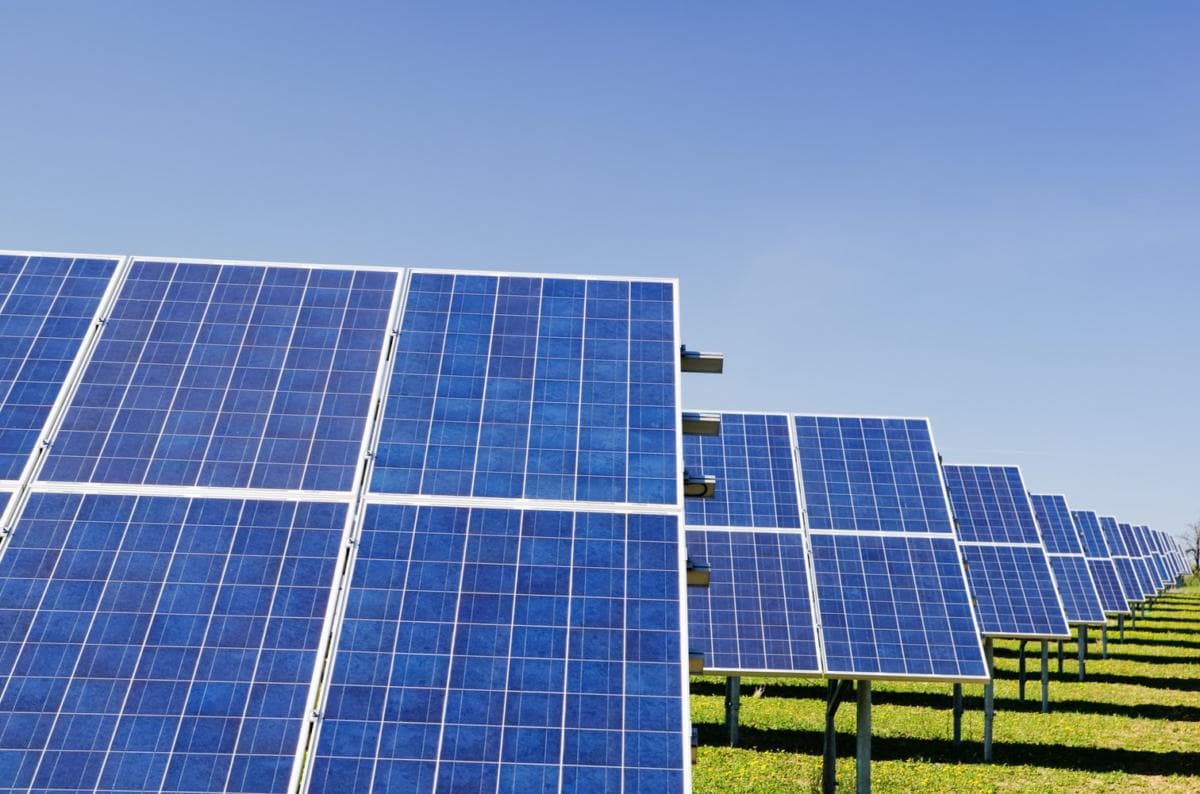
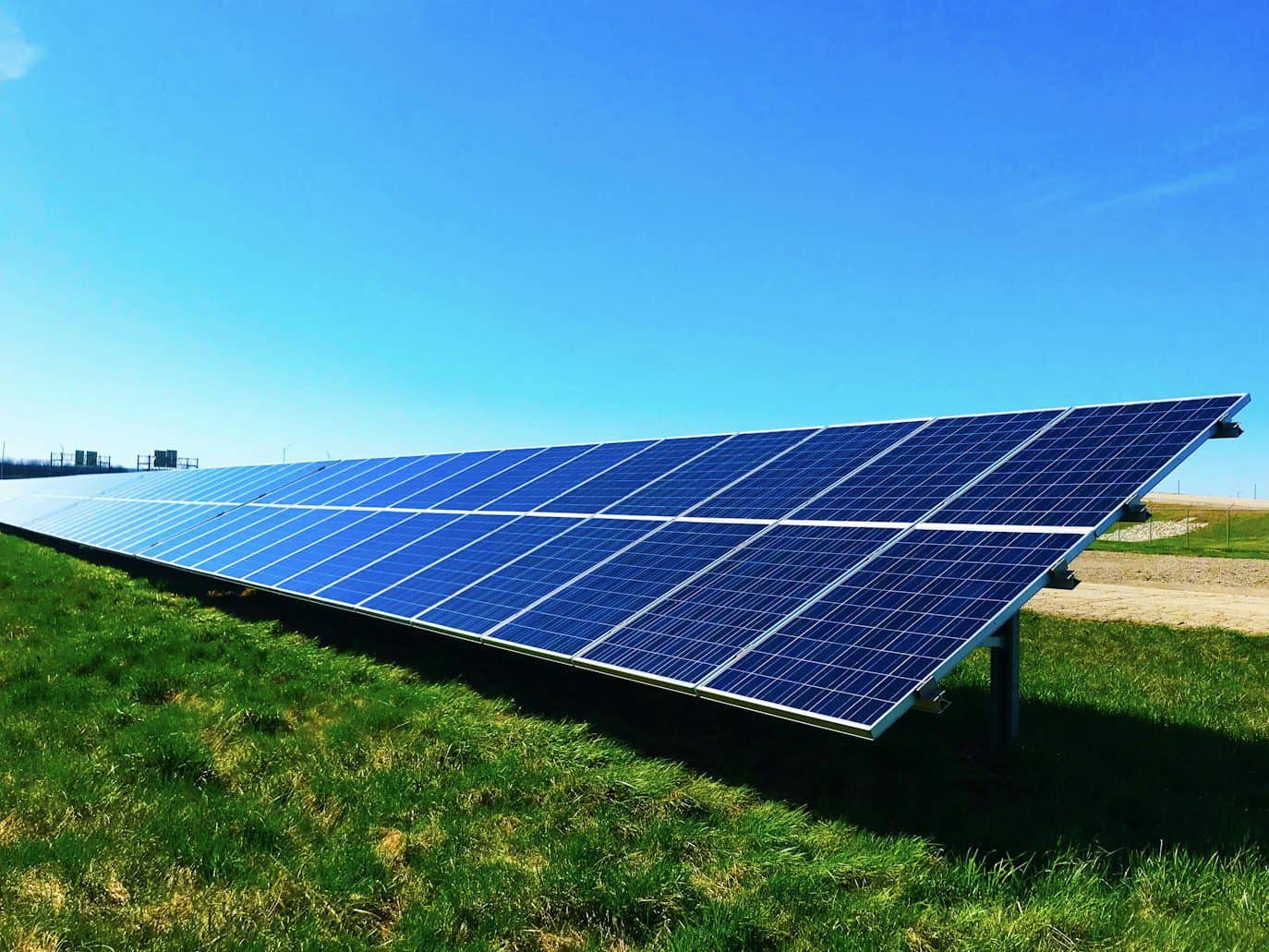
A solar power purchase agreement (PPA) is a contract under which your business agrees to buy electricity generated by a solar system-often installed at your site-at an agreed price per kilowatt-hour (kWh) over a set term.
Typically:
- A third-party provider (the PPA provider) designs, owns, installs and maintains the system on your premises (for example, your roof or car park canopy).
- You pay for the electricity the system produces and you consume, at the PPA tariff specified in the contract.
- The provider remains responsible for installation costs, ongoing operation and maintenance, and system performance (subject to the contract).
Think of it as an alternative to purchasing a solar system outright. You get the benefit of on-site renewables without the upfront capital outlay or the burden of running the asset yourself.
There are also offsite arrangements-often called “virtual” PPAs (VPPAs)-where you financially settle against power generated at a remote solar farm. VPPAs are more common with larger corporates and can be complex financial hedges rather than a direct physical supply to your site. For many SMEs, an on-site Power Purchase Agreement is the simpler, more practical model.
Note that while providers often design PPAs to be cost-competitive, savings are not guaranteed. Your actual outcome depends on your tariff, consumption profile, grid prices, site conditions and contract terms.
Are Solar PPAs Right For Your Business?
Before you progress, pressure-test the commercial and practical fit. A short self-check can save time and help you negotiate from a stronger position.
Feasibility Questions To Ask
- Site suitability: Do you have sufficient unshaded roof or ground area? Will the installation affect building warranties or require structural assessment?
- Ownership or lease: If you lease, will the landlord consent to installation and ongoing access? Are there body corporate rules to consider?
- Load profile: Do you use most energy during daylight hours (when solar produces)? If loads are mainly at night, benefits may be lower without storage.
- Business horizon: How stable is your site over the next 7–20 years? If relocating is likely, you’ll need clear transfer rights and costs outlined in your PPA.
- Financial objectives: Are you prioritising cost predictability, emissions reduction, or both? Compare the PPA tariff to your current and forecast grid rates, and consider alternatives (e.g. purchase using finance).
Documenting your aims-cost, sustainability, procurement approach-will help you evaluate proposals and keep negotiations focused on what matters to your business.
How Do Solar PPAs Work In Australia?
Here’s the typical pathway from first conversations to day-to-day operation.
1) Initial Assessment And Proposal
You provide interval data (if available), recent bills and site information. The provider designs a system, estimates yield and self-consumption, and proposes a tariff and term. Assess the assumptions carefully-production forecasts, degradation, escalation formula and any minimum purchase requirements.
2) Commercial And Legal Negotiation
Move beyond a headline tariff. Clarify term length, price escalation, indexation, maintenance standards, metering/monitoring, outages, liability and handback or purchase options at the end of term. This is when a tailored Power Purchase Agreement is drafted and negotiated alongside related site access documents.
3) Approvals, Access And Installation
Grid connection steps, structural checks and any planning permissions are handled (roles vary by contract). Make sure site access rights are properly documented-often via a dedicated Property Licence Agreement-and that works are coordinated to minimise disruption to your operations.
4) Operations, Billing And Maintenance
Once live, you pay for energy produced and consumed under the PPA tariff. Monitoring, maintenance and performance standards should be clear and measurable, commonly captured in a Service Level Agreement or equivalent schedule. Keep an eye on production versus expectations and ensure you receive periodic reports.
5) End Of Term Or Early Exit
At the end of the term you may renew, ask the provider to remove the system, or purchase the asset at fair market value. If you need to relocate or sell the business earlier, check whether the PPA can be transferred or novated and on what terms. A Deed of Novation is often used to shift obligations to a new occupier or owner.
Negotiation Tips, Risks And Common Pitfalls
- Tariff and escalation: Understand how the price adjusts over time (fixed, CPI-linked, or capped). Model multiple grid price scenarios to avoid surprises.
- Minimum volume (“take-or-pay”): Be cautious with minimum purchase obligations if your operations might change, downsize or shift hours.
- Performance remedies: Clarify how underperformance is measured and what remedies apply (e.g. shortfall credits). Avoid vague promises.
- Insurance and liability: Confirm who insures the system and the scope of cover. Ensure indemnities for property damage and third-party claims are balanced.
- Relocation and assignment: If you move premises or sell your business, ensure assignment/novation is permitted, with reasonable conditions and costs.
- End-of-term options: Spell out buyout formula, removal process, make-good obligations and who pays for what.
PPA Vs Outright Purchase
Some businesses prefer to buy a system upfront (or via finance) to own the asset and capture all long-term savings.
- Outright purchase: You fund the system, receive the energy at no per-kWh charge after payback, and take on performance, maintenance and insurance. Ownership may allow depreciation or other tax outcomes-seek accounting advice for your situation.
- PPA model: Low or no upfront cost, outsourced operations and maintenance, predictable tariff for the term, and no asset ownership until a buyout (if any) occurs.
There’s no one-size-fits-all answer. Weigh capital priorities, appetite for asset management and the quality of the PPA terms on offer.
Legal And Regulatory Considerations
PPAs sit at the intersection of energy, property and commercial law. Here are the main areas to consider in Australia.
Electricity Market And Licensing
In most on-site arrangements, the PPA provider-not the customer-handles any licensing or authorisation obligations under the National Electricity Law and state/territory frameworks. Still, it’s sensible to confirm your provider’s compliance and how metering, settlement and grid connection are managed.
Australian Consumer Law (ACL)
Even when dealing business-to-business, parts of the ACL can apply. This includes prohibitions on misleading or deceptive conduct-particularly around promised savings, system output or “green” claims. Being accurate and evidence-based in your marketing matters; see guidance related to Section 18 of the ACL for context on misleading conduct.
Contract Law
Your PPA is a binding commercial contract. Pay close attention to termination rights, default consequences, limitation of liability, indemnities, force majeure and change-in-law provisions. If you intend to sell your business or move premises, ensure assignment and novation mechanics are practical and costed upfront.
Planning, Building And WHS
Large rooftop arrays may require structural assessments and, in some cases, development approvals. Installations should comply with workplace health and safety requirements and relevant Australian Standards. Clarify who is responsible for obtaining permits and who bears the risk if approvals are delayed.
Environmental And Emissions Claims
If you intend to make claims about renewable energy usage or emissions reductions, ensure you have the rights to any environmental certificates (e.g. LGCs) and that claims are accurate. Overstating “100% green” outcomes can create ACL risk.
Data And Privacy
Monitoring platforms may collect operational data, some of which could include personal information (for example, if user-level credentials or staff identifiers are captured). The Privacy Act is generally triggered for “APP entities” (most businesses with annual turnover over $3 million, plus some exceptions for smaller entities). If the Act applies to you, maintain a clear Privacy Policy and ensure data-sharing arrangements in the PPA are covered by appropriate security and access controls.
Property And Access Rights
On-site PPAs typically require roof and plant room access for the provider for the life of the agreement. Those rights are usually documented in a licence or access deed tied to the PPA. Confirm how access is coordinated, site rules, and what happens if the building changes hands.
Signing And Execution
PPAs and related deeds are often executed electronically. Make sure your signing process is valid under Australian law and your internal approvals are in order. If counterparts will be used, be clear on how documents are exchanged and finalised; resources like electronic vs wet-ink signatures and signed in counterpart can help you plan execution correctly.
Key Contracts And Documents You’ll Need
Your paperwork should work together to allocate risk sensibly and keep operations smooth over the full term.
- Power Purchase Agreement (PPA): The core commercial agreement covering tariff, term, indexation, billing, metering, performance standards, maintenance responsibilities, insurance, liability, default and end-of-term options. Most businesses will want a bespoke Power Purchase Agreement rather than a generic template.
- Site Licence/Access Deed: Grants the provider access to install, operate and maintain equipment on your site, often structured similarly to a Property Licence Agreement. It should address safety, security, insurance, and removal/make-good.
- Landlord Consent (for tenants): Landlords commonly require formal consent with conditions around installation standards, access and end-of-term removal. Obtain it in writing before installation.
- Service Level Agreement (SLA): Defines monitoring, preventive maintenance, response times and remedies for underperformance. An SLA can be a schedule to the PPA; the key is measurable obligations. See Service Level Agreement for the types of commitments typically included.
- Assignment/Novation Documents: If you relocate or sell, you’ll likely need a Deed of Novation to transfer the PPA to a new occupier or entity (with the provider’s consent), or an assignment mechanism if permitted.
- Confidentiality (NDA): During procurement and negotiation, you may share usage data, pricing and other sensitive information. An NDA helps protect that information both ways.
- Privacy Policy: If personal information is collected through monitoring platforms or portals, your Privacy Policy should reflect those data flows, access rights and retention practices.
Depending on your setup, you may also need integration agreements (e.g. for building management system connections), rooftop structural reports attached to the contract, or insurance endorsements noting the provider’s interest.
Practical Contracting Tips
- Keep definitions tight: Avoid fuzzy terms for “availability” or “performance.” If it can’t be measured, it’s hard to enforce.
- Model the numbers: Run best, base and worst cases using your tariff, escalation and expected consumption. Confirm if any fixed charges apply.
- Plan for change: Bake in clear mechanics for relocation, sale, renovations and major equipment replacements on your roof.
- Allocate insurance: Confirm who insures what (system vs building), minimum cover levels and who bears deductibles.
Key Takeaways
- On-site solar PPAs let you access renewable energy with low upfront cost and outsourced maintenance, but outcomes depend on your tariff, usage profile and the quality of your contract.
- Assess feasibility early: site suitability, landlord consent, daytime load, business horizon and financial priorities all influence whether a PPA makes sense.
- Work through a clear process-proposal, negotiation, approvals, installation, operations-and document access rights and performance standards from the start.
- Legal touchpoints include electricity market compliance (for providers), the Australian Consumer Law, contract law, property access, planning approvals, WHS, environmental claims and privacy obligations for APP entities.
- Expect to put in place a tailored PPA, a site access/licence, landlord consent (if leasing), an SLA, an NDA and transfer documents like a Deed of Novation if you move or sell.
- Negotiate key risk areas: price escalation, minimum purchase, performance remedies, insurance, liability, assignment rights and end-of-term options.
- If you’re weighing a PPA against outright purchase, consider capital priorities, appetite for asset management and seek accounting advice on tax treatment before deciding.
If you would like a consultation on setting up a solar power purchase agreement for your business, you can reach us at 1800 730 617 or team@sprintlaw.com.au for a free, no-obligations chat.