Sapna is a content writer at Sprintlaw. She has completed a Bachelor of Laws with a Bachelor of Arts. Since graduating, she has worked primarily in the field of legal research and writing, and now helps Sprintlaw assist small businesses.
Contents
Whether you run a cafe, sell meal kits, publish a cookbook, or post recipes on your blog, you’ve probably wondered: can you legally protect a recipe in Australia?
The short answer is: you generally can’t protect the core idea of a recipe (the concept or list of ingredients) as intellectual property. However, the way you write and present a recipe, your brand, your photographs, and your confidential processes can be protected in different ways.
In this guide, we’ll unpack when copyright applies to recipes, how trade secrets and contracts help you keep valuable know‑how under wraps, and how to lock in your brand protection so your reputation grows with your business.
If you’re building a food business, this is a great time to get your legal foundations in place so you can focus on growing your audience and revenue with confidence.
What Counts As “Intellectual Property” In Australia?
Intellectual property (IP) refers to rights that protect creations of the mind. In Australia, key forms of IP include copyright (protects original expression), trade marks (protects brands), patents (protects new inventions), and registered designs (protects the visual appearance of products).
Each right protects something different, and they don’t overlap perfectly. For recipes, it helps to separate the “idea” from the “expression” and from your “brand.”
- The recipe idea: the concept or method for preparing a dish.
- The recipe expression: your specific written instructions, tips, layout, and explanatory text.
- Your brand: the name of your business, logo, and possibly distinctive product names.
- Other elements: food photography, videos, packaging design, and confidential processes.
Understanding these categories helps you choose the right protection strategy. For example, you might protect your brand with a trade mark, your photos with copyright, and your secret spice blend as a trade secret through contracts.
Are Recipes Protected By Copyright?
Copyright protects original expression, not ideas. That line matters a lot for recipes.
What that means in practice:
- The list of ingredients alone is not protected. It’s considered a set of facts or a procedure, not original expression.
- The idea of a dish or a method (e.g. “slow-cooked lamb shoulder with rosemary”) is not protected by copyright.
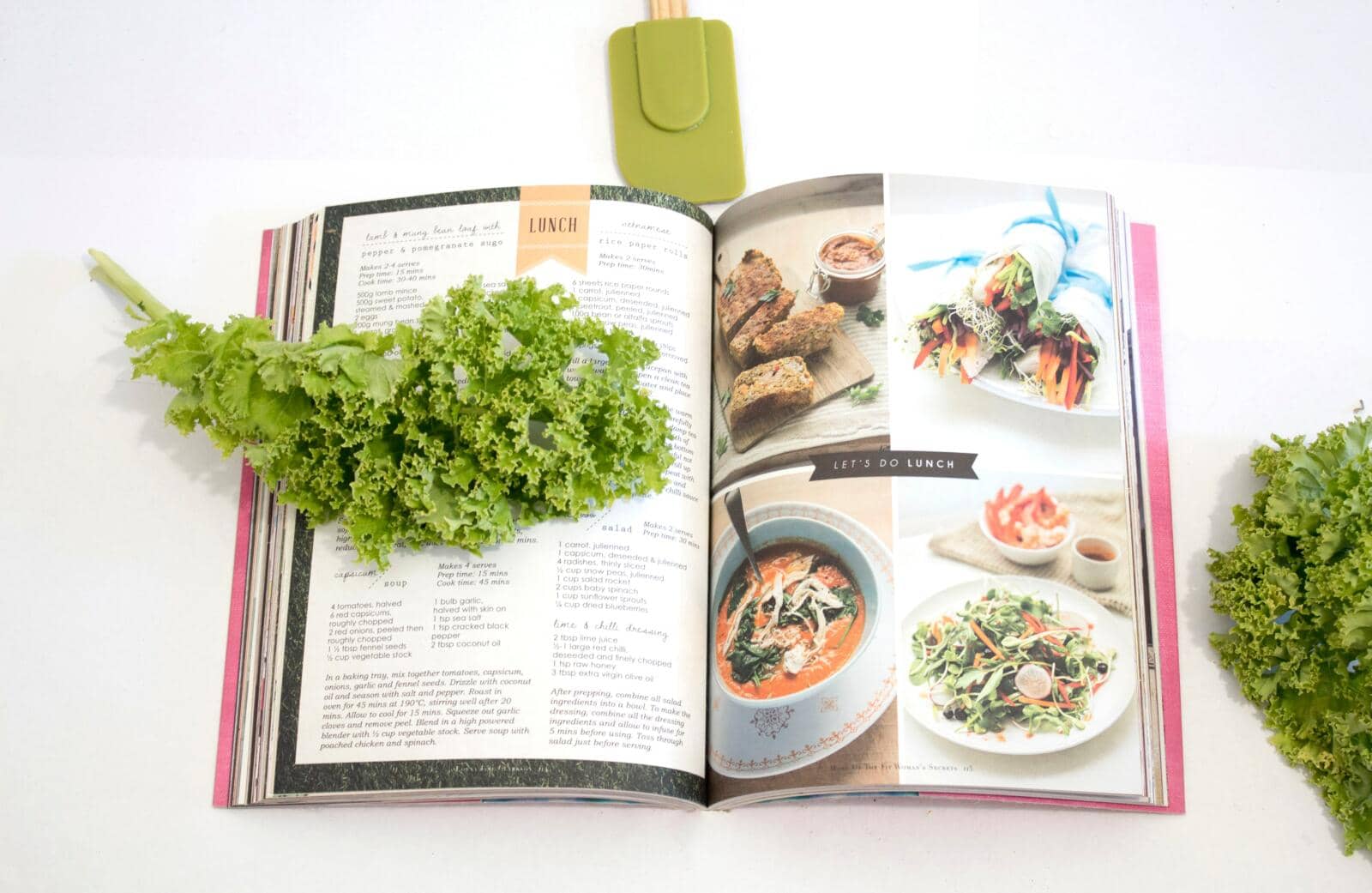
- Your original written expression - the way you explain the steps, tips, stories, headnotes, and educational text - can be protected as a literary work, provided it’s sufficiently original.
- Your photos and illustrations are protected as artistic works from the moment they’re created.
- Short names or titles (like “Mum’s Best Brownies”) generally aren’t protected by copyright, though they may be protected as a trade mark if used as a brand identifier.
So, can someone make your dish after tasting it or reading your ingredient list? Yes - because copyright does not protect functional results or methods. But they cannot copy your unique written instructions or lift your photography without permission (unless an exception applies).
How Much Copying Counts As Infringement?
Copyright infringement occurs when a “substantial part” of a protected work is reproduced. It’s about quality as much as quantity. Copying your distinctive headnote, paragraph structure, explanatory tips, or the unique phrasing of your method could be substantial, even if they change a few words.
By contrast, rewriting a recipe in your own words (without copying the expressive elements) to describe a similar cooking process is usually fine because the idea and method aren’t protected.
What About Fair Dealing Exceptions?
Australia’s fair dealing exceptions are narrow. Uses for purposes like research or study, criticism or review (with acknowledgment), reporting news, parody or satire may be permitted. Most commercial recipe reuse - like posting someone else’s instructions on your blog or in an eBook - won’t be covered by these exceptions.
Do I Need Permission To Use Photos?
Yes. Food photos are protected by copyright. Avoid using another creator’s images unless you have a licence. If you’re licensing content to partners, set clear terms with a Copyright Licence Agreement so everyone knows what can be used, where, and for how long.
Can You Protect Recipes With Confidentiality Or Trade Secrets?
If a recipe or process gives you a competitive edge (think secret spice mix or a unique manufacturing method), the most practical protection is often keeping it confidential.
“Trade secret” isn’t a single registered right - it’s a strategy. You protect the information by limiting who knows it and using strong contractual and operational controls.
Practical Steps To Keep Recipes Secret
- Limit access on a need-to-know basis and document who has access.
- Store formulations securely and label them “confidential.”
- Use confidentiality clauses in Employment Agreements and contractor contracts.
- Require visitors and collaborators to sign a Non-Disclosure Agreement before any recipe or process is disclosed.
- For co-development arrangements, set ownership and licensing terms upfront.
If you’re sharing a recipe with a manufacturer or co-packer, also address ownership and improvements. Where appropriate, consider an IP Assignment if you need to ensure exclusive ownership of any new formula or documentation they create as part of the engagement.
Are Patents An Option For Food Formulations?
Sometimes - but it’s rare for small hospitality businesses. Patents require the invention to be new, inventive, and useful. Simple recipes or methods of cooking usually won’t qualify. If you’ve developed a genuinely novel formulation or process with commercial potential, speak with a patent attorney early before any public disclosure (which can destroy patentability).
Trade Marks And Branding For Recipe Businesses
While you generally can’t monopolise a recipe, you can protect the brand under which you sell it. Your brand is often your most valuable asset - it’s what customers remember and search for.
What Can You Trade Mark?
- Your business name and logo.
- Product names that function as brand identifiers (e.g. a signature sauce line).
- Sometimes distinctive packaging elements or taglines.
Registering a trade mark gives you exclusive rights in Australia to use that mark for the goods/services covered, and to stop others using a confusingly similar mark. It doesn’t stop someone making a similar dish - it stops them trading off your brand.
If you plan to license your brand to retailers, affiliates, or franchisees, set clear rules around quality control, brand usage, and fees through an IP Licence. If royalties are part of the deal, make sure the agreement explains how royalties are calculated, reported, and audited.
What If You Share Recipes Online Or In A Cookbook?
Publishing your recipes can be a great way to grow your audience and revenue - but it comes with responsibilities. A few points to consider:
Copyright And Moral Rights
Copyright protects your original text, photos, and illustrations from the moment you create them. If you collaborate with writers, photographers or stylists, ensure you have written agreements covering who owns the IP and how it can be used. Where you aren’t the owner, obtain written licences with the scope you need.
Contributors also have “moral rights” (to be attributed and to object to derogatory treatment of their work). Make sure your contracts address attribution and any consent to reasonable edits.
Website Terms And Privacy
If you publish online, set the rules of the road. Your site should include clear Website Terms and Conditions to govern user behaviour, content submissions, and limitations of liability. If you collect email addresses, analytics data, or run a shop, you’ll likely need a compliant Privacy Policy explaining what personal information you collect and how you use it.
Australian Consumer Law
When you sell goods or services (like cookbooks, online courses, or meal kits), you must comply with the Australian Consumer Law (ACL). This includes avoiding misleading claims (for example about health benefits) and honouring consumer guarantees. Keep your marketing and refund practices aligned with your obligations under the Australian Consumer Law.
Licensing Your Content
If publishers, platforms, or partners want to use your recipes or imagery, set the terms in writing. Define scope (where content can appear), duration, territories, credit, exclusivity, and fees using a Copyright Licence Agreement. If you’re licensing your brand to others to sell under your name, use an IP Licence with robust quality controls to protect your reputation.
User-Generated Content
If your community submits recipes or photos, your site terms should explain who owns the content and what licence you receive to display or reuse it. Make it easy for users to understand how their content will be used and how to request removal.
What Contracts And Policies Help Protect Your Recipes?
Even though you can’t stop someone from cooking a similar dish, the right contracts and policies go a long way to protect your business model and creative assets.
- Non-Disclosure Agreement (NDA): Use an NDA when you share confidential recipes, formulations, or business plans with potential partners, suppliers, or investors.
- Employment and Contractor Agreements: Include confidentiality and IP clauses so anything created for your business is owned by you, and trade secrets stay protected.
- IP Assignment: If a freelancer or partner has created materials you need to own (e.g. course content, step photos), an IP Assignment transfers ownership to your business.
- Copyright Licence Agreement: When you don’t need to own content, license it on clear terms using a Copyright Licence Agreement (scope, duration, fees, attribution).
- IP Licence: If you license your brand or signature product names to third parties (e.g. stockists), use an IP Licence that sets quality standards and usage rules.
- Trade Mark Registration: Protect your brand name, logo and distinctive product names by registering a trade mark in the right classes for your goods and services.
- Website Terms and Privacy Policy: If you publish online, include Website Terms and Conditions and a Privacy Policy to set clear rules and meet your privacy obligations.
Getting these documents tailored to your business helps prevent disputes and keeps your IP strategy tight as you scale.
Using Others’ Recipes Ethically And Legally
If you’re inspired by another recipe, it’s good practice to write your own instructions from scratch and credit your inspiration (even if not legally required). Don’t copy distinctive text, headnotes or photos, and avoid implying endorsement if you don’t have it. If you need to reproduce more than an insubstantial part of someone’s content, get written permission and license it properly.
Menu Items And Product Names
Descriptive menu item names generally aren’t protected by copyright; however, distinctive names used consistently as brand identifiers can function as trade marks. If a name becomes core to your brand (e.g. a famous sauce or dessert line), consider seeking registration so others can’t confuse customers by using a similar name in the market.
Franchising Or Licensing Your Concept
If your recipes are part of a broader system (e.g. standardised products, operations manuals, and brand assets), consider a licensing or franchising model supported by strong IP ownership, confidentiality, and quality control clauses. Your manuals and training materials are protected by copyright; your brand is protected by your trade mark; and your secret processes remain protected by your contracts and operational controls.
Key Takeaways
- In Australia, the idea of a recipe and the ingredient list aren’t protected by copyright - but your original written instructions, headnotes, and photos can be.
- Trade secrets are often the best way to protect valuable formulations and processes: limit access and use NDAs, employment clauses, and robust operational controls.
- Patents for recipes are uncommon for small food businesses; focus on brand protection, confidentiality, and contracts unless you have a genuinely novel invention.
- Protect your brand by registering a trade mark for your business name, logo, and distinctive product names used as brand identifiers.
- If you publish online or in print, secure ownership or licences for content, and back your operations with Website Terms and Conditions and a Privacy Policy.
- Use clear contracts - NDAs, IP Assignments, Copyright Licence Agreements and IP Licences - to define ownership, permissions, quality control and fees.
- If you adapt others’ recipes, write your own expression and avoid copying distinctive text or images; seek permission when in doubt.
If you’d like a consultation on protecting recipes, brand assets and content for your food business, you can reach us at 1800 730 617 or team@sprintlaw.com.au for a free, no‑obligations chat.
Protect the asset behind the name or work
What should you clear, own or register?
Searches, ownership chains, assignments, licences and registrations solve different risks. Start by identifying the asset and how the business uses it.

Sapna Goundancontent writer