Sapna is a content writer at Sprintlaw. She has completed a Bachelor of Laws with a Bachelor of Arts. Since graduating, she has worked primarily in the field of legal research and writing, and now helps Sprintlaw assist small businesses.
Contents
- What Does A Car Detailing Business Involve?
- Will A Car Detailing Business Be Profitable? Planning And Feasibility
- Choosing A Business Structure: Do I Need A Company?
- What Legal Documents Will I Need?
- Pricing, Packages And Managing Risk
- Should I Buy A Detailing Franchise Or Existing Business?
- Key Takeaways
Car detailing is a growing services niche in Australia. With the rise of mobile operators, subscription wash plans, and customers willing to pay for premium care, there’s room for new players who offer quality, convenience and trust.
But success takes more than a buffer and some polish. You’ll need a clear plan, the right business structure, and strong legal foundations so you can operate confidently and scale.
In this guide, we’ll walk you through how to start a car detailing business in Australia - from planning and registrations to key laws and the essential contracts you’ll want in place.
What Does A Car Detailing Business Involve?
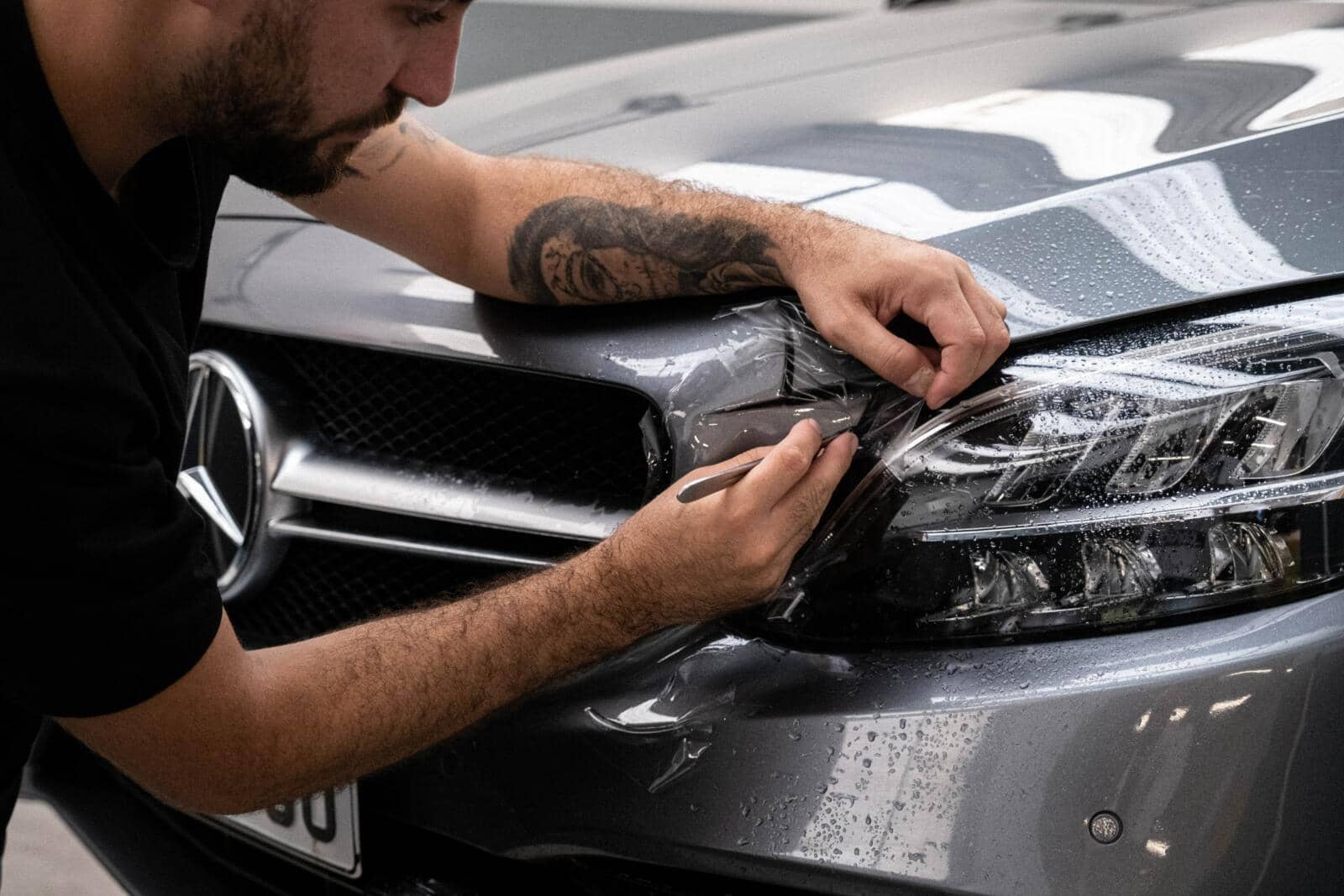
Car detailing is a step up from a basic wash. It typically includes paint decontamination, machine polishing, interior deep cleaning, and services like ceramic coating or paint protection film. Many operators are mobile (coming to the client’s driveway or workplace), while others run a fixed-site shop with bays and equipment.
You can tailor your offering based on your budget and skills. For example, you might focus on:
- Mobile maintenance plans for busy professionals.
- High-end paint correction and ceramic coatings.
- Fleet detailing for dealerships or rideshare vehicles.
- Specialty services like headlight restoration, engine bay details, or pet-hair removal.
Your business model will influence your costs, risk profile and legal needs - so it’s worth mapping that out early.
Will A Car Detailing Business Be Profitable? Planning And Feasibility
Profitability depends on demand in your area, your pricing and packages, your efficiency (labour and chemicals), and how well you retain customers. A short business plan will help you test assumptions before you invest.
As you plan, consider:
- Target customers: mobile commuters, prestige car owners, fleet clients, or local families.
- Services and pricing: packages, add-ons, and whether you’ll offer subscriptions.
- Competitors: what they do well, where they fall short, and how you’ll differentiate.
- Location and delivery: mobile vs fixed-site, travel radius, and parking/access constraints.
- Suppliers and equipment: reliable chemicals, pads, machines, water reclamation systems.
- Legal and compliance: permits, consumer law, contracts, and employment obligations.
Documenting these points will also make the legal setup smoother - for example, your service menu and inclusions will inform your customer terms and cancellation policy.
Step-By-Step: Setting Up Your Car Detailing Business
1) Choose A Structure And Register
Decide whether you’ll operate as a sole trader, partnership or company. Many small operators start as sole traders for simplicity. If you’re hiring staff, taking on bigger contracts or want limited liability, a company can be worth considering.
- Sole trader: simple and inexpensive to set up, but you’re personally liable for debts.
- Partnership: similar simplicity across two or more people, but shared personal liability.
- Company: a separate legal entity that offers limited liability and a more professional impression, but with extra director duties and reporting.
If you’re leaning towards a company, getting help with Company Set Up can save time and ensure the details (like share structure) are right from day one.
Regardless of structure, you’ll need an ABN and, if you’re trading under a name (e.g. “Shine & Drive Detailing” rather than your personal name), you’ll need to register a Business Name with ASIC.
2) Protect Your Brand
Before you order signage or social handles, check that your name and logo are available and consider registering a trade mark. This gives you exclusive rights to use your brand for detailing services in Australia.
A quick search will not reveal every risk, so it’s smart to formally register your trade mark. When you’re choosing classes for your application, resources on trade mark classes can help you pick the right categories.
3) Set Up Your Service And Sales Processes
Decide how customers will book (phone, website, app), how you’ll confirm jobs, take deposits, handle cancellations, and manage complaints or warranty queries. These processes should be reflected in your written terms - more on this below.
If you sell or book online, make sure your site has clear legal pages and flows (e.g. consent to terms, and upfront pricing disclosures).
4) Put The Right Contracts And Policies In Place
Good contracts help you manage expectations, limit disputes, and comply with Australian Consumer Law. At a minimum, detailing businesses typically need a customer-facing agreement, website terms, and a Privacy Policy if you collect personal information online.
5) Arrange Insurance And Risk Management
While we don’t provide insurance advice, most detailers consider public liability, property/equipment cover, and for mobile operators, vehicle and transit cover. You’ll also want processes to manage risks such as paint thickness, pre-existing damage, and water run-off.
6) Hire Or Engage Help (If Needed)
If you’re bringing people onboard, decide whether they’ll be employees or independent contractors and use proper written agreements for each. This keeps roles clear and supports Fair Work compliance.
7) Launch, Then Track And Improve
Start small, gather reviews, and refine your packages and timing. Many operators build a base with mobile jobs, then move into a fixed site once demand is steady.
Choosing A Business Structure: Do I Need A Company?
You don’t have to incorporate to start a car detailing business. However, a company can protect your personal assets and may be required by fleet clients or landlords. The trade-off is registration and ongoing admin.
If you’re starting with co-founders or plan to raise funds later, a company plus a Shareholders Agreement sets clear rules for ownership, decision-making and exits. If you’re on your own and starting small, a sole trader structure might be appropriate to begin with - and you can switch to a company as you grow.
What Laws And Licences Apply To Car Detailing?
There isn’t one single “detailing licence.” Instead, your compliance spans several areas - some industry-specific, others general to running a business in Australia.
Council Approvals And Zoning
If you operate from a fixed site, check local council planning rules and whether you need approval for a car washing/detailing use at your premises. For mobile businesses, councils may have rules about operating on public land, water use and waste disposal.
Environmental And Waste Rules
Detailing often involves water, cleaners and polishing compounds. You’ll need to handle run-off properly and dispose of waste in line with state environmental rules. In practice, that may mean water capture mats, sediment filters, and using biodegradable products where possible.
Australian Consumer Law (ACL)
The ACL applies to your services and advertising. You must avoid misleading or deceptive statements about results (e.g. durability of a coating) and honour consumer guarantees (services must be carried out with due care and skill, fit for purpose, and within a reasonable time). Many operators document their warranty processes in a clear policy - a tailored Warranties Against Defects Policy helps set expectations and supports compliance.
Truthful marketing is key. If you make claims about swirl removal or “like new” results, ensure they reflect what you can actually deliver. Guides such as Section 18 on misleading or deceptive conduct are a useful reference point.
Privacy And Online Bookings
If you collect any personal information (names, emails, addresses, vehicle details) through your website or booking platform, you should have a clear Privacy Policy and handle data in line with the Privacy Act. Say what you collect, why, and how customers can contact you about their data.
For online bookings and payments, make sure customers accept your Online Service Terms & Conditions or website terms before checkout, so there’s a clear contract at the point of purchase.
Employment, Safety And Training
If you employ staff, you’ll need written agreements, correct pay under any applicable award, and safe systems of work (chemical handling, ventilation, PPE, machine safety). Use a proper Employment Contract for employees and, if you engage contractors, a clear Contractors Agreement outlining scope, rates, and responsibilities.
Marketing And Reviews
Online reviews are powerful for detailers. When showcasing testimonials, ensure they’re genuine and not misleading. Avoid incentivising only positive reviews, and be careful not to republish content that infringes someone else’s IP.
What Legal Documents Will I Need?
The “right” documents depend on your model (mobile vs fixed, solo vs team, high-volume vs premium). Most car detailing businesses benefit from the following:
- Service Agreement (Client Terms): Sets out inclusions/exclusions, pricing, deposits, cancellations, customer preparation (e.g. emptying the car), liability limits, photos/before-after consent, and what happens if there’s pre-existing damage. A tailored Service Agreement is the backbone of your customer relationships.
- Terms Of Trade: Covers payment terms, late fees, variations, and risk allocation for ongoing or B2B clients (fleet/dealerships). If you invoice after service or run accounts, Terms of Trade help prevent disputes.
- Privacy Policy: Explains how you collect and use customer data for bookings, emails and follow-ups. A compliant Privacy Policy builds trust and supports legal obligations.
- Website Terms (or Online Service Terms): Sets site rules, IP ownership of content and booking terms for online purchases - start with Website Terms of Use or Online Service Terms & Conditions if you sell services through your site.
- Employment Contracts (and Policies): If you hire, use clear Employment Contracts and basic policies around safety, leave requests, conduct and equipment use.
- Contractors Agreement: For independent detailers you engage on a per-job or overflow basis - a solid Contractors Agreement sets expectations and helps manage sham contracting risks.
- Warranties Against Defects Policy: If you offer express warranties (e.g. 12‑month coating), align your wording and remedy process with the ACL using a compliant Warranties Against Defects Policy.
- Non-Disclosure Agreement (NDA): Handy if you collaborate with suppliers, dealerships or influencers and need to share pricing, processes or client lists - an NDA helps keep confidential information protected.
Not every business will need all of these on day one, but having your core customer terms, website pages and data protection sorted early will make operations smoother and more professional.
Pricing, Packages And Managing Risk
Detailing outcomes vary with paint condition, time and budget. Your terms should make that clear so customers understand what’s realistic for the package they’ve chosen.
Tips to weave into your documents and processes:
- Pre-service inspections: note pre-existing damage and paint condition. Photos help.
- Scope clarity: list what’s included/excluded for each package (e.g. “one-stage polish”, “no wet-sanding unless agreed in writing”).
- Customer responsibilities: access, keys, removing personal items, power and water (for mobile jobs), sheltered space if needed.
- Cancellation and rescheduling: deposits, notice periods, weather contingencies for mobile services.
- Limitations and liability: reasonable caps that comply with consumer law (you can’t contract out of ACL guarantees, but you can set fair commercial boundaries).
- Aftercare instructions: especially for coatings - include written care guides to manage expectations and support warranty handling.
The aim is to be clear, fair and compliant - customers appreciate transparency, and you reduce the risk of disputes.
Should I Buy A Detailing Franchise Or Existing Business?
Buying a franchise or existing detailing shop can offer brand recognition, training and a head start with systems and customers. In return, you’ll pay fees and must follow the franchisor’s model.
If you go down this path, get legal advice on the franchise agreement, disclosure document, fees, territory, marketing obligations and exit rights. For an existing independent business, due diligence on assets, lease, staff, key contracts and IP is essential - and your purchase agreement should clearly allocate risks and liabilities.
Starting from scratch gives you full control and no royalty fees, but you’ll build brand and systems yourself. There’s no single “right” option - choose the path that fits your goals, budget and appetite for control.
Key Takeaways
- Car detailing is a flexible, in-demand services business - plan your model (mobile or fixed), your packages and your target market before you invest.
- Choose a structure that fits your risk and growth plans; a company offers limited liability, while a sole trader is simpler to start. Register your ABN and any trading name with ASIC.
- Protect your brand early with a trade mark, and set up professional booking flows, pricing and customer communications from day one.
- Compliance matters: check council rules, manage environmental run-off, follow Australian Consumer Law, and put privacy and booking terms in place if you collect data online.
- Core legal documents include a tailored Service Agreement, Terms of Trade, Privacy Policy, Website Terms, and the right employment/contractor agreements as your team grows.
- Clarity around scope, cancellations, warranties and aftercare reduces disputes and builds customer trust - write it down in plain English.
- Whether you start fresh or buy a franchise/existing shop, proper contracts and due diligence will protect your investment.
If you’d like a consultation on starting a car detailing business in Australia, you can reach us at 1800 730 617 or team@sprintlaw.com.au for a free, no-obligations chat.

Sapna Goundancontent writer